Learn how to grow bowl lotus from seed and let these dainty lotuses bloom in your home
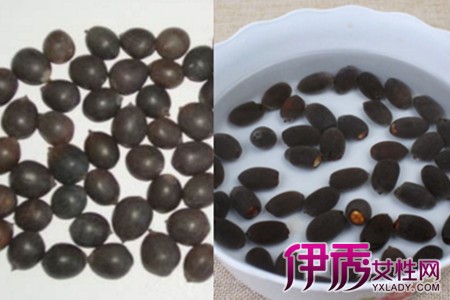
To successfully grow bowl lotus, you should first choose suitable seeds, because only bowl lotus seeds from the current year will sprout; seeds more than one year old will not germinate. So it is recommended that you do not buy them online, and instead buy bowl lotus seeds of the current year from a flower market for water culture.
Do not rush to plant the bowl lotus seeds you bought, because the seed coat of bowl lotus is too thick and it will not sprout without human help. You can look carefully at the two ends of a bowl lotus seed: one end is pointed and the other is round. We can use pliers to nip a small hole at the round end. If you are afraid that using pliers might damage the inside of the seed, you can also grind a hole at the round end of the seed on the floor. With this small hole, the bowl lotus seed will sprout when placed in water culture.
For water-culturing bowl lotus seeds, be sure to use water that was drawn from the tap the day before and left to increase in oxygen. In the first few days the water is especially likely to become cloudy, so you need to change the water four to five times a day. After the third day the water will not become cloudy so easily, and at this point you can add nutrient solution to the water, because nutrient solution can help the bowl lotus sprout as quickly as possible.
If nothing unexpected happens, the bowl lotus will sprout within one week to ten days. Bowl lotus seeds that still have not sprouted after this period should be thrown away; survival of the fittest is normal. After sprouting, let the bowl lotus seeds receive plenty of light, but do not expose them to the midday sun. Once the sprouts of the bowl lotus seeds grow to more than five or six cm, you can move them to a growing container.
We move the bowl lotus that has sprouted and is growing normally into a better pot, with 2 cm of mud at the very bottom, which lets the bowl lotus grow better. Then give the bowl lotus nutrient solution once every half month, and change the water at least once a day; this ensures normal growth of the bowl lotus. After three months you will see the bowl lotus open flowers the size of a copper coin.
How to grow bowl lotus
1. Planting time
Bowl lotus seeds can be sown in all four seasons; as long as the water temperature is suitable, the seeds will sprout normally. You may choose to sow in spring.
2. Seed soaking
A lotus seed is pointed at one end and round at the other. You need to make a small opening at the round end so that water can seep in and it will sprout faster. Then soak the cracked seed in 30°C warm water to hasten sprouting, soaking for more than two days, and you can change the water every day. Generally the seed will sprout in one week; otherwise it will not sprout and can be thrown away.
3. Water culture for seedling raising
After the seed sprouts, place it in a 25°C environment for water culture. After a period of time leaves will unfold and white roots will grow, and then it can be planted in mud.
4. Potting and planting out
Prepare mud or fine sand, add soil, clear water and fertilizer, stir well and let it stand, then plant the seed, with the leaves spread out on the water surface.
Steps for growing bowl lotus from seed
The bowl lotus is a very beautiful potted flower and is very charming while in bloom, so it is loved by flower enthusiasts. Bowl lotus is generally grown from seed. Below is a summary of the steps for growing bowl lotus from seed.
How to grow bowl lotus from seed 1. Treating the lotus seedThe seed coat of the bowl lotus seed is very thick, so simple treatment is needed for it to sprout relatively smoothly. First, distinguish the two ends of the bowl lotus seed: one end has a small protrusion, and the other has a small indentation. The end to treat is the one with the indentation. This is a little difficult to do; usually you use a sharp small knife to cut off a small piece of the seed coat and slowly enlarge it, without damaging the embryo inside.
2. Seedling sproutingA greenhouse at around 20 degrees is relatively suitable. At the current May temperature, just soak the seed in tap water in a container. After soaking for one day, when the embryo has absorbed water and swollen and the seed coat has absorbed water and softened, you can use your hand to peel off 1/3 of the seed coat along the cracked shell so that the embryo is exposed, which helps the embryo bud elongate. After that, changing the water once every evening is enough. It sprouted on the third day. To prevent the tender sprout from drying out, spray some water from time to time; in practice you must keep the sprout fully submerged in water.
3. Raising seedlingsAfter sprouting, continue water culture for seedling raising for 5-7 days at around 25°C. During water culture for seedling raising, the lotus seedling root system has weak absorption ability, and growth mainly depends on nutrients provided by the seed embryo, so generally no fertilizer is needed. During water culture for seedling raising, keep the water layer about 10 cm deep and give plenty of light; do not change the water or turn the plant frequently, so that the leaves do not elongate excessively because their growth direction is constantly changed; keep the leaf stalks in the water and let the leaves lie freely and flat on the water surface.
When actually raising seedlings, be sure to maintain a water depth of about 10 cm.
4. TransplantingAfter obvious slender roots have grown from the root area, it can be transplanted. It is best to use a small round jar with a diameter of 25 cm and a height of about 20 cm. For the growing soil, fertile river pond mud is the most ideal choice. After putting the pond mud into the flower pot, plant the water-cultured seedling in the center of the pot, with the whole seed buried in the mud, so that the leaves spread freely on the water surface.
5. Care after transplantingAdd some water every day, but the water must not cover the leaves; just let them float naturally and lightly on the water surface. During the growth period of the bowl lotus, no more fertilizer is needed. Too much fertilizer will cause fertilizer damage. The bowl lotus is delicate and prone to cold damage. When winter comes, move the jar into a sunny spot indoors and add a small amount of water every week. When Qingming comes the following year, repot it, take out the lotus rhizome and plant it again.