How to plant Clivia seeds: this method guarantees survival
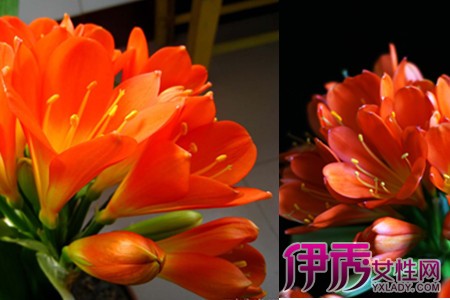
Clivia is a fairly common houseplant. It is a foreign plant that only later came into our country. Clivia blooms for a long time, generally one to two months. It fears sunlight, prefers shady places, and dislikes places that are too hot.
When growing Clivia, pay attention to whether nutrients are sufficient, whether the soil is moist, whether it is loose and soft, and whether drainage is good. Clivia is a well-known greenhouse plant, and it is best kept indoors. As long as its needs are met, this plant can live for a very long time.
Clivia has high ornamental value, so seedlings are relatively expensive. Some friends want to buy seeds and grow them themselves, but they don't know how to plant them. Next, the editor will teach you how to plant Clivia seeds.
First, add some soil to the bottom of the pot, preferably a thicker layer, then spread the seeds on top with some spacing and neatly, then spread some soil over them, this time a thinner layer. When growing the seeds, note that the seeds like moist places, and the ambient temperature should also be higher, so as to ensure a high germination rate.
When growing the seeds, it is best to water thoroughly all at once, and wait until all the moisture has dried out before watering again. The seeds generally germinate in one to two months. Move the sprouted seedlings into a larger pot, change some of the soil, and that's it.
Why Clivia is suitable for growing at home is due to its physiological habits. Clivia has thick leaves and large leaves, can absorb carbon dioxide and release oxygen, and can also absorb toxic and harmful substances in the air, purifying the air and ensuring indoor air cleanliness. That is why Clivia is known as the indoor scavenger.
There is much more to growing Clivia and its benefits, and many key points to note are the accumulated experience of predecessors. Growing Clivia well is not easy; if you want it to die, only pulling it out by the roots will do. So people who grow Clivia don't need to worry too much. As long as you pay more attention and observe more in daily life, you can grow it well too.
Introducing how to plant Clivia seeds to increase the chance of survival
Clivia has very high requirements for its growing environment, and many people fail to keep it alive precisely because they do not grasp its habits well. To increase Clivia's survival rate, you must understand its habits. The first thing is Clivia's requirement for flower pots. Many people choose a smaller pot when selecting one because they worry it will take up too much space. Actually this is incorrect. Clivia's roots are very long, so you must choose a deeper, larger pot.
After finding a suitable pot, you need to find soil suitable for Clivia. You should choose soft black soil so that Clivia can take root after planting. This ensures the survival rate. Using very hard soil makes rooting relatively difficult, and the survival rate is much lower.
Once good soil is chosen, you can start planting Clivia. When planting, do not bury it too deep. Leaving a little exposed on top is just right; press down firmly with your hand a few times, otherwise the roots may rot or become soft, rotting from the inside while looking fine on the outside, but it will not survive.
Clivia does not need too much watering; just get it right when watering. Also, Clivia does not like too much sunlight, so after planting, do not put it outdoors. It is best to place it indoors in a ventilated spot, and in about half a month it will take root and grow normally.
After normal growth, it still takes about 2 years to bloom normally. When Clivia blooms, small flying insects may appear. At that time you must spray insecticide, otherwise the leaves may also turn yellow or whitish. Once you master these points, there will be no problems with your Clivia planting. Try growing Clivia!
Understand how to plant Clivia seeds and let the gentleman among flowers bloom beautifully
To grow Clivia, you must first choose suitable seeds. Clivia seeds harvested in autumn after blooming in early spring are the easiest to keep alive. Once you get the seeds, do not plant them right away. Because Clivia seeds have thick skins, you need to soak them in warm water for two days until the seeds swell and the outer skins soften before sowing. After soaking, take them out and dry them in the sun for one to two hours before planting.
Before planting, prepare the flower soil and pot first. The pot should be breathable and drain well, and the material is best if it is a clay pot. The flower soil must be soft and breathable. You can put a layer of sawdust at the very bottom, which will increase the soil's water permeability and also make the soil loose. When planting Clivia seeds, do not bury them too deep, because Clivia seeds already germinate very slowly, and if buried deep, the young shoots cannot push through.
Right after planting Clivia, you must water it thoroughly, otherwise it will not easily grow primary roots. After watering, place it in a well-ventilated, warm spot, and in about twenty days it will grow primary roots. After germination, do not water from above anymore, as this can easily knock over the young shoots. The correct method is to use a spray bottle to spray little by little so the water slowly seeps in.
After Clivia germinates, you must ensure moisture. Many flowers, after planting, are watered only when the soil is dry, but Clivia is different. It needs the soil to stay moist for a long time to ensure normal, steady growth. If you water only after the soil dries, Clivia will develop slowly. Once Clivia is a bit larger, do not water so frequently, because its root system gradually develops its own water-storage function.