A Detailed Guide to Growing Clivia from Seed, So Your Plants Can Reproduce Smoothly
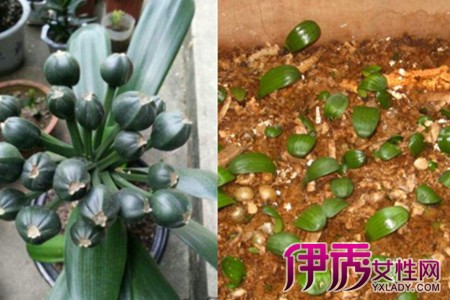
If you want to plant clivia seeds, you first need to understand what makes them different. Clivia seeds have a thicker coat than the seeds of other flowers, so before planting you should soak them in warm water for one to two days, until the seeds swell and soften, before you can plant them. The pot used for clivia must have good breathability, and the soil must be loose and airy, and the soil needs to be acidic for clivia seeds to grow well.
If you do not have acidic soil, you can put a few drops of white vinegar at the bottom of the pot before adding the soil. Fill the middle part of the pot with flower soil, and the top layer should be some sawdust, which is very helpful for seed germination. After soaking, take the seeds out and let them dry, then you can plant them. Do not plant them too deep, because clivia germinates slowly and if planted too deep the seeds will suffocate in the soil.
After planting clivia seeds, you must water thoroughly, otherwise they will struggle to germinate. Normally, clivia will sprout in about twenty days. After germination, be very careful when watering; do not pour from above, as this easily breaks the small tender shoots. You can use a spray bottle to mist them little by little. Clivia likes warmth and humidity, so make sure there is enough water and sunlight.
From the second month, clivia needs regular fertilizing. You can use clivia-specific fertilizer or organic flower fertilizer. The interval between fertilizing should be once every twenty days to a month, but do not give too much, otherwise clivia will be reluctant to bloom. Small black bugs easily appear in the soil of clivia; these bugs are actually produced by bacteria. You should regularly water with garlic juice mixed with water, which can temporarily get rid of the small black bugs.
Before clivia blooms, you should give it one top dressing; after it blooms, do not fertilize again. Because the flowers are delicate, too much fertilizer will overwhelm them. After clivia blooms, you can mist the leaves with a spray bottle every day, but try not to spray the flowers. This keeps the leaves from drying out and withering, and also enhances the ornamental value of the plant. After clivia blooms, it will set seed; at this point do not be impatient and wait until the seeds mature and fall off on their own. Seeds that are picked by force will not survive.
Understand How to Grow Clivia from Seed and Let the Gentleman Among Flowers Bloom Beautifully
If you want to grow clivia, you first need to choose suitable seeds. Clivia seeds harvested in autumn after blooming in early spring are the easiest to keep alive. When you get the seeds, do not plant them right away. Because clivia seeds have a thick coat, you need to soak them in warm water for two days, until the seeds swell and the outer coat softens, before sowing. After soaking, take them out and dry them in the sun for one to two hours before planting.
Before planting, first prepare the flower soil and pot. The pot should be breathable and allow water to pass through, and the best material is a terracotta pot. The flower soil must be loose and airy; you can put a layer of sawdust at the very bottom, which increases the soil's water permeability and also makes the soil loose. Do not bury clivia seeds too deep, because clivia seeds naturally germinate very slowly, and if buried too deep the tender shoots cannot break through.
Right after planting clivia, you must water thoroughly, otherwise it will not easily develop roots. After watering, place it in a spot with good ventilation and high temperatures, and normally roots will form in about twenty days. After germination, do not water from above anymore, as this easily knocks over the small tender shoots. The correct method is to use a spray bottle to mist the soil little by little so the water slowly seeps in.
After clivia germinates, you must ensure humidity. Many flowers, after planting, are only watered when the soil is dry, but clivia is different. It needs the soil to stay moist for a long time to ensure normal, steady growth. If you wait until the soil is dry before watering, clivia will grow slowly. Once clivia is a bit bigger, you should not water so frequently, because its root system gradually develops its own water-storage function.
Understand How to Grow Clivia from Seed and It Will Thrive Even More at Blooming Time
Clivia is one of the harder flowers to grow. Many people know that clivia is very beautiful when it blooms. But when it comes to growing it, many feel it is a very difficult flower to grow. In fact, clivia simply has relatively high requirements for its growing environment; once you understand clivia's habits, you will not find it hard to grow.
First, when choosing a pot, clivia likes a slightly larger pot, because this kind of pot can hold more soil. This is good for clivia taking root; a pot that is too small cannot supply nutrients, and root growth is affected, making it harder to grow. Also, the bottom of the pot should have holes; a pot without holes is not breathable, and when you water too much, the water cannot drain out.
After choosing the pot, the next step is choosing suitable soil. When choosing soil, do not use loess. Loess is very hard and has a big impact on the flower's growth. Clivia likes soft black soil; you can dig up soil from under trees where leaves have rotted, which is very good. This kind of soil is very nutritious for growing clivia and beneficial for growth.
Next is the water requirement. Clivia must not be watered too much. Too much water will cause root rot, and then it basically cannot survive. Also, clivia cannot be exposed to the sun; in summer it should also be placed indoors in a cool, ventilated spot, so it can grow normally. If placed outdoors, it may be burned to death by the sun or its leaves may become soft.
Clivia will roughly bloom in the second year after you start growing it, and the blooming time is around before the New Year, so placing it on a windowsill is very beautiful. But when it is blooming, watering should be a bit more generous; watering about once every 3-5 days is enough, which can make the flowers last a bit longer.