How do you plant Clivia seeds? With the right method, the flowering season is more vigorous
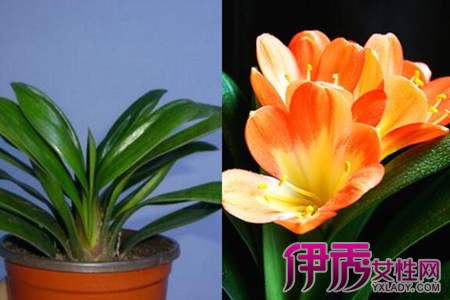
Clivia is one of the more difficult flowers to grow, and many people know that Clivia is very beautiful when in bloom. But when it comes to growing it, many people think it is a very difficult flower to grow; in fact, Clivia simply has relatively high requirements for its growing environment, and once you understand its habits you will not find it difficult to grow.
First, when choosing a flowerpot, Clivia likes a larger pot, because this kind of pot can hold more soil. This is good for Clivia's root development. A pot that is too small cannot supply enough nutrition, and rooting is affected, making it hard to grow. Also, the bottom of the pot should have holes; a pot without holes is not breathable, and when you water too much the water cannot drain out.
After choosing a good flowerpot, the next step is choosing suitable soil. When choosing soil, do not use loess. Loess is very hard and has a great impact on the flower's growth. Clivia likes soft black soil; you can dig leaf-mold soil from under trees, which is very good. This kind of soil is very nutritious for growing Clivia and is beneficial for growth.
Next is the water requirement. Clivia must not be watered too much. Too much water will cause root rot, and then it basically cannot survive. Also, Clivia cannot be exposed to sunlight; in summer it should also be placed indoors in a cool, ventilated place so it can grow normally. If placed outdoors, it may be scorched to death by the sun or its leaves may become soft.
Clivia will roughly bloom in the second year after planting, and when it blooms it is usually around before the New Year, so placing it on a windowsill is very beautiful. But when it is blooming, watering should be a bit more sufficient, about once every 3-5 days, which can make the flowering period longer.
Understand how to plant Clivia seeds; once you learn the key points, growing flowers is actually not hard at all
Clivia itself is one of the more noble flowers, and its growing conditions are considerably higher than those of other flowers. Only by paying attention to Clivia's habits can you grow it well. First, when choosing the pot for planting, many people think it is fine to plant it in a small pot, but Clivia actually likes a large flowerpot. When just planted it may look very small, but as it grows its roots go deep, so choosing a larger pot can hold more soil and is good for rooting.
After choosing a suitable flowerpot, choose soil suitable for growth. Many people just casually put some loess in the pot. Clivia needs soft black soil to grow well; using very hard loess makes rooting very difficult and greatly lowers the survival rate.
Next, put the prepared soil into the flowerpot, then plant the Clivia in the pot, but do not plant it very deep. This can easily cause root rot; just cover it with a little bit of soil, so the roots of the Clivia can slowly grow in.
Once planted, start watering. The first time you water a newly planted Clivia, you must water heavily so it soaks through. After watering, leave it outside for half an hour, so the water roughly seeps through. Then bring it indoors and place it in a cool, ventilated spot, with the temperature kept at about 19°C, which is more suitable. After about half a month, the Clivia can grow new small buds; because the buds are tender, do not put them in the sun to bake.
Growing this way, it can bloom normally in about a year and a half. When Clivia blooms it is very beautiful, and it basically blooms most vigorously in the twelfth lunar month. During the Spring Festival it is just right for viewing and is very beautiful.
Clivia Clivia miniata Clivia illustrated guide: how to grow Clivia / how to propagate Clivia
Clivia profileClivia Clivia miniata
Aliases: large-flowered Clivia, large-leaf lycoris, sword-leaf lycoris, Damulan
Classification: Orchidaceae flowers
Family and genus: Plantae, Angiosperms, Monocotyledons, Liliales, Amaryllidaceae, Clivia genus
Full bloom period: spring
Clivia is a perennial herbaceous plant of the genus Clivia in the Amaryllidaceae family. Its flowering period lasts as long as 30-50 days, mainly in winter and spring, and it also blooms around New Year's Day to the Spring Festival. It dislikes strong light and is a semi-shade plant; it likes coolness and dislikes high temperatures. The optimum growing temperature is 15-25°C, and below 5°C it stops growing. It likes fertile, well-drained soil and moist soil, and dislikes dry environments. Clivia has very high ornamental value. Its plant is elegant and handsome, with the bearing of a gentleman, and its flowers are like orchids, hence the name. The roots are fleshy and fibrous, the leaf bases form a pseudobulb, and the leaves are sword-shaped, up to 45 cm long, alternately arranged, with entire margins. The umbel inflorescence is terminal, and each flower...
Clivia growing methods and precautions; introduction to Clivia
Clivia is a perennial herbaceous plant of the genus Clivia in the Amaryllidaceae family. Its flowering period lasts as long as 30-50 days, mainly in winter and spring, and it also blooms around New Year's Day to the Spring Festival. It dislikes strong light and is a semi-shade plant; it likes coolness and dislikes high temperatures. The optimum growing temperature is 15-25°C, and below 5°C it stops growing. It likes fertile, well-drained soil and moist soil, and dislikes dry environments. Clivia has very high ornamental value.
Its plant is elegant and handsome, with the bearing of a gentleman, and its flowers are like orchids, hence the name. The roots are fleshy and fibrous, the leaf bases form a pseudobulb, and the leaves are sword-shaped, up to 45 cm long, alternately arranged, with entire margins. The umbel inflorescence is terminal, and each inflorescence has 7-30 small flowers, sometimes more than 40. The small flowers have stalks and are arranged in an umbel at the top of the flower; the flowers are funnel-shaped, upright, and yellow or orange-yellow.
Clivia's flowers and leaves are beautiful and elegant, and it is also shade-tolerant. It is suitable for potted indoor display, for viewing both foliage and flowers, and is also an ideal potted flower for decorating conference venues and hotel environments. It also has the function of purifying air and medicinal value.
Clivia can bloom all year round, mainly in spring and summer. The fruit ripening period is around October.
Morphological characteristics of Clivia
Clivia's roots are fleshy and fibrous, milky white, and very stout. The root system is thick and large, with a strong fleshy feel. The persistent leaf bases at the base of the Clivia stem expand and clasp each other to form a pseudobulb shape. The leaves emerge in two ranks from the shortened stem at the root, neatly arranged, broad and strap-shaped, with rounded tips, hard and thick in texture, and glossy with veins. The basal leaves are thick in texture, sword-shaped, leathery, dark green, glossy, strap-like, 30-50 cm long, up to 85 cm at the longest, 3-5 cm wide, gradually narrowing toward the base, alternately arranged, with entire margins.
The Clivia flower scape is drawn out from the leaf axils. If grown from seed, it generally blooms when it has 15 leaves. The flower stem is about 2 cm wide; the small flowers have stalks and are arranged in an umbel at the top of the flower; the flowers are funnel-shaped, upright, yellow or orange-yellow, orange-red. The umbel inflorescence is terminal, the flowers are upright, with several imbricate bracts, and each inflorescence has 7-30 small flowers, sometimes more than 40. The perianth segments are 6, connate.
The nodding Clivia has slightly drooping flowers and a narrowly funnel-shaped perianth. The pedicel is 2.5-5 cm long; the flower is upright and upward, the perianth is broadly funnel-shaped, bright red, with a slightly yellow inner surface; the perianth tube is about 5 mm long, the outer whorl perianth segments have a slightly raised tip, and the inner whorl tip is slightly concave, slightly longer than the stamens; the style is long and slightly extends beyond the perianth. The berry is purplish red, broadly ovate.
Clivia's full bloom period is from New Year's Day to the Spring Festival, mainly in spring and summer. It can bloom all year round, sometimes also in winter, and sometimes in summer between June and July. The fruit ripening period is around October; it is a berry and purplish red. Clivia's flowers and leaves are both beautiful.
Ecological habits of Clivia
Clivia is native to the tropical regions of southern Africa, growing beneath trees, so it fears both heat and cold, likes semi-shade and humid environments, and fears strong direct sunlight. Its best growing temperature is between 18-28°C; below 10°C and above 30°C, growth is inhibited. Clivia likes ventilated environments and likes deep, fertile, loose soil. It is suitable for growing in loose, fertile, slightly acidic organic soil. Clivia is a famous greenhouse flower and is suitable for indoor cultivation.
Roots and leaves have a certain correlation. When new roots grow, new leaves also emerge along with them. If roots are lost (rotted by waterlogging or dried to death, etc.), as long as the leaves are not wilted, pay attention during care to maintain soil moisture, and remember not to water too much, too dry, or too frequently, then the roots will regrow new root systems and the plant can survive (with proper care, new roots can be found growing in about 10 days); if the leaves are damaged, this will likewise affect the roots.
Under normal conditions, Clivia blooms once a year, generally when it has more than twelve leaves. If the indoor growing temperature is suitable, it can bloom around the Spring Festival. Known as the flower of wealth and honor, Clivia generally blooms once a year after it matures; blooming twice a year is rare, and blooming three times is extremely rare.
A nodding Clivia with 16 leaves was an old plant produced when dividing the pot, and its growth was relatively strong. It was transplanted into a large flowerpot. When transplanting, some charcoal and old brick fragments were placed at the bottom of the pot, and three horseshoes (horse hoof shells) were buried in as base fertilizer. Afterward it was placed in a cool, shady spot with less sunlight, and some thin liquid fertilizer soaked from peanut bran was applied often (about once every half month), and soon a tender shoot grew.
By the Spring Festival, it bolted and bloomed, with a flowering period of more than twenty days. After the flowers faded, liquid fertilizer was applied as a top dressing, and some peanut bran was also added. Soon, the flower scape that had not set seed was cut off. Afterward, it grew two more tender shoots. By July, it bloomed a second time, also with a flowering period of about twenty days, but the flower scape was slightly shorter than at the Spring Festival. In August the flowers faded, and liquid fertilizer was immediately applied as a top dressing. Afterward the flower scape that had not set seed was cut off, and some liquid fertilizer, peanut bran, and soybean cake were applied often. In September, several dozen raw clams were also added as fertilizer. During high temperatures it was placed in a ventilated spot indoors. By November, it unexpectedly sent up a scape and bloomed a third time. This flowering period was also about twenty days, only with fewer flowers, just over twenty. After the flowers faded in December, three more horseshoes were buried in the flowerpot, and liquid fertilizer was applied often, so that it could bloom once more in February or March.
Clivia cultivation techniques: soil
Clivia is suitable for soil rich in humus. This kind of soil has good breathability, good water permeability, and fertile texture, and is slightly acidic (pH6.5). A general Clivia soil mix is 6 parts leaf mold, 2 parts pine needles, 1 part river sand or furnace ash residue, and 1 part base fertilizer (hemp seeds, etc.). Leaf mold mainly refers to oak leaves, also called oak. This kind of leaf is thick in texture and is a very good humus. It is nutritious and has good water permeability. Other leaves are too thin and disappear after decomposition, so they cannot be mixed with other media to make soil. When cultivating, use pots that gradually increase in size as the plant grows. When cultivating one-year-old seedlings, use a 3-inch pot. In the second year, change to a 5-inch pot, and afterward repot into a pot one size larger every 1--2 years. Repotting can be done in spring and autumn.
Watering
Clivia has relatively well-developed fleshy roots, and the roots store a certain amount of water, so this flower is relatively drought-tolerant. However, even drought-tolerant flowers cannot be severely short of water, especially in summer when high temperatures are combined with dry air; do not forget to water in time, otherwise the roots and leaves of the flower will be damaged, causing new leaves not to sprout and the original leaves to scorch, which not only affects flowering but may even cause the plant to die. But watering too much will also cause root rot. So you must master it well and often pay attention to whether the pot soil is dry or wet. When it is half-dry, water once, but the amount should not be large; keeping the pot soil moist but not soggy is just right.
Under general conditions, water once a day in spring; in summer, use a fine watering can to water the leaf surfaces and the surrounding ground together, and on sunny days water twice a day; in autumn, water once every other day; in winter, water once a week or less. But you must note that this refers to "general conditions." You must handle it flexibly according to various specific situations. For example, water more on sunny days; water less on cloudy days, and during continuous cloudy days water once every few days; on rainy days do not water. When the temperature is high and the air is dry, water several times a day; if the flowerpot is large, because the soil stores more water and does not dry out easily, water less; if the flowerpot is small and water evaporates easily, water an appropriate amount more. If the flowerpot is placed in a well-ventilated place where evaporation is easy, it is appropriate to water more; in places with poor ventilation, slow evaporation, and high air humidity, water less. During the seedling stage, water less; during the flowering stage, water more. In short, it should be determined according to specific conditions, with the principle of ensuring the pot soil is soft and moist and not too dry or too wet.
If conditions permit, magnetized water is of course best; next is rainwater, snow water, or living water from rivers; next is pond water; the worst is tap water. Flower growers living in big cities only have tap water available, so they can use a small water vat or basin or bucket, put the tap water in, and water after 2-3 days. This allows some harmful impurities in the water to settle. In addition, it allows the substances contained in the water to be oxidized and purified, and can bring the water temperature close to the pot soil temperature, so it will not be too cold or too hot and harm the plant.
Fertilizing
Many flowers like fertilizer, but fertilizing fertilizer-loving flowers also has a limit. Too much fertilizer is unfavorable for growth and may even cause root rot or scorching of the plant. Clivia also belongs to this category of plants, and fertilizer must be applied in appropriate amounts.
Flowers have different nutrient requirements at different growth and development stages. Therefore, different fertilizing methods suitable for the plant's needs should be adopted at each period. Such as base fertilizer, top dressing, and foliar fertilization.
1) Applying base fertilizer (also called basal fertilizer)
The purpose is to create conditions for plant growth and development and meet its nutrient needs. Clivia base fertilizer should be applied when repotting every 2 years. Commonly used fertilizers incorporated into the soil include barnyard manure (that is, poultry and livestock manure), compost, green manure, soybean cake fertilizer, etc.
2) Top dressing
Mainly to promote plant growth. Clivia can be given fertilizers such as cake fertilizer, fish meal, and bone meal. For newly planted plants, apply less; later, as the plant grows and the leaves increase, the amount of fertilizer should gradually increase. When fertilizing, scrape aside the pot soil and apply it into the soil to a depth of 2-3 cm, but note that the fertilizer applied should not be too close to the root system, to avoid burning the roots. Applying this kind of solid fertilizer once a month is generally enough, and it should not be more frequent.
3) Applying liquid top dressing
Liquid top dressing is made by diluting the soaked and fermented decomposed supernatant of animal and plant matter with 30-40 parts clean water and then pouring it onto the pot soil. For small seedlings, dilute with 40 times water; for medium seedlings, dilute with 30 times water; for large seedlings, dilute with only 20 times water. After applying the fertilizer liquid, water once with clean water 1-2 days later (the amount of water should not be large), so the fertilizer penetrates to the roots in the pot soil and fully exerts its fertilizer effect. Do not water 1-2 days before applying liquid fertilizer; let the pot soil be relatively dry before applying the fertilizer liquid, which is more effective. The best time to fertilize is early morning; when applying, pour the fertilizer liquid along the edge of the pot, and be careful to avoid applying it on the plant and leaves.
In addition, the type of fertilizer should also be chosen according to the season, applying different fertilizers. For example, in spring and winter it is suitable to apply some phosphorus and potassium fertilizers, such as fish meal, bone meal, and hemp cake, which are beneficial for vein formation and improving leaf glossiness; in autumn it is suitable to apply the leachate of decomposed animal hair, horns, hooves, or soybean cake, diluted with 30-40 times clean water, to help leaf growth.
4) Foliar top dressing
Using this method of fertilizing is mainly to make up for the lack of nutrients in the soil, to solve the problem of nutrient deficiency in the plant body, so that seedlings grow quickly and flowers and fruits grow plump. Foliar fertilization is spraying the diluted fertilizer liquid directly onto the plant's leaf surfaces with a misting device, allowing nutrient elements to penetrate through the leaf epidermal cells and stomata into the leaf tissues and then be transported throughout the plant. Commonly used fertilizer types include urea, monopotassium phosphate, and superphosphate. When spraying, spray evenly on both the front and back of the leaves. During the growing season, spray once every 4-6 days; during semi-dormancy, once every 2 weeks. Generally spray after sunrise, and stop applying once the plant blooms. It must be noted that this method can only be used when the plant is found to be short of fertilizer. If the plant has sufficient nutrition and is growing vigorously, it should not be used.
Later-stage management
Clivia's flowering period is generally from February to April. After flowering, the flowering period can be extended by appropriately lowering the temperature, ventilating, and reducing light. The length of Clivia's flowering period can be controlled through people's cultivation techniques.
Before and after Clivia's flowering period, the following treatments should be made in cultivation management:
Fertilizing
An additional application of bone meal, well-fermented fish innards, and soybean cake water should be made, which can make the flower colors vivid, the flowers larger, and the leaves thicker. Otherwise, it is easy to have small flowers, few in number, and pale flower color. At the same time, care should be taken to avoid applying too much nitrogen fertilizer and insufficient phosphorus and potassium fertilizer, which would cause weak growth or leggy leaves and affect bud formation and flowering.
Light
A certain light condition should be provided to meet the requirements of photosynthesis and flowering for light. Under strong light, the flowering period is short and the flower color is vivid; under weak light, the flower color is pale. Too long or too strong light, or long-term shading and insufficient light, will all affect the production and accumulation of nutrients, making it unable to form buds and bloom.
Temperature
Suitable temperature has an obvious effect on the quality of flowering. If the temperature is too high, root hairs exist for an extremely short time, and the function of absorbing water and fertilizer is greatly reduced, causing Clivia to show a semi-dormant state; if the temperature is below 10°C, growth will also be inhibited; during the growing period it should be controlled at 15°C-25°C, and during the flowering period it should be 15°C-20°C. When root hairs exist for a long time and the function of absorbing water and fertilizer is good, the leaves grow short and wide, and the flower vigor is luxuriant. Also note that Clivia should maintain a temperature difference of about 8°C between day and night, because the organic matter it produces under higher daytime temperatures needs to be stored and digested under lower nighttime temperatures.
Water
Clivia must not lack water throughout the plant's growing period. When it enters the flowering period, the water requirement is even greater, and the growing humidity should not be lower than 60%.
Clivia growing methods
China currently mainly uses seed sowing to propagate Clivia, thus forming varieties of all kinds.
Clivia cultivation is relatively simple. First, choose good pot soil. It can be placed indoors near a window, and fertilizer and water should be controlled according to the temperature characteristics of each place. During the growing period, the pot soil must be kept moist; during the high-temperature semi-dormant period, the pot soil should be on the dry side, and water should often be sprayed on the leaf surfaces to achieve the purpose of cooling. Clivia likes fertilizer; repot once every 2 to 3 years in spring or autumn, adding decomposed cake fertilizer into the pot soil. Each year before the growing period, apply 5 to 40 grams of decomposed cake fertilizer under the pot surface soil, and apply liquid fertilizer once during growth.
During management, the pot should often be turned to prevent the leaves from leaning to one side. If they lean to one side, they should be corrected promptly. When the temperature is 25 to 30 degrees, it easily causes leggy leaves, making the leaves narrow and long and affecting the ornamental effect, so when cultivating Clivia you must pay attention to adjusting the room temperature.
Clivia's leaves are broad and strap-shaped, hard and thick in texture, and glossy with veins. The leaves emerge in two ranks from the shortened stem at the root. If managed properly, the leaves are neatly arranged and even more beautiful. The flower scape is drawn out from the leaf axils, and it generally blooms only when it has 20-25 leaves. The full bloom period is from New Year's Day to the Spring Festival, and it also sometimes blooms in summer between June and July. After flowering it can set a small amount of seed, requiring artificial pollination, and the seeds mature only after 240-270 days.
Clivia's roots are milky white, very stout, and have a strong fleshy feel. Roots and leaves have a certain correlation. When new roots grow, new leaves also emerge along with them. If the roots are injured or necrotic, the corresponding leaves will also wither; if the leaves are damaged, this will likewise affect the roots. Clivia's root system is thick and fleshy. The leaf bases form a pseudobulb; the leaves are leathery and dark green. The umbel inflorescence has several to several dozen flowers; the flowers are funnel-shaped, upright, and orange-red. Its variety is yellow-flowered Clivia (vae.aurea Regel). The flowering period is winter and spring. It is robust in nature and likes a warm, humid, semi-shady environment. It requires well-drained, fertile loam. It is not cold-tolerant. In South China, Clivia can be used for flower beds or as cut flowers, and in East China and areas north of the Yangtze River basin it is used as an indoor potted plant for viewing leaves and flowers.
Clivia is native to the tropics and likes semi-shade. The most suitable temperature is 10 to 25 degrees, and it is suitable for growing in loose, fertile, slightly acidic organic soil.
Clivia propagation methods
Clivia generally uses only two propagation methods: one is sexual propagation, namely seed sowing propagation; the other is asexual propagation by division. Large-flowered Clivia is more commonly propagated by sowing. The advantage of this propagation method is that it can propagate in large quantities to meet the needs of many flower growers. But sowing propagation first requires artificial pollination, preferably cross-pollination between different plants (higher seed-setting rate). A robust plant can generally set ten seeds after cross-pollination between different plants; self-pollination on the same plant can set only a few seeds.
Sowing method
The pollination method is: 2-3 days after the perianth splits, when the flower bud is mature and the stigma has sticky secretion, this is the time for pollination. When pollinating, use a new writing brush to dip the pollen from the stamens and gently shake it onto the stigma of the pistil. To increase the seed-setting rate, pollinate once each between 9-10 a.m. and 2-3 p.m. The seeds can mature after about 8-9 months. When the fruit skin gradually changes from green to blackish purple, the fruit cluster can be cut off, and after 10-20 days the seeds can be peeled out. Before sowing, soak the seeds in warm water at 30-35°C for 20-30 minutes, then take them out and air-dry for 1-2 hours (at this time, if they can be soaked in 10% sodium phosphate solution for 20-30 minutes, taken out and washed, then soaked in clean water for 10-15 hours, so much the better), and they can be sown into the culture soil. After sowing, place the flowerpot in an environment at room temperature 20-25°C and humidity of about 90%, and in about 1-2 weeks the radicle will sprout.
Before carrying out sowing propagation, first prepare the culture soil. Many materials can be used to make culture soil, but one that is relatively easy to obtain is loose soil with sufficient humus taken from the forest surface layer, mixed with 1/3 clean fine sandy soil.
Clivia likes slightly acidic soil, with a pH value of 6-6.5 being suitable. The time requirement for propagating Clivia by sowing is not strict; it can be sown in spring, autumn, and winter, but temperature is an important factor. It is best to sow under conditions of 20-25°C, which can meet the temperature requirements for germinating the embryo.
Division method
Asexual propagation of flowers includes cutting, division, layering, grafting, and other methods, but Clivia's asexual propagation generally uses only the division method, and nodding Clivia uses this method even more commonly.
To propagate by division, first do several preparations:
① For household potting, prepare flowerpots. It is best if the flowerpots are clay pots. Do not buy porcelain or ceramic ones just for the beauty of the pot surface, because they have poor breathability and are unfavorable for the plant's development and growth.
② Prepare the medium soil, and it is best to disinfect it. If using humus soil mixed with fine sand, the humus soil should be sprayed and disinfected with a 1000-2000 times water solution of potassium permanganate; the fine river sand should also be scalded and disinfected with boiling water, to avoid the seedlings being infected by pathogens and rotting.
③ Prepare a small amount of charcoal powder to apply to the wound to absorb moisture and prevent rot.
④ Sharpen the cutting knife, and finally quickly dry-grind it on a whetstone (without adding water) several dozen times, making the blade highly heated to kill pathogens.
When dividing, first take the mother Clivia plant out of the pot, remove the old soil, and find the axillary buds that can be divided. If the offset grows on the outer edge of the mother plant and is small, you can hold the bulb part with one hand and pinch the base of the offset with the other hand, tear and pry a little, and the offset can be separated from the mother body; if the offset is stout and not easy to pry off, you should use the prepared sharp knife to cut it off. Never force it off, to avoid damaging the young plant. After the offset is cut off, immediately apply dry charcoal powder to the wound to absorb the flowing liquid and prevent rot. Next, pot the offset for planting.
When planting, the planting depth should be enough to bury the base pseudobulb of the offset. The part near the seedling should be made slightly higher, and disinfected sandy soil should be covered. After planting, immediately water thoroughly once. After 2 weeks, when the wound has healed, add another layer of culture soil. Generally it takes 1-2 months to grow new roots and 1-2 years to bloom. Clivia propagated by division has relatively stable heredity and can maintain the various characteristics of the original species.
Clivia disease control: common viruses
Several common diseases of Clivia include southern blight, soft rot, anthracnose, etc.
Southern blight
When this disease occurs, the stem near the root appears water-soaked, brown, irregular lesions, the cortex soft-rots, then white silky mycelium grows and spreads over the soil surface around the roots, later forming small sclerotia, finally becoming rapeseed-like in color, expanding until the entire base rots and necroses.
Control methods:
① Before potting, the culture soil should be disinfected. A relatively simple method is to place the culture soil at 60°C for 24 hours;
② Often observe the soil surface. If white fungal threads are found, pick them out and burn them, and sprinkle some lime powder around the diseased spot for disinfection; ③ In the early stage of the disease, pour a 500 times solution of 50% carbendazim wettable powder on the stem base of the plant and the soil around the base, once a week, 2-3 times is enough.
Soft rot
The pathogen often invades through wounds. When the disease occurs, light yellow water-soaked spots appear on the leaves, then expand into irregular lesions, causing the leaves to become brown soft rot, and bacterial fluid flows out from the lesion wounds.
Control methods:
① Once this disease is found, immediately separate the diseased plant, scrape aside the culture soil around the plant to expose the diseased part, break open the rotten diseased leaves, use a sterilized knife to scrape off the rotten part, give appropriate sunlight exposure, and keep it ventilated and dry;
② If many plants are rotten, all diseased tissue must be removed, soaked in a 5% potassium permanganate water solution for 1 hour, rinsed with clean water and air-dried, apply plant ash to the cut, change to a new pot for planting, and place in a ventilated place with not-high temperature;
③ For drug treatment, penicillin or streptomycin or oxytetracycline plus 4000-**** times water solution can be used to spray or smear the lesions, with a certain effect.
Anthracnose
This disease mostly occurs in rainy, humid, and stuffy seasons, and the diseased parts are mostly at leaf tips and leaf edges. In the initial stage, moist brown small spots appear on the leaves, then expand into oval and similarly wavy main lesions, with yellow surroundings, and later gradually shrink and dry up. Too wet pot soil and excessive nitrogen fertilizer easily cause this disease.
Control methods:
① Give the flowerpot an environment with good ventilation and light, and the pot soil should only be moist; it should not be watered too much or too frequently. Increase phosphorus and potassium fertilizer and control nitrogen fertilizer.
② When signs of disease are found, immediately use 50% wettable carbendazim powder plus 800 times water to make a solution, or use 60% anthracnose Fumei plus 1000 times water solution to spray, about once every 6 days, and 3-5 sprays can be effective.
Common pests
The common pest of Clivia is scale insects. When the pest occurs, scale insects often gather on the tender shoots of the leaves, suck leaf sap, secrete large amounts of pathogens, causing the stems and leaves to turn moldy black, causing sooty mold, and making the leaves wither. This insect has strong reproductive capacity and can occur for multiple generations a year. One female adult can often reproduce hundreds of offspring. If control measures are not taken in time, it can cause death.
Control methods: prevention should be the main approach. Usually often observe the plant body. If pests are found, control them early to prevent spread. For controlling scale insects, manual and chemical methods can be used together. If pests are found on only 1 or 2 leaf tips, manual scraping can be done, using a sharpened thin wooden stick or bamboo skewer to pick off the insect bodies. If a large number of nymphs appear, use 1000 times solution of 25% phosmet emulsifiable concentrate to spray and kill, or use 40% omethoate emulsifiable concentrate plus 1000-1500 times water to make a solution and spray. Generally spraying 1-2 times can kill them.
In addition, note that earthworms can also become pests of Clivia. When the Clivia plant is young, its fleshy roots are very tender and weak. If there are earthworms in the pot soil, they often burrow around everywhere, injuring the tender roots, destroying Clivia's function of absorbing nutrients, causing the plant to stop growing and developing or causing root rot.
The control method is: often pay attention to whether there are round soil particles on the pot soil surface (that is, earthworm excrement). If found, immediately use 50% dichlorvos emulsifiable concentrate plus 1500-2000 times water to make a solution and pour it on. If earthworms are seen burrowing after pouring, remove them immediately; after one week, do the same once more, and the earthworms can be completely eliminated.
Clivia variety classification: common varieties
Large-flowered Clivia is a perennial herb. The fleshy roots are white and unbranched. The basal leaves are numerous, leathery, alternate, neatly arranged, fan-shaped, and evergreen. The stem is a shortened stem. The flowers are a determinate inflorescence, arranged in an umbel, the flower stem is flat, fleshy, and solid, the small flowers have stalks, funnel-shaped, and the colors include orange-yellow, pale yellow, orange-red, light red, deep red, etc. The immature capsule is green and turns purplish red when mature. The seeds are large and spherical.
Large-flowered Clivia
Through artificial hybridization, many precious varieties have been bred. In China in the 1940s there were cultivated varieties such as Shengli, Heshang, Ranchang, and Youjiang. By the 1980s there were cultivated varieties such as Hualian Heshang, Yuantou, Chuncheng Duanye, and Huang Jishi. In recent years, new varieties such as Momo Clivia, Fangye, and Jinsilan have also appeared. At present, Clivia cultivated varieties are distinguished according to plant size, leaf length, length-width ratio, leaf tip shape, whether leaf veins are hidden or visible, flower color, fruit type, etc. Overall, leaves that are short and wide, thick and hard, bright and glossy on the surface, upright and neat, with rounded leaf tips and raised veins are good varieties, and flowers that are large and yellow are premium.
In Japan, foliage-type Clivia is valued more than flower-type Clivia, while the United States and Europe focus on improving flower color. For this reason, Japan has bred variegated-leaf Clivia with white markings and yellow markings (C. miniatacv. Variegata). The United States has bred 22 Clivia varieties of different yellows, including Sir John Thouron, Yellow California Sunshine, Yellow Re-Bloomer, the pink Tessa, and the orange-red Sara, etc. The prices are high, with each small seedling from 250-350 US dollars.
Plants in this genus also include narrow-leaf Clivia (fine-leaf Clivia) and nodding Clivia (the flowers droop when blooming, as if bowing the head and smiling, hence the name). Stemmed Clivia (C. caulescens) (leaves dark green, flowers deep orange-red). Garden Clivia (C. gardenii), whose red flowers have orange or yellow edges at the tips.
Subordinate classification
At present, five species of Clivia have been discovered in total, respectively called nodding Clivia (Nobilis), large-flowered Clivia (miniata), fine-leaf Clivia, also translated as garden Clivia (gardenii), stemmed Clivia (caulescens), and strange Clivia (mirabibis). In addition, in 2004 another species called swamp Clivia (Robust or swamp) was discovered in southern Natal. That is to say, currently only the above six species of Clivia are recognized by the South African Clivia Society.
Among them, all Chinese Clivia belong to the large-flowered Clivia of the genus Clivia, and the flower colors are mainly red and orange. Compared with the floral art of other countries, Chinese Clivia focuses on leaf art. Classified by flower series and strain, Chinese Clivia belongs to the red and orange flower series of the large-flowered Clivia category in the genus Clivia.
Clivia nobilis
The leaves of Clivia nobilis are very hard and rough, strap-shaped, about 300-800 mm long and 25-50 mm wide. The leaf tips are very blunt. Its inflorescence usually bears 20-60 small flowers, which hang downward. The flowers are mostly dark orange, with green tips on the petals. However, there are also flowers in colors ranging from pinkish yellow to dark red. Its berries usually contain 1-2 seeds, and the fruit skin is red; the red fruit takes 9 months to mature. Seedlings grown from seed have very slender leaves, about 1.5 mm thick.
The growth period of Clivia nobilis is extremely long; from a single seed to flowering takes 8 to 10 years, or even longer. Given the characteristics of the flowers, it is very easily confused with Clivia gardenii. Precisely because its growth cycle is so long, it is boldly speculated that the "Clivia nobilis" once popular in China may actually have been Clivia gardenii.
Clivia miniata
In its native range, the leaf width of Clivia miniata generally does not exceed 50 mm, and rarely reaches 90 mm. Flower shapes include narrow-petaled and wide-petaled forms, like a trumpet. The inner petals are generally wider than the outer petals. The flower color is usually orange, with a yellow-white center. Of course, there are also flowers in colors ranging from yellow-white to dark red. Flowers of very pale and very deep colors are relatively rare. At flowering, a single umbel usually contains about 20 flowers, and some reach 40. The berries contain 1-20 seeds, generally fewer than 10.
Clivia gardenii (fine-leaved clivia)
The plant height of Clivia gardenii generally reaches 80-130 mm. Its leaves are bright green, 350-900 mm long and 25-60 mm wide, very narrow and long, with pointed tips. The flowering period is long, from late autumn to winter. The flower color is generally orange-red, with very obvious green tips on the petals. There are also other colors ranging from yellow to red. The flowers hang in an arc, not drooping as severely as those of Clivia caulescens and Clivia nobilis. Each berry contains 1-2 seeds. The fruit takes 12-15 months to mature.
Clivia caulescens
The height of Clivia caulescens is 500 to 1500 mm. Mature plants have an above-ground stem reaching 1 m in length, and in special cases up to 3 m. The soft, flat, pointed leaves are arching, about 35-70 mm wide and 30-60 cm long. It generally flowers in spring and summer. The flowers droop like those of Clivia nobilis, and the flower color is orange-red with green petal tips. The round red berries contain 1-4 seeds, and the berries are 9-13 mm in diameter. The seeds generally mature in winter, with a maturation period of 6 months after pollination.
Clivia mirabilis
A new species of clivia was discovered in the Northern Cape Province of South Africa, and its name is Clivia mirabilis.
Clivia mirabilis grows in humus within crevices on rocky mountain slopes; they grow either singly or in groups, and these places are often covered by sparse evergreen Afrocarpus falcatus woodland. Some Clivia mirabilis also grow in sunlight, but these plants often have leaf tips scorched by the sun and appear water-stressed. In the morning, the vast majority of Clivia mirabilis are on the shady side of the cliffs, and after that, until sunset, they can receive sunlight. The area where Clivia mirabilis grows generally has a semi-arid Mediterranean-type climate, and often experiences a rainy period in winter.
The leaves of Clivia mirabilis all have a white stripe in the center, which distinguishes it from other clivia species. Moreover, its seeds need only 5 months to mature, unlike other clivia species; for example, the seeds of Clivia miniata need a 12-month maturation period, the seeds of Clivia gardenii need a 15-month maturation period, and Clivia caulescens and Clivia nobilis need about a 9-month maturation period.
Clivia mirabilis is a newly discovered species, and its identity was only formally confirmed in February 2001. This clivia is still in a specially protected natural area, and apart from the Oorlogskloof Nature Reserve, no other place has yet been found to have communities of Clivia mirabilis. Therefore, the number of cultivated Clivia mirabilis is still very small. When cultivating Clivia mirabilis, note that it likes humus-rich soil and a semi-shaded environment; given its preference for semi-arid conditions, it should be given a fairly dry environment in summer.
Clivia robusta
Clivia robusta was not formally confirmed as a species until 2004; like other clivias, this clivia is native to South Africa. It usually grows in sandy acidic soil. According to the relevant introductory articles, this clivia is "commonly found in forested areas, often located in or near swamp areas, and some communities grow on riverbanks or below cliffs, where the soil is often rich in humus. In swamp areas, Clivia robusta appears in large communities, and some plants, supported by their root systems, can reach 1.8 m tall, while in relatively dry areas the plants are noticeably shorter and stouter."
Clivia robusta is the largest species of clivia, capable of growing to 1.8 m tall, and in swamp areas, a very few root systems can reach 4.5 m! The leaves of Clivia robusta are flexible and have smooth edges; the leaf tips are rounded, and there is a pale white stripe in the center of the leaf. The leaves are usually 30-120 cm long and 3-9 cm wide, and the leaf bases are usually pigmentless.
Clivia robusta generally flowers from March to August (autumn and winter in South Africa). The inflorescence usually bears 15-40 small orange-red, tubular, pendulous flowers with green petal tips. The pedicels range from red to green. Its fruit is spherical and red, usually containing no more than 4 seeds, and the fruit takes 12 months to mature.
Winter care for clivia
Clivia is native to South Africa and is a perennial evergreen herbaceous flower. It likes a warm and cool climate, fears high temperatures and severe cold, goes dormant in summer, and grows in autumn and winter. Therefore, strengthening winter care is the key to cultivation, and clivia must be grown in special clivia soil.
The key points are as follows:
1. Fertilizing. Clivia has the fastest vegetative growth rate in winter and needs the most nutrients, so applying winter fertilizer well is very important. Before bringing the pots indoors, apply bone meal, roasted sesame, cooked soybeans, etc., or compound fertilizer, diluted with water once every 15 to 20 days; you can also water the roots with a soaking solution of animal and plant residues. Fertilizer must be thoroughly decomposed and applied dilute to prevent concentrated fertilizer from causing damage.
2. Watering. Clivia has fleshy roots and likes air but fears waterlogging. In addition, clivia leaves have a waxy layer, and winter temperatures are low, so water transpiration and evaporation are low. Therefore, watering should not be excessive; simply water along with fertilizing and keep the potting soil moist. Never flood-irrigate, which can cause root rot and plant death.
3. Keeping warm. The most suitable growth temperature for clivia is 15°C to 25°C; growth stops at 10°C, and frost damage occurs at 0°C. Therefore, in winter it must be kept warm and protected from freezing. After the flower stem emerges, maintaining about 18°C is suitable. If the temperature is too high, the leaves and flower scape will become leggy, thin and weak, the flowers will be small and poor in quality, and the flowering period will be short; if the temperature is too low, the flower stem will be short, and it will easily suffer "arrow clamping" and premature flowering, affecting quality and reducing ornamental value.
4. Adjusting light. Clivia likes scattered light and avoids direct strong light. When grown indoors in winter, the pot should be placed in a place with sufficient light. Especially before flowering, there should be good light, which helps the flower buds develop plump and strong. After flowering, appropriately lower the temperature and avoid strong light, maintaining good ventilation, which helps prolong the flowering period.
5. Protecting leaves. Fat leaves make strong flowers, and green leaves make bright flowers. Short, broad, thick, green, glossy and upright leaves are the characteristics of healthy clivia and the basis for promoting flowering and improving ornamental value. To maintain robust leaf quality, in addition to providing reasonable fertilizer and water, the leaf surface must be kept clean to improve photosynthetic efficiency. Methods for protecting leaves: first, regularly wash the leaves, spraying and rinsing with the same clean water or wiping dust off polluted leaves to keep the leaf surface clean; second, promptly spray fungicides to prevent leaf spot, leaf blight and stem rot, ensuring green leaves and brilliant flowers.
The uses and purposes of clivia
Clivia is a valuable flower of high taste. Its Latin name contains the meanings of wealth, nobility, beauty and magnificence. China's "Ciyuan" says, "A person of talent and virtue is a junzi (gentleman)." The naming of clivia implies that it has the gentlemanly character and elegance of a person. The value of clivia refers to the relationship between people's needs and the attributes of clivia, that is, clivia can satisfy people's many needs such as beautifying the home, cultivating character, purifying air and improving health, making your home display an elegant and luxurious style, and adding splendor and charm to enriching and adjusting people's lives.
Ornamental value
Flowers are the essence of nature, and clivia is a rare treasure among the myriad flowers. Clivia miniata has a dignified and graceful plant shape, verdant and upright leaves, large and brightly colored flowers, and bright red fruit; leaves, flowers and fruit are all beautiful, and it is known as having flowers to view in one season, fruit to view in three seasons, and leaves to view in all four seasons. Its flowering period lasts as long as forty or fifty days, and it can bloom in early spring, making it an important festival flower.
Clivia is a perennial evergreen herbaceous plant, but it is not an ordinary grass, but a treasure grass; just as a diamond is not an ordinary stone, but a gem. Clivia is a rare and exotic flower; its rarity lies in its excellent leaves, flowers and fruit, and viewing its leaves is even better than viewing its flowers. "Though all flowers are good, ask not; only the junzi surpasses all fragrance." Other flowers "always have their time to bloom and fall," and must "store their fragrance for next year," making it hard for people to be captivated for long. Clivia's leaves, however, can be viewed by people every month, every day and every moment, giving people the enjoyment of beauty.
Chinese clivia has wonderfully beautiful sword-shaped leaves, layered in green fan-like arrays; standing in pairs, with glossy color. The pseudostem formed by the leaf sheaths at the lower part of the leaves sometimes resembles an exquisite pagoda, sometimes a golden ingot; while the top forms of the leaves vary, some like ellipses, some like semicircles drawn as if with a compass. The leaf surface is even more beautiful, some like black pearls scattered on a jasper plate, some like green gems inlaid on a yellow golden plate, forming vivid and colorful patterns.
Chinese clivia has a jade-like upright flower scape and graceful flower posture; the flower shape is neat and colorful; the inflorescence is umbel-shaped, elegant and bold; the flower color is fresh and beautiful, unmatched by other flowers. Among its oily green and glossy leaves, bright trumpet-shaped flowers appear, like green-clad soldiers playing a spring symphony in all directions. The bright petals are suffused with apricot yellow, the base is milky white, and the corolla also shows bright red and other colors, glistening and enhancing one another, like an ancient jade beauty, graceful and moving. Especially when reflecting the spring sunlight, it is dazzling and exceptionally enchanting.
The purpose of clivia flowering is pollination, fertilization, fruit set and seed formation into berries to reproduce. The fruit takes about 8-9 months of growth before it can go from small to large and from green to red, and only then do the seeds mature, so clivia is said to have fruit to view in three seasons. The fruit of variegated clivia is even more colorful and truly beautiful.
Viewed in overall form, clivia looks like a line from the side and like an open fan from the front. Some resemble a peacock spreading its tail, some like a roc spreading its wings, making people never tire of looking and lingering back and forth; it can rival famous paintings and outshine handicrafts. But any famous painting or handicraft can be mass-reproduced and imitated, while clivia (except for offsets) cannot be reproduced or imitated, and no identical second plant can be found. Clivia is like people: even with the same parent plants, the offspring are not entirely the same; this is the wonder within wonders of clivia.
Another wonder of clivia is that it requires no special cultivation; its flowers bloom in winter, during Christmas, New Year's Day and the Spring Festival, and the flowering period is long. Outside it is a world of ice and snow, wrapped in silver; indoors there are green leaves and red flowers, full of spring and vitality, giving people a feeling of joy and pleasure and setting off the festive and lively atmosphere of the holiday. On both sides, neatly arranged beautiful leaves cluster around the sturdy flower scape holding up a mass of fiery red flowers, and dozens of small flowers trumpet in all directions. It tells people that this is what is truly meant by: "When my flower blooms, all other flowers fade."
Clivia has yet another wonder: it lives over a hundred years and seems never to age. Although it is a perennial plant, after decades of cultivation, a section of its rhizome can still be cut off to rejuvenate it, making it young again, bursting with green and growing vigorously. Precisely because it has the wondrous trait of extremely strong vitality and seeming immortality, it is called by people the flower of long life and eternal youth, and people dare to spend tens of thousands or hundreds of thousands in huge sums to buy a single fine clivia for viewing and cultivation. Also, because clivia blooms in winter (especially during festivals), low-grade clivia with low prices are also welcomed by thousands of households. In addition, in recent years some young girls have treated clivia fresh cut flowers as a symbol of everlasting youth and immortality, giving them to their beloved sweethearts.
Among the clivia family, the striped and variegated clivia, with its magical leaf variegation, has myriad charms, a thousand postures, incomparable beauty and indescribable wonder. As the diamond among flowers, it is beautiful but not seductive, noble but not arrogant. Whoever owns it owns the enjoyment of beauty, status and wealth. It is the hope and hot commodity of clivia today and in the future. Appreciating its beauty lies in this: (apart from other standards) more color is superior, less is inferior; evenness is superior, disorder is inferior. Striped and variegated clivia is a favorite child in the clivia family both domestically and abroad; its leaf surface clearly shows distribution of colors such as green, yellow, white, light green, dark green and gray, with green and yellow (white) clearly distinguished, glossy and charming, with a sense of three-dimensionality, transparency and freshness, and extremely high ornamental value.
Environmental value
1. Clivia has the function of absorbing carbon dioxide and releasing oxygen
As everyone knows, the natural cycles of water, carbon, nitrogen and oxygen are basic factors in forming a good living environment and maintaining ecological balance. Under normal circumstances, the carbon dioxide content in the air is three ten-thousandths, and the oxygen content is 21%; maintaining this constant ratio is the result of photosynthesis by green plants. China's first "Indoor Air Quality Standard" was officially implemented on March 1, 2003, clearly proposing the requirement that "indoor air should be non-toxic, harmless and free of abnormal odors," and stipulating the control of chemical pollution, physical pollution, biological pollution and radioactive pollution, among which the daily average standard value for CO2 is 0.1%. But an adult exhales one kilogram of carbon dioxide and absorbs 0.75 kilograms of oxygen every day; more seriously, air pollution has caused the ratio of carbon dioxide to oxygen in the air to greatly exceed the above standards. Plants, evergreen plants and clivia play a very good role in changing this situation, eliminating air pollution, reducing radioactive substances and bacteria, lowering noise, maintaining ecological balance and carrying out environmental protection.
Why can clivia purify air? This is determined by the tissue structure and physiological functions of its plant body. The clivia plant body is composed of many cells, and in each cell there is a micro-battery. According to measurements by relevant experts, there is a potential difference of 70-80 millivolts inside and outside each clivia cell. Under the action of sunlight, the micro-batteries in the mesophyll cells of this clivia tissue can emit high-energy electrons and then carry out photophosphorylation reactions. This is the role of chlorophyll under sunlight, absorbing carbon dioxide and water and synthesizing oxygen. That is, plant photosynthesis.
During the growth and development of clivia, although it can absorb water and mineral nutrients from the soil to synthesize organic substances (such as amino acids, amides, etc.), this is still not enough for its entire physiological activity; it must use sunlight, temperature, carbon dioxide and water for photosynthesis. This is of extremely important significance to the growth and development of clivia, beautifying the home, purifying indoor air and improving people's health.
2. Clivia has the function of absorbing dust
There are some suspended solid or gaseous particles in urban air, such as industrial dust, smoke from burning coal and flying dust from exposed soil surfaces, and some also carry microorganisms. They can cause various diseases or allergic reactions in humans and harm people's health. In recent years, environmental protection departments have also detected some carcinogenic substances in the air, which is a major public hazard in people's lives.
The clivia plant body, especially its broad and thick leaves, has many stomata and hairs and can secrete a large amount of mucus; through air circulation, it can absorb large amounts of dust, dirt and harmful gases, play a filtering role on indoor air, reduce the dust content of indoor spaces and make the air clean. Therefore, clivia is praised by people as an ideal "absorption machine" and "dust collector."
When you are among the brilliant flowers of pot after pot of clivia, you will feel the air fresh, your body and mind comfortable, and your energy abundant. Where is the mystery? It is because clivia can purify air and has high ecological value.
Beautifying the home
Chinese clivia has the characteristics of being evergreen all year round, being the most shade-tolerant, and being suitable for indoor cultivation. It is an ideal plant for decorating halls, parlors, exhibition halls and offices, and an excellent choice for beautifying parks. It is praised by people as a living handicraft and "money flower." Using it to beautify the home is a beautiful symbol of spiritual civilization and material wealth.
Clivia can not only absorb harmful gases, reduce noise, kill bacteria and create a comfortable living environment, but can also cultivate character, improve health and raise cultural and artistic literacy. Placing clivia in the living room or study, on a desk or coffee table, or in front of a windowsill or balcony, its leaves will sparkle under sunlight or lamplight, stirring feelings in people and making your home full of vitality and ever-green scenery. If a round flower pot is placed on a writing desk, coffee table, dressing table or modular cabinet, a saucer can be placed under the pot. This is not only beautiful, but also prevents water overflowing from the bottom of the pot from staining furniture during cultivation and management. Flowering clivia can be placed between two single sofas to increase people's visual and comfortable feeling. Between small pots placed on a desk, some handicrafts with high ornamental value can also be appropriately placed, and colored lights can even be installed if necessary; in this way, not only will the clivia stand gracefully under the colored light, fresh and bright, but it will also add artistic and natural beauty to your room. Good flowers deserve good pots. When using clivia to beautify the home, attention should be paid to the choice of pot material. Clivia has fleshy roots and likes earthenware pots with good permeability. But this kind of earthenware pot is rough and not beautiful enough indoors. Jingdezhen porcelain pots or Yixing purple clay pots can be used; as long as the soil (leaf mold or peat soil) has good permeability, it can also be grown well.
Economic value
Marxist economics tells us that any commodity is a unity of use value and value. Use value is the property of a commodity that can satisfy some human need. Value is undifferentiated human labor congealed in a commodity, the expenditure of human physical and mental strength. The magnitude of a commodity's value is determined by the socially necessary labor time for producing that commodity, and commodity exchange must be based on the magnitude of value and implement equivalent exchange; this is the basic content of the law of value. Price is the monetary expression of value, which is what we usually call the price of goods. The market determines price, that is, price is determined by value and, affected by supply and demand, fluctuates around value. These principles apply equally to a commodity such as clivia.
Use value is the material bearer of value and belongs to the quality issue of a commodity. According to the clivia appreciation and evaluation standards formulated by the China Clivia Association, clivia quality can be roughly divided into five grades: rare, fine, high-grade, mid-grade and low-grade. Rare clivia is extremely difficult to produce through hybridization. It is not one in a hundred or one in a thousand, but one in ten thousand. Its pollen can serve as the male parent for clivia of a certain grade, improving the quality and grade of the next generation and making it possible to cultivate rare plants similar in grade to the male parent. Therefore, the value of pollen used as a male parent is considerable: at 1,000 yuan per pollen stick (in reality, transactions above 2,000 yuan per stick occur), a mature plant can bloom about twenty flowers each time, and each flower has six pollen sticks (stamens), that is, each rare clivia plant can yield about 100 pollen sticks per flowering; if all are sold, it can bring in 100,000 yuan. And the seedlings it produces number at least about 100. The price of its seedlings is also above a thousand yuan. Rare clivia not only has extremely high ornamental value itself, but can also be used as a male parent to raise the grade of other clivia offspring, and can also be used as a female parent to produce rare offspring. Rare clivia has high technological content; its cultivation consumes a great deal of mental and physical effort; moreover, things are precious when rare. Therefore, its price is also quite high. Conversely, the price of low-grade clivia is much lower. According to China's current national economic development status, national living standards and the supply-demand relationship for clivia, the prices of mature clivia of various grades range from several tens of yuan to several hundred thousand yuan, which is understandable.
Nowadays, people regard clivia as a "green stock" - low risk, high return. It is small in size and high in value per plant, and the area required for the same investment amount is much smaller; it is suitable for the season, easy to plant and easy to keep alive, and can be cultivated well in spare time; it is vigorous, and sales are not limited by time, as it can be sold in all four seasons. The return on investment goes without saying. Looking at the domestic market, clivia has a large number of enthusiasts all over the country, and the enthusiasm for growing clivia is relatively high. The domestic market for clivia is quite huge, and its development potential is immeasurable. Looking at the international market, the development prospects for clivia are equally bright. At flower expos held in Hong Kong, China, clivia has won grand prizes many times. At the Third International Expo, clivia sales stood out among all flowers. In the 1995 statistics on the output value of various flowers made by the Dutch government, clivia was one of the 13 potted plant types with the largest output value. All of this indicates that Chinese clivia has a good future international market.
At present, China has entered a new stage of building a moderately prosperous society in all respects and accelerating socialist modernization. Chinese clivia must face modernization, face the world and face the future. As China joins the WTO and opening-up continues to deepen, we must bring the precious clivia we cultivate into the international market and export them in large quantities to earn foreign exchange. We must take the important thought of the "Three Represents" as the fundamental guide, unite and cooperate, and work hard.
Clivia is a famous greenhouse flower. China has two species introduced from Europe and Japan. The former has small, drooping flowers and is called Clivia nobilis; the latter has large, upward-facing flowers and is called Clivia miniata, which is currently the most commonly cultivated species.
The flowers of clivia are not as magnificent as peonies, nor as fragrant as jasmine, and certainly not as colorful and graceful as Chinese roses; but its leaves are verdant and glossy, its flowers face upward like torches, and its flower color is orange-red, dignified and generous, making it an ideal potted flower for beautifying the environment. Clivia nobilis has drooping flowers, reserved and deep, elegant and solemn, with a charm all its own.
The dietary therapy or medicinal value of clivia
The medical information and health dietary therapy information on Huahu.net is for reference only and cannot be used as a basis for diagnosis or medical treatment. Any health problem should be consulted with professional medical personnel, and the treatment of any disease should follow a doctor's advice.
Ultimate flower-protecting task: love yourself, start from reality, and strictly follow a doctor's advice. Toward illness, do not be careless, do not delay, do not give up hope; face it bravely, warm the silent world with love, and care for the flower field in your heart with your heart.
Medicinal value
Clivia is ornamental and appreciable, and the whole plant can be used as medicine. In addition to beautifying the environment, it also has certain medicinal value. The clivia plant body contains lycorine and clivine, and also contains the trace element selenium. Now pharmaceutical workers use clivia plant bodies containing these chemical components for scientific research, and they have already been used to treat cancer, hepatitis, cirrhotic ascites and poliovirus, etc. Experiments have proved that lycorine extracted from clivia leaves and roots not only has antiviral effects but also anticancer effects.
Experiments have confirmed that the anticancer activity of lycorine is mainly manifested as obvious inhibition of aerobic or anaerobic glycolysis of cancer cells. The quaternary ammonium salt with a positive charge in lycorine can combine with negatively charged tumor cells, while the negatively charged phenolic ion group can enter the interior of positively charged tumor cells, thereby exerting an anticancer effect.
Lycorine is mainly used in the treatment of digestive tract tumors, such as gastric cancer, liver cancer and esophageal cancer, and also has a certain effect on lymphoma and lung cancer. On February 18, 1985, the "Changchun Clivia Newspaper" published a report saying: a liver cancer patient recovered from the brink of death after taking clivia decoction, which is a good example. In addition to the above effects, lycorine also has a relatively obvious emetic effect, stronger than that of ipecac. At the same time, lycorine has low toxicity and can be used as an emetic for various types of poisoning.
The species origin of clivia
In September 1815, the intrepid natural scientist William Burchell scientifically collected clivia for the first time at the source of the Great Fish River in the Eastern Cape Province of South Africa. Then, around 1820, James Bowie collected some clivia at the same location and shipped them to England. In 1828, John Lindley named it CLIVIA in honor of Charlotte Florentine Clive, Duchess of Northumberland, England.
At present, there are altogether five types of clivia, namely: Clivia nobilis, Clivia miniata, Clivia gardenii, Clivia caulescens and Clivia mirabilis. In addition, there is a unique clivia, namely Clivia robusta, which was recently discovered in KwaZulu-Natal.
The national flower and city flower status of clivia
Clivia is the provincial flower of Jilin.
The cultural background and cultural value of clivia
Chinese clivia is a flower of noble character and reserved standing. It not only has many external beauties such as a dignified plant, neat flower shape, graceful flower posture, bright flower color and bright red fruit, but also has a profound inner beauty. People love Chinese clivia for its plainness and purity, placing infinite deep feeling in it, lodging emotion in it and conveying emotion through it; this is a higher level of appreciation of clivia.
Chinese clivia has a spirit of unity and struggle. The roots, stems, leaves and other vegetative organs of clivia each have different functions. The leaves grow densely on the short, thick rhizome, and the leaf sheaths overlap one another. They unite closely and struggle together, creating colorful and beautiful appearances and giving people the enjoyment of beauty. Those tough, upright leaves stretch flatly upward at a slant from the base, neither bending nor bowing, symbolizing an upright, unyielding and indomitable spirit and giving people strong confidence to thrive upward and strive forward.
Chinese clivia has a spirit of daring to innovate. After clivia shifts to reproductive growth, it blooms and bears fruit, reproduces, and continuously produces new plants. Its vitality is extremely strong. Pulled from the soil, it will not die for one or two months; if the roots all rot, it can grow new roots; if the head is cut off, it can still sprout and continuously grow fresh, upright leaves. At the same time, by using bud sports that appear in asexual reproduction, new and curious varieties can be cultivated, such as the twin conjoined variegated clivia and the triple conjoined green clivia on the homepage. It inspires people: always strive upward, struggle tenaciously, advance with the times and pioneer and innovate.
Chinese clivia has a character of tenacity and selflessness. It is extremely tough, and its guard-like leaves can survive in harsh environments. In the severe winter with biting cold wind, it buds and blooms proudly, letting people know spring in the midst of winter and see the colors of spring amid severe cold; the saying "red flowers and green leaves announce the spring breeze" refers to this character. Clivia spares no effort and dedicates its brightness and beauty to people.
Chinese clivia has an elegant and refined posture. Its emerald, upright and beautiful sword-shaped leaves, rich and full flower appearance, brilliant colors and delicate petals are dazzling when in full bloom, with an atmosphere of passionate dancing and delicate glowing light, making people relaxed and happy and refreshed in spirit; it is a symbol of sweetness, wealth and happiness.
Chinese clivia has a quiet and plain character. With its unique quiet and elegant demeanor, clivia represents lofty virtue. It can cultivate a person's character and is a kind of spiritual food. Its charming and gorgeous posture, tugging at sleeves and garments, gives comfort, makes you attached and leads you to love life. Using it to decorate a room will make the whole room shine. Especially on New Year's Day or during the Spring Festival, it will add happiness and joy to your beautiful life.
Domestic market
The clivia cultivated in China includes two types: Clivia nobilis (also known as fine-leaved clivia) and Clivia miniata (also known as upward-flowering clivia). Clivia nobilis is propagated most in Beijing and its nearby areas. Its leaves are relatively narrow and dark green, 50-90 cm long, the corolla opening is relatively small, and the many small flowers in the inflorescence are all bell-shaped and hang upside down; Clivia miniata is propagated most in Hebei Province. Its notable features are short and wide leaves, a thick and long flower scape, a relatively large umbel-shaped corolla opening, and upward-facing flowers, with relatively high ornamental value.
The flower reflects the person
If you like this flower, you are a person of calm thought and strong observation, but you may be relatively impulsive in feelings and prone to love at first sight. You are very devoted to love; once you become a captive of love, you can sacrifice and dedicate yourself. But a love affair that is too passionate and intense is not suitable for you.
The flower language of clivia
The flower language of clivia: noble, with the demeanor of a gentleman. The gentleman is modest, gentle and courteous, talented but not arrogant, successful but not proud, and humble even when living in a valley.
Symbolic meaning
Its thick, smooth leaves stand upright like swords, symbolizing a noble character of strength, firmness, majesty and unyieldingness; its full flower appearance and brilliant colors symbolize wealth and auspiciousness, prosperity and happiness, so people cultivate it widely. In recent years, China has cultivated more than 160 precious clivia varieties, and it is a common flower variety in ordinary households.
The reason clivia is especially loved by people is not only its bright and delicate flower appearance, but also a superiority unmatched by other flowers: it has both pleasing flowers and leaves worth appreciating that are emerald and glossy, as if waxed, crystal clear and dazzling. Therefore, many flower connoisseurs believe that even without its delicate and moving flowers, clivia's leaves alone, as if carved from jasper, already leave some foliage plants far behind.
Clivia pictures