How long is the flowering period of Madagascar periwinkle? This plant also has powerful anti-tumor properties
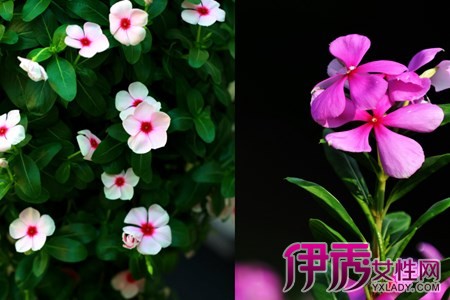
Every flower has a flowering period, and blossoms are exceptionally beautiful when in bloom. Every girl loves beautiful fresh flowers, and different flowers have different flower meanings. Madagascar periwinkle, also known as golden marigold, is characterized by large blooms and vivid colors. Compared with many plants whose flowering period lasts only two or three months, this flower's flowering period is very long, blooming almost all year round. It is precisely for this reason that many households like to grow this plant as a houseplant.
This flower blooms continuously; each flush of flowers lasts 3 to 5 days, and after fading it will bloom again. With its profusion of blossoms and vivid form, Madagascar periwinkle has won widespread affection. This flower is not only suitable for home growing but even more suited to outdoor planting. Below, the editor will explain in detail the cultivation methods and tips for this flower!
This flower likes warm sunlight, so when growing it at home it can be placed on a balcony. With sunlight, its flowers will bloom even more brilliantly. Temperatures that are too low are unfavorable to its growth, so in cold winter it should be moved indoors. When growing this plant, to make it grow more lush and leafy, it must be fertilized and watered regularly; reasonable care is an important condition for promoting its healthy growth.
Most Madagascar periwinkle plants are grown from seedlings; select small Madagascar periwinkle seedlings for cultivation, and afterward beautiful, vivid Madagascar periwinkle flowers will grow. Besides seedling cultivation, this plant can also be propagated by cuttings. Choose larger Madagascar periwinkle seedlings for cuttings, then care for them carefully, and the plant will survive. This plant likes warm sunlight, and in spring and autumn it can meet this plant's growth needs. In the hot summer, when temperatures are too high, this plant should not be exposed directly to scorching sun.
Madagascar periwinkle not only has ornamental value; this plant is also a medicinal herb, and when applied in clinical settings it has very powerful effects. The most prominent effects of this medicinal herb are lowering blood pressure, calming and soothing the nerves; in addition, it also has anti-tumor effects. Relevant researchers have conducted experiments, and the alkaloids isolated from the Madagascar periwinkle plant, when applied clinically, have a very obvious inhibitory effect on tumors.
How to sow Madagascar periwinkle, and what should be noted when sowing Madagascar periwinkle?
In our lives, we often see Madagascar periwinkle in roadside flowerbeds, parks, indoor balconies and other public places. It is a flowering plant used in modern landscaping, and its flowers come in very many colors and are very vivid, looking very cute and especially endearing. So many people like to grow Madagascar periwinkle at home, but they still do not know how to sow Madagascar periwinkle, or what to note when sowing Madagascar periwinkle. Below, the editor will introduce how to sow Madagascar periwinkle and what to note when sowing it.
[Introduction to Madagascar periwinkle]
Madagascar periwinkle is also known by names such as golden marigold herb, daily new, three myriads flower, wild goose head red and four seasons spring. It is a perennial herbaceous plant, and in the Taiwan region of China multiple varieties of Madagascar periwinkle have been bred; during breeding, the larger the flower of the Madagascar periwinkle, the more it tends to dominate. It not only has good ornamental value but also has certain value as a Chinese herbal medicine. Using the whole plant as medicine can relieve pain, reduce inflammation, aid sleep, relax the bowels and promote urination. Madagascar periwinkle also contains certain components that can treat cancer and have anti-tumor effects. Its milky sap contains alkaloids, which if extracted can be used as an important medicine to treat various cancers, leukemia, Hodgkin's disease and so on. Madagascar periwinkle also has quite a few flowers, a particularly long flowering period and fairly luxuriant blooming. In spring and autumn it blooms without interruption, so it is called daily spring.
[Growth habits of Madagascar periwinkle]
Madagascar periwinkle is a perennial herbaceous plant with a very long flowering period. Madagascar periwinkle likes to grow in hot, humid, semi-shaded environments. It is not tolerant of severe cold, and grows best at temperatures of 20-33°C. It likes ample sunlight but dislikes moisture and fears waterlogging. It can be cultivated in ordinary soil, but saline-alkaline soil is not suitable for its growth. The soil should be well-draining, airy and breathable sandy soil, and soil rich in humus is suitable. It has flowering and fruiting periods in all four seasons of the year, and precisely because of this it is very popular with people.
[How to sow Madagascar periwinkle]
1. Sowing Madagascar periwinkle — propagation: Madagascar periwinkle is generally grown from seed, and can also be propagated by cuttings. Madagascar periwinkle seeds should be collected as they ripen; the most suitable temperature for Madagascar periwinkle germination is 20-25°C, and it is generally grown as an annual. If using cuttings, this can be done from April to July, but few people use cuttings because the growth is not as good as that from seedlings.
2. Sowing Madagascar periwinkle — timing: sowing generally begins around March to May, and seedlings can be started in early spring. The most suitable temperature is 20°C, and cultivation can be carried out in the relatively warm spring.
3. Sowing Madagascar periwinkle — soil: it is best to use peat and perlite mixed at a ratio of 3:1, and leaf mold can also be used. Use fertile, loose, well-draining sandy soil or humus soil, or soil tolerant of poor fertility, but saline-alkaline soil must not be used. Clay soil with poor air permeability will cause poor plant growth, yellowing leaves, and even failure to bloom. Before cultivation, sterilize with about 500-600 times diluted carbendazim solution, and place the potted container in a south-facing, sunny position.
4. Sowing Madagascar periwinkle — sunlight: Madagascar periwinkle likes to grow in an environment with ample sunlight, so that its leaves can be verdant and glossy, and the flowers can open even more vividly. If it is grown in a relatively shady place, pest and disease problems and yellowing leaves will occur.
5. Sowing Madagascar periwinkle — temperature: when growing Madagascar periwinkle, maintain a warm growing environment. From March to July, temperatures of 18-24°C are most suitable; from September to the following year in month - the temperature should be kept at 13-18°C; in winter the temperature must not be lower than 10°C, and cold protection preparations should be made to avoid the plant being frostbitten or frozen to death.
6. Sowing Madagascar periwinkle — watering: during the process of growing Madagascar periwinkle, it should not be watered too much; it relatively dislikes moisture and fears waterlogging, and water accumulation will cause root rot and prevent normal growth and flowering. In winter, watering must be strictly controlled; dryness is most suitable, otherwise Madagascar periwinkle may freeze to death. If grown in open ground, pay attention to drainage during the rainy summer to avoid water accumulation causing the death of Madagascar periwinkle.
7. Sowing Madagascar periwinkle — fertilizing: Madagascar periwinkle's growth does not have particularly strict fertilizer requirements. During the growing period, fertilize about once a week, using compound fertilizer and liquid fertilizer. When planting, a layer of base fertilizer can be applied at the bottom of the pot, which ensures that the plant has enough nutrients for growth.
8. Sowing Madagascar periwinkle — pruning: when growing Madagascar periwinkle, pay attention to pruning to prevent the plant from growing too tall, which would affect ornamental value and flowering. Regularly pinch off the growing tips to encourage more branching and more luxuriant flowering. After the flowering period, prune away spent flowers and dead branches to encourage a second round of blooming.
9. Sowing Madagascar periwinkle — pest prevention: Madagascar periwinkle itself contains certain toxins and has a certain pest-prevention effect. When raising seedlings, it may encounter damping-off, tea moth, red spider mite, gray mold, aphids and other pest and disease problems. To avoid these problems, place it in a ventilated, airy spot, do a good job of drainage and loosening the soil, avoid rain exposure, and when pests and diseases are found, treat them according to the symptoms and handle them promptly, along with the harm that watering can do to Madagascar periwinkle.
[What to note when sowing Madagascar periwinkle]
When sowing Madagascar periwinkle, following what the editor has introduced, you can grow Madagascar periwinkle very well. Growing Madagascar periwinkle does not require spending too much effort; with just a little care it is very easy to grow. Its ornamental value is very good, so be sure to take good care of its growth.
More related information: How to grow cactus Pansy How to grow money tree Fuchsia
How to sow Madagascar periwinkle, and what should be noted when sowing Madagascar periwinkle?
Madagascar periwinkle is very common in our lives. Today we will share with everyone how to sow Madagascar periwinkle and what to note when sowing it.
Introduction to Madagascar periwinkle
Madagascar periwinkle is also known by names such as golden marigold herb, daily new, three myriads flower, wild goose head red and four seasons spring. It is a perennial herbaceous plant, and in the Taiwan region of China multiple varieties of Madagascar periwinkle have been bred; during breeding, the larger the flower of the Madagascar periwinkle, the more it tends to dominate. It not only has good ornamental value but also has certain value as a Chinese herbal medicine. Using the whole plant as medicine can relieve pain, reduce inflammation, aid sleep, relax the bowels and promote urination. Madagascar periwinkle also contains certain components that can treat cancer and have anti-tumor effects. Its milky sap contains alkaloids, which if extracted can be used as an important medicine to treat various cancers, leukemia, Hodgkin's disease and so on. Madagascar periwinkle also has quite a few flowers, a particularly long flowering period and fairly luxuriant blooming. In spring and autumn it blooms without interruption, so it is called daily spring.
Growth habits of Madagascar periwinkle
Madagascar periwinkle is a perennial herbaceous plant with a very long flowering period. Madagascar periwinkle likes to grow in hot, humid, semi-shaded environments. It is not tolerant of severe cold, and grows best at temperatures of 20-33°C. It likes ample sunlight but dislikes moisture and fears waterlogging. It can be cultivated in ordinary soil, but saline-alkaline soil is not suitable for its growth. The soil should be well-draining, airy and breathable sandy soil, and soil rich in humus is suitable. It has flowering and fruiting periods in all four seasons of the year, and precisely because of this it is very popular with people.
How to sow Madagascar periwinkle
1. Sowing Madagascar periwinkle - propagation: Madagascar periwinkle is generally grown from seed, and can also be propagated by cuttings. Madagascar periwinkle seeds should be collected as they ripen; the most suitable temperature for Madagascar periwinkle germination is 20-25°C, and it is generally grown as an annual. If using cuttings, this can be done from April to July, but few people use cuttings because the growth is not as good as that from seedlings.
2. Sowing Madagascar periwinkle - timing: sowing generally begins around March to May, and seedlings can be started in early spring. The most suitable temperature is 20°C, and cultivation can be carried out in the relatively warm spring.
3. Sowing Madagascar periwinkle - soil: it is best to use peat and perlite mixed at a ratio of 3:1, and leaf mold can also be used. Use fertile, loose, well-draining sandy soil or humus soil, or soil tolerant of poor fertility, but saline-alkaline soil must not be used. Clay soil with poor air permeability will cause poor plant growth, yellowing leaves, and even failure to bloom. Before cultivation, sterilize with about 500-600 times diluted carbendazim solution, and place the potted container in a south-facing, sunny position.
4. Sowing Madagascar periwinkle - sunlight: Madagascar periwinkle likes to grow in an environment with ample sunlight, so that its leaves can be verdant and glossy, and the flowers can open even more vividly. If it is grown in a relatively shady place, pest and disease problems and yellowing leaves will occur.
5. Sowing Madagascar periwinkle - temperature: when growing Madagascar periwinkle, maintain a warm growing environment. From March to July, temperatures of 18-24°C are most suitable; from September to the following year in month - the temperature should be kept at 13-18°C; in winter the temperature must not be lower than 10°C, and cold protection preparations should be made to avoid the plant being frostbitten or frozen to death.
6. Sowing Madagascar periwinkle - watering: during the process of growing Madagascar periwinkle, it should not be watered too much; it relatively dislikes moisture and fears waterlogging, and water accumulation will cause root rot and prevent normal growth and flowering. In winter, watering must be strictly controlled; dryness is most suitable, otherwise Madagascar periwinkle may freeze to death. If grown in open ground, pay attention to drainage during the rainy summer to avoid water accumulation causing the death of Madagascar periwinkle.
7. Sowing Madagascar periwinkle - fertilizing: Madagascar periwinkle's growth does not have particularly strict fertilizer requirements. During the growing period, fertilize about once a week, using compound fertilizer and liquid fertilizer. When planting, a layer of base fertilizer can be applied at the bottom of the pot, which ensures that the plant has enough nutrients for growth.
8. Sowing Madagascar periwinkle - pruning: when growing Madagascar periwinkle, pay attention to pruning to prevent the plant from growing too tall, which would affect ornamental value and flowering. Regularly pinch off the growing tips to encourage more branching and more luxuriant flowering. After the flowering period, prune away spent flowers and dead branches to encourage a second round of blooming.
9. Sowing Madagascar periwinkle - pest prevention: Madagascar periwinkle itself contains certain toxins and has a certain pest-prevention effect. When raising seedlings, it may encounter damping-off, tea moth, red spider mite, gray mold, aphids and other pest and disease problems. To avoid these problems, place it in a ventilated, airy spot, do a good job of drainage and loosening the soil, avoid rain exposure, and when pests and diseases are found, treat them according to the symptoms and handle them promptly, along with the harm that watering can do to Madagascar periwinkle.
What to note when sowing Madagascar periwinkle
When sowing Madagascar periwinkle, following what the editor has introduced, you can grow Madagascar periwinkle very well. Growing Madagascar periwinkle does not require spending too much effort; with just a little care it is very easy to grow. Its ornamental value is very good, so be sure to take good care of its growth.
How to sow Madagascar periwinkle and what to note when sowing it - we have shared the above points with everyone, and hope this article is helpful to you. Good luck to everyone.