Master the pothos water propagation method and it will grow lush even in water
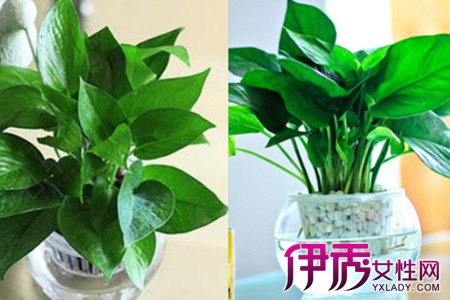
Pothos is a very popular plant in offices, and many people like to put a pot of pothos on their desk. When your eyes get tired, looking at green plants can relieve eye fatigue, which is very good for the eyes. The water propagation method for pothos is not difficult at all. First, you need to find a beautiful vase, then wash it clean, and then put clean water in the bottle.
Put the selected pothos into the bottle in order, but do not put the whole thing in. Just let the roots touch the water. However, do not use cuttings that are too tender, as such stems rot easily. Also, when choosing water, do not use rice-washing water, because pothos cannot grow roots in such water. It also easily causes the leaves to turn yellow.
After placing it in water, you can put the vase on the desk, and do not let direct sunlight hit it. After about a week, small thin white roots will grow. Then change the water about every 3-5 days, but each time you change the water, you must rinse the roots of the pothos.
After rinsing, replace the water in the glass vase with fresh water, and wash the vase clean before changing the water. Over time, the roots may turn a bit black. If so, add some nutrient solution to the water, about 500ml is enough, and then the roots will return to normal. It will also grow more lushly and become very green, which looks very nice on a desk.
You can also put two small fish in the water, which is very beautiful, and the small fish can also help clean the water. The effect is very good. When it grows very long, you can propagate new pothos from it. In this way, after a year you can spread it into several pots of pothos, and it also looks very nice placed at home.
Quickly learn the method of water-propagating pothos
Pothos is known as the king of absorbing toxic gases, and is deeply loved by friends who are renovating their homes. The dark green color and rounded leaves of pothos can also add a sense of beauty to a room. We usually see people placing a few pots of pothos on windowsills or desks in offices or at home, which is pleasing to the eye. Pothos grows fast and is easy to keep, so if you like it, you can grow a pot of pothos yourself from cuttings. Pothos can be grown in soil or in water. Here I can provide friends with a method to quickly learn water propagation of pothos, which is also successful experience I have tried.
Key points of this article
One pot of pothos, one pair of scissors, one shallow-mouthed flower pot, tap water
Choose a pot of vigorously growing pothos, use clean scissors to cut several stems diagonally along the pothos stems, and rinse off the dust on the leaves with clean water.
Divide each stem into several sections, and note that each section of stem must have an outward-protruding bud, so as to ensure that each section can take root and sprout.
Put a small amount of tap water in a shallow-mouthed flower pot, place the pothos evenly in the pot with water, and check and make sure that the protruding buds on the pothos stems are submerged in the water.
After about a week, the protruding buds on the pothos stems break through the bud skin, reveal white buds, and slowly extend out a slender, white, tender fibrous root.
After the roots grow out, this means a new pot of pothos has been successfully propagated. Of course, when there is little water, you need to add an appropriate amount of water to provide sufficient moisture for the vigorous growth of the pothos, and do not place it in a spot with harsh direct sunlight.
The above is the water propagation method. If water propagation is successful, then when the branches and leaves become lush, you can transplant it, and you will admire pot after pot of beautiful pothos.
Understand how to grow pothos, and when growing flowers you will never again have yellow leaves, dry withered plants, or rotten roots
Pothos does not have very high requirements for the growing environment. As long as you master the growing methods that pothos itself needs, your pothos will become very lush. First, when choosing a new flower pot, pay attention to choosing one with several more holes at the bottom. Pothos itself is a plant that likes water. More holes provide good ventilation, and the pothos can absorb the water in the saucer by itself.
After finding a suitable pot, you need suitable flower soil, not stiff loess mud. Loess itself is very stiff and has a great impact on pothos taking root. If the roots do not grow well, it is hard for the leaves to become lush. The kind of soil under trees where leaves have rotted and fermented is very good, very suitable for pothos growth, and it is also very loose.
After putting the soil into the flower pot, you can insert the selected pothos stems into the pot as cuttings, inserting them in a circle, so that after they grow long they can be placed in a high spot, very beautiful, just like spider plants. After planting, you must water thoroughly, because once pothos is away from water, its leaves quickly turn yellow and dry up.
After watering, you can place the pothos indoors, because at the beginning of cuttings it has not yet grown roots, so do not expose it to too strong sunlight, otherwise the leaves may easily become limp. Water about once every 1-2 days, so that the pothos can grow faster. Pothos can also be grown in water, which is also a good method, but when water-propagating, you must pay attention to changing the water.
When growing in water, you must not use rice-washing water, as it will prevent the pothos roots from growing and may even cause rot. Growing it in water also looks very beautiful. Placed on a table at home, you can even keep two small fish in it. These are both methods for growing pothos.