How to Grow Snake Plants: Let Your Houseplants Thrive and Multiply
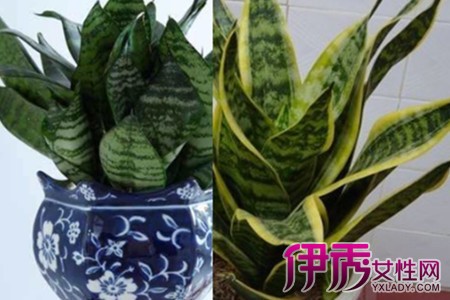
If you want to grow a snake plant well, you should first know the habits of this plant. Snake plants like heat and are not afraid of sun exposure, so to grow one well you should first ensure it gets plenty of sunlight and warmth. If the room is rather cold in winter, you can wrap it in plastic film, and once the coldest weather has passed, take the plastic film off.
Snake plants like moisture, but their roots can store a certain amount of water, so do not water them too much or too often. Wait until the surface of the soil is dry before watering again. The tips of snake plant leaves tend to turn yellow; this is a sign of drought, so you can use a spray bottle to mist it once or twice a day.
Snake plants do not need much fertilizer; you just need to make sure the soil is loose and breathable. Using a nutrient solution once every three months to half a year is enough. Too much fertilizer is hard for the plant to absorb and will burn the roots. Snake plants do not attract pests, but weeds tend to grow thickly in the pot, so you must remove the weeds promptly. This is because weeds will compete with the snake plant for nutrients and living space, and then the snake plant will grow slowly.
Snake plants propagate quickly. If you let them keep growing in one pot, after a year they will show signs of malnutrition. So every spring you should divide them. When dividing, do not damage the main roots; separate them one by one slowly. Then find suitable pots and well-aerated soil and plant them separately. Newly divided snake plants should not be put in the sun right away; wait until they have adjusted after a week, then place them somewhere with sunlight.
Learn How to Propagate Snake Plants by Cuttings: Making More Houseplants Is This Simple
If you want to take cuttings from a snake plant, you must select side shoots from a large snake plant about one year old. After choosing them, start preparing pots and potting soil. Snake plants like soft potting soil and pots with good breathability. Once everything is ready, we begin taking the cuttings. First separate the young plants from the mother plant, then plant them in the prepared pots.
Newly planted snake plants must be placed in a spot without sunlight. In the first few days the snake plant will wilt and the leaf tips will turn yellow. Once it is no longer wilting, that proves it has successfully rooted, and at this point it can be placed in a spot with partial sunlight. Although snake plants like warmth, they do not like direct sunlight, so it is enough for them to receive sunlight in the morning and evening.
The roots of snake plants can store some water, so there is no need to water them often. In summer when there is a lot of rain, watering once every three to five days is enough; in dry weather you can water every day. In winter, water once every two to three days. This will ensure the healthy growth of newly planted snake plants.
Snake plants are very afraid of cold, so you must keep the indoor temperature at around 20 degrees. If the temperature is too low or too high, they will stop growing. If the temperature drops suddenly in winter and you cannot maintain the indoor temperature, you can wrap the snake plant in plastic film, and once the coldest weather has passed, remove the plastic film.
How to Grow the Potted Houseplant Snake Plant
How to Grow the Potted Houseplant Snake PlantThe snake plant, also known as tiger tail sansevieria or thousand-year plant, Latin name: Sansevieria trifasciata Prain, is a perennial evergreen herbaceous plant of the Liliaceae family and the genus Sansevieria. Its rhizome grows in a creeping manner, and it has no stem. The plant can reach about 1 m in height. The leaves grow in clusters and are upright, thick and leathery, with irregular dark green cloud-like horizontal stripes on both sides, which is how it got the name "tiger tail." It has horizontal root-like stems. The leaves are basal, usually 1-2, sometimes 3-6 in clusters, upright, hard and leathery, and flat. However, when grown at home it usually does not bloom, and it is mainly grown for its foliage.
How to Grow Snake Plants
1. Soil: Snake plants require loose soil with strong breathability, so when mixing soil for snake plants, be sure to use 2/3 leaf mold plus 1/3 garden soil. Remember that the soil must be loose and breathable, otherwise water will not evaporate easily, causing the rhizome to rot. You can also mix 3 parts fertile garden soil with 1 part cinder, then add a small amount of soybean cake or chicken manure as a base fertilizer.
2. Light: Keep the light sufficient. Snake plants rather like sunlight, so they should be placed outdoors in a spot with sunlight. But at noon in summer the sunlight is too strong, so some shading should be provided. When placed indoors, they should be put near a window so they can fully receive sunlight. If they cannot get sunlight for a long time, the leaves will turn yellow and dull. However, if they have been placed indoors in a spot without sunlight for a long time and are to be moved into the sunlight, there should be a gradual process; they cannot be moved directly into the sun.
3. Temperature: They should grow in a warm environment. Snake plants like warmth and are suitable for growing at temperatures of 16°C-30°C. Below 13°C they stop growing. In winter, the lowest temperature should not be lower than 10°C, otherwise the base of the plant will rot and the whole plant will die. Therefore, certain frost protection measures should be taken in winter. Generally, below 5°C cold damage will occur. You can place it in the sunlight to increase the plant's temperature.
4. Watering: In spring and summer, keep the potting soil moist, but there must be no standing water. In autumn and winter, water only after the potting soil has completely dried out. In daily care, you can wash the leaf surface with water to keep the plant looking nice and to help it grow better. When the winter temperature is below 10°C, do not water, so as to avoid cold damage. Watering should be done in the morning or evening.
5. Fertilizing: Fertilize sparingly. Snake plants do not have high fertilizer requirements. When planting, you can add a small amount of base fertilizer to the soil, and in daily care fertilizing once a month is enough. During the growing season, it can be fertilized one additional time. It is best to use a compound fertilizer.
6. Propagation: Division and cuttings can be used for propagation. All varieties of snake plants can use the division method, generally carried out together with repotting in spring. The method is to cut overly dense leaf clusters into several clumps; each clump should have, in addition to leaves, a section of rhizome and an offset, and they can be planted separately in pots. For varieties of snake plants with yellow edges or silver veins, use the cutting method. It can be done when the temperature is above 15°C. The method is to take a leaf 5-10 cm long, let it dry slightly, then insert it into sand. When taking cuttings, they must not be placed upside down. After cuttings are taken, spray with Xinguozhimu (new high lipid film). On the plant surface, it can prevent infection by pathogens, improve resistance to natural disasters, and increase the intensity of photosynthesis. Be careful to maintain a certain humidity, and after one month they will be able to take root.