Detailed Guide to Bowl Lotus Planting Methods and Daily Care Precautions
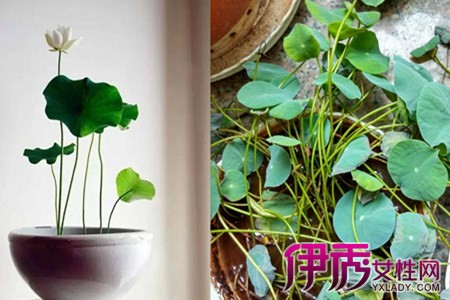
Bowl lotus likes sufficient sunlight but is not tolerant of shade. Today this plant has become a favorite of many flower and plant growers, and many people very much like to grow this plant at home. Bowl lotus planting generally uses seed sowing. Its seeds are relatively hard, and when sowing, the seeds must also be treated accordingly to increase their germination rate. Bowl lotus seeds have two ends, one pointed and one round. Use a knife to cut a small opening on the round end.
Soak the bowl lotus seeds with the cut opening in warm water. After soaking for two days, observing again will reveal that the opening end already shows signs of germination. After soaking for two days, change the water. Generally after five days, the bowl lotus seeds will grow green sprouts.
After the bowl lotus successfully germinates, it must be transplanted as a seedling. When transplanting it, a relatively large container pot should also be selected. Before transplanting, it is best to spread a small amount of soil in the container, as this will be more beneficial to its growth. When transplanting the seedling, according to personal preference, some beautiful sand purchased from a flower shop can be placed inside, which will increase its ornamental value.
The planting method of bowl lotus is very simple. The most important thing in growing this hydroponic plant is seed treatment. When treating the seeds, the movements must be gentle, and the embryo buds of the plant must not be damaged. When soaking to promote germination, warm water must be chosen. Warm water is more beneficial to its growth, while water that is too cold will cause the germination rate of the seeds to be slow.
Through careful cultivation, beautiful and elegant bowl lotus can be grown. The method of growing this plant is certainly simple, but in subsequent management, strict control must be exercised. Bowl lotus is an aquatic plant, and its growth cannot be separated from water. The quality of the water is even more related to its reproduction. When carrying out care, its water quality must be strictly controlled. This plant likes heat and is not tolerant of shade. In the cold winter, it should be placed indoors, and anti-freezing measures should be taken.
Precautions for Bowl Lotus Planting
1. Light
During the care of bowl lotus, it cannot be kept indoors for a long time, otherwise it will grow slowly, so it should receive more light outdoors, and in this way the plant will grow more vigorously.
2. Fertilization
Bowl lotus likes fertilizer. Plants lacking fertilizer will lack vitality. Before planting, a small amount of decomposed cake fertilizer and other base fertilizer should be added. Although bowl lotus likes fertilizer, do not overdo it. Adding base fertilizer during cultivation is enough to meet its growth needs.
3. Pruning
During the vigorous growth period of bowl lotus, the leaves are dense, which will affect the plant's growth and flowering, so some leaves should be properly cut off to promote plant growth.
Bowl Lotus Planting Methods, Bowl Lotus Cultivation Methods and Precautions
Bowl lotus is a very beautiful courtyard potted aquatic plant, also called bowl lotus or pot lotus. It is a lotus grown in a bowl, specially used for display on indoor tables to beautify the home environment. Below is a summary of the planting methods and cultivation precautions for bowl lotus.
Bowl Lotus Planting Method: Sowing TimeLotus seeds have no dormancy period. As long as the water temperature can be kept above 16°C, they can be sown in all four seasons. Under suitable conditions of temperature and light, lotus seeds take 50-60 days from sowing to flowering in spring and 60-80 days in autumn.
1. Seed treatmentThe outer shell of lotus seeds is hard and dense, so artificial opening must be carried out before soaking the seeds. One end of the lotus seed has a small protruding tip, and the other end has a small concave dot. Rub the end with the small concave dot on rough cement ground until it breaks, or use pliers to crack a small opening. Be careful not to damage the seed embryo, and do not remove the shell.
2. Soaking seeds to promote germinationA summer water temperature of 20°C-30°C is very suitable for lotus seed germination. Depending on the number of seeds, use a bowl or basin to hold water, with enough to submerge the seeds. Place indoors and change the water twice a day. They can germinate within 1 week. After sprouting, place in a sunny spot, strengthen light exposure, and do not let them lack water. After 2 weeks, fine roots and 2 to 3 young tender small lotus leaves grow. When the leaves are coin-shaped and the root system has formed, they can be transplanted separately.
3. Transplanting sprouted seedlingsChoose a bottomless ceramic pot or plastic flower pot with a diameter of 18 cm to 30 cm. Add half a pot of garden soil or river-pond mud without chemical pollution. Add water two weeks in advance to soak, and do not fertilize. When transplanting, press the fine roots of the small lotus seedling into the mud, one plant per pot. After transplanting, add an appropriate amount of water, with the water level not submerging the small lotus leaves.
4. Autumn and winter managementTwo to three weeks after transplanting, when it enters the vigorous growth period, if the leaves turn yellow, a small amount of nitrogen, phosphorus, and potassium compound fertilizer can be applied as a top dressing, applied thinly and frequently. Lotus likes warmth and light and is not tolerant of shade. When the outside temperature is below 16°C, growth slows down, and it should be moved into a sunlight greenhouse.
Precautions for Bowl Lotus CultivationBefore planting lotus seeds, the seed coat needs to be opened first. The seed coat needs to be opened at the end with the dent, the butt end. You can rub it on cement ground, or use pliers to rub open the seed coat at the butt end until the seed coat is worn through and the dark brown embryo coat inside is visible. Do not damage the seed embryo inside.
After opening the seed coat, place the seeds in water to soak. They can be placed in sunlight for exposure, while also paying attention to replenishing water. The water needs to be changed 2 times a day. At a temperature above 20°C, they can sprout in about 3 days. After sprouting, another 1/3 of the seed coat can be peeled off to better absorb water. After roots emerge, move them to a container for planting.
When duckweed and green algae plants appear in the pot, they not only rob nutrients but also hinder viewing, and they block light and lower the water temperature, so they should be removed cleanly. In addition, aquatic weeds that grow should be carefully pulled out. Once bowl lotus rot disease and brown spot disease appear, immediately remove and burn them, then spray the plant with 50% carbendazim or 500-times dilution of ethirimol, once a week, for about three consecutive sprays. In late spring and mid-autumn, aphids cause damage rampantly, and 800 to 1000-times dilution of 40% dimethoate emulsion can be used for spraying.