Techniques for growing Chinese roses: a few simple points to teach you
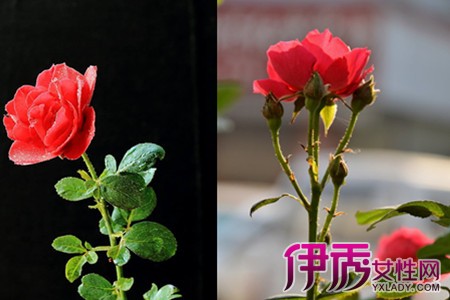
The Chinese rose is very beautiful. It is also called "monthly red" and is even called the "queen of flowers." The Chinese rose is not tall, but it blooms every year and every month. There are bright red, pink, rose red, yellow, white, and so on. It is not as delicate as the multiflora rose, nor as dazzling as the rose. They always bloom in masses, forming a "sea" of flowers in the yard. How many girls would not wish to have a garden with a patch of Chinese roses blooming like this?
Besides ornamental value, the Chinese rose also has medicinal value. It can be soaked in water to drink, used as an ingredient in dishes, used as a medicinal guide, and so on, because it has the effects of promoting blood circulation and reducing swelling, reducing inflammation and detoxifying, and beautifying the face. Chinese roses can be planted in patches or in pots, and they are also very convenient to grow.
The first thing is the choice of soil. The soil for planting Chinese roses must be soft sandy soil. Whether planted directly in the ground or in pots, properly fertile soil is needed. Therefore, we can mix appropriate fertilizer, wood chips, and so on into the soil where the Chinese roses are about to be planted.
Then transplant the Chinese rose seedlings bought back. Generally, the roots of seedlings bought from the market are wrapped. There is no need to shake it off. Directly and gently take the whole clump out and put it into the soil hole (the soil wrapping the roots is the fertilizer wrapped by the grower who cultivated the seedlings), cover it with soil, and water it thoroughly.
Next, find a way to help it survive smoothly and sprout. You must clearly know what the Chinese rose lacks. Whatever element it lacks, apply fertilizer with that element. Pay attention to pruning the branches. Cut off crooked and slanted branches so that good branches can absorb sufficient nutrients.
Finally, pay attention to removing diseases and pests for it. Because the Chinese rose has dense branches and leaves, it is relatively prone to illness and insects (such as green worms, aphids, black spot disease, and so on). Therefore, pay attention to applying some liquid medicine and supplementing appropriate elements. At the same time, pay attention to pruning the Chinese rose, not only to make its shape look better, but also to increase air circulation between the Chinese roses and prevent pests.
Multiflora rose Rosa multiflora Multiflora rose guide: how to grow multiflora rose / how to propagate multiflora rose
Multiflora rose profileMultiflora rose Rosa multiflora
How to grow multiflora rose and precautions Introduction to multiflora rose
Multiflora rose (scientific name: Rosa multiflora), also called wild rose, is a deciduous shrub. It is a plant in the genus Rosa (Rosa). Its form is upright, climbing, or trailing. The stems of the plant usually have prickles, the leaves are alternate, and it has odd-pinnately compound leaves. It is mainly distributed in temperate, subtropical, and tropical mountainous regions of the Northern Hemisphere. The multiflora rose is a small vine that climbs fences. The flower disc surrounds the mouth of the hypanthium. There are single-petaled and double-petaled distinctions. The colors include red, pink, white, yellow, and many others. It is very beautiful and opens in early summer. The leaves are alternate, odd-pinnately compound. It is cold-resistant, and there are wild forms. It can be propagated by layering or grafting and other planting methods. Multiflora rose can be used medicinally, and the multiflora rose porridge made from it has good nutritional value. Different colors have different flower meanings, such as red multiflora rose representing passionate love; pink multiflora rose representing a vow of love.
Morphological characteristics of multiflora rose
Deciduous shrub. The plant is clustered, spreading or climbing. The branchlets are slender, not upright, mostly covered with prickles, and hairless. Leaves are alternate, odd-pinnately compound. Leaflets number 5-9, obovate or elliptic, with acute tips, sharply serrate margins, and short pubescence on both sides. The leaf rachis and petiole both have short pubescence or glandular hairs. The stipules are connate with the base of the leaf rachis, with pectinate divisions at the margin and glandular hairs. Many flowers are clustered into paniculate corymbs. There are many flowers, with a flower diameter of 2-3 cm. There are 5 petals, with slightly concave tips. Wild multiflora roses are single-petaled, and there are also double-petaled cultivated varieties. The flowers are red, white, pink, yellow, purple, black, and other colors, with red being the majority. Yellow multiflora rose is a superior variety and is fragrant. It blooms once a year, with a flowering period from May to June. The fruit is nearly spherical, reddish brown or purplish brown, about 6 mm in diameter, smooth and hairless.
Distribution area of multiflora rose
The genus has about 200 species in total, widely distributed in the cold temperate to subtropical regions of Asia, Europe, North Africa, and North America. China has 82 species.
In literary works, daily life, and spoken language, when Chinese people refer to multiflora rose, they generally mean Rosa hugonis and wild Rosa multiflora. Strictly speaking, except for a few roses and Chinese roses, all plants in the genus Rosa are called multiflora roses, and each kind of multiflora rose has an adjective before it, such as dwarf multiflora rose, Tibetan border multiflora rose, many-glandular small-leaf multiflora rose, and so on. This genus has about 200 species worldwide, with numerous varieties and great variation. There are many variants and horticultural cultivated species, mostly produced in temperate, subtropical, and tropical mountainous regions of the Northern Hemisphere.
Ecological habits of multiflora rose
Multiflora rose likes sunlight and also tolerates partial shade. It is relatively cold-resistant and can overwinter outdoors in most areas of northern China. It has low requirements for soil and tolerates drought and barren conditions, but it grows better when planted in deep, loose, fertile, moist soil with good drainage. It can also grow normally in heavy clay soil. It does not tolerate waterlogging and avoids standing water. When new plants are planted, decomposed organic fertilizer should be applied. In the first one or two years after frost planting, a base fertilizer can be applied once each late autumn in a trench to facilitate growth and flowering. It has strong sprouting ability, tolerates pruning, and resists pollution. The flowering period is generally from April to September each year, opening in sequence and lasting up to half a year. Due to global warming caused by the greenhouse effect, multiflora roses in some places begin to bloom as early as April, or even March.
Introduction to the genus and species of multiflora rose
This genus is one of the world's famous ornamental plants and is commonly cultivated in gardens. Multiflora roses in China have a long history of cultivation. As far back as 1630, Wang Xiangjin wrote Qunfang Pu; in 1688, Chen Wuzi wrote Michuan Huajing; and in 1708, Wang Hao wrote Guang Qunfang Pu. There were already records of varieties such as multiflora rose, Chinese rose, rose, and banksia rose. Before the 18th century, European roses had only a few species such as Rosa gallica L., Rosa centifolia L., and Rosa damascena Mill., but lacked varieties that bloomed in all four seasons and also lacked yellow-flowered varieties. After Chinese roses were introduced to Britain and France between the 18th and 19th centuries, they were highly valued by Westerners. They used Chinese roses and the original varieties for hybridization and repeated backcrossing, cultivating many beautiful new varieties. Rosa plants native to China, especially R. chinensis Jacq., R. odorata Sweet, R. multiflora Thunb., R. wichuriana Crép., and R. rugosa Thunb., played important roles in creating modern new rose varieties. Plants of the genus Rosa have pleasant floral fragrance, and many species can be used to extract precious aromatic oils. Commonly used varieties are R. damascena, R. rugosa, R. davurica, wild R. multiflora, and so on. After the fruit matures, it tastes sweet and sour and is edible, is rich in vitamin C, and is an important medicine for treating cardiovascular diseases, among which large-fruited types such as R. rugosa, R. roxburghii, R. davurica, R. bracteata, and R. sericea are the most famous. In addition, in this genus, R. chinensis (flowers, leaves, roots), R. rugosa (petals), R. laevigata (fruit, leaves, roots), R. cymosa (roots), R. davidii (fruit), R. roxburghii (fruit, roots), wild R. multiflora (leaves, flowers, fruit, roots), and R. bracteata (flowers, fruit, roots) are all commonly used Chinese herbal medicines in various regions, each with special effects. Overview of the classification system of the genus Rosa. Subgenus 1. Subgen. Hulthemia (Dumort.) Focke: simple leaves, no stipules; flowers solitary; hypanthium urn-shaped, with many prickles. (Species 1) Subgenus 2. Subgen. Rosa: pinnately compound leaves, with stipules; flowers often in corymbose inflorescences or solitary; hypanthium urn-shaped, rarely cup-shaped. Section 1. Sect. Pimpinellifoliae DC.: upright shrubs, branches often with upright prickles or needles; leaflets 7-9, rarely 15-17, often small; stipules narrow, adnate to the petiole, with auricles; flowers solitary, without bracts; sepals entire, upright, persistent; styles free, not exserted. Series 1. Ser. Spinosissimae Yu et Ku: sepals and petals both in 5s, flowers usually yellow, rarely white or pink. (Species 2-13) Series 2. Ser. Sericeae (Crep) Yu et Ku: sepals and petals both in 4s, flowers white, rarely pale yellow. (Species 14-19) Section 2. Sect. Rosa: low shrubs, with curved prickles and needles; stipules narrow, adnate to the petiole; leaflets 3-5, very rarely 7; flowers several or solitary; sepals often split at the tip, reflexed after flowering, deciduous; styles free, not exserted. (Species 20-23) Section 3. Sect. Cinnamomeae DC.: upright shrubs, with scattered or paired prickles, often with needles; leaflets 5-15; stipules broad or narrow, adnate to the petiole; flowers often several, rarely solitary, with broad bracts; sepals often entire, upright after flowering, persistent, rarely deciduous; styles free, not exserted or slightly exserted. Series 3. Ser. Beggerianae Yu et Ku: the upper part of the receptacle falls off together with the sepals, disc, and styles after the fruit matures. (Species 24-27) Series 4. Ser. Cinnamomeae Yu et Ku: sepals and disc persistent after the fruit matures; leaflets 1.5-7 cm long, mostly acute at the tip; flowers mostly corymbose, or few-flowered, rarely solitary. (Species 28-45) Series 5. Ser. Webbianae Yu et Ku: sepals and disc persistent when the fruit matures; leaflets less than 1.5 cm long, very rarely up to 2 cm; flowers solitary or few. (Species 46-54) Section 4. Sect. Chinenses DC. ex Ser.: upright or climbing shrubs, with curved prickles; leaflets 3-5, rarely 7; stipules narrow, adnate to the petiole; flowers 1 to many; sepals entire or with a few lobes, reflexed and deciduous after flowering; styles free, exserted (Species 55-57). Section 5. Sect. Synstylae DC.: climbing shrubs, rarely upright, with curved prickles; leaflets 5-9, rarely 3; stipules entire, toothed, or pectinate, adnate to the petiole; flowers several in corymbose inflorescences; sepals often pinnately lobed, rarely entire, reflexed after flowering, deciduous; styles united into a column, exserted beyond the hypanthium. Series 6. Ser. Multiflorae Yu et Ku: stipules pectinate or with irregular serrations, with or without glands at the margin. (Species 58-64) Series 7. Ser. Brunonianae Yu et Ku: stipules entire and undivided, often with glands at the margin. (Species 65-75) Section 6. Sect. Banksianae Lindl.: evergreen climbing shrubs, with or without prickles; leaflets 3-7; stipules subulate, free, early deciduous; flowers several in umbellate or compound corymbose inflorescences; sepals entire or lobed, reflexed, deciduous after flowering; styles free, slightly exserted (Species 76-77). Section 7. Sect. Laevigatae Thory: evergreen climbing shrubs, with scattered curved prickles; leaflets 3; stipules toothed, free or basally adnate to the petiole, early deciduous; flowers large, solitary, without bracts, pedicels and hypanthium densely covered with needles; sepals upright, entire, persistent; styles free, not exserted. (Species 78) Section 8. Sect. Bracteatae Thory: evergreen climbing shrubs, with paired curved prickles; leaflets 5-9; stipules pectinate, basally adnate to the petiole; flowers solitary, with large bracts, hypanthium tomentose outside, sepals entire, reflexed after flowering; styles free, slightly exserted (Species 79). Section 9. Sect. Microphyllae Crép.: spreading shrubs, with opposite prickles; leaflets 5-9; stipules narrow with subulate auricles, adnate to the petiole; flowers 1-2, with small bracts, early deciduous; hypanthium cup-shaped, densely covered with needles, sepals upright with pinnate lobes, persistent; styles free, not exserted. (Species 80-82)
Dietary or medicinal value of multiflora rose
The medical information and health dietary information on Hugarden are for reference only and cannot be used as a basis for diagnosis or medical treatment. Any health problem should be consulted with professional medical staff, and the treatment of any disease should follow a doctor's advice.
Ultimate flower-protecting task: to love yourself, start from reality and strictly follow a doctor's advice. For illness, do not be careless, do not delay, do not give up hope, face it bravely, warm the silent world with love, and care for the flower field in your heart with your heart.
Edible effectsFrom May to June, when the flowers are in full bloom, harvest on a sunny day and dry in the sun for medicinal use.
Multiflora rose flowers taste sweet and sour, are cool in nature, and enter the spleen, lung, and large intestine. Multiflora rose flowers have the effects of clearing summer heat and resolving dampness, regulating qi and harmonizing the stomach, and stopping bleeding. They are suitable for treating summerheat chest tightness, thirst, vomiting, loss of appetite (treating anorexia), mouth sores, lockjaw, diarrhea, dysentery, vomiting blood, and traumatic bleeding, and so on. They have a certain curative effect on dysentery, chest tightness, and heatstroke, and are also a good medicine for treating anorexia and mouth ulcers.
Modern pharmacological research
Multiflora rose flowers mainly contain astragalin and volatile oil; they have a cholagogic effect and inhibitory effects on many kinds of bacteria; they can absorb harmful gases such as hydrogen sulfide, benzene, phenol, and ether, and can also clear antimony poisoning.
Multiflora rose flower Chinese medicinal materialMedicinal name: Multiflora rose flower
Aliases: thorn flower, white remnant flower, chai mi mi flower,
English name: Flower of Japanese Rose
Latin plant animal mineral name: Rosa multiflora Thunb.
Meridian tropism: stomach; large intestine meridian
Effects: clear summerheat, harmonize the stomach, invigorate blood and stop bleeding, detoxify
Family and genus classification: Rosaceae
Latin name: Flos seu Petalum Rosae Multiflorae
Indications: summerheat polydipsia; gastric distension and oppression, vomiting blood, epistaxis, mouth sores, carbuncles and boils, irregular menstruation
Ecological environment: grows in thickets by roadsides, field edges, or hilly land.
Harvesting and storage: from May to June when the flowers are in full bloom, collect on a sunny day and dry in the sun.
Resource distribution: distributed in Shandong, Jiangsu, Henan, and other places.
Plant morphology Wild Rosa multiflora: climbing shrub, branchlets with short, thick, slightly curved prickles. Leaflets 5-9, sometimes 3 on leaflets near the inflorescence, 5-10 cm long including the petiole; stipules pectinate, mostly adnate to the petiole; leaflets obovate, oblong, or ovate, 1.5-5 cm long, 0.8-2.8 cm wide, acute or rounded-obtuse at the tip, nearly rounded or cuneate at the base, serrate at the margin, hairless above, pubescent below, petiolules and rachis with scattered glandular hairs. Flowers bisexual; many, clustered in paniculate inflorescences, flower diameter 1.5-2 cm; sepals 5, lanceolate, sometimes with 2 linear lobes in the middle; petals 5, white, broadly obovate, slightly concave at the tip, cuneate at the base; stamens numerous; styles united into bundles. Fruit nearly spherical, 6-8 mm in diameter, reddish brown or purplish brown, glossy. Flowering period May-June. Fruiting period September-October.
Effect classification: heat-clearing medicines; astringent medicines
Nature and flavor: bitter, astringent; cool
Medicinal base source: the flowers of the Rosaceae plant wild Rosa multiflora.
Usage and dosage: oral administration: decocted in water, 3-6 g.
Source: Chinese Materia Medica
Dietary therapy value
The flowers of the Rosaceae shrub plant multiflora rose. Also known as thorn flower, white remnant flower. It is distributed in East China, Central South China, and Shandong, Henan, Sichuan, Yunnan, Guizhou, **, and other places. From May to June when the flowers are in full bloom, harvest on a sunny day, and use fresh or dry in the sun.
Properties: sweet in taste, cool in nature. Can clear summerheat, resolve dampness and harmonize the middle, and stop bleeding.
Reference: contains astragalin and volatile oil.
Uses: for summerheat polydipsia; damp-heat diarrhea and abdominal pain, dysentery; stomach-heat vomiting blood.
Usage: brew as tea, decoct in water.
Additional formulas
1. Multiflora rose flower drink: multiflora rose flowers 10 g, Rosa roxburghii 15 g. Decoct in water and drink.
This formula uses multiflora rose flowers to clear summerheat and Rosa roxburghii to clear heat, promote fluid production, and aid digestion. It is used for summerheat polydipsia and loss of appetite.
2. Multiflora rose flower tea: multiflora rose flowers 10 g, tea leaves 3 g. Brew with boiling water and drink as tea.
This formula uses multiflora rose flowers to clear heat and harmonize the middle, and tea leaves to clear heat, remove dampness, and promote urination. It is used for spleen-stomach damp-heat, vomiting and reduced food intake, diarrhea, and scanty dark urine.
Multiflora rose root
Multiflora rose root is the root of the Rosaceae plant multiflora rose. This product is bitter, astringent, and cool in nature and flavor, and enters the spleen and stomach meridians. It has the effects of clearing heat and promoting dampness, dispelling wind and invigorating blood, and detoxifying and reducing swelling. It is suitable for lung abscess, consumptive thirst, dysentery, arthritis, paralysis, bloody stool, frequent urination, enuresis, irregular menstruation, traumatic injuries, sores, boils, scabies, and so on.
Variety classification of multiflora rose
The main commonly cultivated varieties are: Pink Cluster multiflora rose, with larger flowers, single-petaled, pink or rose red, many flowers clustered in corymbs; Lotus multiflora rose, with double-petaled flowers, pink to peach red, mostly clustered; Seven Sisters rose, with double-petaled flowers, deep pink, often 7-10 flowers clustered together, fragrant; White Yutang, with white flowers, double-petaled, often 7-10 flowers clustered; Japanese thornless multiflora rose, with white flowers, single-petaled, many flowers on one branch, opening in clusters, fragrant; common multiflora rose, without special characteristics."Iceberg" multiflora roseAs a new variety, Iceberg belongs to the species Chinese rose.
A species is the smallest unit in biological classification and refers to a species with stable genes and hereditary characteristics; a variety is a term in cultivation science and refers to certain phenotypic characteristics obtained through various means during artificial cultivation. In plain terms, one species can have many varieties. Iceberg is a new variety and belongs to the species Chinese rose.
Multiflora rose flower generally refers to the Rosaceae family, scientific name Rosa, English name Rosa multiflora (ROSAE/Rose), generally referring to Rosaceae; also known as multiflora rose, qiangmi, cimei, white remnant flower. It is the flower of a deciduous or semi-evergreen trailing shrub of the genus Rosa in the Rosaceae family, and has been a fine flower and famous plant since ancient times.
Multiflora rose flowers have a very strong fragrance, and the floral scent is attractive. Aromatic oil can be extracted from the petals, and its value is higher than gold. It has high medicinal and edible value.
Multiflora rose flowers like to grow in thickets by roadsides, field edges, or hilly land, and are distributed in East China, Central South China, and other places in China. (Shandong, Henan, Jiangsu, Anhui, **, and other places).
Wild multiflora roses are mostly naturally distributed by streams, roadsides, garden edges, field corners, and other places. They often grow in dense clusters, with branches full of brilliance. After light rain or morning dew, the petals are wet with red blush, and the scenery is quite good.
Flowering period of multiflora rose - the flowering period of multiflora rose is from May to September, opening in sequence and lasting as long as half a year. There are many varieties, and the names are also very complicated;
Qunfang Pu states that the varieties of multiflora rose include:
① Pink Cluster multiflora rose, with pink flowers, single-petaled, several or many flowers clustered into flat corymbose inflorescences;
② Seven Sisters rose, with larger leaves, double-petaled, often six or seven flowers forming flat corymbose inflorescences;
③ Lotus multiflora rose, with double-petaled flowers, light peach red, shaped like lotus flowers;
④ Rosa hugonis, not only bright in color, but also especially early in flowering period, and treasured by the horticultural world.
Some people also say that multiflora rose has three kinds: fragrant multiflora rose, red-branched multiflora rose, and smooth-leaved multiflora rose.
Types of multiflora roseIn fact, the types, variants, and varieties of multiflora rose are more numerous than those mentioned above, and names vary from place to place. What we usually call multiflora rose is only a general term for this kind of flower. Flower colors include milky white, goose yellow, golden yellow, pink, bright red, purple black, and many others. Flowers can be large or small, double-petaled or single-petaled, but all are clustered at the tips of branches. They are bright in color and fragrant in scent, and are ornamental flowers with both fragrance and color. The branches are semi-climbing and can climb on supports into various forms. They are suitable for arrangement on flower trellises, latticework, gateways, flower walls, and other places. In summer, with abundant flowers and lush leaves, they truly present the scene of "dense leaves like layered green curtains, abundant flowers like spread red brocade." They can also be controlled into a small shrub form and cultivated as potted flowers. Some varieties can be cultivated for cut flowers.
RosaceaeRosaceae is a relatively large family, divided into four subfamilies
1. Spiraeoideae,
2. Rosoideae,
3. Maloideae,
4. Prunoideae, with about 124 genera and 3,300 species, mainly produced in the temperate Northern Hemisphere.
Rosaceae, likes to grow in thickets by roadsides, field edges, or hilly land; Rosaceae includes herbs, shrubs, or trees, often with thorns. Leaves alternate, rarely opposite, simple or compound, stipules opposite. The receptacle is convex or sunken into a saucer-shaped, bell-shaped, cup-shaped, urn-shaped, or cylindrical floral tube, called a hypanthium or receptacle tube. Flowers bisexual, 5-merous, ovary superior or inferior. Fruits are drupes, pomes, achenes, follicles, and so on. Seeds without endosperm.
Cultivation techniques of multiflora rose
Cultivating multiflora roses has many similarities with cultivating Chinese roses, but it is more extensive in management than Chinese roses. The planting spacing should not be less than 2 m. From early spring sprouting to the flowering period, water 3-4 times as appropriate according to weather conditions to keep the soil moist. If subjected to drought at this time, the number of flowers will be greatly reduced. During summer drought, water another 2-3 times. In the rainy season, pay attention to timely drainage and waterlogging prevention. Because multiflora roses fear waterlogging, waterlogging easily causes root rot. In autumn, water another 2-3 times as appropriate. Throughout the year, when watering, always pay attention not to let water accumulate at the roots of the plants. During the bud stage, apply 1-2 times of dilute cake fertilizer water, and the flower color will be good and the flowering period lasting.
Pruning is an indispensable and important process in landscaping and shaping multiflora roses. Poor pruning results in a pile of thorny tangles, uneven and irregular, not only with many pests and diseases, but also unsightly in appearance. Generally, mature plants are pruned once each year before spring growth begins. The amount of pruning should be moderate. Generally, the main branches (main canes) can be retained within a length of 1.5 m, and the rest can be cut off. Each lateral branch can retain 3-5 buds at the base. At the same time, remove dead branches, thin and weak branches, and diseased and pest-damaged branches, and cut off overly old and overly dense branches to promote the sprouting of new branches. Constantly renewing old plants can then produce abundant flowers year after year. The longer the plant trails, the more it blooms, and the more nutrients it needs. Every winter, earth up and fertilize once to keep young branches and flower buds luxuriant and the scenery colorful. When cultivating as potted flowers, pay even more attention to pruning and shaping. Because cut flowers have a large flower yield, fertilize 1-2 times per week during the flower-producing season, and pay attention to cultivating flower-harvesting mother branches and cutting off flower buds on weak branches.
Cultivation overviewThere are several important groups of multiflora roses planted in gardens. The most famous and most widely planted group is the hybrid tea rose, which accounts for most of the roses planted in greenhouses and gardens and sold in flower shops. All colors of roses can be seen in hybrid tea roses, and hybrid tea roses have large, symmetrical flowers. Tea roses bloom frequently but are delicate. By hybridizing and breeding them with robust everblooming hybrid perpetual roses, hybrid tea roses were developed. Hybrid perpetual roses were originally extremely popular until they were replaced by hybrid tea roses in the early 20th century. Polyantha roses are a type of cold-resistant rose with small flowers densely grown in strings. Floribunda roses are cold-resistant and were developed by crossing hybrid tea roses with polyantha roses. Grandiflora roses are a newer type of hybrid rose, developed by crossing hybrid tea roses with floribunda roses. They are tall, cold-resistant shrubs with large and numerous flowers. Other modern rose types include: climbing roses, with slender stems that can climb on trellises; shrub roses, which grow into large thickets; miniature roses, with extremely small plant form and small flowers. About 13,000 varieties of the above types of roses have been identified. No other flower is as well known and loved as the rose. Rose flower colors are diverse, from white to different shades of yellow, pink, and even deep scarlet or purple maroon. Many beautiful varieties mixed with multiple colors have been bred. Rose flowers vary in size, from miniature roses 1.25 cm (0.5 in) in diameter to large flowers 17.5 cm (7 in) in diameter. The fragrance of roses is very pleasant, and the scent varies with variety and climatic conditions. Roses can be infected by many diseases, most of which are caused by fungi. Powdery mildew appears as light grayish-white mold-like mycelial strands on the surface of young leaves and tender stems. Black spot is caused by fungi and appears as obvious black spots on leaves, and such leaves easily fall off. Rust is also a common disease of roses.
Multiflora rose careWatering: Multiflora roses like moisture but fear dampness and avoid waterlogging, so whether planted in the ground or in pots, a good drainage system must be ensured. Fertilizing: Multiflora roses like fertilizer. According to the principle of "thin fertilizer applied frequently," continuously supply various nutrients. Light: Multiflora roses are sun-loving flowers. They like warmth, and in North China and areas south of it, they can overwinter safely outdoors. In summer, multiflora roses should be properly shaded to avoid direct sunlight; the soil should be loosened for aeration and ventilation should be kept smooth; water should be sprayed on the leaf surface to increase air humidity. Pruning: Pruning is an indispensable and important process in landscaping and shaping multiflora roses. Generally, mature plants are pruned once each year before spring growth begins. The amount of pruning should be moderate to ensure that the branches of the multiflora rose are moderately dense and the appearance is beautiful.
Home-grown multiflora rose
Multiflora rose flowers are light-loving flowers and trees and need sufficient sunlight. They are suitable for growing in well-drained, fertile, moist land.
Home-grown multiflora rose flowers are prone to multiflora rose powdery mildew. The symptoms are: young leaves turn light gray, leaves become distorted, covered with a layer of white powder, and in severe cases the leaves wither, flowers become small and few, or even fail to bloom. The pathogen can also infect flower stalks, stems, and other parts.
Pay attention to doing the following well:
1. Improve the growing conditions of multiflora roses, provide appropriate ventilation and light transmission, apply less nitrogen fertilizer, and apply more phosphorus and potassium fertilizer.
2. After winter pruning, spray 1.02 kg/L lime sulfur agent to kill overwintering pathogens. Before disease onset, spray 200 times equal Bordeaux mixture for prevention. At disease onset, spray 15% triadimefon wettable powder 1000 times solution, or 70% thiophanate-methyl wettable powder 1000 times solution.
Artificial cultivation of multiflora rose
It has wide adaptability. In China, except where winter is severely cold, it is suitable for planting in vast areas of the south. Wild multiflora roses rarely have pests and diseases. Artificially cultivated ones often have pests and diseases such as sawflies, scale insects, aphids, as well as leaf scorch, canker, and black spot. In addition to paying attention to spraying liquid medicine to kill them, when arranging landscapes they should be used in combination with other flowers and trees, and it is not advisable to plant too many in one place. Every winter, old branches and densely growing branches are often heavily pruned to maintain good light transmission and ventilation, which can reduce pests and diseases. Pruning is an indispensable and important process in landscaping and shaping multiflora roses. Poor pruning results in a pile of thorny tangles, uneven and irregular, not only with many pests and diseases, but also unsightly in appearance.
The longer the plant trails, the more it blooms, and the more nutrients it needs. Every winter, earth up and fertilize once to keep young branches and flower buds luxuriant and the scenery colorful. When cultivating as potted flowers, even more attention should be paid to pruning and shaping. Because cut flowers have a large flower yield, fertilize 1-2 times per week during the flower-producing season, and pay attention to cultivating flower-harvesting mother branches and cutting off flower buds on weak branches.
The world's greatest multiflora rose
In Arizona, USA, there is a multiflora rose that grows like a big tree, with a trunk diameter of 1.41 m and a height of 2.75 m. It is the largest multiflora rose in the world.
Uses and purposes of multiflora rose
Multiflora rose essential oil is extracted from multiflora roses, especially the flowers of R. damascena, and can be used to make perfume. The fruit of the multiflora rose, the rose hip, especially the fruit of R. rugosa, can be used to extract vitamin C and is sometimes used to make preserves.
Propagation methods of multiflora rose
Seeds can be used for raising seedlings, but in production, current-year tender branch cuttings are mostly used for raising seedlings, which easily survive. Precious varieties are harder to root from cuttings, so layering or grafting can be used for propagation. Asexually propagated seedlings can bloom in the same year. For seedlings used as potted flowers, older branches from excellent varieties should be selected and propagated by layering, and attention should also be paid to pruning the main bud and carrying out artificial dwarfing. For seedlings used as cut flowers, varieties that can form flower-harvesting mother branches and have large, brightly colored flowers should be selected for raising seedlings.
Disease control of multiflora rose
Wild multiflora roses rarely have pests and diseases. Artificially cultivated ones often have pests and diseases such as sawflies, rose sawflies, scale insects, aphids, as well as leaf scorch, canker, and black spot. In addition to paying attention to spraying liquid medicine to kill them, when arranging landscapes they should be used in combination with other flowers and trees, and it is not advisable to plant too many in one place. Every winter, old branches and densely growing branches are often heavily pruned to maintain good light transmission and ventilation, which can reduce pests and diseases. Black spot: mainly damages leaves, petioles, and young shoots. When the leaves first develop the disease, purple-brown to brown small spots appear on the upper surface. After expanding, they are mostly round or irregular dark brown lesions. Drugs such as carbendazim, thiophanate-methyl, and daconil can be sprayed. Powdery mildew: damages young leaves, with white powdery material appearing on both sides. Early symptoms are not obvious. After the white powdery layer appears for 3-5 days, the leaves become water-soaked, gradually lose green and turn yellow, and in severe cases cause leaf drop. Spraying carbendazim or triadimefon at the onset period is sufficient, but Guoguang Yingna has the best effect. Multiflora rose rust: rust is a common disease of multiflora roses. Leaves and new branches may both develop the disease. When the condition is severe, it can cause large-area leaf drop, causing the flowers to lose ornamental value, or even die. If this disease is found, deal with it promptly. Triadimefon 800 times solution can be sprayed on the leaf surface once a week for 3-4 consecutive times, and the disease can basically be cured.
Chemical composition of multiflora rose
Chemical composition The volatile oil of the flower contains 28 compounds, among which the main components are 2,5,5-trimethylheptadiene, methyl geranate, and so on. The leaves contain chlorogenic acid and casuarictin. The roots contain beta-sitosterol, tormentic acid, namely 2alpha,19alpha-dihydroxyursolic acid, and rosamultin. Identification method The rose, Chinese rose, and multiflora rose, known as the three sisters of Rosa, are all plants of the genus Rosa in the Rosaceae family and have many similarities in morphology. As long as their branches, leaves, and flowers are carefully observed, their differences will be discovered.
Landscape uses of multiflora rose Landscape greeningThe leaflets in the compound leaves of multiflora rose are small and numerous. There are 5-9 leaflets on one petiole, and both sides of the leaf surface are hairy. The leaflets in the compound leaves of Chinese rose are few and large. There are 3-5 leaflets on one petiole. The leaves are thinner, flat and not wrinkled, dark green, lighter on the back, and hairless on both sides. The leaflets in the compound leaves of rose are numerous and thick. There are 5-9 leaflets on one petiole. The leaf surface is shiny and wrinkled, and the back is whitish with small prickly hairs. Multiflora rose is relatively slender, spreading and trailing in all directions, with large and sparse prickles, mostly dark bluish green. Chinese rose branches are low and sturdy, with large and sparse prickles, slightly hooked (very few varieties are thornless), mostly greenish green. Rose branches are sturdy and upright, with dense prickles of the same size, mostly grayish brown. Dog rose branches are sturdy and are therefore used as rootstock. Multiflora rose flowers are clustered into conical corymbose inflorescences, with a flower diameter of 3 cm. Chinese rose flowers are mostly solitary and terminal, and some are clustered, with long pedicels and many colors, and a flower diameter of about 5 cm or more. Rose flowers are solitary or clustered, with short pedicels. The flowers of "floribunda rose" are also mostly conical corymbose, and the flower diameter is only 3 cm. From the sepals and fruit after flowering, the sepals of Chinese rose and rose do not fall off, while those of multiflora rose do; the fruit of Chinese rose and multiflora rose is spherical, while the fruit of rose is flattened and round.Home environment1. Place one or two multiflora roses in a window-side position in your indoor living room where they can receive sunlight. The window side is a very suitable place for placing plants, so that even indoors the plants can absorb sunlight and grow well. Moreover, placed here, whenever the host or guests look out the window, they can not only see the scenery outside the window, but also see the thriving multiflora rose, see her elegant flower posture, and smell the fragrance of multiflora rose flowers. 2. Placing multiflora roses in the home bedroom is also a good choice for matching with the home style. People spend about one third of their time sleeping, and the bedroom arrangement also has a great influence on people. If one or two multiflora roses are placed in a sunny place in the bedroom, lying there day and night, absorbing the waste gas in the room, over time it is also a very good choice for the host. 3. Placing several potted multiflora roses on the balcony is also not bad. Because the balcony is relatively open and sunlight is relatively sufficient, it is itself very suitable for planting multiflora roses and very suitable for the growth of multiflora roses. Moreover, when cultivating multiflora roses on the balcony, whenever the host wants to admire them, it is also very convenient.
Dietary nutrition of multiflora rose
Multiflora rose porridge - 4 fresh multiflora rose flowers, 100 g rice, appropriate amount of white sugar; wash the multiflora rose flowers and cut them fine; wash the rice clean, put it in a pot, add an appropriate amount of clear water, cook into thin porridge, and when nearly done add the multiflora rose flowers and white sugar, and cook until the porridge is done before eating. 1 dose daily. It can clear heat and relieve summerheat, and is suitable for children's summer fever and heatstroke dizziness, and can also supplement needed nutrients, and so on. Multiflora rose mung bean porridge - 4 fresh multiflora rose flowers, 50 g each of rice and mung beans, appropriate amount of white sugar. Wash the multiflora rose flowers and cut them fine; wash the rice and mung beans clean, cook into thin porridge, then add the multiflora rose flowers and white sugar, and eat. 1 dose daily. It is suitable for summerheat vomiting blood, thirst, and dysphoria with feverish sensation, and so on. Multiflora rose catfish soup - 30 g fresh multiflora rose root, 1 black catfish, appropriate amount of seasonings. Decoct the multiflora rose root in water and take the juice for later use. Remove the scales and innards of the black catfish, wash clean, cut into pieces, put into a pot, add an appropriate amount of clear water and bring to a boil, then add the medicinal juice and seasonings, and so on, and cook until the fish meat is thoroughly cooked. 1 dose daily for 1 consecutive week. It can clear heat and promote dampness, and is suitable for damp-heat pouring downward, frequent urination, urgency of urination, and so on. Steamed fish with multiflora rose - 3 multiflora rose flowers, 1 crucian carp weighing half a jin, appropriate amount of seasonings. Wash the multiflora rose flowers and cut them fine for later use. Wash the crucian carp clean, remove the scales, gills, and internal organs, make 3-5 diagonal cuts on the trunk of the fish body, put it into a clay pot, add scallion, ginger, garlic, salt, cooking wine, and an appropriate amount of clear water, steam over gentle heat for 20 minutes, then add the washed multiflora rose flowers, add a little monosodium glutamate and sesame oil, and it is ready to eat. It can clear heat and promote dampness, and is suitable for damp-heat diarrhea and dysentery and unsmooth defecation.
Cultural background of multiflora rose FolktalesLegend has it that long ago, at the foot of Tianmu Mountain in Zhejiang, there lived a family. The daughter was named Qiangwei (Rose). Her father had died young, and she and her mother depended on each other, living a hard life. A young neighbor named Akang was kind-hearted and always ready to help others. He often helped Qiangwei gather firewood and fetch water. Over time, the two fell in love and secretly pledged themselves to each other. One year, the emperor issued a decree to select beautiful women for the palace, and Qiangwei was chosen. When the girl heard the news, she fainted on the spot. The officials pressured her family, insisting on taking her to the capital. Her mother begged desperately, and only then did they agree to postpone for two days. Kind-hearted villagers secretly told Qiangwei to hide in the deep mountains, and if the authorities came looking, to say she had died of a sudden illness. But word leaked out, and a greedy person reported it to the authorities. The county magistrate reported to the imperial court, and the emperor was furious, ordering a manhunt: bring her back alive, or bring her corpse if dead. Akang and Qiangwei fled into the mountains as fast as they could. But how could they outrun mounted pursuers on foot? Hearing the hoofbeats drawing near, and to avoid implicating Akang, Qiangwei resolutely leaped off the towering cliff. Akang was overcome with grief and jumped after her. The pursuers searched and found two bodies at the bottom of the cliff, and transported them back to the capital. When the emperor saw the bodies, he was both angry and hateful, and ordered people to pour oil and burn them, but after burning for a full day and night, the bodies and their skin color remained unchanged, completely intact. He then ordered people to raise knives and dismember the bodies, but the steel blades could not cut through. The emperor, enraged and embarrassed, ordered the bodies thrown into the sea, but they would not sink. At this point, complaints arose throughout the court, and some bold individuals cursed the emperor as a cruel and incompetent ruler. The emperor did not dare continue his evil deeds, and ordered the bodies retrieved and buried together at the foot of Tianmu Mountain.
A month later, a beautiful flower grew on the new grave, with many thorns on its stem. People all said this flower was transformed from Miss Qiangwei, and the thorns were born from Akang protecting Qiangwei, so it was named "Qiangwei" (Rose). Qiangwei is the root, stems, leaves, flowers and fruit of the perennial deciduous shrub Rosa multiflora of the Rosaceae family. In traditional Chinese medicine, Qiangwei is considered cold and cool in nature, with a bitter and astringent taste, and has the effects of clearing summer heat and harmonizing the stomach, draining dampness and dispelling wind, and harmonizing blood and detoxifying. It was included in the Compendium of Materia Medica.
1. Gu Lin of the Ming Dynasty once wrote a poem: "A hundred zhang of rose branches, winding around to form a bridal chamber. Honeyed leaves like layered green curtains, dense flowers spread like red brocade. Set out a jade chessboard, to pass this long red summer. Fragrant clouds fall on sleeves, the lingering scent remains for a month." The poem depicts a scene of green entwining and brilliant colors. Rose flowers come in many colors, including white, light red, deep peach red, and yellow, with an alluring fragrance. (Rose flower appreciation)
2. Archaeologists once believed that the Chinese nation was named after the rose flower of the Yangshao culture at the foot of Mount Hua as a totem, but modern scholars mostly believe that "Huaxia," "Zhonghua," and "Huaren" are named after Mount Hua. (Introduction to Mount Hua)
3. Rosicrucian Order. (See Baidu Baike)
In Japan it is called the "Rosicrucian Order," a secret society that spread across Europe. This was a society developed in the Middle Ages to oppose the Roman Pope and the Church and to practice the true teachings of Greece, but it was regarded as heretical by Roman Catholicism.
During that period, this society never formed a legal organization, and was therefore regarded as a mysterious existence. The goal of its members was to become those well-versed in occult knowledge, honoring "universal love" and taking it as their duty to rescue the seriously ill as quickly as possible. For this reason, the Rosicrucian Order needed to research and practice alchemical medicine. By the 18th century, due to its opposition to Roman Catholicism, the Rosicrucian Order was regarded as heretical.
If the alchemy that served as the foundation of the Rosicrucian Order had been practical, it might perhaps have replaced Roman Catholicism and become a state religion. "Alchemy is for serving the public." A country like Amestris, which greatly brought out its practicality, can also be seen as a country based on the Rosicrucian Order as its mother body that does not exist in reality.
The language of roses
Rose: Its flower language represents love and the longing of love. The blooming rose gives people a longing for love, yet love is not just a beautiful dream. Although flowers may wither, the most beloved in one's heart never fades. The rose is the beginning of romance and the vow of love.
The meaning expressed by rose flowers: Rose flowers are beautiful and holy, representing noble and sacred love, especially red roses, which are the finest gift for first-time lovers.
Rose flower language: Beautiful love, the longing of love; virtue.
Rose flower language keywords: Beautiful love
Various rose flower languages:
1. Red rose -- passionate love; (expresses courtship, love.)
2. White rose -- pure love; (expresses love, purity.)
3. Purple rose -- vow of love;
4. Yellow rose -- eternal smile;
5. Dark red rose -- I only want to be with you; I only want to know you alone;
6. Pink rose -- I want to spend my whole life with you; I want to marry you;
7. Christmas rose -- love in remembrance;
8. Wild rose -- romantic love (Wild rose story: Go with you to heaven)
9. Black rose -- gorgeous love; desperate love; hatred; curse; you are mine;
10. Rock rose -- rejection
The romance of wild roses:
Cultivated roses do not bear fruit, but wild roses grow delicate, vivid red fruits. Besides being able to rival other roses in appearance, the fruit is also edible. This flower has a poet's temperament, so its flower language is -- romance.
People born under the blessing of this flower have a romantic personality and are dream-loving children. However, they possess sharp judgment when handling matters and are suited to work in the arts. In matters of love, they are also perfectionists.
Rose pictures
Daisy Bellis perennis Daisy illustrated guide: How to grow daisies / How to propagate daisies
Daisy profileDaisy Bellis perennis
Daisy cultivation methods and precautions Daisy introduction
Daisy is a type of plant in the Asteraceae family, also known as changmingju or yanmingju. It originated in Europe, where the original species was regarded as a clumping weed, and its flowering period is in spring. Daisy is a perennial herbaceous plant, and the species epithet of its scientific name, perennis, also carries the meaning of "perennial." Daisies are deeply loved by Italians, who therefore chose it as the national flower. Daisy is also called ganju and baiju, and can be used as a medicinal plant. Daisy has a very long history of cultivation, often sown in autumn and grown as a biennial, with a plant height of 15-20 cm. The leaves are clustered at the base, spoon-shaped. The flower head is solitary, with a flower diameter of 3-5 cm, and the ligulate florets are strip-shaped. There are white, pink, and red varieties. Flower language: pure beauty, innocence, peace, hope, and "love hidden deep in the heart."
Daisy cultivation techniques
1. Sow and propagate in open-field seedbeds in mid-August or early September.
2. After sowing, shade with reed curtains; do not cover with plastic film.
3. Once the seedlings have emerged completely, remove the curtains.
4. When two or three leaves have grown, transplant for the first time, bare-rooted without original soil. The seedbed soil should be moist, and watering should be timely. If necessary, shade with reed curtains. After two or three days of separating the seedlings, water again when the soil is dry.
5. After two days, loosen the soil to conserve moisture and harden the seedlings. When the seedlings have grown 3-4 true leaves, transplant one or two times with a soil ball, which can promote abundant lateral roots and prevent leggy growth. Apply an appropriate amount of base fertilizer in the seedbed. The following year, the plants will be short and sturdy, with strong stress resistance, and large, full, brightly colored flowers.
6. At the end of October, water thoroughly once. When the seedbed soil is neither sticky nor crumbly, lift the soil balls and store them in a sunny seedbed to overwinter, covering with cattail mats at night to protect against cold.
7. Daisies are tolerant of cold during overwintering, but fear severe frost and dry wind. The thickness of the cattail mats and the timing of covering and removing them should be flexibly adjusted according to the growth of the seedlings and the temperature, to prevent leggy growth and effectively control the flowering period.
8. For those transplanted once or twice in autumn, they can be directly planted in flower beds in spring when flowers appear. For those that were separated in autumn but not transplanted between beds, in spring they should be maintained in seedbeds with sufficient base fertilizer until they take shape, then planted in flower beds or sold from the nursery.
9. When planting, apply leaf mold or barnyard manure as base fertilizer, with a plant spacing of 15 cm. After planting, water once every 7-10 days.
10. Fertilizing need not be too frequent; apply dilute manure water once every 2-3 weeks, cultivate once a month, and stop fertilizing after flowering in February.
Note: Daisies like abundant sunlight during the growing period and are not tolerant of shade. After autumn sowing to promote vigor, if the seedlings have not been separated and transplanted, they can be lifted at the end of October, separated, with root clumps retaining a little original soil, then take a handful of pre-prepared moist, fertile soil rich in humus and slightly clayey, place one or two seedlings in the center of the soil and squeeze tightly into a ball, then store them in sequence in a sunny seedbed, spray to maintain moisture, to promote vigorous fibrous roots and small, sturdy plants, ready for direct planting in flower beds or sale on the market the following spring without easily wilting.
Tip: Daisies bloom poorly during the hot summer period and are prone to dying. If dug up and transplanted to a cooler place, they can bloom again in autumn.
Note: Daisy varieties degrade easily, so seed selection should be optimized. When collecting seeds, cut off the entire flower head and dry it in the sun, then store it for later use.
Cultivating strong seedlings① Seedbed preparation: The seedbed soil should be as fine and level as possible. Apply base fertilizer per square meter, spread evenly, plow, and level the bed surface. Before sowing, water thoroughly, and after the water seeps down, spread a thin layer of sifted fine soil on the bed surface, then sow the seeds. ② Seed treatment: Select superior varieties, and dress the seeds with a 800-fold solution of New High Lipid Film (which can repel underground pests and diseases, isolate viral infections, not affect germination and imbibition functions, strengthen respiration intensity, and increase the seed germination rate).
③ Seedling management: Once the seedlings have emerged completely, remove the curtains. When two or three leaves have grown, transplant for the first time, bare-rooted without original soil. The seedbed soil should be moist, water timely, loosen the soil to conserve moisture and harden the seedlings. When the seedlings have grown 3-4 true leaves, transplant one or two times with a soil ball, which can promote abundant lateral roots and prevent leggy growth. After transplanting the seedlings, spray New High Lipid Film, which can effectively prevent above-ground water from evaporating, prevent seedling moisture from transpiring, isolate pests and diseases, shorten the recovery period, and increase the survival rate.Growth management① Cultivation and weeding, watering, fertilizing: After planting and recovery, cultivation and weeding should be carried out to enhance soil permeability. After planting, water once every 7-10 days. Fertilizing need not be too frequent; apply dilute manure water once every 2-3 weeks, cultivate once a month, and stop fertilizing after flowering. Spray New High Lipid Film to retain fertilizer and moisture. ② How to achieve bright colors and fragrant flowers when blooming: Spray Flower Bud Strengthening Agent during the bud stage, which can promote strong buds, plump petals, bright colors, rich fragrance, and extended flowering period. ③ Pest and disease control: Diseases mainly include leaf blight, chrysanthemum longhorn beetle, cotton aphid, Qichao, cutworm, green leafhopper, and other diseases. Pest and disease control should focus on prevention. Spray targeted drugs plus New High Lipid Film, which greatly improves the effective component rate of pesticides, is not afraid of sun exposure and evaporation, can regulate water absorption, and prevents drought and rain.
Growth management① Cultivation and weeding, watering, fertilizing: After planting and recovery, cultivation and weeding should be carried out to enhance soil permeability. After planting, water once every 7-10 days. Fertilizing need not be too frequent; apply dilute manure water once every 2-3 weeks, cultivate once a month, and stop fertilizing after flowering. Spray New High Lipid Film to retain fertilizer and moisture. ② How to achieve bright colors and fragrant flowers when blooming: Spray Flower Bud Strengthening Agent during the bud stage, which can promote strong buds, plump petals, bright colors, rich fragrance, and extended flowering period. ③ Pest and disease control: Diseases mainly include leaf blight
Daisy leaf blight
, chrysanthemum longhorn beetle, cotton aphid, Qichao, cutworm, green leafhopper, and other diseases. Pest and disease control should focus on prevention. Spray targeted drugs plus New High Lipid Film, which greatly improves the effective component rate of pesticides, is not afraid of sun exposure and evaporation, can regulate water absorption, and prevents drought and rain.
Daisy disease control
The main diseases of daisies include seedling damping-off, gray mold, brown spot, anthracnose, and downy mildew (can be controlled with 800-1000 times of chlorothalonil, 1000-1500 times of jiaxiangling); pests include aphids and others.
Daisy's dietary therapy or medicinal value
The medical information and health dietary therapy information on Huahua Network is for reference only and cannot be used as a basis for diagnosis or medical treatment. Any health issues should be consulted with professional medical personnel, and treatment of any disease should follow medical advice.
Ultimate flower protection task: Love yourself, start from reality, and follow medical advice. For illness, do not be careless, do not delay, do not give up hope, face it bravely, use love to warm the silent world, and use your heart to care for the flower field within.
Daisy is also called ganju and baiju, and has very high medicinal value. Daisy has a very long cultivation history, and its medicinal value ranks first among the four famous chrysanthemums. It also contains volatile oil, amino acids, and various trace elements. Among them, the content of flavonoids is 32% to 61% higher than other chrysanthemums. The content of tin is even more exaggeratedly high, eight to fifty times higher than other chrysanthemums. Agronomist Zhang Lüxiang once wrote in his work Supplement to the Agricultural Book: "White chrysanthemum is sweet and warm in nature, and taking it for a long time is most beneficial. The ancients ate the seedlings in spring, the flowers in summer, and the roots in winter, and there was a reason for this. Plant one or two per field ridge, take its flowers, and it can reduce half of the tea. The bitter and cold nature of tea is the same as that of bitter chrysanthemum, and they can be brewed together."
Daisy distribution area
Whether in distant Northern Europe or in China, this plant can be seen everywhere. Its Chinese name is daisy because it closely resembles a chrysanthemum, with linear petals. The difference is that chrysanthemum petals are slender, curled, and glossy, while daisy petals are short, small, and straight, like an unformed chrysanthemum. Hence the name daisy.
Daisy as Italy's national flower
Daisy originated in Europe and is also known as yanmingju. Its leaves are spoon-shaped, clustered in a rosette form, densely low-growing, and emerald green in color. Flower stems emerge from between the leaves, one flower per stem, arranged in a scattered pattern, with an antique appearance, delicate and small flowers, and harmonious colors. It blooms in early spring, full of vitality, possessing the demeanor of a gentleman and a naive, romantic charm, deeply loved by Italians, who therefore chose it as the national flower. Some also say that Italy's national flower is the rose (monthly rose). Roses can be seen everywhere in the lives of Roman nobles: in the rooms they live in, on dining tables, and at various ceremonies, roses of various colors must be placed. Luxurious people even used rose extract for bathing. Roses of different colors also represented different statuses. Violets and carnations are also very popular in Italy, and are said to be popularly recognized as national flowers.
Daisy's effects and functions
Greening the environment
Greening the environment Greening the environment The beautifying effect of daisies is beyond doubt. Placing a pot of daisies at home allows them to photosynthesize, absorb carbon dioxide and other harmful gases, and release clean air, which is clearly pointed out in biology. When family members are healthy, the home can naturally be called a feng shui home. Regarding the five elements, for people whose five elements belong to metal, white is their feng shui treasure. If the head of the household has a five-element attribute of metal, then it may be worth considering this feng shui treasure that benefits them.
Creating atmosphere
Daisy is a perennial plant. Since ancient times, Christianity has had the custom of linking saints with specific flowers, because when the church commemorates saints, it often decorates the altar with blooming flowers. In medieval Catholic monasteries, various flowers were planted like in a horticultural center. Over time, the church combined the 366 days of saints with different flowers, forming the so-called flower calendar. At that time, most monasteries were located in Southern Europe, and Southern Europe has a Mediterranean climate, extremely suitable for planting flowers and plants. The first type: eternal happiness. Planting daisies fills your home with an atmosphere of happiness.
Divining love
Since ancient times in Western countries, daisies have often been used to divine love. Pluck the petals of a daisy one by one, and with each petal plucked, silently say in your heart: loves me, loves me not. Until the last petal, which represents the beloved's feelings. Another method of divining marriage is: if you want to know at what age you will marry, just casually pull up a handful of flowers and see how many daisies are among them. The number of daisies is the number of years until your wedding day.
Uses:
Daisy is a herbaceous ornamental flower, and has been widely introduced and cultivated throughout China for people to admire.
Daisy varieties degrade easily, so seed selection should be optimized. When collecting seeds, cut off the entire flower head and dry it in the sun, then store it for later use.
Can be potted and placed on balconies, walkways, and other places for viewing.
Daisy's cultural background
Daisy flower language
First type: Love hidden in the heart;
Just as written in Musset's poem: "I love, and say nothing; I love, and only my heart knows; I cherish my secret, and I also cherish my pain; I once swore that I love without harboring any hope, but it is not without happiness -- just being able to see you makes me feel content."
Silently paying attention to someone, watching that person, even across a ceaselessly flowing street, even in a crowd of coming and going people, only able to see him, paying attention to her, without wanting any return. Those flowers at 4:15 every afternoon express the most genuine and most dependent feelings at the bottom of one's heart.
This daisy, this love, has always been faint, faint, but has never left. Even if the flower withers, the fragrance remains, in that person's heart...
Second type: Eternal happiness;
In Roman mythology, the daisy is the incarnation flower of Belides, a fairy of the forest. The so-called forest fairy refers to a lively and mischievous sprite, so the daisy's flower language is cheerfulness.
Third type: Do you love me or not? Therefore, daisies are usually flowers given by secret admirers;
Fourth type: Parting;
Fifth type: Strength.
Daisy represents joy, happiness, purity, innocence, peace, hope, and beauty
Works about daisies
In Hamlet by Shakespeare of England, in the scene where Ophelia, the daughter-in-law of the King of Denmark, goes mad and drowns herself, Ophelia sings a self-composed ballad while weaving a garland. Among those four flowers, one is the daisy. "There's rosemary, that's for remembrance; pray you, love, remember. And there is pansies, that's for thoughts. There's fennel for you, and columbines. There's rue for you. There's a daisy. I would give you some violets, but they withered all when my father died."
She placed rosemary and pansies on Hamlet's seat, handed fennel and columbines to the queen, gave rue, that is, the herb of grace, to the king and herself, her brother received the daisy, and the violets were offered to her dead father.
Daisy's morphological characteristics
It is a perennial herbaceous plant in the Asteraceae family. Often sown in autumn and grown as a biennial (in alpine regions, sown in spring and grown as an annual). Plant height 15-20 cm. Leaves clustered at the base, spoon-shaped. Flower heads solitary, flower diameter 3-5 cm, ligulate florets strip-shaped. Colors include white, pink, red, etc. Usually about 10 flowers per plant. Flowering period March-June. Daisies are cold-tolerant and prefer cool climates. Under hot conditions, they bloom poorly and are prone to dying. They can be sown and propagated in open-field seedbeds in mid-August or early September. After sowing, shade with reed curtains; do not cover with plastic film. Once the seedlings have emerged completely, remove the curtains. When two or three leaves have grown, transplant for the first time, bare-rooted without original soil. The seedbed soil should be moist, and watering should be timely. If necessary, shade with reed curtains. After two or three days of separating the seedlings, water again when the soil is dry. After two days, loosen the soil to conserve moisture and harden the seedlings. When the seedlings have grown 3-4 true leaves, transplant one or two times with a soil ball, which can promote abundant lateral roots and prevent leggy growth. Apply an appropriate amount of base fertilizer in the seedbed. The following year, the plants will be short and sturdy, with strong stress resistance, and large, full, brightly colored flowers. At the end of October, water thoroughly once. When the seedbed soil is neither sticky nor crumbly, lift the soil balls and store them in a sunny seedbed to overwinter, covering with cattail mats at night to protect against cold. Daisies are tolerant of cold during overwintering, but fear severe frost and dry wind. The thickness of the cattail mats and the timing of covering and removing them should be flexibly adjusted according to the growth of the seedlings and the temperature, to prevent leggy growth and effectively control the flowering period. For those transplanted once or twice in autumn, they can be directly planted in flower beds in spring when flowers appear. For those that were separated in autumn but not transplanted between beds, in spring they should be maintained in seedbeds with sufficient base fertilizer until they take shape, then planted in flower beds or sold from the nursery. When planting, apply leaf mold or barnyard manure as base fertilizer. After planting, water once every 7-10 days. Daisies like abundant sunlight during the growing period and are not tolerant of shade. After autumn sowing to promote vigor, if the seedlings have not been separated and transplanted, they can be lifted at the end of October, separated, with root clumps retaining a little original soil, then take a handful of pre-prepared moist, fertile soil rich in humus and slightly clayey, place one or two seedlings in the center of the soil and squeeze tightly into a ball, then store them in sequence in a sunny seedbed, spray to maintain moisture, to promote vigorous fibrous roots and small, sturdy plants, ready for direct planting in flower beds or sale on the market the following spring without easily wilting.
Daisy's ecological habits
It prefers cool and moist conditions, is cold-tolerant but not tolerant of extreme heat, can adapt to general garden soil, and is most suitable for fertile soil rich in humus; it tolerates transplanting, and transplanting can promote root development.
It blooms in early spring in February. At this time, the earth has not yet fully returned to spring, and there are few other flowers. The beautiful daisy is the first to make people feel the arrival of spring. Its flowers continue to bloom until May. A long flowering period is also a major advantage of the daisy.
Daisies are not very demanding about fertilizer; only 4 to 5 topdressings are needed throughout the growing period. If a small amount of soybean oil is dripped into the flower pot, it will definitely make the leaves green and the flowers plump. Do not water too much normally, and pay attention to drainage and waterlogging prevention during the rainy season.
Because daisies have great variability and varieties degrade easily, color-based seed selection should be carried out every year. For seed-producing mother plants, fertilizer and water management should be strengthened to make the seeds plump and full, and they should be harvested in stages according to the degree of maturity.
Daisy flower language
Flower language: pure beauty, innocence, childishness, cheerfulness, happiness, peace, hope, beauty, and my favorite -- "love hidden deep in the heart"
Daisy pictures