How to grow Clivia miniata from seed: pay attention to the small details and be a competent gardener
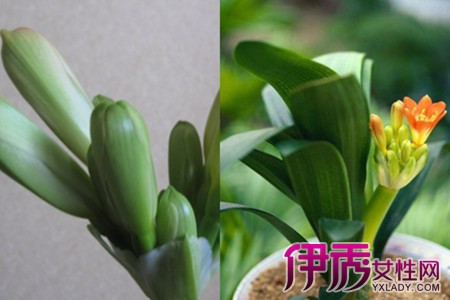
Clivia miniata has relatively high requirements for its growing environment; in summer it also dislikes the outdoor climate, and it is an indoor flowering plant. So when growing Clivia miniata, you must understand its habits to grow it more luxuriantly.
The first thing is that when choosing a flower pot, the pot cannot be too small. Choose a relatively deep flower pot, because you can put in more soil, which is good for the growth of the Clivia miniata roots. For every kind of flower, only when the roots grow well can the leaves above be supplied with nutrients. So the pot you choose is very important, and it should also be a breathable flower pot with holes in the bottom. This kind of flower pot is greatly beneficial to the growth of Clivia miniata.
After finding a suitable pot, go buy soil for planting flowers. For a large bag of 10 jin, it costs about 5 yuan. If there are woods near you, you can go into the woods to collect soil from rotted branches and leaves under the trees, then sift the soil well with a sieve. This kind of soil is relatively loose and soft, suitable for the growth of Clivia miniata. Do not choose loess or sandy soil, as they easily cause the roots of Clivia miniata to turn black.
After pouring the soil into the flower pot, you can place the Clivia miniata in the soil and plant it well, pressing firmly a few times with a small shovel. This way it is planted much more firmly. After planting, you can start watering, because the soil in the flower pot is all dry soil, so you must water it thoroughly. Otherwise, the roots cannot absorb water and it will easily die or develop yellow leaves.
After watering, place the Clivia miniata in a cool, ventilated place indoors. After about half a month, it can take root and grow normally. Indoors, water about once every 5 days; do not water too much. As long as the soil in the flower pot is not dry, that is fine. Excessive watering will rot the roots of Clivia miniata. These are the methods for growing Clivia miniata.
Clivia miniata growing methods | Clivia miniata pictures
Introduction to Clivia miniataClivia miniata belongs to the Amaryllidaceae family. Clivia miniata is a perennial herbaceous plant of the genus Clivia, with a flowering period of 30-50 days, mainly in winter and spring, and it also blooms around New Year's Day to the Spring Festival. It dislikes strong light and is a semi-shade plant; it likes cool conditions and dislikes high temperatures. The suitable growing temperature is 15-25°C; below 5°C it stops growing. It likes fertile, well-drained soil and moisture, and dislikes dry environments. Clivia miniata has very high ornamental value. Its plant is elegant and Clivia miniata is handsome and graceful, with the bearing of a gentleman; its flowers are like orchids, hence the name. The roots are fleshy and fibrous, and a pseudobulb forms at the leaf base. The leaves are sword-shaped, up to 45 cm long, alternately arranged, with entire margins. The umbel inflorescence is terminal; each inflorescence has 7 to 30 small flowers, and some can reach more than 40. The small flowers have stalks and are arranged in an umbel at the top of the flower; the flowers are funnel-shaped, upright, yellow or orange-yellow. It can bloom throughout the year, mainly in spring and summer. The fruit ripening period is around October. Both flowers and leaves are beautiful. It is attractive and elegant, and also shade-tolerant. It is suitable for potted indoor display, for foliage and flowers, and is also an ideal potted flower for decorating venues and hotel environments. It also has the function of purifying air and medicinal value, making it a top-choice variety for people. Clivia miniata growing methods
The normal growth, development, flowering, and fruiting of Clivia miniata are inseparable from the environmental conditions of growth. Suitable conditions for the growth of Clivia miniata, with good environmental conditions, can meet the needs of the plant at each stage of growth and development and promote its vigorous growth. Conversely, they will affect the plant's normal growth and development. The environmental conditions for Clivia miniata mainly include five elements: temperature, light, soil, water, and fertilizer. Temperature requirements:
The place of origin of Clivia miniata is in the mountain forest areas of southern subtropical Africa, where the four seasons are warm like spring. The annual average minimum temperature is not lower than 10°C, the maximum temperature does not exceed 22°C, and the annual precipitation is 500-1500 mm. The growth and development of all organs of Clivia miniata have adapted to this natural environment that is neither cold nor hot, neither wet nor dry. Therefore, when cultivating it artificially, it is also necessary to create a natural environment similar to its place of origin, so that the plant can grow and develop better. The optimum temperature for artificial cultivation should be controlled at 15-25°C. When the temperature drops below 10°C, the plant's growth and development slow down; when it drops to 5°C, growth and development are inhibited; when the temperature drops below 0°C, in mild cases the leaves are frostbitten, and in severe cases the whole plant freezes to death. When the temperature exceeds 30°C, the leaves become leggy, thin, long, soft, and weak. If the humidity is low, the leaves will wilt and turn yellow, and in severe cases the whole plant will wither and die. When the summer temperature exceeds 30°C, ventilation and cooling are needed.
Clivia miniata plants of different sizes have different suitable temperature requirements. Seedlings require relatively higher temperatures. This is because the seedlings are small and have strong growth vigor; higher temperatures help rapid growth at the seedling stage. Seedlings need a smaller temperature difference, and the seedling growth temperature should be controlled at 20-30°C. Below 15°C, new leaf growth is slow; below 10°C, new leaf growth is very slow, and it is easy for "chicken-tongue leaves" to grow, that is, new leaves that are thin and pointed. For one-year-old small seedlings, the temperature should be controlled at 20-25°C. For two-year-old large seedlings, the temperature should be controlled at 15-25°C. For adult Clivia miniata, the temperature should be controlled at 15-25°C. For adult Clivia miniata, especially during the winter arrow-shooting season, the temperature can be between 10-25°C, artificially creating a larger temperature difference, which is extremely beneficial for the flower stalk to shoot up and prevents "stuck arrows." Temperature difference means the difference between the highest and lowest temperatures in the environment, and also refers to the temperature difference between day and night. Temperature difference can regulate the plant's absorption rate of nutrients, which is more beneficial to the plant's growth and development. It is beneficial for the full absorption of nutrients by the leaves of Clivia miniata. Temperature is one of the main conditions for the vigorous growth of Clivia miniata. The difference between Clivia miniata grown on windowsills and those cultivated in flower cellars is often clearly shown in the temperature difference. Flower cellars have a large temperature difference, while windowsills have a small temperature difference. Especially in winter, there is almost no temperature difference for orchids grown on windowsills. Plants cultivated in flower cellars are superior to those cultivated on windowsills in several aspects, such as leaf brightness and color. Plants cultivated on windowsills may have poor leaf gloss and drooping leaves, and are prone to stuck arrows. Temperature has a certain effect on plant photosynthesis and respiration. Plant photosynthesis and respiration are two interdependent processes; photosynthesis is the process of synthesizing organic matter and storing energy, while respiration is the process of decomposing organic matter. Temperature has a direct effect on photosynthesis and respiration. Within the suitable temperature range, the plant's growth, metabolism, and absorption speed are related to the temperature level. When the temperature is high, metabolism speeds up and the plant grows rapidly; when the temperature is low, metabolism is slow and the plant's growth rate also slows down. When temperature and light are insufficient, the plant finds it difficult to sustain life. The state of leaf growth is also different under different temperatures. In summer high temperatures, leaves tend to grow long and leggy, that is, thin and long. In spring, autumn, and winter, especially in winter when the temperature difference is artificially controlled, newly grown leaves are wide and short. Temperature also has a great effect on the flowering period. If the temperature is too high, the flowering period is shorter; if the temperature is low, the flowering period is longer. When the summer high temperature is above 30°C, the flowering period may last 15-20 days. In the winter flowering period, when the temperature is 10-15°C, the flowering period can reach more than 30 days. The most suitable temperature for the flowering period is 15-25°C. Within this temperature range, a larger temperature difference is beneficial for arrow shooting. The flowers produced are large and brightly colored, and the fruit-setting rate is high. Therefore, temperature can control the length of the flowering period and the timing of its early or late occurrence.
Water requirements: Water is an indispensable important element for the existence of plant life; without water, no plant can survive. The annual precipitation in the place of origin of Clivia miniata is 500-1500 mm, but the rainfall in each month is uneven. Precipitation from May to September is relatively low, precipitation from October to April of the following year is relatively high, and precipitation from November to February of the following year is also on the high side. Thus the plant has adapted to this environment of alternating dry and wet conditions. When there is plenty of water, both leaves and roots can store a certain amount of water. Once the soil moisture decreases, the plant body can still use the stored water to maintain life and endure the dry season.
Water is the raw material for photosynthesis in Clivia miniata plants, and it is also the carrier for absorbing and transporting nutrients. Chemical elements such as nitrogen, phosphorus, and potassium in the soil can only be absorbed by the plant roots after dissolving in water. The organic matter produced by the leaves must be dissolved in water before it can be transported to the various organs and tissues of the plant. Water is an important constituent substance in the plant body. The water content in the roots of Clivia miniata plants accounts for about 91%, while the water content in the leaves accounts for about 90%, slightly lower than the water content in the roots. Therefore, only when there is sufficient water in the Clivia miniata plant can the cells and tissues in the body carry out normal physiological activities. If there is a lack of water, the plant will wilt and the leaves will droop.
Clivia miniata requires the pH value of water to be neutral, that is, a pH value of 6.5-7, which meets the plant's growth and development requirements.
Do not treat watering Clivia miniata as a small matter, because this is a key issue in whether Clivia miniata is cultivated well or poorly. Watering Clivia miniata cannot be done dogmatically or uniformly; you must decide when to water and how much to water according to changes in season and weather. Do not water as soon as you see the surface soil is dry, causing water to accumulate in the pot. To check how much water is in the pot, tap the side of the pot with the knuckle of your index finger. If the sound is crisp, there is little water in the pot; if the sound is dull, it indicates the pot is moist. Another method is to lift the pot and judge based on past experience. If the pot soil is relatively heavy, it is not short of water; if the pot soil is relatively light, it indicates a lack of water. If you want to water thoroughly, the pot soil must be loose and breathable and have good water retention. If the pot soil is compacted and dried into a lump, no matter how much water you pour or how many times you pour it, the water will flow along the pot wall to the bottom of the pot. It will all flow out from the bottom hole, and the root system will not be watered at all. If you mistakenly think the water has already penetrated thoroughly, then Clivia miniata will soon be in a drought state, and over time the plant will wilt; in mild cases the root system shrivels, and in severe cases the whole plant dies.
The time of watering is related to the season. In spring and winter, flower cellars and indoor spaces in the north all need heating, and the temperature at night is relatively high. Morning is the time when the temperature is lowest in the day, so it is best to water flowers in the morning. This is because the temperature of the water stored in the flower cellar is close to the pot soil temperature, which is beneficial to plant growth. In summer and autumn, no heating is needed, and the weather is hot with relatively high temperatures.
For the water demand of Clivia miniata plants during growth, the humidity in the pot soil must be maintained at about 40%. Simply emphasizing the saying "water when dry, dry when wet" is not scientific; it should be flexibly controlled according to changes in season and climate. In spring, watering should be on the heavier and more thorough side; in summer, it should be frequent and light; in autumn, it should be neither dry nor wet; in winter, it should be water when dry and dry when wet. Watering Clivia miniata should be based on temperature changes, light intensity, and the degree of environmental dryness and humidity, and you should try to achieve fixed timing, fixed amount, and fixed cycle, forming a pattern. You must not do it as you please, watering whenever you feel like it. One point requiring special attention is that the humidity of the water used for watering must be close to the humidity of the pot soil; otherwise, too large a temperature difference between the water and the pot soil will affect the plant's normal growth. Some people also use magnetized water, acidic water, oxygenated water, etc. to water Clivia miniata. We can gradually experience this in the practice of growing Clivia miniata, summarize and explore, and continuously derive new experience.
In short, by mastering the step of watering Clivia miniata, using good water quality suitable for the growth of Clivia miniata, and following scientific methods, you will certainly cultivate more robust Clivia miniata.
Fertilizer requirements:
During the process of plant growth and development, a large amount of nutrient elements is needed, and fertilizer is an important source of plant nutrition. The nutrient elements needed in relatively large amounts include carbon, hydrogen, oxygen, nitrogen, phosphorus, potassium, calcium, magnesium, sulfur, iron, etc.; those needed in smaller amounts, the trace elements, include iron, copper, manganese, zinc, boron, chlorine, etc. During the process of growth and development, once the plant body lacks these nutrient elements, poor development will occur, and in severe cases it can cause disease.
Plants mainly absorb nutrient elements from the soil and fertilizer through their roots. Nitrogen, phosphorus, and potassium are elements needed by plants in large amounts. The content in the soil alone cannot meet the plant's needs; artificial supplementation is required to ensure the healthy growth of the plant.
The absorption of the three elements nitrogen, phosphorus, and potassium is mainly completed through carbon dioxide in the air and water in the soil. Other elements can be obtained from the nutrient soil.
Nitrogen fertilizer. Nitrogen fertilizer is the main component of protein in Clivia miniata plants. It is the most basic substance constituting the plant body. Without nitrogen, it is impossible to form protein and protoplasm.
Nitrogen is the main raw material constituting chlorophyll, and chlorophyll is a necessary substance for photosynthesis. Therefore, when nitrogen supply is good, the plant grows vigorously, the leaves are broad and thick, the color is green, the plant is strong, the fruit-setting rate is high, and the seeds are plump.
When nitrogen is deficient, the plant grows slowly, is short and weak, the leaves are narrow and thin, the flowering period is late, fruit setting is reduced, and the lower leaves turn yellow. But when nitrogen fertilizer is applied in excess, the leaves become soft and thin and droop, disease resistance weakens, and pests and diseases are likely to occur. The application of nitrogen fertilizer to Clivia miniata must follow the principle of appropriate amount.
Commonly used nitrogen fertilizers for Clivia miniata include: decomposed soybean cake, peanut, peanut cake, castor bean, sesame, sesame oil residue, cottonseed cake, etc. The offal of freshwater fish is also a relatively good nitrogen fertilizer. These fertilizers must be fully fermented and decomposed before use.
Phosphorus fertilizer. Phosphorus is the main component constituting the cytoplasm and nucleus of Clivia miniata plant cells. It can promote cell division and reproduction. It makes new roots and seedlings develop and grow faster, and adult Clivia miniata plants bloom earlier and bear more fruit, with plump seeds. Phosphorus can enhance photosynthesis.
Phosphorus can make stems and leaves tough and enhance disease resistance. When the plant lacks phosphorus, roots and seedlings grow slowly, and the old leaves at the stem base turn purplish red or dark green. It affects the growth and development of reproductive organs. Phenomena such as delayed flowering, few fruit seeds, and lack of plumpness appear.
Commonly used phosphorus fertilizers for Clivia miniata include: bone meal (without salt), fish scales, rice bran, etc.; after fermentation and decomposition, they can be used.
Potassium fertilizer. Potassium is one of the elements with relatively high content in Clivia miniata plants, and it is highest in young seedlings, tender leaves, and root tips. It can promote the plant's absorption of nitrogen and promote protein formation. Potassium can make the plant's roots thick and strong, and the leaves broad, thick, and upright. The vein patterns are clear and raised, and it can improve the plant's drought resistance and pest and disease resistance. When the plant lacks potassium, the cellulose in the cell walls decreases, the leaves are soft, the vein patterns are not raised, it is susceptible to disease, and yellow-brown spots easily appear on old leaves.
Commonly used potassium fertilizers for Clivia miniata include: plant ash, charcoal, rice straw, rice husk ash, etc. Potassium exists in the form of potassium carbonate and is easily soluble in water. The growth of Clivia miniata cannot be separated from the three elements nitrogen, phosphorus, and potassium. Their effects on Clivia miniata mainly focus on:
Nitrogen fertilizer mainly promotes rapid plant growth, luxuriant stems and leaves, and broad leaves, with an obvious effect on leaf growth.
Phosphorus fertilizer mainly promotes bright flower color, plump fruit, high seed-setting rate, and early flowering. Its effect on flowers and fruits is obvious.
Potassium fertilizer has the effect of increasing leaf rigidity and promoting robust root growth, with an obvious effect on the root system. The three elements nitrogen, phosphorus, and potassium are essential nutrient elements for Clivia miniata plants, and each has a unique role. They cannot replace one another and should be applied in combination.
Organic fertilizer is the fertilizer most used by Clivia miniata growers. Organic fertilizer causes little irritation to the root system, is easy to absorb, has stable fertilizer efficiency, and is convenient to use, suitable for the needs of the general public.
Chemical fertilizer is a quick-acting fertilizer with fast fertilizer efficiency and short duration. Slight improper application can cause side effects such as root burning and yellow leaves. During cultivation, try not to use it, or conduct small-scale trials to gain experience before using it extensively.
Light requirements:
Light is the energy source for plant photosynthesis. Light is an indispensable condition for the growth of various plants and has a very important effect on the growth of Clivia miniata. There is a kind of phytochrome in the plant body; under the action of light, it causes a series of physiological and biochemical reactions in the plant body. Clivia miniata relies on chlorophyll in the plant body to absorb sunlight and synthesize organic matter such as glucose from carbon dioxide and water, so that Clivia miniata plants can develop normally.
Practice has shown that Clivia miniata grown in flower cellars, because of sufficient light, have lighter leaf color, slightly yellow, broad leaves, strong contrast, obvious flower faces, and protruding vein patterns. In contrast, flowers grown indoors are small, light in color, dark in leaf color, and poorer in growth.
In the cultivation of Clivia miniata, not only oblique light is needed, but more importantly, overhead light is needed. This increases the leaf area receiving light and enhances photosynthesis. The most suitable temperature for photosynthesis in Clivia miniata is 20-30°C. When the temperature exceeds 40°C, photosynthesis tends to stop. Therefore, in summer, prevent excessively strong light, and in winter, improve the utilization rate of light.
In midsummer with strong light and high temperature, shading should be used to control light. The best light seasons for Clivia miniata are September and October and March and April. At this time the temperature is neither cold nor hot, and the light is suitable. It is also the season for changing soil. During this period, the plant will show two growth peaks. Plants in flower cellars, because heating and insulation measures are taken in winter, can also have their light needs met, and will enter the best growth stage, which is also the peak season for flowering. Only by paying attention to light and using light scientifically can Clivia miniata have spreading leaves, raised vein patterns, glossy leaf surfaces, and an upright plant.
Conditions suitable for growing Clivia miniata
Clivia miniata likes a cool and humid climate. In summer, if you want Clivia miniata to grow well, measures must be taken to create conditions favorable for its growth.
Shading: In summer, place it under a shade shed outdoors. If direct sunlight can be blocked at noon while sunlight can still be seen in the morning and evening, that is most ideal.
Cooling: In addition to placing Clivia miniata in a ventilated place, also place the Clivia miniata pot on a water pool or water platform (raised with wooden boards), and frequently spray water around the placement area and on the plant leaves, so that Clivia miniata grows in a small environment below 25°C with humidity of 60——70%.
Reducing fertilizer: When the temperature at the place where Clivia miniata is kept is above 25°C, appropriately reduce or stop fertilizing, so as to avoid burning the fleshy roots from excessive fertilization. If more fertilizer was applied in spring, in summer half of the pot soil can be replaced from the top, and then replaced again after the Start of Autumn. If the temperature can be lowered below 20°C, fertilization can still continue as usual.
Watering: Adhere to the principle of watering as soon as it is half dry, and watering thoroughly once you water. Never let water run into the leaf core, so as to avoid rotten heart disease and cause "beheading."
Pest prevention: If harmed by scale insects, spray the leaf surface with a 1000—1500 times dilution of dichlorvos solution.
①Suitable soil:
Clivia miniata is suitable for soil rich in humus. This kind of soil has good air permeability, good water permeability, and is fertile, with slight acidity (pH 6.5). Mixing about 20% sand grains into the humus soil is beneficial for root cultivation. When planting, increase the pot size gradually as the plant grows. When planting one-year-old seedlings, a 3-inch pot is suitable. In the second year, change to a 5-inch pot. After that, change to a pot one size larger every 1--2 years. Pot changing can be done in spring and autumn. ②Proper watering:
Clivia miniata has relatively well-developed fleshy roots, and a certain amount of water is stored [2] in the roots, so this flower is relatively drought-tolerant. However, drought-tolerant flowers cannot be severely short of water. Especially in summer under high temperature plus dry air, do not forget to water in time; otherwise, the roots and leaves of the flower will be damaged, causing new leaves to fail to sprout and the original leaves to scorch, which not only affects flowering but may even cause the plant to die. But watering too much will also rot the roots. So you must master it well and often pay attention to the dryness and wetness of the pot soil. When it is half dry, water once, but the amount should not be too much. Keeping the pot soil moist but not soggy is just right. So, how many days apart is it good to water? Under general conditions, water once a day in spring; in summer, use a fine watering can to water the leaf surface and the surrounding ground together, and water twice a day on sunny days; in autumn, water once every other day; in winter, water once every other day; in winter, water once a week or less. But it must be noted that this refers to "general conditions." You must grasp it flexibly according to various specific situations. For example, water more on sunny days; water less on cloudy days, and during continuous cloudy days water once every few days; do not water on rainy days. When the temperature is high and the air is dry, water several times a day; for large flower pots, because the water storage in the soil is large and it is not easy to dry out, water less; for small flower pots, water evaporates more easily, so water an appropriate amount more. If the flower pot is placed in a well-ventilated place where evaporation is easy, water an appropriate amount more; in places with poor ventilation, slow evaporation, and high air humidity, water less. During the seedling stage, water less; during the flowering stage, water more. In short, decide according to the specific situation, with the principle of ensuring the pot soil is soft and moist, and not too dry or too wet. If conditions permit, magnetized water is of course best; next is rainwater, snow water, or running water from rivers; next is pond water; the worst is tap water. Flower growers living in large cities only have tap water available, so they can use a small water vat or basin or bucket, put the tap water in, and water after 2-3 days. This allows some harmful impurities in the water to settle. In addition, it allows the substances contained in the water to be oxidized and purified, and can make the water temperature close to the humidity of the pot soil, so it is not too cold or too hot and does not harm the plant. ③Reasonable fertilization:
Many flowers like fertilizer, but fertilizing fertilizer-loving flowers also has a limit. Too much fertilization is unfavorable to growth and may even cause the plant's roots to rot or scorch. Clivia miniata also belongs to this type of plant, and appropriate fertilization must be achieved. Flowers have different nutrient requirements at different growth and development stages. Therefore, different fertilization methods suitable for the plant's needs should be adopted at each period. Such as applying base fertilizer, topdressing, and foliar fertilization, etc.
1. Applying base fertilizer (also called basal fertilizer). The purpose is to create conditions for plant growth and development and meet its nutrient needs. The base fertilizer for Clivia miniata should be applied when repotting once every 2 years. Apply commonly used manure (that is, poultry and livestock manure), compost, green manure, soybean cake fertilizer, etc. into the soil. 2. Topdressing. It mainly promotes plant growth. Clivia miniata can be given fertilizers such as cake fertilizer, fish meal, and bone meal. Apply less at the initial planting stage, and later as the plant grows larger and the leaves increase, the amount of fertilizer applied also gradually increases. When fertilizing, scrape aside the pot soil and apply it into the soil to a depth of 2-3 cm, but note that the fertilizer applied should not be too close to the root system, so as not to burn the root system. Applying this kind of solid fertilizer once a month is generally enough, and it should not be more frequent. 3. Applying liquid fertilizer as topdressing. Liquid fertilizer topdressing is to mix the fully decomposed supernatant liquid of soaked and fermented animal and plant materials with 30-40 parts clear water and then pour it onto the pot soil. For small seedlings, it is suitable to mix with 40 times water; for medium seedlings, it is suitable to mix with 30 times water; for large seedlings, only 20 times water is needed. After applying the fertilizer liquid, water once with clear water 1-2 days later (the amount of water should not be too much), so that the fertilizer seeps into the root system in the pot soil and gives full play to the fertilizer effect. Do not water 1-2 days before applying liquid fertilizer; let the pot soil be relatively dry before applying the fertilizer liquid, which is more effective. The best time to fertilize is in the early morning; when applying, let the fertilizer liquid flow in along the edge of the pot, and be careful to avoid applying it on the plant and leaves. In addition, the type of fertilizer applied should also vary according to the season. For example, in spring and winter, it is suitable to apply some phosphorus and potassium fertilizers, such as fish meal, bone meal, hemp cake, etc., which are beneficial to vein formation and improving leaf glossiness; in autumn, it is suitable to apply some decomposed soaking liquid of animal hair, horns, hooves, or soybean cake, diluted with 30-40 times clear water before applying, to promote leaf growth. 4. Foliar topdressing. Fertilizing by this method is mainly to make up for the deficiency of nutrients in the soil, to solve the problem of nutrient deficiency in the plant body, so that seedlings grow faster and flowers and fruits grow plump. Foliar fertilization is to spray the diluted fertilizer liquid directly on the plant leaf surface with a mist sprayer, allowing nutrient elements to penetrate through leaf epidermal cells and stomata into the leaf tissues and then be transported throughout the plant. Commonly used fertilizer varieties include urea, potassium dihydrogen phosphate, superphosphate, etc. When spraying, spray evenly on both the front and back sides of the leaves. Spray once every 4-6 days during the growing season, and once every 2 weeks during semi-dormancy. Generally, spray after sunrise, and stop application after the plant blooms. It must be noted that this method can only be used when the plant is found to be lacking fertilizer. If the plant has sufficient nutrition and grows vigorously, it should not be used.
Basic cultivation techniques for Clivia miniata
A brief history of cultivation and flower culture. Clivia miniata was discovered around 1828 in the Drakensberg Mountains of South Africa. It was introduced from South Africa to Europe in the 1820s, and was introduced to China from Germany in the mid-19th century. At that time, apart from cultivation for ornamental purposes in the Qingdao concession, it was hard for Chinese people to see it. Later, Japanese people gave Clivia miniata to the Manchu emperor. At that time, a variety given to a dye factory by an imperial chef was called "Dye Factory," and for a variety spread from a temple, people named it "Monk" in memory of the monk who cultivated it. In recent years, due to the careful cultivation of professionals and enthusiasts, new varieties have continuously appeared, becoming one of the most popular flowers of the time, and even today the reputation of Clivia miniata has not diminished from those years. The name Clivia miniata first gives people a feeling of reverence, and people imply that Clivia miniata has the character of being strong and unyielding against power.
Key points of propagation and cultivation. It can be propagated by sowing, division, and tissue culture. Except for breeding new varieties or obtaining variant varieties from naturally crossed seedlings, seed propagation is not as fast as division in producing mature plants and flowering early. Division propagation is a widely used propagation method, that is, cutting off the axillary buds produced at the junction of the pseudobulb and roots from the mother plant and cultivating them separately to form new plants. The operation is simple, the survival rate is high, and growth and development are fast. It can bloom in 2-3 years. The best propagation period is after flowering when it enters vigorous growth. In a greenhouse where the temperature is stable between 15-25°C, propagation can be done in all four seasons. Or in September-October, when the fruit is ripe and autumn repotting and soil changing are carried out, the axillary buds can be cut off for propagation; the pseudobulb can also be cut at the 1/2 point with a knife, and the cut pseudobulb can produce varying numbers of small buds; cutting off the small buds forms new plants. The best time is when the spring temperature is stable at about 20°C, combined with soil changing. In addition, explants can also be cut and subjected to steps such as disinfection, inoculation, and root induction to form new plants for tissue culture.
In cultivation management, the humus formed after plant bodies decay is most suitable for the growth and development of Clivia miniata, because it contains relatively sufficient nitrogen, phosphorus, and potassium, can supply its needs relatively persistently, and has good water retention and heat preservation. It is precisely suitable for watering Clivia miniata. You must master moderation; too much causes water accumulation, causing severe oxygen deficiency, hindering the plant's normal respiration, and leading to root rot or even death of Clivia miniata; if there is too little water, it will cause the leaves to wilt and even dry up, until death. Therefore, watering should irrigate the pot soil with dilute liquid fertilizer, and the amount and time of watering should be controlled according to temperature changes and the plant's growth strength. The lowest temperature for Clivia miniata growth is 10 degrees Celsius, the optimum temperature is 15-25°C, and the highest limit is 30°C. Above 30°C it will enter semi-dormancy, while a day-night temperature difference of 8-12°C is most suitable for the growth of Clivia miniata. When overwintering through summer, it must be placed under a shade shed to avoid strong direct light burning the leaves, and sometimes water also needs to be sprayed to cool it down. In winter, it needs to be brought indoors to overwinter and receive sunlight. When the winter temperature is at its lowest, it should be kept at 6-10°C to avoid freezing. The day-night temperature difference should preferably be 8-10°C, and the room temperature should preferably be 15°C.
Introduction to soil cultivation methods and water cultivation techniques for Clivia miniata
Clivia miniata is native to the tropical regions of southern Africa and grows under trees, so it is both afraid of heat and not cold-tolerant. It likes a semi-shaded and humid environment, fears strong direct sunlight, and its best growing temperature is between 18-28°C. Below 10°C and above 30°C, growth is inhibited. Clivia miniata likes a ventilated environment and prefers deep, fertile, loose soil. It is suitable for growing in loose, fertile, slightly acidic organic soil. Clivia miniata is a famous greenhouse flower and is suitable for indoor cultivation. The cultivation methods for Clivia miniata are introduced as follows:
Propagation methods for Clivia miniata
The commonly used propagation methods for Clivia miniata are seed propagation and division propagation.
1. Seed propagation method
The pollination method is: 2-3 days after the flower is split open, when the flower bud is mature and the stigma secretes mucus, that is the time for pollination. When pollinating, dip a new brush into the pollen of the stamens and gently shake it onto the stigma of the pistil. To increase the seed-setting rate, pollinate once each between 9-10 a.m. and 2-3 p.m. After about 8-9 months, the seeds can mature. When the fruit skin gradually changes from green to black-purple, cut off the fruit cluster, and after 10-20 days, peel out the seeds. Before sowing, soak the seeds in warm water at 30-35°C for 20-30 minutes, then take them out and air-dry for 1-2 hours (at this time, if they can be soaked in 10% sodium phosphate solution for 20-30 minutes, taken out and washed, and then soaked in clear water for 10-15 hours, that is even better), and then sow them into the culture soil. After sowing, place the flower pot in an environment at room temperature of 20-25°C and humidity of about 90%; after about 1-2 weeks, the radicle will sprout.
Before carrying out seed propagation, first prepare the culture soil. Many materials can be used to make culture soil, but one that is relatively easy to obtain is loose soil with sufficient humus taken from the surface layer of woods, mixed with 1/3 clean fine sandy soil.
2. Division propagation method
Asexual propagation of flowers includes cuttings, division, layering, grafting, etc., but asexual propagation of Clivia miniata generally only uses division, and Clivia nobilis more commonly uses this method. To propagate by division, first do several preparatory tasks:
① For home pot cultivation, prepare flower pots. The flower pots are best clay pots. Do not buy porcelain or ceramic ones just for the sake of the pot's appearance, because they have poor air permeability, which is unfavorable for plant development and growth.
② Prepare the medium soil, and it is best to disinfect it. If using humus soil mixed with fine sand, the humus soil should be sprayed and disinfected with a 1000-2000 times aqueous solution of potassium permanganate; the fine river sand should also be scalded and disinfected with boiling water to avoid seedlings being infected by pathogens and rotting.
③ Prepare a small amount of charcoal powder to apply to the wound to absorb moisture and prevent rot.
④ Sharpen the cutting knife, and finally quickly dry-grind it on a whetstone (without adding water) several dozen times, so that the blade becomes very hot, in order to kill pathogens.
When dividing Clivia miniata, first take the mother plant out of the pot, remove the old soil, and find the axillary buds that can be divided. If the offset plant grows on the outer edge of the mother plant and the plant body is relatively small, you can hold the bulb part with one hand and pinch the base of the offset with the other hand, give it a tear and pull, and the offset can be pulled away from the mother body; if the offset is thick and strong and not easy to pull off, you should cut it off with the prepared sharp small knife. Never pull forcefully, so as not to damage the young plant. After the offset is cut off, immediately apply dry charcoal powder to the wound to absorb the flowing liquid and prevent rot. Next, plant the offset in a pot. When planting, the planting depth should be enough to bury the base pseudobulb of the offset, and the part near the seedling should be slightly higher, and cover with disinfected sandy soil. After planting, immediately water thoroughly once, and after 2 weeks when the wound has healed, add another layer of culture soil. Generally, it takes 1-2 months to produce new roots, and 1-2 years to bloom. Clivia miniata propagated by division has relatively stable heredity and can maintain the various characteristics of the original species.
The cultivation methods of Clivia miniata are divided into soil cultivation methods and water cultivation methods. Below, let us look specifically at these 2 cultivation methods.
Soil cultivation techniques for Clivia miniata
Clivia is relatively easy to cultivate. First, choose a good potting soil, and it can be placed indoors near a window, with watering and fertilizing adjusted according to the temperature characteristics of each region. During the growing season, the potting soil must be kept moist; during the high-temperature semi-dormant period, the potting soil should be kept on the dry side, and water should often be sprayed on the leaves to achieve the purpose of cooling. Clivia likes fertilizer; every 2 to 3 years, repot once in spring or autumn, adding decomposed cake fertilizer to the potting soil. Each year before the growing season, apply 5 to 40 grams of decomposed cake fertilizer beneath the surface of the potting soil, and apply liquid fertilizer once during growth. During care, turn the pot frequently to prevent the leaves from leaning to one side; if they do lean, straighten them promptly. When the temperature is 25 to 30 degrees, it easily causes the leaves to grow excessively, making them narrow and long and affecting the ornamental effect, so when cultivating Clivia, be sure to regulate the room temperature.
1. Soil
Clivia is suitable for soil rich in humus. This kind of soil has good air permeability, good water permeability, and is fertile and slightly acidic. Generally, the soil mix for Clivia is 6 parts leaf mold, 2 parts pine needles, 1 part river sand or furnace ash residue, and 1 part base fertilizer (hemp seed, etc.). Leaf mold mainly refers to oak leaves, also called oak. This kind of leaf is thick in texture and is very good humus. It is nutritious and has good water permeability. Other leaves are too thin and disappear after decomposition, so they cannot be mixed with other media to make soil. When cultivating, use pots that gradually increase in size as the plant grows. For one-year-old seedlings, a 3-inch pot is suitable. In the second year, change to a 5-inch pot, and afterward repot into a pot one size larger every 1 to 2 years. Repotting can be done in spring and autumn.
2. Watering
Clivia has relatively well-developed fleshy roots, and the roots store a certain amount of water, so this flower is fairly drought-tolerant. However, even drought-tolerant flowers cannot be severely short of water, especially in summer when high temperatures are combined with dry air; do not forget to water promptly, otherwise the roots and leaves of the plant will be damaged, causing new leaves to fail to sprout and the original leaves to scorch, which not only affects flowering but may even cause the plant to die. However, too much watering will cause root rot. Therefore, it must be well controlled. Always pay attention to whether the potting soil is dry or wet. When it becomes half dry, water once, but the amount should not be too much. Keeping the potting soil moist but not soggy is just right.
If conditions permit, magnetized water is of course best; next is rainwater, snow water, or living water from rivers; next is pond water; the worst is tap water. Flower growers living in large cities can only use tap water, so they can use a small water vat or basin or bucket, put the tap water in it, and water after 2 to 3 days. This allows some harmful impurities in the water to settle. In addition, it allows the substances contained in the water to be oxidized and purified, and can bring the water temperature close to the temperature of the potting soil, so it will not be too cold or too hot and harm the plant.
3. Fertilizing
Many flowers like fertilizer, but fertilizing fertilizer-loving flowers also has a limit. Too much fertilizer is unfavorable to growth and may even cause root rot or scorching of the plant. Clivia also belongs to this type of plant, and fertilizer must be applied in appropriate amounts. Flowers have different nutrient requirements at different stages of growth and development. Therefore, different fertilizing methods suited to the plant's needs should be adopted at each period, such as base fertilizer, topdressing, and foliar feeding.
① Applying base fertilizer (also called basal fertilizer). The purpose is to create conditions for plant growth and development and meet its nutrient needs. The base fertilizer for Clivia should be applied when repotting once every 2 years. Apply commonly used manure (that is, poultry and livestock manure), compost, green manure, soybean cake fertilizer, etc. into the soil.
② Topdressing. It is mainly to promote plant growth. Clivia can be given fertilizers such as cake fertilizer, fish meal, and bone meal. Apply less at the initial planting stage, and later, as the plant grows larger and the leaves increase, the amount of fertilizer should gradually increase accordingly. When fertilizing, scrape open the potting soil and apply it 2-3 cm deep into the soil, but note that the fertilizer applied should not be too close to the root system to avoid burning the roots. Applying this kind of solid fertilizer once a month is generally enough; it should not be more frequent.
③ Applying liquid topdressing. Liquid topdressing is made by soaking and fermenting animal and plant materials, then mixing the decomposed supernatant with 30 to 40 times clear water and pouring it onto the potting soil. For small seedlings, it is suitable to dilute with 40 times water; for medium seedlings, 30 times water; for large seedlings, only 20 times water. After applying the fertilizer solution, water once with clear water 1 to 2 days later (the amount of water should not be too much), so that the fertilizer penetrates to the roots in the potting soil and fully exerts its fertilizing effect. Do not water 1 to 2 days before applying liquid fertilizer; let the potting soil be somewhat dry before applying the fertilizer solution, which is more effective. The best time to fertilize is early morning; when pouring, the fertilizer solution should be poured along the edge of the pot, and care should be taken to avoid applying it on the plant and leaves. In addition, the type of fertilizer should also vary according to the season. For example, in spring and winter, it is suitable to apply some phosphorus and potassium fertilizers, such as fish meal, bone meal, and hemp cake, which help leaf vein formation and improve leaf glossiness; while in autumn, it is suitable to apply decomposed soaking liquid of animal hair, horns, hooves, or soybean cake, diluted with 30 to 40 times clear water, to help leaf growth.
④ Foliar feeding. Fertilizing by this method is mainly to make up for the deficiency of nutrients in the soil, to solve the problem of nutrient deficiency in the plant, so that seedlings grow quickly and flowers and fruits grow plump. Foliar feeding is spraying the diluted fertilizer solution directly onto the leaf surface of the plant with a mist sprayer, so that nutrient elements penetrate through the leaf epidermal cells and stomata into the leaf tissues and are then transported throughout the plant. Commonly used fertilizer types include urea, monopotassium phosphate, and superphosphate. When spraying, spray evenly on both the front and back sides of the leaves. Spray once every 4 to 6 days during the growing season, and once every 2 weeks during semi-dormancy. Generally spray after sunrise, and stop spraying after the plant blooms. It must be noted that this method can only be used when nutrient deficiency is found in the plant. If the plant has sufficient nutrients and is growing vigorously, it should not be used.
4. Summer heat protection
In midsummer, the temperature is often above 30°C, which is extremely unfavorable to the growth of Clivia. For this reason, it is common to build a shade frame to cool it down. You can also bury the Clivia together with the pot in sand (bury the pot completely), and then sprinkle water on the sand once each morning and evening. In this way, the potting soil can be kept moist, and more importantly, the heat absorption effect of water evaporating from the sand can be used to achieve cooling.
5. Later-stage management
The flowering period of Clivia is generally from February to April. After flowering, the flowering period can be prolonged by appropriately lowering the temperature, improving ventilation, and reducing light. The length of the Clivia flowering period can be controlled through people's cultivation techniques.
① Fertilizing: Apply once with bone meal, well-fermented fish innards, and soybean cake water, which can make the flower color vivid, the flowers larger, and the leaves thicker. Otherwise, it is easy for the flowers to be small, few in number, and pale in color. At the same time, care should be taken to avoid applying too much nitrogen fertilizer and insufficient phosphorus and potassium fertilizer, which would lead to weak growth or excessive leaf growth and affect bud emergence and flowering.
② Light: A certain amount of light must be provided to meet the light requirements for photosynthesis and flowering. Under strong light, the flowering period is short and the flower color is vivid; under weak light, the flower color is pale. Too long or too strong light, or long-term shading with insufficient light, both affect the manufacture and accumulation of nutrients, so that buds cannot emerge and flowers cannot bloom.
③ Temperature: Suitable temperature has a clear effect on the quality of flowering. If the temperature is too high, root hairs exist for an extremely short time, and the function of absorbing water and fertilizer is greatly reduced, causing Clivia to enter a semi-dormant state; if the temperature is below 10°C, growth will also be inhibited; during the growing season it should be controlled at 15 to 25°C, and during the flowering period it should be 15 to 20°C. When root hairs exist for a long time and the function of absorbing water and fertilizer is good, the leaves grow short and wide, and the flowering is luxuriant. Attention should also be paid to maintaining a temperature difference of about 8°C between day and night for Clivia, because the organic matter it manufactures under higher daytime temperatures needs to be stored and digested under lower nighttime temperatures.
④ Moisture: Clivia must not lack water throughout the plant's growth period. When it enters the flowering period, the water requirement is even greater, and the growing humidity should not be lower than 60%.
Hydroponic cultivation techniques for Clivia
Clivia can also be grown hydroponically. Below we will look at the hydroponic method for Clivia.
1. Container selection
To hydroponically cultivate Clivia, first choose a good container. Generally, a transparent glass container is preferred. If growing one seedling, a glass jar is enough. If planting a large number hydroponically, you can weave a metal mesh with a hole diameter of one cm from thin iron wire, and make a glass hydroponic box slightly smaller than the metal mesh; or use a goldfish tank instead. Then cover the hydroponic box with the metal mesh, insert the Clivia seedlings separately through the mesh holes into the nutrient solution, with the depth of the flower roots in the culture solution limited to not exceeding the pseudobulb at the base of the roots.
2. Nutrient solution preparation
Nutrient solutions are divided into inorganic and organic types. The inorganic nutrient solution can be prepared in the following proportions: calcium 1.5 grams, ferrous sulfate 0.01 grams, urea grams, monopotassium phosphate 1 gram, magnesium sulfate 0.5 grams. After these 5 inorganic salts are all prepared, dissolve them in 1000 grams of water and it is ready to use. The organic nutrient solution is prepared as follows: fried hemp seed powder 100 grams, bone meal (made from unsalted fresh bones) 100 grams, soybean cake powder 150 grams, roasted sesame powder 50 grams, then dissolve in 1000 grams of water. Comparing the above two nutrient solutions, the organic fertilizer has rich ingredients but low nutrient content, while the inorganic fertilizer has relatively simple ingredients but strong fertilizing effect and quick results. To make up for each other's shortcomings, the two can be used in combination. If used alone, apply the inorganic fertilizer once a week and the organic fertilizer once every 5 days.
3. Water
For hydroponic Clivia, tap water cannot be used directly; water that has been “aged” must be used. The so-called “aged” water means putting tap water in a container and exposing it to sunlight for 3 to 5 days, so that chlorides such as bleaching powder that are harmful to Clivia roots settle out. In “aged” water, from the appearance, the sediment changes from strip-like to clump-like, and the water color is best when green. After the water is well “aged,” the water level covering the roots must not cover the pseudobulb. If the water level is too shallow, Clivia cannot get sufficient water supply; if the water level is too deep (covering the pseudobulb), it will cause root rot. During cultivation, pay attention to observing changes in water quality. If the roots are found to be somewhat yellow or black, it indicates that the water is both low in oxygen and low in fertilizer, and the water must be changed immediately.
4. Air
Whether the ventilation of the roots of hydroponic Clivia can be handled well is the key to the success or failure of hydroponics. After a period of cultivation, a layer of moss grows on the roots of hydroponic Clivia. When the moss is too thick, it will seriously affect root respiration and corrode the culture solution. At this time, use a soft, clean brush to gently brush away the moss layer on the roots (it need not be brushed very clean, because a small amount of moss on the roots has little effect). In addition, frequently check whether the oxygen in the water is sufficient. The checking method is: put two or three small fish into the hydroponic box. If the small fish swim freely in the water, it means the water is not short of oxygen; if the small fish always float to the surface, with their mouths and gills exposed to breathe, it means the water is short of oxygen. After discovering that the water is short of oxygen, oxygen must be replenished. There are two methods: one is to change the water, and the other is to use a small oxygen pump to supply oxygen to the water.
5. Sunlight
In terms of sunlight handling, Clivia is a semi-shade and semi-sun plant, so attention must be paid to light. Especially in summer, avoid direct strong sunlight and let it receive scattered light. In addition, according to the light-oriented characteristics of Clivia leaves, care should be taken to make the leaves receive light evenly; otherwise the leaves will be of uneven length and the growth direction will also be staggered front and back. Generally, adjust the light angle once every two or three days.
6. Temperature
In terms of temperature handling, the environmental temperature for adult Clivia is preferably 11 to 25°C, and small seedlings can be slightly higher, 20 to 35°C is fine. When growing Clivia in water, the day-night temperature difference must be controlled. In winter, keep it around 20°C during the day and not lower than 15°C at night.