A detailed guide to jasmine cultivation methods, these little facts you must know
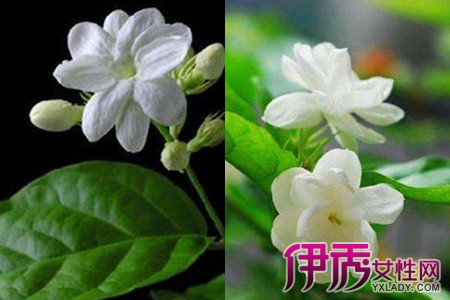
When I was little, my family often bought air fresheners. Nowadays, many people still buy air fresheners, placing them in places like bedrooms or bathrooms. Among them, the most commonly sold scent is probably jasmine. The jasmine scent itself is also very pleasant, smelling light and mild. It is not as intense as roses, nor as scentless as lotus flowers. Gently smelling the fragrance of jasmine feels like arriving in spring.
That elegant fragrance lingers in the nasal cavity for a long time, unwilling to leave. Jasmine flowers are not only intoxicating in fragrance, but the blooms are also very beautiful. Crisp green leaves accompany pure white flowers. It makes one cannot help but think of a loved one wearing pure white clothes, standing in the sunlight waving to you.
Yes, jasmine flowers are just that charming. Because of this, more and more people also like to choose to grow some jasmine at home. Not only can it naturally improve the air at home and make people feel relaxed and happy. More importantly, it is its pure white beauty.
But how should jasmine be grown? Is it enough to just water it like ordinary plants? Next, I will introduce some jasmine cultivation methods. Jasmine is mainly distributed in the south of our country, therefore, jasmine is more accustomed to humid climates and likes semi-shaded environments.
Most varieties of jasmine cannot withstand cold environments, and when the temperature is relatively low, the branches and leaves will show signs of being "frostbitten." Therefore, even when growing jasmine in the south, you must pay attention to moving the jasmine indoors in winter. Knowing this, don't you especially want to grow a jasmine plant? Get started quickly!
Jasmine cultivation methods and precautions for jasmine cultivation
Most varieties of jasmine are afraid of cold and drought, and are not tolerant of frost, waterlogging, or alkaline soil. When the winter temperature is below 3°C, the branches and leaves are prone to frost damage, and if it lasts for a long time, they will die. Deciduous vine types, however, are very cold-resistant and drought-resistant. Jasmine likes warmth and humidity, and grows best in a well-ventilated, semi-shaded environment. Therefore, jasmine has certain environmental requirements for cultivation. So, how should it be grown to be better? Below, I will explain the cultivation methods and precautions for jasmine, hoping to help everyone.
Jasmine cultivation methods
1. Soil quality. For potted jasmine, the culture soil is required to be rich in organic matter and have good water permeability and aeration. Generally, 4 parts garden soil, 4 parts compost, 2 parts river sand or rice husk ash can be used, plus an appropriate amount of fully decomposed dry cake residue, chicken and duck manure, etc., and sift out the powder and coarse particles, using the coarse particles to line the bottom and cover the surface. For cultivating jasmine, fertile sandy and semi-sandy soil is best, planted in slightly acidic soil with a pH value of 6~6.5.
2. Potting. The most suitable time is before the new shoots sprout each year from April to May. Choose a suitable flower pot according to the size of the seedling. When potting, hold the seedling with one hand and fill in the culture soil with the other. After the soil covers all the roots, lift the plant slightly upward, and shake the pot a few times so that the soil and roots are in close contact. Then press the pot soil firmly with your hand, leaving a distance of 2 cm between the soil surface and the pot rim for watering.
3. Water. After planting, water to settle the roots, then place it in a slightly shaded place for 7-10 days, avoiding direct sunlight, and gradually expose it to light afterward. The key to daily management is water. According to jasmine's characteristics of liking moisture, not tolerating drought, fearing water accumulation, and liking aeration, master the watering time and amount. It can bloom from June to July. At this time, the root system has resumed normal growth, and a dilute alum fertilizer solution should be applied once every 7 to 10 days. After that, it can be managed as a mature jasmine plant, and it will not be repotted that year.
4. Fertilization. From June to September during the flowering period, frequently apply liquid fertilizer containing more phosphorus, preferably once every 2 to 3 days. The fertilizer can use well-decomposed soybean cake and fishy water fertilizer liquid, or ammonium sulfate and superphosphate. Generally, if chemical fertilizer components are mixed too much, it will burn the jasmine plant to death. A 0.1% potassium dihydrogen phosphate aqueous solution can also be used, sprayed on the leaves in the evening, which can also encourage it to bloom more.
Precautions for cultivating jasmine
1. Pruning. Jasmine grows very quickly in summer, so it should be pruned in time. For potted jasmine pruning, keep 10 cm to 15 cm from the base to promote the growth of many robust new shoots. If the new shoots grow very vigorously, pinch the tips when they grow to 10 cm to promote secondary shoots, which will result in more flowering and a compact plant shape. After the flowers fade, the flowering branches should be cut off in time to reduce nutrient consumption, and it can also promote the growth of new shoots, making the branches dense, the buds numerous, and the flowers plentiful.
2. Pest and disease control. Jasmine often suffers from damage by snout moth larvae, scale insects, and red spiders, with July to September being the most serious, often boring into and eating flower buds. It can be sprayed with universal powder or fenvalerate diluted 200 times with water, sprayed once every half month. Even if pests and diseases have not occurred, spraying should still be carried out to achieve prevention first. The suitable spraying time is 9 a.m. and 4 p.m. on sunny days. Do not spray under the scorching sun at noon to prevent pesticide damage.
The effects of jasmine
1. Jasmine tea can promote bowel movements, remove dampness, reduce internal heat, gently tonify, clear heat, purge fire, and release the exterior, among other effects. Jasmine tea can also play a role in clearing heat, detoxifying, soothing the stomach, and stopping dysentery.
2. Jasmine tea also has the effect of relaxing the nerves. For people with tension, it is advisable to have a cup of jasmine tea. While gaining a sense of happiness, it also helps maintain a stable mood. Rinsing the mouth with jasmine tea not only removes greasiness, but also has the effect of strengthening teeth and preventing bad breath.
3. In addition to its medicinal effects, jasmine tea also has a certain detoxifying effect. Jasmine tea also has effects such as weight loss, preventing tooth decay, and preventing cardiovascular diseases and intestinal diseases.
The above are the jasmine cultivation methods and precautions for cultivation explained to everyone. Is everyone clear now? For more home decoration knowledge, please pay attention.
The complete guide to jasmine cultivation - talking about jasmine, jasmine cultivation methods and precautions
When it comes to jasmine, I believe everyone is familiar with it. The color of jasmine is pure white, the floral fragrance is charming, and although the petals are small, they are very enchanting. Many flower lovers have also grown jasmine at home themselves. Lemon, do you know the cultivation methods and precautions for jasmine? Today, the editor will introduce them to you in detail.
Jasmine is a long-day, somewhat sun-loving plant, and likes a hot and humid climate. It is afraid of cold by nature and cannot withstand low-temperature freezing. When the temperature is below 3°C, its tender branches and leaves will suffer frost damage. Under conditions with a minimum temperature of 0°C and slight frost, most of the leaves will fall off; at around minus 3°C, the branches are at risk of frost damage. For this reason, in places with frost in winter, it is necessary to do a good job of preventing cold and keeping warm through the winter and controlling the moisture in the pot soil.
When the temperature drops to 5°C-10°C, jasmine should be moved indoors and placed at a sunny window; when the temperature is below 0°C, the potted flower should be moved away from the window at night to prevent cold wind from blowing in through the window cracks and damaging the jasmine; when freezing occurs indoors, at night a polyethylene film bag should also be used to cover the potted flower together with its base and tie the bag opening tightly, then place the potted flower in a warmer place. To avoid the danger of the jasmine being suffocated, you can also poke a few small holes in the bag.
What should be done if jasmine leaves turn yellow? First is watering. Potted jasmine sometimes suddenly has yellow leaves. This is caused by root rot due to excessive watering, so watering must be strictly controlled. When watering, attention must be paid to conditions such as the climate at the time, plant size, branch and leaf growth, and pot size. If the pot soil is not too dry, do not water it. It is necessary to keep the pot soil moist, but not waterlogged.
Second is fertilization. Under the condition that the pot soil is moist and loose, fertilize appropriately. After the plant comes out of the room after overwintering, apply a heavy fertilizer once to promote it to quickly send out new buds; when flower buds appear on the new shoots, apply a dilute fertilizer once to promote the flowers to be both large and fragrant; after the first batch of flowers fades, apply a dilute fertilizer once more to promote the early emergence of the second batch of flowers. All fertilizers applied must be fully decomposed; otherwise, after application they will rot and breed insects, or fermentation will generate heat and "burn the plant to death."
Jasmine grows relatively quickly. Generally, repot once a year, mostly indoors in April. Repotting can be combined with division, but the roots must be damaged as little as possible. After repotting, place it in a warm and humid place to encourage it to sprout and grow as soon as possible. Remove flower buds in time.
The above is all the content I have learned today about jasmine. I hope flower lovers will find this article helpful after reading it. To learn more about jasmine-related knowledge, please continue to follow Duorou Huapu, and we will provide you with more related knowledge!