How to Give a Pterocarpus santalinus Bonsai Sunlight? These Cultivation Tips You Should Know
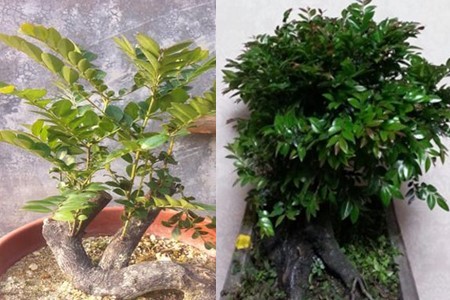
There are many kinds of plants, and today we will mainly talk about Pterocarpus santalinus. This plant belongs to the Fabaceae family (Papilionoideae), is a type of red sandalwood, and is also one of the finest among red sandalwoods. Because this plant has a very high density and very stable wood properties, it is widely loved by many people. Moreover, this plant also has quite good ornamental value, so many people also like to grow it at home.
For many beginners, they may not quite understand how to care for this plant, nor whether it is okay to put a Pterocarpus santalinus bonsai in the sun. Next, I will answer these questions one by one! If you want to grow it successfully with ease, how could you miss the practical content that follows?
1. Can a Pterocarpus santalinus bonsai be placed in the sun?
Since Pterocarpus santalinus is a plant that likes to grow in sunlight, you can usually place it on a balcony for care, so that it can get enough sunlight. Therefore, when growing Pterocarpus santalinus normally, you can take the bonsai out to bask in the sun.
2. How to grow Pterocarpus santalinus
1. Temperature
Since Pterocarpus santalinus is a sun-loving plant and is not tolerant of low temperatures, the suitable temperature for its growth is between 20-30 degrees. If the temperature is below 3 degrees, it is very likely to cause cold damage to the plant. So when growing this plant normally, you should place it on a balcony with plenty of sunlight or in a sunny spot to ensure sufficient light.
2. Soil
Because Pterocarpus santalinus itself has a well-developed root system and root nodules with nitrogen-fixing ability, this plant does not have very high requirements for soil.
3. Watering
Pterocarpus santalinus is a tropical plant, not tolerant of drought, and has very high water requirements. Generally, it should be watered once every two or three days. Remember that watering must not be done at noon, otherwise it is very likely to cause water vapor evaporation in the Pterocarpus santalinus plant under high temperatures. Over time, this will cause the plant to wither and die. Also, when watering, water thoroughly; do not just moisten the surface of the soil. You can also frequently spray water on the leaves.
4. Fertilizing
When growing this plant normally, although it does not need frequent fertilizing, generally every 1-2 months you should spray some plant nutrient solution drops on the plant. After the plant's growth becomes stable, its roots will also go deep into the soil. If you disturb the soil over a large area, it will damage the plant's roots. So when fertilizing the potted plant normally, do not forget to bury some nutrient soil in the soil, and doing so can also avoid the soil being too fertile and causing root burn.
3. Precautions for caring for a Pterocarpus santalinus bonsai
1. Fix its placement
Because a Pterocarpus santalinus bonsai has the ability to adapt to its environment, once it has adapted to the surrounding growing environment, do not move the bonsai casually, otherwise it will create a growth burden for the Pterocarpus santalinus bonsai.
2. Pest and disease control
During the seedling stage of plant growth, two very common pests and diseases, anthracnose and black spot disease, are very likely to occur, so you can spray 1:100 Bordeaux mixture or 50% carbendazim for control. If leaf-eating pests such as flea beetles and scarab beetles appear, you can spray some trichlorfon.
Through the detailed introduction above, have you all mastered the correct methods for growing a Pterocarpus santalinus bonsai? If you want to grow it successfully, then you must remember the cultivation tips and precautions mentioned above!
How to Grow a Pterocarpus santalinus Bonsai: A Few Key Points to Grow This Precious Potted Plant Well
Red sandalwood ranks first among rosewoods, and Pterocarpus santalinus is outstanding among red sandalwoods, so it is highly valuable. In Buddhist scriptures, Pterocarpus santalinus is called the wood bestowed by heaven, and it is believed to have the effects of detoxifying, warding off evil, and improving feng shui, so this potted plant is not only for ornamental use. As the saying goes, one inch of red sandalwood is one inch of gold. What techniques are there for growing such a precious plant? Let's discuss it in detail below.
1. Temperature requirements.
Pterocarpus santalinus is a tropical plant from India. It adapts to the temperature and climate conditions of Southeast Asia, so it likes sunlight and cannot adapt to low-temperature environments. The suitable growing temperature for Pterocarpus santalinus is between 20 and 30 degrees, and below 3 degrees Celsius it is prone to cold damage. In spring, summer, and autumn, it can be grown outdoors, but in summer it should be moderately shaded, and in winter it should be kept indoors to avoid low-temperature environments.
Generally, when people grow potted plants, they like to place them in a study or living room. These locations have no direct sunlight and are not suitable for sun-loving plants. If Pterocarpus santalinus stays in such an environment for a long time, it will become leggy, with branches growing longer and longer, and the shape will no longer be attractive, so it should be placed in a sunny position.
2. How to water.
Pterocarpus santalinus has relatively high water requirements and is a tropical plant that is not drought-tolerant, so it should be watered about once every two or three days. There are techniques for watering Pterocarpus santalinus: water thoroughly each time, but be careful that there is no standing water in the pot. Do not water at noon when the sun is direct and the temperature is high; water vapor evaporation caused by high temperatures can make the greenery wither and die. Pterocarpus santalinus likes a relatively humid environment, so you can use a spray bottle to spray mist-like water to create a humid environment.
Many friends cannot judge the timing and amount of watering well when growing a Pterocarpus santalinus bonsai, causing the plant to lack water. Below is how to deal with it.
1. How to handle the early stage of water shortage.
When you notice the bonsai's branches drooping, it means it lacks water. This state indicates the plant is in the early stage of water shortage and is relatively easy to handle. Just water it once in the morning and once in the evening, watering thoroughly.
2. How to handle dryness of new tender shoots caused by severe water shortage.
When the water shortage is severe, you will find that the leaves of Pterocarpus santalinus are half-withered and the newly grown tender branches have dried up. At this time, you should prune off the dried branches, seal the wounds with lacquer or wax, place the bonsai in a cool place, and wait for it to slowly sprout new buds, paying attention to watering during this period.
3. How to handle water shortage that has damaged the trunk.
What should you do when the bonsai has lost water very severely and the trunk has already begun to dry out? You should cut off the dried trunk, seal the wound, and then place the entire bonsai in water to replenish moisture. After the bonsai has absorbed enough water, place it in a cool place to let it recover.
3. How to fertilize.
Pterocarpus santalinus has a relatively well-developed root system, and its parasitic root nodules have nitrogen-fixing ability, so it does not have high soil requirements and does not need frequent fertilizing. You can dilute plant nutrient solution once a month and water it into the soil with water.
Because of the special characteristic of its well-developed root system, a Pterocarpus santalinus potted plant cannot have its flower soil directly replaced with nutrient soil, nor is it suitable to bury nutrients and fertilizer directly in the soil, as this will damage the roots. Too much nutrient soil and fertilizer can also burn the roots and is instead harmful.
4. Do not casually change the placement location of the potted plant.
Once your Pterocarpus santalinus is growing well and has adapted to its existing environment, do not casually move the flowerpot, otherwise it will increase the burden on its growth.
The above are the care techniques for Pterocarpus santalinus. A special reminder: because red sandalwood wood is precious, there are many imitation products on the market, so please identify authenticity before purchasing.
The value of a Pterocarpus santalinus bonsai
Pterocarpus santalinus is a raw material for rosewood furniture and is a scarce resource. Many people invest in growing Pterocarpus santalinus. Mature Pterocarpus santalinus has a notable reputation and a very high market valuation. As a flower enthusiast, if you are only growing Pterocarpus santalinus for ornamental purposes, it is also a well-deserved first choice. Pterocarpus santalinus is one of many tree species, with dense, verdant leaves and a very obvious feeling of spring. It gives people a suddenly broadened and cheerful state of mind.
Now have you learned how to deal with a Pterocarpus santalinus bonsai that is dropping leaves? If your Pterocarpus santalinus shows leaf drop, please handle it promptly. If we cherish our plants, the plants will also repay you with their beauty.