What causes the leaves of the lucky bamboo to turn yellow?
Sunburn caused by intense sunlight
Lucky bamboo likes a shaded environment. Grown indoors, it gets little light, but as long as water and nutrients are sufficient, it can grow very well. Some flower lovers worry that it lacks light, so they place it on a balcony or windowsill. They do not know that strong light can damage the leaves of lucky bamboo. Strong sunlight shining directly on lucky bamboo easily causes the leaf tips and leaf margins to wither, and yellow spots appear on the sun-facing parts of the leaves.
High fertilizer concentration or excessive amount
When lucky bamboo turns yellow due to excessive fertilizing or too high a concentration, the tips of new leaves turn dry and brown; generally the leaf surface is thick and lacks luster, and is uneven and not smooth, while old leaves turn scorched yellow and fall off.
The above are the reasons why lucky bamboo leaves turn yellow. Now that we know the reasons, let us look at how to solve them!
Reasons for lucky bamboo leaves turning yellow. What to do when lucky bamboo leaves turn yellow
Lucky bamboo is a species under the genus Dracaena in the lily family, suitable for water growing, potting and hydroponics. Its ornamental value is extremely high, and it is one of the few green plants and decorations that can be placed indoors for a long time. If the leaves of the lucky bamboo you are growing have turned yellow, hurry up and take a look at the reasons why lucky bamboo leaves turn yellow, and what to do when lucky bamboo leaves turn yellow!
Reasons for lucky bamboo leaves turning yellow:
Sunburn caused by intense sunlight
Lucky bamboo likes a shaded environment. Grown indoors, it gets little light, but as long as water and nutrients are sufficient, it can grow very well. Some flower lovers worry that it lacks light, so they place it on a balcony or windowsill. They do not know that strong light can damage the leaves of lucky bamboo. Strong sunlight shining directly on lucky bamboo easily causes the leaf tips and leaf margins to wither, and yellow spots appear on the sun-facing parts of the leaves.
Yellowing of leaves caused by lack of light
Although lucky bamboo likes a hidden, shady environment, it is also not good to place it in such an environment for a long time, as the plant's photosynthesis will be completely absent. When placed in a shaded environment for a long time, the leaves cannot get enough sunlight and cannot form chlorophyll, so the whole plant's leaves turn yellow and then fall off.
High fertilizer concentration or excessive amount
When lucky bamboo turns yellow due to excessive fertilizing or too high a concentration, the tips of new leaves turn dry and brown; generally the leaf surface is thick and lacks luster, and is uneven and not smooth, while old leaves turn scorched yellow and fall off.
Yellowing of leaves caused by lack of fertilizer
Flower lovers growing in soil or in water have all had this experience: after not fertilizing the plant for a long time, they find that the leaves at the branch tips show signs of yellowing. This is the yellowing of leaves caused by lack of fertilizer. It shows as the color of tender leaves becoming lighter, turning yellow or pale green, while old leaves remain relatively normal or gradually turn from green to yellow.
What to do when lucky bamboo leaves turn yellow:
Handling of light conditions
Lucky bamboo likes a shady environment, but it cannot always go without sun; occasionally it should be moved outside for some photosynthesis, so that the plant's leaves are greener and more beautiful.
When moving it out to get sun, avoid exposing it when the light is strong. Otherwise, the strong light will scorch the leaves, and yellow spots are not good.
Handling of water and fertilizer
If the fertilizer concentration is high or too much fertilizer was applied, stop fertilizing immediately; in serious cases, use a large amount of water to flush out part of the fertilizer.
For yellowing of leaves caused by lack of fertilizer, apply thin fertilizer frequently and add some alum water at the appropriate time. In addition, lucky bamboo is a foliage plant, so fertilizer mainly based on nitrogen should be applied, which can make the leaves dark green and fresh.
Reasons for lucky bamboo leaves turning yellow and how to deal with them
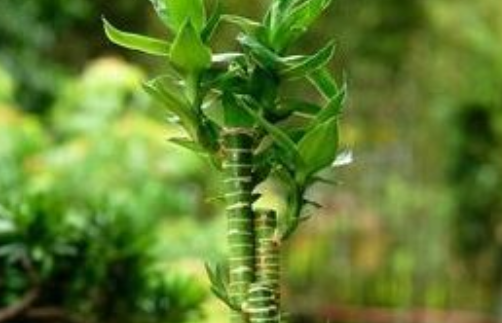
The leaves of lucky bamboo are emerald green, and the stems are straight and round like bamboo. It can be placed indoors for a long time to view its foliage, and does not need special care; as long as there is enough water, it can grow vigorously. So, would everyone like to know what the cultivation techniques for lucky bamboo are? Do you want to grow lucky bamboo well? Today, we will next get to know this plant, lucky bamboo.
Reasons for lucky bamboo leaves turning yellow
Sunburn caused by intense sunlight
Lucky bamboo likes a shaded environment. Grown indoors, it gets little light, but as long as water and nutrients are sufficient, it can grow very well. Some flower lovers worry that it lacks light, so they place it on a balcony or windowsill. They do not know that strong light can damage the leaves of lucky bamboo. Strong sunlight shining directly on lucky bamboo easily causes the leaf tips and leaf margins to wither, and yellow spots appear on the sun-facing parts of the leaves.
Yellowing of leaves caused by lack of light
Although lucky bamboo likes a hidden, shady environment, it is also not good to place it in such an environment for a long time, as the plant's photosynthesis will be completely absent. When placed in a shaded environment for a long time, the leaves cannot get enough sunlight and cannot form chlorophyll, so the whole plant's leaves turn yellow and then fall off.
High fertilizer concentration or excessive amount
When lucky bamboo turns yellow due to excessive fertilizing or too high a concentration, the tips of new leaves turn dry and brown; generally the leaf surface is thick and lacks luster, and is uneven and not smooth, while old leaves turn scorched yellow and fall off.
Yellowing of leaves caused by lack of fertilizer
Flower lovers growing in soil or in water have all had this experience: after not fertilizing the plant for a long time, they find that the leaves at the branch tips show signs of yellowing. This is the yellowing of leaves caused by lack of fertilizer. It shows as the color of tender leaves becoming lighter, turning yellow or pale green, while old leaves remain relatively normal or gradually turn from green to yellow.
What to do when lucky bamboo leaves turn yellow
Handling of light conditions
Lucky bamboo likes a shady environment, but it cannot always go without sun; occasionally it should be moved outside for some photosynthesis, so that the plant's leaves are greener and more beautiful.
When moving it out to get sun, avoid exposing it when the light is strong. Otherwise, the strong light will scorch the leaves, and yellow spots are not good.
Handling of water and fertilizer
If the fertilizer concentration is high or too much fertilizer was applied, stop fertilizing immediately; in serious cases, use a large amount of water to flush out part of the fertilizer.
For yellowing of leaves caused by lack of fertilizer, apply thin fertilizer frequently and add some alum water at the appropriate time. In addition, lucky bamboo is a foliage plant, so fertilizer mainly based on nitrogen should be applied, which can make the leaves dark green and fresh.
The above is what I have learned today about herbaceous plants. I hope flower lovers will find this article helpful after reading it. For more related knowledge about herbaceous flowers, please continue to follow our Succulent Garden, and we will provide you with more related content as soon as possible!