What are the solutions for yellowing grape leaves?
Nutrient-deficiency yellowing
Spray the whole plant with 0.1% ferrous sulfate plus 0.2% urea plus 3 liang of aged vinegar (per sprayer), which can prevent and control iron-deficiency yellowing.
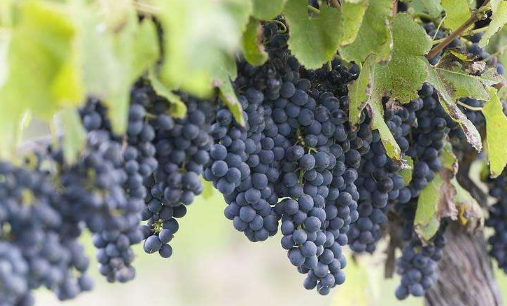
Fertilizer-damage yellowing
Spray the whole plant with 0.2% urea plus 25000 times Bihu solution, and at the same time, for fruiting canes, leave half a leaf and pinch off the growing tip.
Strictly control yield
For new shoots less than 30 cm, remove the fruit clusters to ensure robust growth and full maturity of the canes, so as to facilitate normal fruiting and growth the following year. Normal grapevines should retain 8-12 clusters per plant, 60-80 berries per cluster, and 8-12 grams per berry.
Apply more acidic organic fertilizer
Apply organic liquid fertilizer, 1 bottle mixed with 300-400 jin of water, drench the roots, to promote the grapevine's absorption of low-valent iron.
Only by correctly judging the causes of various grapevine diseases, promptly adopting corresponding countermeasures, strictly implementing standardized production management techniques, and continuously improving management levels can the grape industry be ensured high quality, high efficiency and sustainable development.
Complete Flower Planting Manual
Flower Planting Manual
Key Points for Spring Flower Planting
Flower Planting Manual (February Edition)
Weather characteristics of February: This month is the last month of winter and also the cold period of the year second only to January. By the end of February, the weather begins to gradually warm up and transition to spring, and quite a number of flowers also begin to shift from winter dormancy to the recovery stage. The main flower tasks this month are as follows: first, continue to do a good job of cold protection and heat preservation for potted flowers in protected facilities; second, do a good job of pruning and repotting some woody flowers after flowering; third, do the preparatory work for cuttings, grafting propagation and sowing propagation of some flower species.
1. Sowing. Flower species that can be sown in greenhouses or plastic tunnels in February include: Calendula officinalis, Cyclamen, dwarf sunflower, Asparagus fern, Gloxinia, tuberous begonia, Carthamus, cornflower, gaillardia, strawflower, Salvia splendens, marigold, corn marigold, petunia, California poppy, Phlox, Calceolaria, Schizanthus, snapdragon, Trollius, pansy, etc. Those that can be sown outdoors in the open field at the end of February include: seeds of Magnolia, Michelia, Photinia, Acer, and Malus (Rosaceae) that have been stratified in sand and have already cracked and shown white, as well as Cinnamomum camphora, Liriodendron, Ligustrum, Ardisia, Pyracantha, palm, Koelreuteria, Sapindus, Aesculus, Syringa, etc.; seeds of Chimonanthus praecox, Calycanthus, Wisteria, etc. should be soaked for 24 to 48 hours until the seeds have absorbed enough water before sowing. Tuberose bulbs and Hippeastrum bulbs can also be potted in greenhouses or plastic tunnels in February.
2. Cuttings. Woody ornamental plant species that can be propagated by cuttings in the open field or by cuttings covered with plastic film for moisture retention in February include: plum blossom (after flowering, cut one-year-old branches of cultivars such as Gongfen and Lue), Nandina, Hibiscus mutabilis (southern regions), Lagerstroemia, Daphne (southern regions), Edgeworthia, pomegranate, Forsythia, winter jasmine, Jasminum, Serissa, Hibiscus syriacus, Hypericum (plum), Spiraea, Mahonia, Buxus, etc. Branches of Syringa and Campsis that have been stratified in sand can also be cut at this time. In early February, branches of Weigela, Deutzia, Hydrangea, Tamarix, Platanus, grape, fig, etc. can also continue to be cut and stored for cutting at the end of March.
Ornamental plant species that can be cut indoors in February include: Hibiscus rosa-sinensis, Bougainvillea, African violet (leaf cuttings), Begonia maculata, Excoecaria cochinchinensis, Salvia splendens, Pelargonium, Jasminum sambac, Chloranthus, Citrus medica, Crassula ovata, Crassula, Echeveria, Graptopetalum, Epiphyllum, Epiphyllum, Pilea, Kalanchoe, Rieger begonia, Clerodendrum, Schefflera, Aglaonema, Cordyline, etc.
3. Grafting. Indoors, use one-year-old robust black pine seedlings as rootstock to graft Japanese white pine, Pinus parviflora, lacebark pine, etc., then plant in the ground and cover with plastic film for heat and moisture retention. Use one-year-old seedlings of apricot, wild peach, etc. as rootstock, and cleft-graft to propagate red-leaf plum, plum blossom, ornamental peach, longevity peach, purple-leaf peach, etc. In areas south of the Yangtze River, when the leaf buds on Chimonanthus branches grow to the size of wheat grains, use Chimonanthus seedlings with a diameter of about 0.8 to 1.2 cm as rootstock, and cleft-graft to propagate excellent cultivars such as "Suxin", "Xinkou" and "Huti" Chimonanthus, adopting bagging and inflation for moisture retention, which gives a relatively high survival rate. Use robust branches of the rose cultivar "Elizabeth" as rootstock and scion, and cleft-graft or split-graft excellent rose cultivars as scions, adopting the measures of grafting first, then cutting, then covering with plastic film for moisture retention and cold protection, which can greatly increase the grafting survival rate.
4. Layering. Ornamental plant species that can be propagated by layering in February include: plum blossom, Chimonanthus, Chaenomeles, Osmanthus, Magnolia liliiflora, Gardenia, Weigela, Podocarpus, Sabina, Viburnum, Viburnum macrocephalum, winter jasmine, Forsythia, Hypericum, Hydrangea, Spiraea, Spiraea thunbergii, red maple, Michelia, etc.
5. Division. Herbaceous flower species that can be propagated by division in February include: Iris, Belamcanda, Zephyranthes, Ophiopogon, Liriope, Liriope with silver edges, Reineckea, Rohdea, Dicentra, Hosta, Hosta, small tulip, Bromeliaceae, Tradescantia, Cymbidium ensifolium, Cymbidium goeringii, Cymbidium faberi, Nephrolepis, Chlorophytum, Kalanchoe, Canna, Maranta, Monstera, Syngonium, Strelitzia, Clivia, Aloe, etc. Woody flower species that can be propagated by division in February include: Nandina, Hibiscus mutabilis, Hypericum, Mahonia, Hydrangea, Chaenomeles, Edgeworthia, winter jasmine, Forsythia, Caragana, Spiraea thunbergii, Spiraea japonica, Jasminum sambac, Chloranthus, Damnacanthus, Magnolia liliiflora, Osmanthus fragrans, Bambusa multiplex, Sasa fortunei, etc.
1. Collecting seeds. In February, seeds of Nandina, Ilex, Ardisia, winter cherry, etc. can be picked, treated and then stratified in sand to promote germination, and sowing can only be carried out after the seeds have cracked and shown white. For Clivia plants blooming in the greenhouse, artificial supplementary pollination can be given in order to obtain Clivia seeds with better genetic quality.
In February, attention should be paid to checking various flower and tree seeds stratified in sand to see whether any seeds have become moldy; if mold occurs, they should be cleaned in time; if the seeds are found to be dry, appropriate supplementary spraying can be given to maintain a certain humidity for the sand and seeds; if a small number of seeds have already cracked and shown white, they should be sown in a relatively short time. Once the radicle has extended too long before sowing, it is very easy to break the radicle, affecting the seedling emergence rate of the seeds. Large seeds stratified in sand can be sown by dibbling, while small seeds can be sown in drills or rows; after sowing, attention should be paid to covering with grass or plastic film for moisture retention and cold protection.
2. Transplanting and planting out. In February, in southern regions where the soil does not freeze and the temperature is relatively high, herbaceous flower species that can be transplanted and planted out include: Dianthus, snapdragon, hollyhock, silver-edged holly, daisy, Calendula, etc.
In February, the vast majority of deciduous flowering shrubs and some evergreen tree species can be planted out. Among them, deciduous species such as Hibiscus syriacus, pomegranate, Cercis chinensis, Malus, Ginkgo, Liquidambar, Acer, Wisteria, Lagerstroemia, Chimonanthus, plum blossom (before budding and leafing), Magnolia, Sapindus, Albizia, Aesculus, red-leaf plum, cherry blossom, Chaenomeles, Campsis, Tilia, Liriodendron, ornamental peach, Sapium sebiferum, Spiraea, Triadica, Deutzia, Sophora japonica, Sophora japonica var. pendula, Prunus japonica, Prunus triloba, Hypericum (plum), Salix babylonica, Salix alba var. vitellina, Hibiscus mutabilis, Cotinus coggygria, persimmon, apricot, etc.; evergreen tree species such as Michelia, Cinnamomum camphora, Elaeocarpus, Euonymus japonicus, Machilus, Phoebe sheareri, etc. can be delayed until late February to early March for planting; Osmanthus, Ligustrum, Sabina chinensis, Sabina chinensis cv. Kaizuca, Platycladus orientalis, black pine, etc., should be given moderate pruning when planted.
1. Cold protection. The weather in February is still cold. After two consecutive months of indoor (or in-tunnel) maintenance, potted ornamental plants have consumed a relatively large amount of nutrients, and the resistance of the flower plants has greatly decreased, so careful moisture retention and cold protection work should continue. Greenhouses or plastic tunnels with heating facilities should continue to be heated, and harmful gases or smoke should be prevented from entering the tunnel or greenhouse; where straw curtains are hung on the top or around the tunnel, the straw curtains can continue to be hung; in the event of a sudden temperature drop after snow, one must not take it lightly.
Overwintering potted flowers placed in protected facilities should continue to be ventilated, especially by the end of February, when the ventilation time can be extended during the time of day with the highest temperature. It is worth noting that when indoor potted flowers are placed in the sun, it is best to place them on the inner side of a south-facing window without opening the window.
For a small number of cold-sensitive flowers kept in the home, such as Aglaia, Phalaenopsis, Calathea, Syngonium, Begonia masoniana, Codiaeum variegatum, Dieffenbachia, etc., in particularly cold weather, plastic bags can be put over them at night, or they can be placed in the bathroom with heating appliances such as a "heat lamp" turned on to raise the temperature, ensuring they can overwinter safely.
2. Watering. In February, due to the relatively low temperature, for the vast majority of potted flowers, it is enough to keep the potting soil moist so they can overwinter safely, because at this time root growth has stopped and metabolism is at a relatively low level, so the water requirement is small. Once water accumulates in the potting soil, it is very easy to cause root rot and death of the plant. For relatively dry indoor environments, the plants should be frequently sprayed on the leaves and misted to increase the air humidity of the local environment. If the indoor air is excessively dry, in mild cases it causes leaves to lose green color and flower buds to stop growing, and in severe cases leaves shrink and wrinkle and flower buds shrivel and fall off. For example, Camellia, Camellia sasanqua, Rhododendron, plum blossom, Citrus aurantium, kumquat, winter cherry, etc. may all drop buds and fruit, or even die. In addition, the water temperature for watering or spraying should be basically consistent with the indoor or in-tunnel air temperature and soil temperature.
[page] For those potted plant species placed indoors that will bloom around the Spring Festival, such as cineraria, Primula, Kalanchoe, Camellia, Camellia sasanqua, Belgian azalea, Calendula, etc., and fruit-viewing plants such as Pyracantha, Nandina, Citrus aurantium, Citrus medica, lemon, Ardisia, calamondin, winter cherry, etc., not only should the potting soil be kept moist, but water must also be sprayed on the leaves, flower buds and fruits, so that the leaves can be emerald green, the flower buds can rapidly expand, and the fruits can be brightly colored. In particular, for peonies, plum blossoms, Chaenomeles, Malus halliana, etc. placed in plastic tunnels for forcing, the branches must also be sprayed with water 1 to 2 times a day to accelerate the expansion of their flower buds so that they can bloom as scheduled. For purchased Cymbidium orchids cultivated in greenhouses or plastic tunnels, because the temperature and humidity in their original greenhouse or tunnel differ greatly from those in the home, if their leaves are not frequently sprayed with water, the leaves often appear shriveled and withered. For potted plants and bonsai placed in air-conditioned rooms, especially Japanese white pine bonsai, etc., it must be ensured that the potting soil is moist, and the plants should be sprayed with water 1 to 2 times a day, otherwise the plants may very likely die.
Although most potted flowers need little water in February, inspection should be strengthened, especially during several consecutive days of continuous temperature rise, when supplementary watering and spraying should be strengthened in a timely manner.
In February, for greening trees and flowering shrubs transplanted in autumn and winter, water should be supplemented in a timely manner, especially for evergreen trees and flowering shrubs, and appropriate leaf spraying should also be given around noon on fine days to prevent the leaves from shrinking and falling off afterwards, which would affect the recovery growth in spring.
3. Fertilizing. In February, base fertilizer can continue to be buried for most greening trees and flowering shrubs planted in the ground. Fertilizer types include: cake fertilizer, barnyard manure, chicken and pigeon manure, pond mud, septic tank cleanings, etc. They can be applied by digging ring-shaped trenches around the outer perimeter of the plant root system and then covering with soil, to meet the needs of plant growth, flowering and fruiting in spring and summer.
In February, for potted flowers placed in greenhouses (plastic tunnels) at 10°C to 15°C, such as Camellia, Camellia sasanqua, cineraria, Primula, Cyclamen, Belgian azalea, Justicia brandegeeana, Pachystachys lutea, Daphne, plum blossom, European narcissus, hyacinth, tulip, Schlumbergera, Epiphyllum, Neoregelia, Tillandsia, Guzmania, Clivia, etc., low-concentration monopotassium phosphate can continue to be applied as a top dressing to facilitate plant growth and bud formation and flowering. For most potted flowering plants, foliage plants, and tree-stump bonsai placed in plastic tunnels, including small and miniature bonsai, because they are still in a dormant state, fertilization should be stopped, otherwise it is very easy to cause root rot and death of the plants.
4. Pruning. In February, for ground-planted or potted plum blossoms, Chimonanthus, Forsythia, winter jasmine, etc. after flowering, heavy renewal pruning can be carried out. For branches that have flowered, only 2 to 3 buds at the base are retained, and the rest are all cut off, to promote the production of many new shoots in the current year and even denser branches and buds the following year. In addition, water sprouts, dead branches, and misshapen branches should also be pruned at the same time. For tree-stump bonsai types that are mainly pruned, such as Ulmus parvifolia, Sageretia thea, Ficus, Acer buergerianum, Carmona retusa, Xylosma, Fraxinus chinensis, Adina rubella, Elaeagnus, Ilex cornuta, Ilex, Serissa, Juniperus formosana, Juniperus rigida, etc., continue pruning; for stumps that have not been repotted for 1 to 2 years, repotting can be given at the same time as pruning.
5. Repotting. At the end of February and beginning of March is a favorable time for repotting the vast majority of potted ornamental plants. Generally, repotting is best carried out when the plant's winter dormancy is about to end, the root system is recovering growth, and the leaf buds have not yet sprouted. Flower species that can be repotted at the end of February include: Hibiscus rosa-sinensis, Pelargonium, Aglaia, Michelia alba, Jasminum sambac, Chloranthus, Jasminum dichotomum, Excoecaria cochinchinensis, Nephrolepis, Monstera, Ficus elastica, Fuchsia, Begonia maculata, Begonia semperflorens, Begonia rex, Cymbidium goeringii, Cymbidium faberi, Cymbidium ensifolium, Cycas, Clivia, Haworthia, Aloe, Schlumbergera, Epiphyllum, Sedum, Crassula ovata, Crassula, Kalanchoe, Hippeastrum, Asparagus fern, Chlorophytum, Araucaria, Schefflera, Rohdea, Strelitzia, Justicia brandegeeana, Pachystachys lutea, Cyrtandra, Clerodendrum, Camellia, Camellia sasanqua, Chaenomeles, Hydrangea, Nandina, Codiaeum variegatum, Syngonium, Maranta, Ardisia, Pyracantha, Citrus aurantium, kumquat, Citrus medica, etc.
6. Pest and disease control. For powdery mildew appearing on the leaves of potted cineraria in greenhouses, and gray mold appearing on the leaves of Primula, etc., at the early stage of the disease choose 50% thiophanate-methyl wettable powder 1500 times solution for spraying, once every 10 days, and 2 to 3 consecutive sprays are sufficient.
For gray mold appearing on the leaves and flower crowns of potted Cyclamen in plastic tunnels, 50% iprodione (main component iprodione) wettable powder 1000 to 1500 times solution can be sprayed.
For potted Belgian azaleas in plastic tunnels, foliar spraying of "Duoxiaohao" and other foliar fertilizers should be stopped, because at this time the temperature is low and the humidity in the tunnel is high, so foliar fertilizer spraying on the plants is difficult to absorb and instead easily breeds mold on the leaf surface, and in severe cases can form unsightly disease spots.
For aphids, scale insects, ants and sooty mold appearing on potted flowers in greenhouses (such as Citrus aurantium and kumquat), when there are few insects they can be brushed off with a brush, and when there are many insects they can be killed by spraying 40% omethoate emulsifiable concentrate 2000 times. After aphids, scale insects and ants are killed, sooty mold will also be eliminated accordingly.
For insect bodies such as Pseudococcus comstocki, Pseudaulacaspis pentagona, Lepidosaphes, Chrysomphalus aonidum, etc. appearing on potted flower plants in plastic tunnels, they can be brushed off with a hard brush, or killed with a cotton swab dipped in alcohol, or sprayed with 2.5% lambda-cyhalothrin emulsifiable concentrate 2500 times solution, or controlled by burying 3% carbofuran or 20% aldicarb granules in the flower pot.
Continue to clear away dead branches and fallen leaves under flowers and trees, and insect-infested branches and diseased leaves on potted flower plants, and burn them in a centralized manner, which can significantly reduce the occurrence of pests and diseases the following year.
7. Composting fertilizer. Pour tea seed cake, rapeseed cake, soybean cake, etc. into a water tank or water vat, add clean water, and carry out sealed fermentation, so that it can be diluted during the growing season and used to water potted flowers. Or pile and ferment cake fertilizer, etc., and after about 2 months spread it out to dry in the sun, and after fully drying, pack it well in plastic bags. The thoroughly composted and sun-dried granular cake fertilizer powder can be scattered in flower pots as a top dressing. For Cymbidium goeringii, Cymbidium ensifolium, Cymbidium sinense, Cymbidium hybridum, Phalaenopsis, Cattleya and other potted flower species, it is more convenient than applying liquid cake fertilizer, especially when growing flowers on a balcony, it is both convenient and hygienic, and can also reduce the occurrence of foliar diseases. In addition, it can also be used for preparing potting soil.
8. Turning and freezing the soil. In early February, garden plots that have not yet been plowed can continue to be turned. After overwintering and freezing, when spring returns and the weather warms, trenches can then be opened and beds made for raising seedlings or transplanting flowers and trees.
Plant species that can be trained and shaped by wiring in February include Sabina, Podocarpus, Sabina chinensis, Juniperus formosana, Platycladus orientalis, Juniperus chinensis, Ginkgo, Serissa, Juniperus procumbens, Pinus parviflora, Pinus taiwanensis, black pine, Pinus densiflora, Adina rubella, Caragana, small golden coin plum, Corylopsis, Chaenomeles, Lagerstroemia, Ficus, Ulmus parvifolia, Acer buergerianum, etc.
Continue to re-train and adjust plants that were shaped 1 to 2 years ago. If the plant is found to have sunken binding constriction marks, the metal wire or non-metal wire should first be removed, and new binding material should be replaced for training and fixing.
For shallow-pot tree-stump bonsai, landscape bonsai, small and miniature bonsai, stone-attached bonsai, etc., continue to do a good job of heat preservation and cold protection, keeping them always in an environment not lower than 0°C, to prevent the plants from freezing to death or the artificially cemented rocks from freezing and cracking apart, causing losses that should not occur.
Flower Planting Manual (March Edition)
(1) Flower species suitable for courtyard planting
1. Ground-planted flower species
If the front of your courtyard is open and spacious, with good light and ventilation conditions, or the distance from the row of buildings in front is greater than 30 m, and the soil has been improved to a certain extent, then you can plant some flower species that are relatively sun-loving and have higher requirements for the growing environment. Ground-planted flowers and trees such as: Magnolia denudata, Ginkgo, Osmanthus, Magnolia liliiflora, Michelia, Magnolia soulangeana, Chaenomeles, Chaenomeles speciosa, Malus halliana, Malus micromalus, Viburnum macrocephalum, Viburnum, persimmon, Hibiscus mutabilis, Liriodendron, plum blossom, rose, fig, Camellia, Lagerstroemia, peony, pomegranate, Wisteria, cherry blossom, grape, ornamental peach, Nandina, red maple, Cercis chinensis, Hibiscus syriacus, Canary Island date palm, etc. If your courtyard is relatively shady and damp, then you should choose some flower and tree species adapted to shady and damp conditions, such as palm, Photinia, Aucuba, French holly, Ligustrum, Mahonia bealei, Magnolia grandiflora, Cinnamomum camphora, Sabina chinensis cv. Kaizuca, Elaeocarpus, Podocarpus, Fatsia japonica, Sabina chinensis, Cedrus deodara, Chimonanthus, banana, clustered bamboo, etc. Regardless of the light, dryness or wetness in your courtyard, the following points should be noted when choosing ground-planted flowers and trees: first, the minimum temperature that the flowers and trees can tolerate should not be lower than the local minimum temperature, to avoid freezing damage; second, they should be adapted to the local soil and moisture conditions, to avoid incompatibility; third, they should have fewer pests and diseases, a relatively long flowering and fruiting period, fragrance, and auspicious flower names; fourth, the number of flowers and trees should not be too many; a small courtyard can have 1 to 2 plants, while a large courtyard can plant several more; fifth, the height of adult large trees should not exceed the windows and balconies of the second floor, so as not to hinder the lighting of upstairs residents and affect neighborly relations; sixth, avoid planting flower and tree species that may cause human allergies or contain toxic substances; seventh, choose relatively slow-growing but basically formed large-specification plants, which can achieve greening and beautification effects earlier, such as Ginkgo, Japanese fir, Osmanthus, plum blossom, Podocarpus, etc., whose height should not be less than 2 m; eighth, leave some idle land for planting herbaceous flowers and placing potted ornamental plants.
There are many herbaceous flowers and ground cover plant species suitable for ground planting. Sun-loving and light-loving ones include Dianthus, snapdragon, ornamental kale, pansy, Salvia splendens, cockscomb, Gomphrena globosa, Celosia, marigold, hollyhock, Impatiens, lupine, daisy, Calendula, corn poppy, Zephyranthes, dahlia, etc. Relatively shade-tolerant herbaceous flowers and ground cover plant species include: Ophiopogon, Liriope, Reineckea, Hosta, Hosta, Lycoris, Rohdea, Tradescantia, Aspidistra, Iris, Acorus, Saxifraga, etc.
2. Potted flower species
There are many flower species suitable for potted cultivation in home courtyards. Under relatively good conditions, some flower species with relatively meticulous management requirements can be selected, such as plum blossom, Aglaia, Camellia, poinsettia, Chimonanthus, Belgian azalea, Araucaria, Brazil iron, Pachira, King coconut, Michelia alba, Chloranthus, Jasminum sambac, Ardisia, Bromeliaceae, Zamioculcas zamiifolia (dragon-phoenix wood), Fagraea (commonly known as African jasmine), Cinnamomum (commonly known as peace tree), calla lily, Primula, Cymbidium hybridum, Anthurium, Cymbidium ensifolium, Phalaenopsis, Cymbidium sinense, Cyclamen, Oncidium, Vanda, Rieger begonia, tuberous begonia, Strelitzia, Hibiscus rosa-sinensis, Clivia, Epipremnum aureum, Fittonia, Codiaeum variegatum, Syngonium, Syngonium, Citrus medica, Citrus aurantium, lemon, tulip, hyacinth, Calceolaria, Caryota, Areca, bottle palm, etc. For courtyards with relatively poor conditions, species with relatively extensive management requirements can be grown, such as Nandina, Cycas, Rhapis, chrysanthemum, Cymbidium goeringii, Cymbidium faberi, Hippeastrum, winter jasmine, Forsythia, Caragana, Serissa, Chaenomeles, Osmanthus fragrans, Cactaceae, Asparagus fern, Ficus elastica, Epiphyllum, Epiphyllum, Monstera, Philodendron, Schefflera, Pilea, Excoecaria cochinchinensis, Bougainvillea, large thorn, Camellia, Camellia sasanqua, Rhododendron, Ficus, etc.
(2) Propagation of courtyard flowers
1. Sowing. Courtyard flower species that can be sown in March include: Lagerstroemia, Cercis chinensis, Chimonanthus, Calycanthus, red maple, Liriodendron. The seeds of the latter five all need to be soaked in cold water for 24 to 36 hours before sowing, and sown after they have absorbed water thoroughly. Flower and tree species that can be sown and raised as seedlings after sand stratification to promote germination include: Cycas, Ginkgo, Podocarpus, Podocarpus, Livistona, Magnolia liliiflora, Michelia, Osmanthus, Aesculus, Nandina, Ilex, pomegranate, Viburnum macrocephalum, etc. Herbaceous flowers that can be sown include: Impatiens, marigold, Gomphrena globosa, Zinnia, Salvia splendens, cockscomb, ornamental pepper, winter cherry, Primula obconica, Malva, Mirabilis jalapa, Strelitzia, Clivia, Asparagus fern, etc. Some non-cold-tolerant species should be sown in plastic tunnels.
2. Cuttings. Flower and tree species that can be propagated by cuttings in March include: Hibiscus rosa-sinensis, Pelargonium, Epiphyllum, Epiphyllum, Portulacaria afra, Graptopetalum, Echeveria, Hydrangea, Nandina, Chaenomeles, Salix gracilistyla, Hypericum, Podocarpus, pomegranate, fig, Fatsia japonica, Gardenia, Forsythia, winter jasmine, Sabina, Daphne, Pyracantha, etc. Cold-sensitive flowers should be cut indoors or in tunnels.
3. Grafting. Flower and tree species that can be propagated by grafting in March include: using 1- to 2-year-old black pine seedlings as rootstock, side-graft to propagate Japanese white pine, Pinus parviflora cv. Osaka, Pinus parviflora, etc.; using 1- to 2-year-old Magnolia denudata and Magnolia liliiflora seedlings as rootstock, cleft-graft to propagate Michelia and Magnolia soulangeana, etc.; using 1-year-old peach and apricot seedlings as rootstock, cleft-graft to propagate plum blossom, longevity peach, ornamental peach, red-leaf peach, etc.; using finger-thick seedling Chimonanthus as rootstock, when its leaf buds grow to the size of wheat grains, select scions of excellent Chimonanthus cultivars, carry out cleft grafting and give bagging for moisture retention, which gives a relatively high survival rate; using three-edged arrow as rootstock, graft to propagate Schlumbergera and various cactus ball types, preferably in plastic tunnels. In addition, Camellia, cherry blossom, Osmanthus, red maple, etc. can also be grafted in March.
4. Layering. Flower and tree species that can be propagated by layering in March include: Camellia, Camellia sasanqua, plum blossom, Chimonanthus, red maple, Podocarpus, Sabina, straight cypress, Michelia, Chaenomeles, Viburnum, Gardenia, Osmanthus, Magnolia liliiflora, etc.
5. Division. Flower species that can be propagated by division in March include: orchids, Dicentra, Aspidistra, Asparagus fern, Cycas, Nandina, Mahonia, Chaenomeles, Sansevieria, Oxalis triangularis, Canna generalis, Alpinia, dahlia, Strelitzia, etc.
(3) Management of courtyard flowers
1. Management of ground-planted courtyard flowers and trees
(1) Transplanting. March is the best time for transplanting and planting out ground-planted flowers and trees. Among them, transplanting of plum blossom, Magnolia denudata, Magnolia liliiflora, Magnolia soulangeana, Liriodendron, red maple, etc. should be arranged as much as possible before the plants bud and leaf out; when transplanting evergreen flowers and trees, some pruning of branches and leaves should be carried out to reduce transpiration and increase the survival rate; transplanting of Chimonanthus, Lagerstroemia, Cercis chinensis, Hibiscus syriacus, Aesculus, ornamental peach, red-leaf plum, cherry blossom, etc. is acceptable even after budding, but appropriate pruning is still required. Whether evergreen or deciduous trees, when transplanting, a sufficient soil ball should be taken, and generally the diameter of the soil ball should be greater than 6 times the diameter of the trunk.
(2) Fertilizing. For ground-planted flowers and trees that were not buried with fertilizer in winter, before they sprout, dig a ring-shaped trench around the outer perimeter of their root system, about 15 to 20 cm deep, and apply thoroughly composted cake fertilizer, barnyard manure, chicken and pigeon manure, etc., or a multi-element compound fertilizer, to lay a material foundation for their growth throughout the year.
[page] (3) Pruning. For plants that have not yet been pruned, especially plum blossom, Chimonanthus, Forsythia, winter jasmine, etc. after flowering, in addition to pruning dead branches, pest-infested branches, and excessively vigorous flowering branches, one-year-old branches can be cut off at 2 to 3 cm from the base of the branch, retaining only 2 to 3 buds. Through heavy renewal pruning, more new branches will sprout in spring and more flower buds will form in summer and autumn, favoring flowering the following year. For Camellia, Camellia sasanqua, etc., after flowering, prune off branches that damage the plant shape, and at the same time prune off some weak branches and crossing branches in the inner canopy. For pomegranate, Hibiscus syriacus, Osmanthus, etc., which form flower buds and bloom on new branches produced in the current year, pruning can be done in March to adjust the plant shape and improve ventilation and light transmission.
(4) Pest and disease control. For branches and leaves on plants that have already been infected by pests or diseases, promptly cut them off and destroy them, which can reduce the occurrence of pests and diseases in the current year; for some flowers and trees susceptible to pests and diseases, such as rose, papaya, Chaenomeles, grape, Malus halliana, etc., spraying Bordeaux mixture promptly after leaf expansion can prevent the occurrence of powdery mildew, rust, etc.
2. Management of ground-planted courtyard herbaceous flowers
Herbaceous flower species that can continue to be transplanted and planted out in March include: Dianthus, snapdragon, Calendula, daisy, hollyhock, Malva, silver-edged Liriope, Zephyranthes, Zephyranthes, Iris, Reineckea, Ophiopogon, Ophiopogon, Oxalis corymbosa, etc. For herbaceous flowers transplanted before February, or herbaceous flowers transplanted before the New Year, if the plants have already resumed growth, such as ornamental kale, pansy, etc., first hoe weeds and loosen the soil, then apply low-concentration liquid fertilizer, such as thoroughly composted odorless cake fertilizer water, 0.5% urea solution, or other quick-acting compound fertilizer solution.
3. Management of courtyard potted flowers and trees
(1) Repotting. For potted Chimonanthus, plum blossom, Malus halliana, Chaenomeles, Pyracantha, Pinus parviflora, Nandina, Ulmus parvifolia, Acer buergerianum, Xylosma, Fraxinus chinensis, etc. placed outdoors, repotting can be carried out before they sprout and leaf out, replacing them with loose, fertile, fresh potting soil rich in organic matter, laying a foundation for spring and summer growth. For Michelia alba, Aglaia, Chloranthus, rose, Jasminum sambac, Hibiscus rosa-sinensis, Strelitzia, Cycas, poinsettia, Camellia sasanqua, Camellia, Belgian azalea, Ardisia, Citrus aurantium, Citrus medica, lemon, Monstera, Philodendron, Clivia, Syngonium, Syngonium, Maranta, etc. placed indoors, repotting should be done before they are moved out of the room.
(2) Hardening. In areas north of the Yangtze River basin, most potted flowers are still under indoor maintenance in March, and both cold protection and ventilation must be given equal attention. Because the weather this month is unstable and cold waves occasionally move south, in early and mid-March it is still necessary to continue cold protection and heat preservation work. In late March, the doors and windows of the room can be opened during the day for ventilation and closed at night, so that Michelia alba, Aglaia, Chloranthus, Jasminum sambac, Hibiscus rosa-sinensis, poinsettia, Monstera, Syngonium, Ficus elastica, Araucaria, etc. can gradually undergo hardening and adapt to the outdoor environment, avoiding early sprouting that would affect the year's growth and normal flowering. For potted flowers north of the Yellow River, cold protection and heat preservation work still needs to continue this month, and one must not take it lightly.
(3) Pruning. For indoor Hibiscus rosa-sinensis, Fuchsia, Clerodendrum, Jasminum sambac, Chloranthus, Michelia alba, Cycas, Ficus elastica, Caryota, Areca, Codiaeum variegatum, Asparagus fern, Begonia, etc., in conjunction with repotting, carry out necessary pruning, including cutting off pest-infested branches, dead branches, misshapen branches, weak branches and some yellowed leaves. For Acer buergerianum, Podocarpus, Juniperus chinensis, Pinus taiwanensis, black pine, Ulmus parvifolia, Fraxinus chinensis, Xylosma, Syzygium buxifolium, etc., which are mainly appreciated for their tree stumps, training and pruning can also be carried out before budding in March to further improve their shape. For plum blossom, Chimonanthus, rose, ornamental peach, winter jasmine, Forsythia, etc., heavy renewal pruning can be carried out after flowering and before sprouting.
(4) Flower species suitable for balcony planting
It is impossible for every urban resident to own a small courtyard, nor for all to live on the first floor with a relatively good small environment for growing flowers. More often, people grow some relatively resistant ornamental plants on balconies to decorate the interior, improve the living environment, and create for themselves an atmosphere of returning to nature.
Ornamental plants suitable for growing on balconies include one category of relatively drought-tolerant plant species. Their body surface or cuticle is thickened, or they are covered with wax, or the plant body is fleshy and thick and contains relatively much sap, or the leaves are relatively small and transformed into needle-like shapes with very little transpiration water consumption, or they originate from arid desert regions and can withstand wind and heat, and therefore are very drought-tolerant, such as Cycas, Cactaceae (Opuntia, Cereus, Crassula, Echinocactus, large columnar cactus, Astrophytum, Aporocactus, coral tree), Portulacaria afra, Crassula ovata, Graptopetalum, Echeveria, Lithops, Epiphyllum, Epiphyllum, Pereskia, Kalanchoe, etc. There are also Chimonanthus, winter jasmine, Lycoris, Spathiphyllum, Aglaonema, Chlorophytum, etc. These flowers generally will not die if not watered for 2 to 3 weeks in spring, and are relatively suitable for balcony cultivation. There is also another category of flower species that are relatively resistant to direct sunlight and dry hot winds, can accept full light, and can withstand short periods of unusually high temperatures, and are also suitable for balcony pot cultivation (especially on high-floor balconies), such as pomegranate, rose, Ficus, Agave, Ligustrum sinense, Agave, Hippeastrum, Sageretia thea, Xylosma, Ulmus parvifolia, Acer buergerianum, Adina rubella, black pine, Juniperus formosana, Sabina chinensis, Sabina chinensis cv. Kaizuca, Ilex cornuta, Ilex, Vitex negundo, Euonymus, longevity peach, Portulaca grandiflora, etc. In addition, Jasminum sambac, Chloranthus, Pinus parviflora, Aglaia, Aspidistra, Citrus medica, Citrus aurantium, lemon, Ficus elastica, Monstera, Philodendron, Camellia, Schefflera, Araucaria, etc. can also be used as balcony potted plants on slightly lower floors, but water and shading management should be strengthened.
(1) Propagation of balcony potted flowers
Herbaceous flowers suitable for balcony pot cultivation, such as Salvia splendens, ornamental pepper, winter cherry, marigold, Impatiens, petunia, etc., can be sown and raised as seedlings in shallow pots at this time.
If a small amount of Asparagus fern or Clivia seeds have been collected, after washing them clean, they can first be sown indoors, and when the outdoor temperature reaches about 15°C, they can be moved to an outdoor balcony for cultivation.
Succulent plants such as Epiphyllum, Epiphyllum, Crassula ovata, Graptopetalum, Echeveria, Portulacaria afra, coral tree, Crassula, etc. can be cut indoors at this time using plain sand or clean sandy loam, and moved to the balcony after spring returns and the weather warms.
Use a large flower pot filled with loose sandy loam, or vermiculite, perlite, etc. as a cutting medium, and cut and propagate Gardenia, Fuchsia, Hibiscus rosa-sinensis, Bougainvillea, Podocarpus, pomegranate, Chaenomeles, Nandina, Daphne, Ardisia, etc. indoors at a relatively bright spot by the windowsill, but the pot mouth should be covered well with plastic film for moisture retention.
On the balcony, when grafting Pinus parviflora, Pinus parviflora, plum blossom, longevity peach, red maple, Chimonanthus, etc., bagging for moisture retention should be carried out, otherwise survival is not easy.
(2) Management of balcony potted flowers
1. Cold protection. Most ornamental plant species suitable for balcony pot cultivation are still indoors in March. While adopting measures such as heat preservation, cold protection, ventilation and light exposure, plants that need repotting should be repotted in a timely manner. For relatively resistant flowers and trees placed on the balcony, the potting soil should be kept from freezing. If the potting soil freezes, it is easy to cause frost heaving of potted flowers and trees, which will not only affect the normal growth of the plants in the current year, but in severe cases cause plant death. Measures such as building a temporary shelter on site or moving them indoors or into tunnels can be taken for cold protection.
2. Pruning. For tree stumps such as Chimonanthus, Ilex cornuta, Ilex, black pine, Pinus parviflora, Podocarpus, Acer buergerianum, Ulmus parvifolia, Sageretia thea, Adina rubella, Ligustrum sinense, etc., pruning and shaping can be carried out. Trunks and branches that need shaping can be trained and shaped by wiring in March. For plants that have not been repotted for 2 to 3 years, soil replacement can be carried out; for bonsai placed on the balcony, keep the potting soil moist, water once every 3 to 5 days, and give appropriate spraying. For plum blossom, winter jasmine, Forsythia, Chimonanthus, longevity peach, Camellia, etc., necessary shaping and pruning can be carried out after flowering to promote the maintenance of a good plant shape, and a comprehensive cleanup of the plants should be carried out, cutting off pest- and disease-infected branches and leaves and destroying them; for dried and cracked cut surfaces on tree stumps, lime sulfur mixture, etc. can be applied for antiseptic treatment.
3. Preparatory facilities. If conditions permit, a small water pool can also be built on the balcony, with hard boards (precast reinforced concrete) supported on top, using the humidity produced by evaporation from the water pool; in summer, place some flowers that relatively prefer humid air on it, such as orchids, Monstera, Philodendron, Syngonium, Ardisia, Nandina, etc. The stored water is relatively ideal for watering flowers.
In March, before potted flowers are moved out of the room, you can also first set up stepped racks on the balcony for placing potted flowers, and choose the support points for hanging shade nets in summer, so that once the potted flowers are moved out and encounter excessively strong sunlight, shade measures can quickly be put in place.
In March, you should also prepare potting soil for repotting, and prepare sufficient various fertilizers and pesticides, etc., to meet the needs of balcony flower growing throughout the year.
Flower Planting Manual (April Edition)
Weather characteristics of April: As the force of cold air moving south from the north weakens, the warm and humid airflow from the south becomes stronger and stronger, and the temperature rises noticeably. After Qingming, although there is occasionally the influence of cold air moving south, it can no longer pose a threat to potted flowers in most areas south of the Huai River; only in areas north of the Huai River and Yellow River is there still the hazard of snow and frost. By Guyu, the late frost has ended in areas south of the Jianghuai region, the minimum temperature is not lower than 5°C, and rainfall increases noticeably. Most potted flowers can be moved outdoors for maintenance; while in the Huaibei region, potted flowers can only be moved out after the late frost ends in May. From south to north in April, the flower tasks are as follows:
1. Flower propagation
1. Sowing
Flowers suitable for sowing in April include Cleome, Mirabilis jalapa, cockscomb, Amaranthus tricolor, Portulaca grandiflora, dwarf dahlia, Gomphrena globosa, Salvia splendens, Impatiens, morning glory, Quamoclit coccinea, Quamoclit pennata, Nicotiana, petunia, Callistephus chinensis, Coreopsis, Sanvitalia, marigold, red-yellow chrysanthemum, Zinnia, Asparagus fern, Primula obconica, Tropaeolum, Kochia, Abutilon, Euphorbia heterophylla, Ocimum, Asparagus, Cosmos, Adenophora, Mimosa, etc. Magnoliaceae flower and tree species that can be sown in April after sand stratification include: Magnolia denudata, Magnolia wilsonii, Magnolia zenii, Magnolia grandiflora, Magnolia amoena, Magnolia sprengeri, Magnolia officinalis, Magnolia officinalis subsp. biloba, Magnolia sieboldii, Magnolia delavayi, Parakmeria, Manglietia, Manglietia insignis, Manglietia ruyuanensis, Manglietia grandis, Michelia champaca, Michelia, Michelia multiflora, Michelia chapensis, Michelia yunnanensis, Michelia foveolata, Michelia wilsonii, Liriodendron, hybrid Liriodendron, North American Liriodendron, etc.; other greening flowers and trees that can be sown in April include:
Japanese fir, Sciadopitys, Araucaria, Pseudolarix, Lagerstroemia, Cercis chinensis, Albizia, Taxus, Pittosporum, Sapium sebiferum, Koelreuteria bipinnata, Sapindus, Liquidambar, Acer, Ormosia, Chimonanthus, Calycanthus, Exochorda, Lycium, Nandina, Ardisia, palm, etc.
Ornamental plants that can be sown fresh as collected in April include: Gerbera, Asparagus fern, Primula, winter cherry, Fatsia japonica and Solanum mammosum, etc. Among them, Fatsia japonica can have its fruits, already blackened, whitened and softened, picked at the end of April; after rubbing and washing out the seeds, sow them on fertile seedling beds, or first stratify the seeds in sand until they crack and show white, then sow, cover with grass for moisture retention. Generally after about two weeks, after about 70% of the seeds have emerged, promptly remove the covering grass and at the same time set up a shade shelter; for cultivating Solanum mammosum, the picked golden-yellow fruits can have their outer skin peeled off, the seeds washed out, soaked in warm water for 24 hours, and sown in fertile sandy soil. After 10 days the seeds can germinate and emerge. When the seedlings have grown 6 to 8 true leaves and the plant height reaches 15 cm, transplanting can be carried out; they can be potted for fruit viewing or planted in the ground and cultivated as special cut flower material.
2. Grafting
Flower and tree species that can be grafted in April include: Chimonanthus, Sophora japonica var. pendula, ornamental peach, longevity peach, red-flowered Robinia, as well as cactus balls and Schlumbergera, etc.
3. Division
Greenhouse foliage plants that can be propagated by division in April include: Spathiphyllum, Sansevieria, Aspidistra, ferns, Rhapis, Chlorophytum, Agave, Aglaonema, Rohdea, Aglaonema, Maranta, Aloe, Peperomia, Monstera, Philodendron, etc. Flower species that can be propagated by division include: Gardenia, Deutzia, Hibiscus, Abutilon, Cymbidium, Cattleya, Phalaenopsis, Dendrobium, Cymbidium, Cymbidium, Clivia, etc.; herbaceous flowers that can be propagated by division include: Dahlia, daylily, canna, Hosta, Zephyranthes, Anemone, Canna, Oxalis, Tradescantia, etc. In addition, Syngonium and Syngonium can also be divided at this time.
4. Cuttings
For most easily rooted flowering shrubs and trees, as long as their leaf buds have not yet sprouted, they can be propagated by cuttings in April. The main species include: boxwood (Buxus) species, mahonia (Mahonia) species, heavenly bamboo (Nandina domestica), cypress species, Buddhist pine (Podocarpus macrophyllus), pomegranate, crape myrtle, redbud, firethorn, spiraea, Chinese tulip tree, snowflake spiraea, winter daphne, and Japanese quince.
II. Repotting and Transplanting
1. For potted flowers that could not be repotted in March, as long as the new shoots are not too long, or if not too much of the old soil is removed and the root system is not excessively trimmed back during repotting, they can be repotted in April. However, it should be pointed out: for deciduous flowering shrubs and trees, if the new shoots are too long, especially for plum blossoms, they must absolutely not be repotted after the leaves have unfurled.
2. April is the best time for transplanting open-ground flowering shrubs and trees. Whether deciduous or evergreen, as long as their leaf buds have not yet unfurled or the new shoots are not long, they can be transplanted with a soil ball in April. For evergreen species such as camphor tree, southern magnolia, michelia species, and white orchid species, a portion of the branches and leaves must be pruned away to reduce transpiration from the canopy. For deciduous species, it is best to transplant them before they leaf out, such as white magnolia, horse chestnut, linden, crabapple species, wintersweet, red-leaf plum, ornamental peach, plum, and apricot. Generally, the diameter of the soil ball for transplanting flowering shrubs and trees should be no less than 6 times the diameter of the trunk of the transplanted plant. Only under the condition that the soil ball is not damaged can the transplanted plant be free from worries.
III. Bonsai Shaping
April is one of the best periods for bonsai shaping. The ornamental plants most suitable for beginners to practice shaping are those with strong adaptability whose branches and trunks can withstand repeated twisting and wiring by beginners without seriously affecting their normal growth, such as Buddhist pine, Chinese cypress, serissa, water willow, true juniper, winged spindle tree, crape myrtle, soft cypress, flowering cypress, banyan, boxleaf holly, Chinese elm, winter jasmine, winter daphne, ginkgo, black pine, and Chinese juniper. Other species suitable for shaping in April include wild hawthorn, five-needle pine, Huangshan pine, ornamental peach, firethorn, red bark tree, Chinese fringe tree, trident maple, oak, galo wood, golden bullet tree, hall crabapple, Fujian tea, papaya, oleaster, horned holly, golden larch, and tiger thorn.
As the bonsai plants begin vigorous growth, metal wire or non-metal wire should be used promptly for continuous wiring, training, and correction so that they can always maintain a good ornamental state. For the care of five-needle pine bonsai, special attention should be paid to the following three aspects this month: First, bud thinning in time. When the winter buds begin to swell and granular needle leaf primordia appear on them, 1/2 to 2/3 of the bud length can be removed to promote shorter and denser new shoots. Second, removing female and male cones. When needle fascicle buds and male and female cones can be distinguished on the new shoots, all female cones borne at the tips of the new shoots and male cones located at the base of the new shoots should be removed in time to reduce nutrient consumption during reproductive growth. Third, controlling watering. From the beginning of new shoot elongation, watering must be strictly controlled, watering only when dry, and spraying instead of watering, to ensure that the newly grown needles are short and clustered and that the branch pads remain flat and well-formed.
IV. Fertilization Management
1. Fertilization
For potted camellia, sasanqua, wintersweet, azalea, winter jasmine, forsythia, winter daphne, kumquat, bitter orange, winter coral, Christmas cactus, Chinese cymbidium, large-flowered cymbidium, Chinese New Year orchid, and phaius, because flowering or fruiting has consumed a large amount of nutrients, when they resume growth after warm spring weather, they need a topdressing mainly of nitrogen fertilizer, such as thoroughly composted dilute cake fertilizer liquid, to promote their growth. For potted flowers about to bloom such as Chinese rose, redbud, pomegranate, Jian orchid, hibiscus, and white orchid, topdressing should likewise be given, and the type can be monopotassium phosphate, with the concentration controlled at about 0.2%. For open-ground white magnolia, purple magnolia, michelia species, plum blossom, wintersweet, and crabapple after flowering, topdressing should also be applied in time to meet the needs of their vegetative growth.
2. Shaping and Maintenance
Money tree can be braided in April. Dig up money tree seedlings that were sown or purchased, spread them in a cool place for 1 to 2 days to let them lose some moisture, then braid them into a braid using an odd number of 3, 5, or 7 trunks. After braiding, press them down with a heavy object to fix their shape, then choose a suitable pot for planting. The money tree has extremely strong vitality; even if there is not enough time to process it into a braid or plant it, spreading it out for 3 to 5 days will not affect its survival and subsequent normal growth.
3. Adjusting Plant Shape and Preventing Diseases
For potted flowers moved outdoors, promptly remove dead branches, yellow leaves, and faded stems, adjust the plant shape, and strengthen water and fertilizer management. For flower species prone to diseases, promptly spray lime sulfur mixture or Bordeaux mixture to prevent possible diseases.
4. Management of Ornamental Fruit Potted Plants
For potted ornamental fruit flowering shrubs and trees that bloom in April, such as papaya, ginkgo, firethorn, aucuba, and hall crabapple, especially dioecious or cross-pollinated species, during the flowering period attention should be paid to creating favorable conditions for pollination and fertilization so that they can set fruit normally. Do not miss the good opportunity.
5. Management of Cutting Beds
For newly cut ornamental plants, before they have formed callus tissue, special attention should be paid to water spraying and misting management. Except where intermittent misting equipment is available, water (mist) must be sprayed 2 to 3 times daily, always keeping the cutting medium moist, to create the best environment for their callusing and rooting.
Flower Planting Handbook: Summer
Flower Planting Handbook (May Edition)
Weather characteristics of May: Temperatures continue to rise, and rainfall gradually increases from south to north across China. After each rainfall, the temperature rises noticeably. There is often continuous spring rain. After the spring rains end around Xiaoman, the weather turns muggy, marking the imminent arrival of summer. Therefore, May, at the turn of spring and summer, is a key period for growing and caring for flowers, and it plays an important role in laying the foundation for the summer and autumn growth of potted flowers. Flower care in May, from south to north, mainly includes the following:
I. Flower Propagation
1. Sowing
The main flower and flowering shrub species that can be sown immediately after collection in May include: Chinese primrose, Japanese aralia, broadleaf mahonia, and loquat. When sowing and raising seedlings in May, pay attention to the following three points: First, keep the sowing bed moist, neither waterlogged nor too dry and dehydrated. Second, cover the sowing bed with grass to retain moisture, to prevent rapid wet-dry changes in the bed that cause seeds to "regress." Third, after seedlings emerge, remove the covering grass in several stages and promptly set up shade, so as not to scorch the young seedlings.
For osmanthus, mature blue-black fruits can be picked at the end of May, mixed with sand and rubbed to remove the flesh, rinsed clean, and then stored in moist clean fine sand, where they can be kept until February of the following year. Only when the seeds crack and the tip of the radicle is exposed can they be sown in the ground. During storage, care should be taken to prevent rodents from stealing them and to keep the sand moist.
For loquat sowing, the soil covering should not be too deep; generally no more than 2 to 3 cm is appropriate.
2. Cuttings
Flower species suitable for cutting propagation in May include: scarlet sage (pink, purple, white), globe amaranth (white), marigold, French marigold, dragon's mouth flower, Impatiens hawkeri, coleus, begonia species, sulfur cosmos, Chinese rose, azalea, dahlia, fuchsia, coral flower, poinsettia, geranium, bougainvillea, hibiscus, coral tree, nasturtium, white jasmine, jasmine, chloranthus, red mulberry, deutzia, hydrangea, kerria, pomegranate, rose of Sharon, butterfly bush, Chinese trumpet creeper, gardenia, epiphyllum, epipremnum, night-blooming cereus, jade plant, jewel leaf plant, mountain magnolia, Chinese magnolia, Japanese quince, umbrella plant, lantana, red-backed excoecaria, shrimp plant, golden shrimp plant, bleeding heart vine, Guangdong evergreen, cordyline, pothos, schefflera, oleander species, firethorn, mahonia, and Buddha belly bamboo with aerial roots.
3. Grafting
In May, use potted 1- to 2-year-old purple magnolia seedlings or cuttings to graft and propagate white orchid and michelia; use 1- to 2-year-old green maple seedlings for bud grafting to propagate red maple, feather maple, and raincoat maple; use vigorous 2- to 3-year-old hairy azalea cuttings to cleft graft and propagate Western azalea; use wild rose as rootstock for bud grafting to propagate superior varieties of Chinese rose; use yellow wormwood as rootstock for grafting to propagate superior varieties of chrysanthemum; use 2-year-old seedling wintersweet as rootstock and softwood graft superior wintersweet varieties, or use potted rootstock for grafting. In addition, cactus and triangular stem can be used as rootstock for grafting to propagate Christmas cactus.
4. Layering
Flowering shrubs and trees that can be propagated by air layering in May include: white orchid, rubber tree, milan, Western azalea, camellia, croton, michelia, and red maple. Those that can be propagated by ground layering include: plum blossom, wintersweet, Chinese rose, gardenia, Buddhist pine, osmanthus, and Chinese trumpet creeper.
II. Potting and Transplanting
1. Potting
For potted flowers used for street decoration during National Day, the vast majority of species must be potted and established in May. After 3 to 4 months of careful maintenance, they can bloom on schedule by late September and early October, thereby creating a joyful, enthusiastic, and colorful holiday atmosphere. The main species include: scarlet sage (pink, white, purple), globe amaranth (white), cockscomb, zinnia, sulfur cosmos, China aster, Kochia scoparia, marigold, dragon's mouth flower, asparagus fern, Impatiens hawkeri, coleus, and begonia.
2. Transplanting
At the end of April and the beginning of May, when white magnolia has finished flowering and is just about to sprout and leaf out, transplanting gives the highest survival rate. Some flowering shrubs and trees that sprout later and are easy to transplant successfully can also be transplanted with a soil ball and established in early May, such as crape myrtle, rose of Sharon, redbud, pomegranate, and silk tree.
III. Flower Management
1. Watering
As temperatures continue to rise, the water demand of potted ornamental plants will gradually increase. In addition to combining root watering with foliar spraying, attention must also be paid to the quality of water used for irrigation and spraying. It is best not to use tap water directly, and especially not to use tap water directly that has been treated with bleaching powder. For this purpose, tap water can first be poured into a water tank or small vat, and then an appropriate amount of acidifying substance can be added to increase the acidity of the water, such as ferrous sulfate, with the concentration controlled between 0.1% and 0.2%. Potted flower species suitable for acidic water mainly include: camellia, sasanqua, plum blossom, azalea, red azalea, gardenia, winter daphne, clivia, chrysanthemum, crabapple species, and red-flowered camellia. Foliage species include: sago palm, bird's nest fern, monstera, broadleaf lady palm, rubber tree, ferns, Buddhist pine, croton, red (green) gem, green giant, green emperor, arrowhead plant, arrowroot, bromeliads, Brazil wood, money tree, and schefflera. Ornamental fruit species include: bitter orange, firethorn, kumquat, finger citron, lemon, heavenly bamboo, winter coral, and coralberry.
2. Pruning and Bud Thinning
(1) Pruning. For white orchid that has just been moved out, when pruning back, special attention must be paid because its branch pith is loose and the cut surface easily loses water and dries out and extends downward. For this reason, consider making the cut 8 to 10 cm above the bud eye intended to be retained, and never too close to the bud eye. For potted Chinese rose, after-flowering pruning should lower the height moderately by 10 to 20 cm, so that bud eyes located in the middle of the branch can differentiate flower buds.
(2) Bud thinning. For potted wintersweet, when thinning buds, attention must also be paid to the position of bud removal; generally it should be 3 to 5 cm above the selected leaf bud to be retained, otherwise the wound may dry out and shrink, extending downward and affecting the selected leaf bud. For Chinese rose potted in the current year, promptly remove the terminal bud to promote the formation of a good plant shape.
3. Shading
After entering May, potted plants that prefer semi-shade or shade should be moved under a shade frame or under tree shade, such as: monstera, broadleaf lady palm, arrowroot, bird's nest fern, green giant, red (green) gem, green emperor, pink lady leaf, fan palm, arrowhead plant, orchids, azalea, bird of paradise, camellia, and sasanqua. For light-loving flowering shrubs and trees, full light must be given, such as wintersweet, sago palm, Chinese rose, firethorn, jasmine, and white orchid. Bonsai plants such as Chinese elm, Chinese plum yew, trident maple, water willow, oak, serissa, black pine, and soft pine require full light. Buddhist pine, tiger thorn, red bark tree, Chinese cypress, and five-needle pine can be appropriately shaded.
4. Fertilization
For camellia, azalea, sasanqua, plum blossom, milan, jasmine, white orchid, gardenia, wintersweet, Chinese rose, winter daphne, clivia, orchids, and crabapple, after flowering remove the spent flowers and faded stems respectively, and apply a compound fertilizer mainly of nitrogen with phosphorus as a supplement, once every half month, to restore vegetative growth while laying a foundation for renewed flower bud differentiation. For mainly foliage species such as rubber tree, monstera, green giant, red (green) gem, green emperor, bird's nest fern, cast-iron plant, and ferns, apply a thoroughly composted dilute cake fertilizer water once every half month. For foliage plants with colored spots or patterns, such as snake plant with golden edges, colorful bromeliad, Brazil wood with a golden center, croton, caladium, white butterfly arrowhead plant, and pink lady leaf, a 0.2% monopotassium phosphate solution can be applied as a foliar topdressing, which can make the leaf colors appear even more beautiful and vivid.
5. Pest and Disease Control
For Chinese rose, wild rose, and rugosa rose, attention should be paid to controlling powdery mildew and brown spot, and any leaf-eating pests that appear should be promptly killed by spraying pesticide. For bitter orange, kumquat, golden bean, finger citron, lemon, and rue, the leaf-eating pest that often appears, the citrus swallowtail butterfly larva, should be killed by spraying pesticide as early as possible.
IV. Bonsai Shaping
Ornamental bonsai plant species that can still be shaped in May include: plum blossom, small-leaf gardenia, mountain gardenia, Buddhist pine, serissa, Chinese cypress, water willow, galo wood, and ginkgo. It is worth noting that when shaping, one must be careful and cautious, and try not to injure the bark and structure of the branches and trunk, otherwise it will affect the normal growth of the plant.
Flower Planting Handbook (June Edition)
Weather characteristics of June: By June, temperatures rise further. The Yangtze-Huai River basin enters the plum rain season. This year the plum rain began on June 12 and ended on July 7. At this time, cold and warm air masses of equal strength meet in this region, causing frequent frontal or cyclonic activity. June is the season with the most rainfall in the year, and there are often long periods of continuous rain. For some flowers that go dormant or semi-dormant in summer and for most bonsai, maintenance should be especially careful, so as not to cause root rot due to excessive rain, or cause excessive growth due to insufficient light, disrupting the shape or affecting normal flowering and fruiting of ornamental plants. Flower care in June, from south to north, mainly includes the following:
I. Flower Propagation
1. Sowing
Flowering shrub and tree species that can be sown in June include: primrose, lotus seed, sago cycad, loquat, and wintersweet. For wintersweet, when the urn-shaped fruit capsule on the mother tree turns from green to yellow and then from yellow to brown, and the seeds inside are brown, they can be harvested. Promptly peel open the fruit capsule and extract the seeds. First soak them in cold water for 24 to 36 hours. After the seeds have absorbed enough water and swollen, bury them in clean moist sand to germinate. After about 2 weeks, the seeds will crack and show white, at which point open furrows and sow. The soil covering thickness is generally 2 cm to 3 cm. Cover with rice straw to retain moisture. After most of the cotyledons of the seeds have emerged from the soil, remove the covering grass in 2 to 3 stages, and promptly set up shade.
2. Cuttings
In summer, temperatures are high and humidity is great, and the cambium in the branches of flowering shrubs and trees is highly active, making it the best time for cutting propagation. Flowering shrubs and trees suitable for softwood cuttings in summer fall into two major categories. One category consists of species that are difficult to root or root slowly from hardwood cuttings, such as osmanthus, camellia, michelia, horned holly, holly, lilac, purple magnolia, Japanese quince, snowball, Chinese snowball, coral tree, coral tree, Belgian azalea, Buddha belly bamboo (with aerial roots), rubber tree, dawn redwood, pond cypress, and bald cypress. The other category consists of species that root relatively easily, such as boxwood species, Chinese rose, firethorn, forsythia, winter jasmine, jasmine, serissa, pomegranate, rose of Sharon, golden sparrow, jasmine, chloranthus, dragon-leaf pearl, lantana, kerria, bougainvillea, finger citron, lemon, Buddhist pine, heavenly bamboo, Chinese trumpet creeper, red-backed excoecaria, honeysuckle, hibiscus, cordyline, hypericum, golden plum, golden willow, dragon-claw willow, banyan, Brazil iron, ardisia, winter daphne, croton, deutzia, mock orange, crape myrtle, Weigela florida, Weigela florida, snowball viburnum, coral tree species, schefflera species, mahonia species, Japanese aralia, snowflake spiraea, hydrangea, and poinsettia. It also includes a large number of other herbaceous flowers, such as five-clawed golden dragon, parthenocissus species, nasturtium, morning glory, qianqiu tea, heliotrope, umbrella plant, geranium, coleus, begonia species, pansy, globe amaranth, zinnia, French marigold, marigold, and sulfur cosmos.
Take the fully enclosed moisture-retention cutting of camellia and osmanthus as an example: the cutting time is from early June to mid-July, and it is ideal when the young shoots of osmanthus and camellia are semi-lignified. The medium can be yellow subsoil, sandy loam, or vermiculite. The cuttings are current-year new shoots, 10 cm to 15 cm long, retaining only 2 to 3 leaves at the tip. The lower cut end is dipped for 10 seconds in 500 mg/kg No. 1 ABT rooting powder or naphthaleneacetic acid solution, then inserted into the seedbed after brief drying. The insertion depth of the cuttings is 1/2 to 2/3 of the cutting length, with a spacing of 2 cm x 8 cm. After watering thoroughly, set up bamboo arches over the seedbed, cover with plastic film, press the edges firmly with mud, build a double-layer shade frame for shading, keep the bed surface moist, control the temperature inside the film at about 30 degrees C, and maintain humidity above 90%. Generally after one month the cuttings will root in large numbers.
3. Grafting
For grafting, use potted seedling wintersweet as rootstock to graft superior wintersweet varieties; use potted purple magnolia and white magnolia seedlings as rootstock to graft white orchid, michelia, and so on. For bud grafting, use wild rose seedlings as rootstock to graft and propagate superior Chinese rose varieties; use 1-year-old seedling apricot, peach, and plum as rootstock for bud grafting to propagate longevity peach, ornamental peach, purple-leaf plum, red-leaf peach, dwarf flowering cherry, plum blossom, and flowering almond; use 1- to 2-year-old green maple seedlings as rootstock to graft and propagate red maple, feather maple, and red maple. For stem grafting, use oil tea, red-flowered camellia, or single-petaled seedling camellia as rootstock for stem grafting of camellia and sasanqua; use "Purple Butterfly" and "Jade Butterfly" among hairy azaleas as rootstock for cleft grafting or side grafting of Belgian azalea or Western azalea.
4. Layering
Flowering shrub and tree species that can be propagated by layering in June include: azalea, honeysuckle, hydrangea, snowball flower, Chinese snowball, Weigela florida, oleander, osmanthus, camellia, plum blossom, wintersweet, lilac, gardenia, red maple, milan, chloranthus, jasmine, and white orchid.
5. Division
Flower species that can be propagated by division in June include: sword fern, calla lily (after flowering), Buddha belly bamboo, umbrella plant, purple-backed oyster plant, bromeliads, haworthia, cast-iron plant, spider plant, acorus species, and variegated lilyturf.
II. Seed Collection and Transplanting/Establishing
1. Seed Collection
Herbaceous flower seeds that can be collected in June include: dianthus, cornflower, snapdragon, dwarf stock, stock, hollyhock, mallow, primrose, calceolaria, and amaryllis (sow immediately after collection).
Flowering shrub and tree seeds that can be collected in June: after wintersweet seeds are collected, if nursery conditions do not permit, the extracted seeds can also be dry-stored until the following spring before sowing, and this will not affect their germination rate. Peach and apricot should be sown immediately after collection, or their seeds can be sand-stored until they crack and germinate before sowing in the ground. Osmanthus seeds collected in June should have the fleshy fruit skin removed, be washed clean, and stored in moist sand to promote after-ripening of the embryo; when they germinate, select nursery ground and sow.
2. Transplanting/Establishing and Potting
In June, a considerable number of herbaceous flowers need transplanting/establishing or potting, namely: evening primrose, spider flower, garden balsam, Guinea impatiens, primrose, ornamental pepper, winter coral, red tobacco, petunia, marigold, French marigold, zinnia, globe amaranth, scarlet sage, dragon's mouth flower, Kochia scoparia, sulfur cosmos, cockscomb, and red-green grass.
After entering summer, some large flowering shrubs and trees are no longer transplanted, so as not to affect their survival rate and post-transplant growth. However, for some small flowering shrubs, such as Japanese aralia, broadleaf mahonia, mahonia, hypericum, gardenia, golden privet, red-leaf barberry, and boxwood species, under special circumstances transplanting with a soil ball is not out of the question, exactly as the old saying goes: "Transplant at any time, just don't let the tree know." But after transplanting, misting and shading management must be strengthened.
III. Flower Management
1. Watering
Watering potted flowers in June should pay attention to the following aspects: First, watering time; 10 a.m. or 5 p.m. is better, and under normal circumstances watering once a day is sufficient. Second, water temperature; the irrigation water and the pot soil temperature should be kept basically consistent. If the difference between water temperature and soil temperature is too great, it will stimulate the root system and leaves of potted flowers and thereby affect their growth. Third, combine watering and spraying; when there has been no rain for several days, in addition to watering the pot, also spray the leaf surfaces and the area around the potted flowers to increase local humidity. If there is continuous cloudy weather, decide whether to water and spray according to the dryness or moisture of the pot soil.
Flower species that enter semi-dormancy or dormancy in summer. Semi-dormant ones such as: red wood sorrel, geranium, fuchsia, clivia, calla lily, and begonia species. When the temperature reaches above 30 degrees C, because their growth activity is very weak and metabolic level is low, watering should be reduced and the pot soil kept merely moist. Deeply dormant species such as: cyclamen, lycoris (species), ranunculus, and Dutch peony. Under high temperatures they show withered aboveground stems and leaves and death of underground nutrient fibrous roots, and they spend the summer dormant in the soil as underground stems or tuberous roots. For these, watering must be stopped, they should be moved to a cool place, and the pot soil should be kept from becoming excessively dry.
[page] If there is continuous rainfall, after the rain stops, comprehensively inspect the potted flowers. If water accumulation is found in the pots, drain it as soon as possible, and after the pot soil dries, loosen the soil, so as to avoid root rot. Alternatively, before heavy rain arrives, lay the potted flowers down, and after the rain stops, set them upright again.
2. Fertilization
For vigorously growing species such as monstera, spider plant, arrowhead plant, arrowroot species, sword fern, bird's nest fern, sago palm, cast-iron plant, green giant, red (green) gem, green emperor, green queen, rubber tree, anthurium, red-backed excoecaria, broadleaf lady palm, Norfolk Island pine, Brazil iron, Buddhist pine, money tree, wintersweet, Chinese rose, white orchid, milan, jasmine, chloranthus, plum blossom, camellia, sasanqua, winter daphne, azalea, fragrant osmanthus, lantana, bleeding heart vine, shrimp plant, bitter orange, lemon, kumquat, pomegranate, crape myrtle, and firethorn, a thoroughly composted dilute cake fertilizer water can be applied once every half month. For species currently in bloom, an appropriate amount of phosphorus and potassium fertilizer should also be applied to meet the needs of growth, flowering, and fruiting.
For those flower species in dormant and semi-dormant states, fertilization must be stopped. Especially for succulent flower species such as jade plant, Christmas cactus, crystal, squirrel tail, leopard flower, and sedum species, when the temperature reaches above 35 degrees C, fertilization must be stopped to avoid rot.
3. Pruning and Bud Thinning
(1) Pruning. For vigorously growing species such as Chinese elm, Chinese plum yew, Buddhist pine, Fujian tea, true juniper, Chinese cypress, water willow, Chinese juniper, horned holly, holly, trident maple, tamarisk, and firethorn, branches that affect the shape should be pruned or cut back early, which can keep the plant clearly layered and well-shaped, and can also promote more short branches and more new buds, forming a perfect shape early.
(2) Bud thinning. For flowers such as milan, jasmine, chloranthus, and Chinese rose, spent flowers and faded stems should be removed in time, and flowering branches should be appropriately cut back to promote another round of flowering from lower side branches or flower buds. For flowering shrubs and trees such as white orchid, bitter orange, azalea, camellia, wintersweet, plum blossom, and crabapple, in order to promote a good plant shape and more flower buds, more flowers, and better flowers in the current year or the next year, the overly vigorous branches should be tip-pruned and bud-thinned to suppress the growth of the main and side shoots and promote the sprouting of side buds.
4. Shading
In June, flowering shrubs and trees that prefer shade or semi-shade must be moved under a shade frame to prevent damage from scorching sun. Such as hosta, purple hosta, asparagus fern, camellia, sasanqua, azalea, chloranthus, bird of paradise, orchids, broadleaf lady palm, rubber tree, ferns, philodendron, arrowhead plant, pink lady leaf, bird's nest fern, pothos, peperomia, green giant, red (green) gem, green emperor, red queen, fan palm, winter daphne, cast-iron plant, and spider plant. Light-loving flower species must be given sufficient light, such as pomegranate, wisteria, firethorn, crape myrtle, jasmine, serissa, sago cycad, Chinese juniper, peach blossom, plum blossom, wintersweet, Chinese elm, Fujian tea, trident maple, Chinese plum yew, horned holly, holly, water willow, oak, black pine, white orchid, milan, Chinese rose, mahonia, and grape. Buddhist pine, tiger thorn, heavenly bamboo, Buddha belly bamboo, five-needle pine, and can be given appropriate shading.
5. Pest and Disease Control
(1) Chinese juniper, Chinese cypress, Chinese elm, papaya, firethorn, Buddhist pine, and crabapple species are prone to damage by trunk-boring longhorn beetles, and should be controlled promptly by using poison plugs to block them.
(2) Chinese rose, wild rose, and rugosa rose are prone to powdery mildew and brown spot during the plum rain season, and Bordeaux mixture should be sprayed early for control.
(3) White orchid, plum blossom, and wintersweet are prone to aphid damage, and suitable pesticides should be selected early for spraying and killing.
(4) Orchid leaves are prone to anthracnose infection, and fungicides such as carbendazim should be sprayed early for control.
(5) Bitter orange, lemon, kumquat, and finger citron have tender leaves that are prone to being eaten by citrus swallowtail butterfly larvae, and contact insecticides, stomach poisons, and other pesticides can be sprayed to kill them.
IV. Bonsai Shaping
Plant species that can be shaped in June are mainly woody ornamental plants with strong adaptability and tolerance to wiring, and they must be plants that were potted and hardened off in early spring or grown in the ground. They are: Buddhist pine, winter jasmine, oleaster, Huangshan pine, Chinese cypress, Chinese juniper, horned holly, holly, Chinese wolfberry, five-needle pine, hall crabapple, Mulus spectabilis, plum blossom, ornamental peach, trident maple, serissa, black pine, boxleaf holly, Chinese elm, tamarisk, water willow, true juniper, ginkgo, and firethorn. Shaping in June must be careful, with slow wiring and gentle tying, and one must absolutely not be impatient or use excessive force.
Solar terms in June: June 5, Grain in Ear; June 21, Summer Solstice.
Flower Planting Handbook (July Edition)
Weather characteristics of July: On July 7, the Yangtze-Huai region ends the plum rain weather. On July 16, the dog days begin, and on August 15, the dog days end, and most regions of the country enter the hottest period of the year. The average July temperature in most regions of China is above 24 degrees C, and in the regions south of the Yangtze-Huai line it is 28 degrees C. Only northern Northeast China and the Qinghai-Tibet Plateau have an average July temperature below 20 degrees C. Flower care management in July mainly includes the following:
I. Flower Propagation
1. Sowing
Herbaceous flowers that can be sown in July include: cineraria, Chinese primrose, ornamental kale, and campanula. When sowing, attention should be paid to moisture retention, shading, and increasing ventilation and light transmission.
In July, mature fruits of plum, wild peach, mountain peach, and flowering almond can also be picked. After washing off the fruit flesh, immediately open furrows and sow, or store the cleaned stone fruits in moist sand until they crack and then sow. Wintersweet seeds can be sown immediately after collection, or the seeds extracted from the fruit capsule can be dry-stored until the following spring for sowing, and this will not affect their germination rate.
2. Cuttings
Herbaceous flower species suitable for cutting propagation in July include: purslane, begonia species, coleus, clearweed, scarlet sage, marigold, French marigold, globe amaranth, geranium, Dutch aster, purple loosestrife, umbrella plant, Boston ivy, coral flower, pepperomia, epipremnum, polygonum, kalanchoe, and pothos.
Woody flower species suitable for cutting propagation in July include: red-backed excoecaria, heavenly bamboo, poinsettia, crown of thorns, hypericum, golden plum, Weigela florida, hydrangea, Weigela florida, snowball viburnum, snowflake spiraea, winter daphne, gardenia, winter daphne, mountain magnolia, bougainvillea, milan, jasmine, chloranthus, schefflera, mahonia, pomegranate, crape myrtle, rose of Sharon, firethorn, cordyline, hibiscus, serissa, michelia, coral tree, rubber tree, Chinese snowball, Tianmu viburnum, boxwood species, fig, purple magnolia, osmanthus, azalea species, camellia, sasanqua, dragon-claw willow, and golden willow. Amaryllis can also be propagated by scale cuttings.
In addition, in July some flowering shrubs and trees can also be propagated by water cuttings. They are: gardenia, oleander, Chinese rose, jasmine, chloranthus, fig, pomegranate, fuchsia, crape myrtle, and rose of Sharon. To use water cuttings for propagating flowering shrubs and trees, first prepare a thick 1 cm to 2 cm foam plastic board and perforate it for use as cutting fixation material. Second, keep the water used for cuttings clean; a few pieces of charcoal can be put in for anti-rot purposes.
3. Grafting
One-year-old mountain peach or wild peach seedlings can be used as rootstock for bud grafting to propagate ornamental peach, longevity peach, red-leaf peach, plum blossom, flowering almond, red-leaf plum, and beauty plum. Use cuttings of wild rose, pink cluster rose, and "Ten Sisters" as rootstock for bud grafting to propagate variety Chinese roses, cut-flower Chinese roses, and rugosa roses. Use potted purple magnolia and white magnolia seedlings as rootstock to graft and propagate white orchid, michelia, and so on. Use potted 2-year-old seedling wintersweet as rootstock to graft and propagate superior wintersweet varieties. A 2-year-old wintersweet seedling can also be used as rootstock, using the method of softwood side grafting with bagging for moisture retention, grafting at 3 cm to 4 cm above the ground; after 7 to 10 days it can be determined whether it has survived. Use "Purple Butterfly" and "Jade Butterfly" among hairy azaleas as rootstock for cleft grafting or side grafting to propagate Belgian azalea or Western azalea. Use cherry seedlings as rootstock for bud grafting to propagate superior cherry blossom varieties. Use current-year seedling rootstocks of Malus baccata, Malus hupehensis, or hall crabapple and crabapple as rootstock, and perform "T"-shaped bud grafting to propagate superior crabapple varieties. Use Japanese maple seedlings as rootstock and bagged grafting to propagate red maple, feather maple, and other seedlings.
4. Layering
Flowering shrub and tree species that can be propagated by layering in July include: milan (air layering), wintersweet, honeysuckle, hydrangea, Chinese trumpet creeper, Chinese snowball, oleander, Weigela florida, broom, osmanthus, gardenia, purple magnolia, jasmine, chloranthus, climbing Chinese rose, and winter jasmine.
5. Division
Ornamental plant species that can be divided in July include: hosta, purple hosta, acorus species, umbrella plant, cast-iron plant, purple-backed oyster plant, bromeliads, haworthia, spider plant, lilyturf species, Reineckea carnea, zephyr lily, sword fern, iris, and inch plant. II. Seed Collection and Transplanting/Establishing
1. Seed Collection
Herbaceous flower seeds that can be collected in July include: hollyhock, mallow, morning glory, baby's breath, petunia, phlox, foxglove, sweet pea, daisy, delphinium, pansy, and.
Flowering shrub and tree seeds that can be collected in July include: wintersweet, plum, wild peach, mountain peach, and flowering almond.
2. Transplanting/Establishing and Potting
July is the main period for potting herbaceous flowers to be displayed during National Day. The herbaceous flowers transplanted and potted at this time can be seedling or cutting plants. After 3 months of careful maintenance, they will bloom exactly during National Day for holiday decoration. They are mainly: scarlet sage, early chrysanthemum, globe amaranth, small dahlia, Guinea impatiens, dragon's mouth flower, marigold, French marigold, Kochia scoparia, China aster, sulfur cosmos, and cockscomb.
In July, trees are generally not transplanted, but under some special circumstances, transplanting some flowering shrubs with a soil ball is also feasible, such as mahonia, hypericum, golden-leaf privet, red-leaf barberry, aucuba, and ball Chinese juniper. However, targeted pruning must be done, shade must be set up promptly, and the number of mistings must be increased. After they have basically survived, shift to normal management, and one must absolutely not be careless.
III. Flower Management
1. Watering
For flower species that enter semi-dormancy under high temperatures, such as red wood sorrel, geranium species, fuchsia, clivia, calla lily, begonia species, sedum, kalanchoe, cactus species, crystal, jade bead, winter daphne, Christmas cactus, purslane tree, and aloe, because the temperature is too high, their growth activity basically stops and their metabolic level is very low. Watering should be reduced, the pot soil kept moist, and attention paid to shading and ventilation to create a relatively cool environment for them. If watered too much, it easily causes root rot and also seriously affects their recovery growth after autumn.
For flower species that enter deep dormancy under high temperatures, such as cyclamen, lycoris species, ranunculus, and bleeding heart, in July they show withered aboveground stems and leaves and death of underground nutrient fibrous roots, and they spend the summer dormant in the soil as underground stems or tuberous roots. For deeply dormant flowers, stop watering, move them to a cool place, and keep the pot soil from becoming too dry.
For vigorously growing flower species, especially foliage plants such as cycads, Aspidistra, Monstera deliciosa, rubber trees, Michelia alba, jasmine, Aglaia odorata, Chloranthus spicatus, Araucaria, Calathea and Maranta types, Syngonium types, red (green) gem, giant taro, green emperor, green queen, pink-veined leaf, Brazilian iron, money tree, camellia, sasanqua, Aucuba, Pyracantha, bitter orange, lemon, Podocarpus, pomegranate, redbud, wisteria, Chinese rose, etc., you should not only increase the amount and frequency of watering, but also appropriately spray water on the leaves, combining spraying and watering. Especially during continuous overcast days, because the temperature is relatively high and the air is dry, you should likewise water and spray, and must not be negligent. Once you find that the potting soil is too dry and the leaves have wilted, first spray water on the leaves, and after the leaves recover and stand up, then water the roots. Never pour water heavily at the roots, otherwise it is very easy to cause woody flowers to "drop green leaves," or cause the plant's nutrient fibrous roots to rot, and even cause the plant to die.
For potted plum bonsai, since July to August is its flower bud differentiation period, appropriate "water withholding" should be given to promote normal flower bud differentiation. The method is: keep the leaves of the potted plant slightly curled inward on both sides to control vegetative growth; if the vegetative growth of the branches cannot be controlled, when the second new shoot produces 2 to 3 leaves, keep only one leaf at the base and pinch off the rest, and flower buds can still differentiate in the leaf axil of this leaf.
In July, when watering potted flowers, avoid the few hours before and after noon. It is best to water before 10 a.m. and after 4 p.m., so as to avoid too great a difference between water temperature and soil temperature, which affects the growth of potted ornamental plants. If continuous rainy weather occurs this month, check the flower pots promptly after the rain. If water accumulates in the pots, pour it out promptly, and after the potting soil dries slightly, loosen the soil once more, so as to avoid root rot of potted plants.
2. Fertilization
In July, there are four major categories of ornamental plants whose fertilization management should be strengthened. First, species with especially long flowering periods, blooming from spring and summer into autumn, such as Michelia alba, Chinese rose, Aglaia odorata, jasmine, etc.; second, species that bloom profusely in autumn, such as chrysanthemum, osmanthus, Hibiscus mutabilis, etc.; third, species grown in winter for flowers and fruit, such as bitter orange, Nandina, wintersweet, rhododendron, etc.; fourth, foliage plants, such as Rhapis, Monstera deliciosa, Thaumatophyllum bipinnatifidum, rubber tree, etc. As for the types of fertilizer, for the first three categories, in addition to applying the necessary nitrogen fertilizer, an appropriate amount of phosphorus and potassium fertilizer should also be applied to meet the plant's comprehensive needs for nitrogen, phosphorus, and potassium, and to provide sufficient nutritional guarantee for bud formation, flowering, and fruiting; for foliage plants, thin cake fertilizer liquid or urea solution should be the main choice. As for the fertilization method, applying thin liquid fertilizer by watering is best.
In July, the herbaceous flowers whose fertilization should be strengthened include: scarlet sage (white, purple, pink), cockscomb, China aster, Zinnia, globe amaranth, chrysanthemum, black-eyed Susan, petunia, Pachystachys, shrimp plant, Cymbidium ensifolium, marigold, four o'clock flower, dragon's mouth flower, etc. Woody flowers include: crape myrtle, pomegranate, poinsettia, Michelia figo, osmanthus, camellia, sasanqua, hibiscus, jasmine, Michelia alba, Aglaia odorata, night-blooming cestrum, Chinese rose, begonia types, Brunfelsia, bougainvillea, rhododendron, Chloranthus spicatus, wintersweet, rose of Sharon, Hibiscus mutabilis, etc. There are many kinds of foliage plants, such as bromeliads, Brazilian iron, Rhapis, Araucaria, Syngonium, Calathea, giant taro, red gem, cycad, rubber tree, Monstera deliciosa, Cordyline, etc.
In July, fertilization must be stopped for ornamental plants in a dormant or semi-dormant state, especially for succulent ornamental plants such as Sedum types, Senecio articulatus, Lampranthus, Stapelia, etc. Fertilization must be stopped to prevent the plants from rotting.
3. Pruning and bud pinching
Ornamental plants that can be tip-pruned and have buds pinched in summer must be species that grow vigorously, have strong sprouting ability, and tolerate pruning. Pinching means directly removing the young tender apical bud with the fingers. Bonsai plants suitable for pinching mainly include: Ulmus parvifolia, Sageretia thea, Syzygium buxifolium, Euonymus bungeanus, Buxus sinica, wintersweet, Pyracantha, Podocarpus, Tamarix, Elaeagnus, Adina rubella, Vitex negundo, Forsythia, Celtis sinensis, Carmona retusa, Ficus microcarpa, Fraxinus chinensis, Acer buergerianum, crape myrtle, Serissa japonica, Murraya paniculata, etc. Pruning means using scissors to cut off part of a new shoot to promote the sprouting of lower lateral buds and form graceful crown pads or tree shapes. Bonsai plant types suitable for pruning are mostly woody ornamental plants that are not convenient to pinch with fingers, such as Juniperus rigida, Platycladus orientalis, Sabina chinensis, Juniperus procumbens, Xylosma, Ilex cornuta, Sabina chinensis 'Kaizuca,' etc.
For potted flower species that continue flowering for a long time, such as Aglaia odorata, Chinese rose, jasmine, Chloranthus spicatus, etc., the spent flowers and faded stems should be removed promptly, and the flowering branches should be shortened back as necessary, which can promote the sprouting of lower lateral buds and bloom again. For rhododendron, camellia, sasanqua, begonia, wintersweet, plum blossom, etc., overly long branches protruding from the crown should also be shortened back to form a better crown shape.
4. Shading
July is the month with the strongest sunlight and the highest temperature of the year, so special attention should be paid to shading management for potted ornamental plants.
For ornamental plants that prefer shade or partial shade, they must be moved under a shade shed to avoid damage to the plants from direct scorching sun. Such as ferns, hosta, purple hosta, Monstera deliciosa, camellia, sasanqua, rhododendron, Chloranthus spicatus, Strelitzia, orchids, Rhapis, rubber tree, red (green) gem, Thaumatophyllum bipinnatifidum, pink-veined leaf, pothos, Peperomia types, Aspidistra, Tradescantia zebrina, Brazilian iron, Epipremnum pinnatum, bromeliads, Calathea types, Reineckea carnea, etc.
For light-loving species, sufficient light can be given, such as pomegranate, wisteria, crape myrtle, Pyracantha, jasmine, Serissa japonica, cycad, Sabina chinensis, Platycladus orientalis, peach blossom, plum blossom, wintersweet, Ulmus parvifolia, Sageretia thea, Acer buergerianum, black pine, Adina rubella, Xylosma, Pinus parviflora, Michelia alba, Aglaia odorata, Chinese rose, etc. For Podocarpus, Nageia nagi, Michelia figo, Damnacanthus, asparagus fern, bamboo palm, five-needle pine, etc., however, it is necessary to give appropriate shading.
For small, miniature, and shallow-pot bonsai, because the temperature this month is too high and the air is relatively dry, in addition to necessary shading, the flower pots must also be buried in wet sand. This can reduce evaporation from the potting soil surface and also help protect the plant's nutrient fibrous roots.
5. Flowers in air-conditioned rooms
In air-conditioned rooms, choose flower species with a relatively high degree of leaf leatherization, or leaves covered with a thicker cuticle, slightly tolerant of dry environments, and with strong resistance, such as rubber tree, Fatsia japonica, Mahonia, cycad, Araucaria, Hibiscus, Livistona, Rhapis, Canary Island date palm, bromeliads, Thaumatophyllum bipinnatifidum, Monstera deliciosa, Schefflera, Aspidistra, Aucuba, etc., while it is not advisable to choose Nephrolepis, Coleus, giant taro, Syngonium, etc. In addition, during management, attention should be paid to combining watering and spraying, and keeping them away from air-conditioner outlets to prevent wind from directly blowing on the plants and causing leaf tips to wither and margins to scorch.
6. Pest and disease control
(1) When orchid new shoots unfold their leaves in July, the leaf tips are prone to infection by anthracnose, which gradually spreads to the whole plant and, in severe cases, can cause the plant to wither and die. This disease can occur throughout the year, and poor ventilation, high temperature and high humidity, and continuous overcast rain are even more conducive to the reproduction and spread of the pathogen. Ventilation should be strengthened, and during the onset period, spray 75% chlorothalonil wettable powder at 800 times dilution or folpet at 500 times dilution for control.
(2) When reddish-brown sawdust-like insect frass accumulates on the root collar or trunk of plum blossom, peach blossom, begonia types, red-leaf plum, cherry blossom, Prunus triloba, etc., it is mostly caused by the larvae of the peach red-necked longhorn beetle boring and feeding. Methods such as manual removal and killing, injection of systemic pesticides, insertion of poison sticks, and soil application of carbofuran can be used for control, and can effectively kill the larvae inside the trunk. Note that when injecting pesticides, dimethoate, omethoate, etc. should be avoided to prevent phytotoxicity.
(3) In July, promptly control the box tree webworm that harms Buxus sinica, Buxus bodinieri, Buxus harlandii, and Buxus sempervirens. When this pest occurs severely, it can gnaw all the leaves bare. Once discovered, promptly spray pesticides such as trichlorfon, dimethoate, or fenvalerate. If a certain pesticide has been used for a long time and the pest has developed resistance, a new type of pesticide can be substituted.
(4) In July, in some areas, citrus swallowtail butterfly larvae will continue to harm the new shoot leaves of bitter orange, kumquat, jin dou, finger citron, lemon, citron, rue, etc., and stomach-poison pesticides should be sprayed promptly to kill them.
(5) The white wax insect that harms Ligustrum lucidum, Ligustrum quihoui, Ligustrum sinense, and Fraxinus chinensis has its emergence period from late July to late August. The right timing should be chosen to spray pesticides such as Supracide for control, which can prevent the white wax insect from causing damage again the following year.
(6) The Japanese wax scale is a major pest harming Euonymus japonicus, Platanus orientalis, Pittosporum tobira, camellia, red-leaf plum, cedar, etc. In severe cases, the insect bodies often cover the branches and leaves. Early July is the peak hatching period of its nymphs, and pesticides such as dimethoate and Supracide can be sprayed promptly for control.
IV. Bonsai shaping
In July, because the temperature is high, air humidity is low, and plants are in a period of vigorous growth, branches are prone to infection by pathogens after injury and are not easy to heal and recover, so most tree stump species are no longer suitable for further wiring and shaping. Plants that can still be shaped are some strongly adaptable, wiring-tolerant plant species, and they must be plants that were potted and hardened off in spring or planted in the ground. They are: winter jasmine, ginkgo, Podocarpus, Thujopsis dolabrata, Calocedrus, Serissa japonica, black pine, Buxus sinica, Adina rubella, etc.
In July, plant shaping should be done carefully and meticulously, wiring gently and slowly, applying force gradually, and must not be done hastily or with excessive force, otherwise it is very easy to break the branches or trunk of the plant and endanger its survival.
Solar terms in July: July 7, Minor Heat; July 23, Major Heat.
Flower Planting Manual: Autumn
Flower Planting Manual (August Volume)
Flowers suitable for courtyard display
August has high temperature, strong light, and low humidity, and is the hot, dry period second only to July in the year. The monthly average temperature in most parts of the country is between 24°C and 28°C. Potted ornamental plants suitable for courtyard display are some light-loving or high-temperature-tolerant species. Among the woody flowers are mainly: Araucaria, black pine, Pinus parviflora, five-needle pine, golden larch, Japanese golden larch, lacebark pine, Japanese fir, armand pine, Podocarpus, Sabina chinensis, cycad, Canary Island date palm, Fagraea ceilanica, Cinnamomum kotoense, Aglaia odorata, pomegranate, rubber tree, Ficus variegata, hibiscus, Lantana camara, coral tree (Erythrina), Dutch iron, Croton, Brazilian wood, Rhapis, money tree, Schefflera, Plumeria, Osmanthus fragrans, oleander, Washington palm, palm, bottle palm, Mahonia bealei, Fatsia japonica, Aucuba japonica 'Variegata,' ginkgo, crape myrtle, jasmine, Carmona retusa, Ficus microcarpa, Chinese rose, etc. Herbaceous flowers include: Impatiens, Canna generalis, Alpinia zerumbet variegata, scarlet sage, dahlia, China aster, Begonia coccinea, dragon's mouth flower, marigold, Tithonia, Phlox, ornamental pepper, California poppy, cockscomb, Calendula, Lycoris, periwinkle, globe amaranth, sulfur cosmos, four o'clock flower, Zinnia, etc. In addition, there are Aspidistra, Aglaonema, Thaumatophyllum bipinnatifidum, Monstera deliciosa, pothos, Aglaonema commutatum, etc.
Propagation of courtyard flowers
1. Sowing. In August, woody flowers that can be sown include: peony, Prunus triloba, red camellia, summer wintersweet, American summer wintersweet, Podocarpus, etc. They can be sown as soon as collected, or the seeds can be stored in wet sand until they crack and show white, then sown in the ground. Canary Island date palm can be sand-stored to promote germination and then sown in bags. Ornamental pomegranates are harvested after they mature and split; rub and wash off the fleshy layer outside the seeds, store in sand until germination, then sow. Herbaceous flowers that can be sown include: Gypsophila, Verbena, petunia, snapdragon, Echinacea, Oxalis types, Achillea millefolium, nasturtium, pyrethrum, etc. Greenhouse flowers that can be sown include: Calceolaria, cyclamen, cineraria, Begonia semperflorens, Primula obconica, Coleus, Calendula, etc.
2. Cuttings. Using a mixed substrate prepared from alkaline-leached rice chaff ash and wet fine sand in a 2:1 ratio for moisture-retaining bed cuttings or pot cuttings, the following flowers and trees can be propagated: Pyracantha, Mahonia types, wintersweet, Michelia figo, Bougainvillea, Erythrina, Aglaia odorata, Aucuba japonica 'Variegata,' Viburnum macrocephalum, snowball, hibiscus, jasmine, Chloranthus spicatus, rubber tree, Galium odoratum, Podocarpus, Schefflera types, Cordyline, Hydrangea, Magnolia liliiflora, etc. Using yellow subsoil or sandy loam as the substrate, cuttings can be taken of Buxus types, pomegranate, rose of Sharon, French holly, Euonymus japonicus 'Aureovariegatus,' Berberis thunbergii 'Atropurpurea,' Nandina, fig, oleander, crape myrtle, Serissa japonica, Spiraea, Spiraea thunbergii, gardenia, etc. In addition, herbaceous flowers such as scarlet sage, globe amaranth, marigold, and sulfur cosmos can also be propagated by cuttings this month.
3. Grafting. In August, the following flowers and trees can be grafted: in northern regions, use Chionanthus retusus as the rootstock and cleft-graft osmanthus; use Magnolia liliiflora and Magnolia denudata as rootstocks and bud-graft Magnolia soulangeana for propagation; use potted Magnolia liliiflora as the rootstock and cleft-graft Michelia alba; use current-year seedlings of wild peach as the rootstock and bud-graft plum blossom, ornamental peach, longevity peach, purple-leaf peach, double-flowered Prunus triloba, Prunus triloba, etc.; use cherry seedlings as the rootstock and bud-graft Japanese cherry; use Rosa multiflora and Rosa multiflora 'Carnea' as rootstocks and bud-graft superior rose varieties; use seedlings of Malus baccata, Malus asiatica, and Malus hupehensis as rootstocks and bud-graft Malus micromalus and Malus halliana; use green maple as the rootstock and top-graft red maple and laceleaf maple; use single-trunk rubber tree as the rootstock and cleft-graft variegated weeping fig; use single-petal camellia as the rootstock and cleft-graft superior camellia varieties; use seedling wintersweet as the rootstock and cleft-graft or side-graft superior wintersweet varieties. In addition, cleft grafting can be used to propagate large-flowered wisteria.
4. Layering. In August, ornamental plants that can be propagated by layering include: honeysuckle, trumpet vine, Rosa banksiae, climbing rose, Weigela, Hydrangea, Viburnum macrocephalum, snowball, oleander, gardenia, Caragana, winter jasmine, Forsythia, Chaenomeles speciosa, Malus halliana, Malus micromalus, osmanthus types, Magnolia liliiflora, jasmine, Chloranthus spicatus, Michelia figo, hibiscus, Podocarpus, Viburnum odoratissimum, rubber tree (air layering), Aglaia odorata (air layering), red maple (air layering), etc.
5. Division. In August, ornamental plant species that can be propagated by division include: Reineckea carnea, hosta, purple hosta, Syngonium podophyllum, multi-headed green emperor, bromeliads, Polygonatum odoratum, Aspidistra, Cyperus alternifolius, Adina pilulifera, red (green) gem, iris, Belamcanda chinensis, Oxalis triangularis, Aglaonema, Aster novi-belgii, Acorus gramineus, Nephrolepis, Aglaonema commutatum, Calathea types, Syngonium, Haworthia, etc. In addition, Lycoris, calla lily, freesia, etc. can also have their small bulbs divided and planted this month.
Management of courtyard ground-planted flowers
1. Transplanting. In August, for some flowering shrubs, when moved with large soil balls and supplemented by heavy pruning, shading, watering, and spraying management should be strengthened after transplanting to achieve a relatively high survival rate, such as Ligustrum sinense 'Aureum,' Berberis thunbergii 'Atropurpurea,' Platycladus orientalis 'Aureovariegata,' Euonymus japonicus 'Aureovariegatus,' Hypericum, Mahonia, Fatsia japonica, Chinese rose, rhododendron, gardenia, Podocarpus, Michelia figo, Sabina chinensis ball, Sabina komarovii ball, Buxus ball, pomegranate, rose of Sharon, Aucuba, French holly, etc. In the courtyard, herbaceous flowers can also be transplanted and planted out, such as scarlet sage, globe amaranth, marigold, cockscomb, Tagetes patula, dragon's mouth flower, etc., which can be expected to bloom between September and October.
2. Pruning. In August, for hedges in the courtyard such as Buxus, Ligustrum quihoui, Ligustrum lucidum, Ligustrum sinense 'Aureum,' French holly, and Photinia davidsoniae, pruning should continue. For ground-planted ball-shaped plants such as Photinia, Sabina chinensis, Sabina komarovii, bayberry, Pyracantha, Pittosporum tobira, Ilex cornuta, holly, etc., pruning must also be done again. For ground-planted flowers and trees that continue flowering for a long time, such as Chinese rose, pomegranate, rose of Sharon, crape myrtle, hibiscus, bougainvillea, Lantana camara, etc., spent flowers should be removed promptly, and the branch tips should be shortened back appropriately. For ground-planted herbaceous flowers such as scarlet sage, globe amaranth, early chrysanthemum, Tithonia, marigold, etc., tip pruning and pinching should be carried out.
3. Watering. In August, for flowering shrubs transplanted in spring and herbaceous flowers planted out, watering and spraying management should be strengthened. For plants with straw ropes tied around their trunks, the straw ropes should be sprayed wet to ensure that the plants do not show wilting of new shoots and tender leaves. Spray more and water cautiously to ensure no water accumulates at the roots.
4. Fertilization. In August, for ground-planted Loropetalum chinense var. rubrum, Euonymus japonicus 'Aureovariegatus,' Berberis thunbergii 'Atropurpurea,' Ligustrum sinense 'Aureum,' Prunus cerasifera 'Atropurpurea,' Croton, Acalypha wilkesiana, Aucuba japonica 'Variegata,' Alpinia zerumbet variegata, etc., in order to keep the leaf color vivid for a long time, quick-acting fertilizer with a relatively balanced three elements of nitrogen, phosphorus, and potassium should be applied. For species that continue flowering, such as Chinese rose, Osmanthus fragrans 'Rixianggui,' Osmanthus fragrans, ornamental pomegranate, rose of Sharon, crape myrtle, Bougainvillea, dahlia, Lantana camara, etc., as well as species about to bloom such as osmanthus, chrysanthemum, Hibiscus mutabilis, autumn anemone, etc., an appropriate amount of quick-acting phosphorus and potassium fertilizer should be applied promptly by watering. For camellia, sasanqua, plum blossom, wintersweet, etc. that are in flower bud differentiation, a small amount of potassium dihydrogen phosphate solution can be sprayed through leaf-surface topdressing.
5. Pest and disease control. In August, for scale insects occurring on cedar, Ligustrum lucidum, Pittosporum tobira, osmanthus, crape myrtle, Photinia, camellia, etc., promptly spray 40% Supracide at 1500 times dilution for control. For chrysanthemum longhorn beetle, aphids, etc. on ground-planted chrysanthemums, spray 90% trichlorfon crystals at 1000 times dilution to kill them. For larvae such as rose sawfly and tobacco cutworm that gnaw rose leaves, promptly spray 10% fenvalerate at 1000 times dilution for control.
6. Seed collection. In August, woody flower species whose seeds can be collected include: peony, Prunus triloba, red camellia, Podocarpus, summer wintersweet, etc. Herbaceous flowers whose seeds can be collected include: peony, purslane, four o'clock flower, Phlox, California poppy, snow-in-summer, etc.
Management of courtyard potted flowers
1. Watering. In August, water between 9 and 10 a.m. and after 4 p.m., keeping the water temperature basically consistent with the soil temperature and air temperature. For acid-loving ornamental plant species, 0.1% ferrous sulfate can be added to the irrigation water. It is worth noting that for ornamental plants with dense hairs on the leaf surface, such as Calceolaria, Sinningia speciosa, Begonia masoniana, Begonia rex, etc., water droplets on the leaf surface are not easy to evaporate and can easily lead to leaf rot, so only a small amount of misting can be done; the leaf rosette flower buds of Gerbera (African daisy) and the center of the leaf rosette of Clivia cannot be splashed with water either, as dirty water flowing into the leaf rosette will cause heart rot; for bromeliads, water less and spray more, and inject water into the leaf cups to meet their needs. This month, while watering and spraying potted plants, be sure to loosen the soil, once every 10 days, otherwise repeated watering will cause the potting soil to harden. For flower species in dormant and semi-dormant states, control watering and spraying, maintaining only slight moisture in the potting soil, and by spraying the small environment around the flower pots, create a relatively cool and moist environment for them.
2. Fertilization. In August, for foliage plants such as Monstera deliciosa, Aspidistra, rubber tree, Thaumatophyllum bipinnatifidum, Rhapis, red (green) gem, Araucaria, Arecastrum romanzoffianum, Phoenix roebelenii, Areca, Caryota, Livistona, pothos, Brazilian wood, Dutch iron, money tree, Nephrolepis, Schefflera, Fagraea ceilanica (African jasmine), Cinnamomum kotoense (peace wood), Zamioculcas (dragon-phoenix wood), Syngonium, green emperor, green queen, poinsettia, pink-veined leaf, Schefflera, Aucuba, Chamaedorea elegans, Croton, Fatsia japonica, etc., low-concentration liquid fertilizer can be applied, such as urea solution, special flower fertilizer, or cake fertilizer water. For species with long flowering periods, such as Chinese rose, Michelia alba, jasmine, Chloranthus spicatus, crape myrtle, ornamental pomegranate, Aglaia odorata, Osmanthus fragrans, Osmanthus fragrans 'Rixianggui,' Bougainvillea, Lantana camara, etc., as well as fruiting plants such as bitter orange, finger citron, kumquat, lemon, Ardisia crenata, Pyracantha, golden bullet tree, fruit pomegranate, Nandina, papaya, etc., in addition to ensuring nitrogen supply, an appropriate amount of quick-acting phosphorus and potassium fertilizer should also be applied, such as potassium dihydrogen phosphate. For potted herbaceous flowers that bloom in autumn, such as scarlet sage, globe amaranth, early chrysanthemum, marigold, Tagetes patula, dragon's mouth flower, China aster, chrysanthemum, miniature sunflower, etc., apply thin liquid fertilizer once every half month to ensure lush leaves and abundant flowers after autumn begins. For flower and tree species in flower bud differentiation, such as camellia, sasanqua, plum blossom, osmanthus, rhododendron, etc., apply low-concentration phosphorus and potassium fertilizer to the leaves. When applying organic fertilizer to ornamental plants, never let the fertilizer liquid drip on the leaves, so as to avoid causing leaf rot. To be safe, spray the leaves once promptly after fertilizing to wash away any fertilizer droplets that may adhere to the leaves. For ornamental plant species in dormant and semi-dormant states, such as Clivia, Begonia semperflorens, calla lily, cyclamen, Daphne, aloe, kalanchoe, Portulacaria afra, Christmas cactus, Sedum types, Oxalis triangularis, cacti, cactus balls, etc., all forms of topdressing must be stopped, otherwise it is very easy to cause root rot or death of the plants.
3. Shading. In August, the heat is still intense, and shading management for courtyard potted flowers remains very important. For cool-loving ornamental plant species such as Monstera deliciosa, Thaumatophyllum bipinnatifidum, Syngonium podophyllum, rubber tree, Areca, giant taro, Syngonium, Calathea types, red (green) gem, Rhapis, pothos, green emperor, green queen, orchid grass types, pink-veined leaf, Peperomia, bromeliads, Adina pilulifera, Pilea peperomioides, ferns, Bambusa ventricosa, Bambusa multiplex, spider plant, Reineckea carnea, Chamaedorea elegans, Fittonia, Gynura aurantiaca, Ludisia discolor, Aglaonema commutatum, Alocasia amazonica, Anthurium crystallinum, Anthurium, begonia types, Dracaena sanderiana, Aspidistra, asparagus fern, purple hosta, etc., continue to provide shed shading, pull on the shade net at 9 a.m. and remove it after 4 p.m. If there are not many potted flowers, they can also be moved indoors for the 6 to 7 hours before and after noon. If conditions permit, they can also be moved under the dense shade of large trees, and moved out from the tree shade in mid-September.
4. Pruning. In August, continue to pinch or prune vigorously growing, pruning-tolerant, and easily sprouting tree stump bonsai, such as Ulmus parvifolia, Sageretia thea, Carmona retusa, Ficus microcarpa, Fraxinus chinensis, Adina rubella, Buxus sinica, etc. For Chinese rose, ornamental pomegranate, Aglaia odorata, etc., shorten back after each flowering. For potted chrysanthemums, do a good job of bud removal and disbudding?BR>5. Pest and disease control. In August, control pests such as scale insects, citrus swallowtail butterfly, rose sawfly, and peach red-necked longhorn beetle. Pay attention to the prevention of orchid leaf diseases, including anthracnose, gray mold, and leaf blight. Pay attention to the control of chrysanthemum aphids, leaf miners, and borers.
Potted plants suitable for balcony display
In August, the balcony still has strong light and dry-hot air, and only some potted ornamental plants with very strong resistance or that have been placed on the balcony for a long time can adapt. Such as black pine, Pinus parviflora, five-needle pine, Ulmus parvifolia, Sageretia thea, Adina rubella, Ilex cornuta, holly, wintersweet, fruit pomegranate, ornamental pomegranate, Buxus sinica, Platycladus orientalis stump, Sabina chinensis, Juniperus procumbens, Xylosma, Fraxinus chinensis, Carmona retusa, Chinese rose, Bougainvillea, Agave, Lantana camara, ginkgo, jasmine, Aglaia odorata, Acer buergerianum, Podocarpus, etc. In August, some flowers and trees on the balcony can be moved indoors with air conditioning, such as Cymbidium, Dendrobium, Cattleya, Cymbidium sinense, Vanda, Oncidium, South American cycad, Alocasia amazonica, Anthurium crystallinum, Anthurium, giant taro, red (green) gem, Calathea, Areca, king coconut, Syngonium podophyllum, Monstera deliciosa, Aspidistra, pothos, Rhapis, money tree, Clivia, fuchsia, Fittonia, Pachystachys, Brazilian wood, Fatsia japonica, etc.
Propagation of balcony flowers
In August, on the balcony, use large-diameter flower pots covered with plastic film for moisture-retaining cuttings of some ornamental plants. The cutting substrate can be rice chaff ash mixed with fine sand in a 2:1 ratio, or vermiculite alone. Ornamental plant species that can be propagated by cuttings include: Schefflera, Aucuba japonica 'Variegata,' Begonia coccinea, gardenia, Pachystachys, Justicia, Osmanthus fragrans 'Rixianggui,' Chloranthus spicatus, Cordyline, jasmine, Aglaonema, Aglaonema commutatum, camellia, sasanqua, Michelia figo, etc. For the 5 to 6 hours before and after noon, they should be moved indoors. Some ornamental plants can also be water-propagated indoors, but the water must be changed frequently, such as: Chinese rose, gardenia, jasmine, Chloranthus spicatus, Schefflera, Aucuba, fig, Cordyline, Plumeria, geranium, Aglaonema, fuchsia, etc.
Management of balcony flowers
1. Watering. In August, watering and spraying balcony potted flowers should be done carefully and cautiously. First, avoid too great a difference between water temperature and soil temperature and air temperature; second, pay attention to the timing of watering and spraying, which can be done before 10 a.m. and after 4 p.m.; third, while watering, do not neglect loosening the soil of potted plants; fourth, it is best to add a small amount of ferrous sulfate to the irrigation water to meet the needs of most ornamental plants for a slightly acidic soil environment. If the balcony is relatively spacious, bricks can be used to build a simple sand bed, place 10 cm of wet sand inside, and then place some moisture-loving potted flowers on the wet sand, such as: Monstera deliciosa, Aspidistra, Syngonium podophyllum, camellia, sasanqua, Syngonium, Cymbidium goeringii, Cymbidium ensifolium, bromeliads, red (green) gem, Chloranthus spicatus, etc. Usually use spraying instead of watering, which is very beneficial for them to pass the summer safely. For Cymbidium, Cymbidium hookerianum, Oncidium, Cattleya, fuchsia, Dendrobium, Anthurium crystallinum, Alocasia amazonica, etc., they can be moved to air-conditioned rooms, using spraying instead of watering, to ensure they can pass the summer normally. For flower species placed on the balcony that are relatively high-temperature tolerant, such as Chinese rose, Aglaia odorata, jasmine, pomegranate, Bougainvillea, Ulmus parvifolia, Sageretia thea, Buxus sinica, Acer buergerianum, black pine, Pinus parviflora, wisteria, Carmona retusa, Adina rubella, Agave, cycad, etc., water 1 to 2 times a day and spray 1 to 2 times a day.
2. Fertilization. In August, stop fertilizing balcony potted plants in dormant and semi-dormant states. For vigorously growing foliage plants, spray or apply 0.3% urea solution, or scatter multi-element compound fertilizer granules on the pot surface. For flowers and trees grown mainly for flowers and fruit, such as Michelia alba, Aglaia odorata, pomegranate, crape myrtle, jasmine, bitter orange, Pyracantha, finger citron, kumquat, etc., continue to apply quick-acting phosphorus and potassium fertilizer. For Ulmus parvifolia, Sageretia thea, Ilex cornuta, holly, Podocarpus, Carmona retusa, Acer buergerianum, Adina rubella, Buxus sinica, etc., after each pruning, apply a thin fertilizer once.
3. Shading. In August, for potted plants placed on the balcony receiving full sunlight, especially shallow-pot stump bonsai such as five-needle pine, Podocarpus, Sabina chinensis, Carmona retusa, plum blossom, Acer buergerianum, etc., cover the pot surface with soft grass, moss, or wet cloth, which can both retain moisture and lower temperature, and protect the plant's nutrient fibrous roots distributed in the surface soil from damage. If the balcony is relatively spacious, use a shade net to block light. If there are not many and relatively precious potted flowers and trees on the balcony, it is best to move them indoors for the 5 to 6 hours before and after noon.
4. Pruning. In August, for most tree stump bonsai placed on the balcony, such as Ulmus parvifolia, Sageretia thea, Serissa japonica, Fraxinus chinensis, Xylosma, small bayberry, Acer buergerianum, Ficus microcarpa, Carmona retusa, Sabina chinensis, Platycladus orientalis, Ligustrum quihoui, Buxus sinica, Pyracantha, etc., pinching or pruning is still needed this month. For other potted ornamental plants, spent flowers, faded stems, dead branches, and yellow leaves should also be cut off promptly.
5. Pest and disease control. In August, red spider mites are most likely to appear on the balcony, and should be promptly sprayed with 25% fenbutatin oxide wettable powder at 1500 times dilution. For a small number of scale insects appearing on flowers and trees, they can be removed by using transparent adhesive tape. For aphids that frequently appear on chrysanthemums, spray with 90% trichlorfon crystals at 1000 times dilution.
Flower Planting Manual (September Volume)
Flowers suitable for courtyard display
In September, temperatures in most parts of China gradually decline, with monthly average temperatures between 20°C and 24°C. This month, there are relatively many types of potted ornamental plants suitable for courtyard display. Among woody ornamental plant species are: Araucaria, five-needle pine, golden larch, Japanese golden larch, lacebark pine, Japanese fir, Podocarpus, Nageia nagi, cycad, Canary Island date palm, Australian iron, Fagraea ceilanica, cinnamon types, osmanthus, pomegranate, rubber tree, Ficus variegata, hibiscus, Hibiscus mutabilis, Dutch iron, Croton, Brazilian wood, money tree, Schefflera, Rhapis, Plumeria, bottle palm, Mahonia bealei, Fatsia japonica, Aucuba japonica 'Variegata,' ginkgo, crape myrtle, jasmine, palm, Chinese rose, Caryota, Areca, king coconut, Cordyline, Phoenix roebelenii, Ficus lyrata, red maple, South American cycad, spruce types, Schefflera, Garcinia (Clusiaceae), Bambusa ventricosa, silver birch, Aglaia odorata, Michelia alba, Murraya paniculata, Schefflera, Nandina, etc. Herbaceous flowers include: Canna generalis, scarlet sage, early chrysanthemum, Begonia coccinea, marigold, ornamental pepper, Lycoris, periwinkle, globe amaranth, dahlia, dragon's mouth flower, etc.
Propagation of courtyard flowers
1. Sowing. Woody flower species that can be sown include: peony, red camellia, Michelia types, Magnolia types, Manglietia types, horse chestnut types, summer wintersweet, Canary Island date palm, etc. Among them, horse chestnut seeds can be sown in furrows, with the hilum facing downward when sowing, and the covering soil should not be too deep, with 2 to 2.5 cm being appropriate. Cover with plastic film or straw to retain moisture. Summer wintersweet seeds can be soaked in cold water for 24 to 36 hours before sowing in the ground, and seedlings can emerge about 2 weeks after sowing. Except for summer wintersweet, which can be dry-stored until spring sowing, the other types mentioned above must all be stored in wet sand. September is a great time for autumn sowing of herbaceous flowers. Herbaceous flower species that can be sown include: hollyhock, carnation, tall catchfly, dwarf catchfly, pansy, snapdragon, petunia, California poppy, daisy, corn poppy, Calendula, black-eyed Susan, iris, verbena, etc. In addition, greenhouse flowers such as cyclamen, primrose, Tropaeolum, cineraria, Begonia semperflorens, Gerbera, Calceolaria can also be sown at this time, but must overwinter in a plastic shed.
2. Cuttings. Using half sand and half rice chaff ash as the cutting substrate, flower and tree species that can be propagated by moisture-retaining cuttings in the courtyard include: Pyracantha, Mahonia, Michelia figo, Bougainvillea, Weigela, Aucuba japonica 'Variegata,' Fuchsia, Viburnum macrocephalum, snowball, Weigela, Brunfelsia, jasmine, Chloranthus spicatus, Pachystachys, Justicia, rubber tree, Schefflera, Cordyline, etc. Using ordinary sandy soil as the seedbed, woody flowers that can be propagated by cuttings include: Buxus types, Magnolia liliiflora, Hypericum, Spiraea, pomegranate, rose of Sharon, crape myrtle, Spiraea thunbergii, Hydrangea, French holly, Euonymus japonicus 'Aureovariegatus,' Berberis thunbergii 'Atropurpurea,' Nandina, fig, oleander, Serissa japonica, gardenia, Fatsia japonica, Chaenomeles speciosa, peony, etc. Some herbaceous flowers can also be propagated by cuttings, such as scarlet sage, globe amaranth, marigold, sulfur cosmos, cold chrysanthemum, etc.
3. Grafting. The following flower and tree grafting propagation can be carried out: use peony root sections as the rootstock and graft superior peony varieties; use seedlings of wild peach, apricot, etc. as rootstocks and bud-graft Prunus triloba, ornamental peach, longevity peach, red-leaf peach, plum blossom, etc.; use green maple seedlings as the rootstock and bag-moisture-retained cleft-graft red maple, laceleaf maple, etc.; use Magnolia denudata seedlings as the rootstock and bud-graft superior Magnolia denudata and Magnolia soulangeana varieties; use potted Magnolia liliiflora as the rootstock and cleft-graft Michelia alba; use citrus seedlings as the rootstock and bud-graft kumquat, etc.; use Chionanthus retusus as the rootstock and cleft-graft osmanthus; use potted seedling wintersweet as the rootstock and cleft-graft superior wintersweet varieties.
4. Layering. Ornamental flower and tree species that can be propagated by layering include: Chaenomeles speciosa, Weigela, Hydrangea, gardenia, oleander, winter jasmine, Forsythia, osmanthus, Magnolia liliiflora, jasmine, Michelia figo, camellia, Chloranthus spicatus, French holly, snowball, Viburnum macrocephalum, Spiraea thunbergii, Spiraea, etc.
5. Division. Ornamental plant species that can be divided include: Cymbidium goeringii, Cymbidium faberi, Cymbidium ensifolium, peony, tree peony, Aglaonema, Oxalis triangularis, Rudbeckia, Sansevieria, Syngonium podophyllum, multi-headed green emperor, Aglaonema commutatum, Nephrolepis, Nandina, Chaenomeles speciosa, Magnolia liliiflora, Liriope, Aspidistra, Liriope platyphylla, etc. In addition, hyacinth, tulip, freesia, calla lily, Lycoris, Mediterranean bluebell, etc. can also have their small bulbs divided and planted at this time to cultivate large flowering bulbs.
Management of courtyard ground-planted flowers
1. Transplanting. Because the temperature in September is still relatively high, unless there is a special need, flowers and trees are generally not transplanted in the courtyard. If it is for the arrangement of a newly built courtyard or the renovation of an old courtyard, transplanting can also be carried out provided that soil balls are kept intact. Species such as: oleander, Sabina chinensis, Michelia figo, Sabina komarovii, osmanthus, camellia, Berberis thunbergii 'Atropurpurea,' Ligustrum sinense 'Aureum,' Buxus types, Hypericum, French holly, Loropetalum chinense var. rubrum, Aucuba japonica 'Variegata,' etc. Transplanting requires heavy pruning, and watering, spraying, and shading management must be strengthened to ensure that transplanting is absolutely safe. Some herbaceous flowers can still be planted out or potted for viewing in golden autumn October. Species include: scarlet sage, globe amaranth, marigold, Tagetes patula, dragon's mouth flower, cockscomb, periwinkle, sulfur cosmos, dwarf dahlia, Calendula, dwarf canna, early chrysanthemum, etc.
2. Pruning. Continue pruning the vigorously growing, strongly sprouting courtyard hedges and ball-shaped ornamental plants. This is also the last pruning of the year for ball-shaped plants in northern regions during the growing season. Courtyard hedges and color-block tree species suitable for pruning mainly include: Buxus types, French holly, Photinia davidsoniae, Ligustrum lucidum, Ligustrum quihoui, Berberis thunbergii 'Atropurpurea,' Ligustrum sinense 'Aureum,' Platycladus orientalis 'Aureovariegata,' etc. Ball-shaped ornamental plants suitable for pruning include: Sabina chinensis, Sabina komarovii, Buxus, bayberry, Ilex cornuta, holly, Photinia, Pittosporum tobira, Pyracantha, Forsythia, etc. Ground-planted herbaceous flowers that can be tip-pruned and pinched include: scarlet sage, globe amaranth, sulfur cosmos, Kochia, marigold, Tagetes patula, etc. Pinching should be done once every 10 days to promote a full plant shape and produce more inflorescences on lateral shoots, and pinching should stop after late September. For ground-planted woody flowers that continue flowering for a long time, such as variety roses, floribunda roses, miniature roses, climbing roses, crape myrtle, ornamental pomegranate, Lantana camara, Bougainvillea, etc., promptly cut off spent flowers and faded stems, and appropriately shorten back the flowering branches, which can effectively promote them to bloom again.
3. Watering. In September, the climate is relatively dry. For trees and flowering shrubs transplanted in the courtyard in spring of the same year, continuing to do a good job in watering and spraying management is one of the key measures to consolidate their survival results. First, water the roots to keep the soil moist, but not waterlogged; second, spray water on the straw ropes wrapped around the trunks to create a locally moist protective layer for the trunks; third, spray water on the crowns to reduce leaf transpiration and increase the humidity of the local space. In addition, for newly planted herbaceous flowers, also do a good job of spraying to retain moisture.
4. Fertilization. For ground-planted colorful foliage plants, such as Ligustrum sinense 'Aureum,' Berberis thunbergii 'Atropurpurea,' red maple, Loropetalum chinense var. rubrum, Alpinia zerumbet variegata, Croton, Aucuba japonica 'Variegata,' Acalypha wilkesiana, Prunus cerasifera 'Atropurpurea,' red-leaf plum, red-leaf peach, etc., in order to keep the leaf color fresh and vivid at all times, appropriately apply phosphorus and potassium fertilizer. For ground-planted flowers and trees that continue flowering or are grown for autumn flowers and fruit, such as crape myrtle, Chinese rose, Osmanthus fragrans 'Rixianggui,' four-season tangerine, ornamental pomegranate, Bougainvillea, Hibiscus mutabilis, chrysanthemum, canna, dahlia, Lantana camara, Nandina, Pyracantha, Ardisia crenata, kumquat, etc., as well as a large number of ground-planted autumn herbaceous flowers, apply quick-acting fertilizer with balanced nitrogen, phosphorus, and potassium. For kumquat, silver osmanthus, and orange osmanthus that are blooming, fertilization can be stopped during the flowering period.
5. Pest and disease control. For the green slug moth harming crape myrtle, Pyracantha, begonia, and other flowers and trees, spray 90% trichlorfon crystals at 800 times dilution for control; for the star longhorn beetle harming crape myrtle, papaya, and begonia, insert poison sticks into the insect holes for control; for powdery mildew appearing on rose and chrysanthemum plants, use 50% carbendazim wettable powder at 1000 times dilution for control at the early stage of the disease.
6. Seed collection. Woody ornamental plants whose seeds can be collected are mainly flowers and trees of the Magnoliaceae family. Such as Magnolia sieboldii, Michelia figo, Magnolia liliiflora, Magnolia denudata, Magnolia wilsonii, Michelia chapensis, Michelia multiflora, Michelia maudiae, Magnolia grandiflora, etc. In addition, there are horse chestnut types, crape myrtle, lilac, begonia types, redbud, Exochorda, Taxus, wintersweet with glossy leaves, etc. For Magnoliaceae as well as Taxus, horse chestnut, begonia types, etc., after treatment, the seeds must be stored in wet sand until early spring of the following year, and sown in the ground after the seeds crack. Herbaceous flower seeds that can be collected include: marigold, Zinnia, Impatiens, four o'clock flower, cockscomb, periwinkle, strawflower, China aster, etc. After collection, thresh promptly and dry-store until spring of the following year before sowing.
Management of courtyard potted flowers
1. Watering. In September, the light is relatively strong, the temperature is relatively high, and the air is quite dry, so watering management for potted flowers must not be neglected. As for watering frequency, for general moisture-loving foliage plants, in the first half of the month, water or spray once in the morning and once in the afternoon, and in the second half of the month, change to watering once, with appropriate leaf spraying. For most potted flowers and bonsai, water once a day, supplemented by leaf spraying. Water before 10 a.m. and after 3 p.m. For ornamental plant species that prefer acidic environments, add a small amount of 0.1% light green ferrous sulfate powder to the irrigation water. For flower species that resume growth after autumn begins from summer dormancy or semi-dormancy, gradually increase the amount and frequency of watering (or spraying). While watering potted plants, loosen the soil once every half month.
2. Fertilization. In September, this is precisely the period of vigorous growth for most flowers. Some flower species that were in dormant and semi-dormant states in summer begin to resume growth as the temperature gradually turns cooler, and fertilization management should be highly valued this month. For foliage plants such as Monstera deliciosa, rubber tree, money tree, Brazilian wood, Thaumatophyllum bipinnatifidum, Rhapis, Fagraea ceilanica, cinnamon types, Zamioculcas (dragon-phoenix wood), Araucaria, Caryota, pothos, red (green) gem, green emperor, silver queen, Calathea types, Syngonium, Ficus lyrata, etc., still mainly use low-concentration thin fertilizer liquid, such as 0.3% urea solution. For flower and tree species with especially long flowering periods or whose peak flowering period is in autumn, such as Chinese rose, Lantana camara, Lantana camara, pomegranate, crape myrtle, Aglaia odorata, Michelia alba, jasmine, Osmanthus fragrans, Osmanthus fragrans 'Rixianggui,' osmanthus, etc., fruiting plants such as bitter orange, Nandina, Ardisia crenata, Pyracantha, papaya, golden bullet tree, Callicarpa, fruit pomegranate, etc., and colorful-leaf plants such as Croton, Aucuba japonica 'Variegata,' bromeliads, Ficus variegata, Brazilian wood with golden edges, Cordyline, Coleus, etc., apply fertilizer types with balanced nitrogen, phosphorus, and potassium. For Fuchsia, geranium, calla lily, cyclamen, Begonia semperflorens, Daphne, Christmas cactus, Sedum types, Portulacaria afra (jade leaf), Oxalis triangularis, Clivia, Epiphyllum, etc. that are resuming growth, low-concentration liquid fertilizer can be resumed by watering; for flowers that have completed flower bud differentiation and entered the flower bud expansion stage, such as camellia, sasanqua, wintersweet, plum blossom, Michelia figo, rhododendron, etc., low-concentration fertilizer types with balanced nutrition can be applied; for potted herbaceous flowers such as scarlet sage, marigold, chrysanthemum, China aster, dahlia, miniature sunflower, etc., apply thin fertilizer once every 10 days to meet their needs for bud formation and flowering next month.
3. Shading. In September, temperatures are still high and sunlight is still intense, so shade management for courtyard potted flowers cannot be relaxed. For shade-loving foliage plant species, such as Monstera deliciosa, Ficus elastica (rubber tree), Nephrolepis cordifolia (tuberous sword fern), Boston fern, bird's nest fern, Syngonium podophyllum (arrowhead plant), Calathea species, Epipremnum aureum (pothos), Rhapis excelsa (broadleaf lady palm), Philodendron 'Imperial Green', Aglaonema 'Silver Queen', Cymbidium, Dieffenbachia, Syagrus romanzoffiana (queen palm), Aspidistra elatior (cast iron plant), Begonia, Epipremnum pinnatum, Philodendron 'Little Angel', Philodendron 'Red (Green) Emerald', Anthurium crystallinum, Alocasia amazonica (African mask plant), Fittonia verschaffeltii (nerve plant), Odontonema strictum (firespike), Asparagus setaceus (asparagus fern), Schefflera arboricola (dwarf umbrella tree), Pteris cretica 'Albolineata' (variegated table fern), Peperomia argyreia (watermelon peperomia), Dieffenbachia seguine (dumb cane), Philodendron 'Green Giant', Anthurium andraeanum (flamingo flower), Platycerium bifurcatum (staghorn fern), Pilea peperomioides (Chinese money plant), Adina pilulifera, Philodendron 'Imperial Green', and Dracaena sanderiana (lucky bamboo), give 5 to 6 hours of light per day through shading; for light-loving species, such as Acer buergerianum (trident maple), Ulmus parvifolia (Chinese elm), Carmona retusa (Fukien tea), Ginkgo biloba, Adina rubella, Pinus thunbergii (Japanese black pine), Platycladus orientalis (Chinese arborvitae, including stump forms), Sabina chinensis (Chinese juniper), Lagerstroemia indica (crape myrtle), Araucaria heterophylla (Norfolk Island pine), Wisteria sinensis, Aglaia odorata, Jasminum sambac (jasmine), Pyracantha fortuneana (firethorn), Rosa chinensis (Chinese rose), Xylosma congestum, and Fraxinus chinensis var. acuminata, full sunlight may be given; for semi-shade-loving species, such as Podocarpus macrophyllus (buddhist pine), Pinus parviflora (five-needle pine), Damnacanthus indicus, Syzygium buxifolium, Loropetalum chinense, Epiphyllum oxypetalum (night-blooming cereus), Nandina domestica (heavenly bamboo), Crassula ovata (jade plant), Rhododendron species, Camellia japonica, Camellia sasanqua, Citrus medica var. sarcodactylis (fingered citron), Citrus aurantium var. amara (bitter orange), and Fortunella margarita (kumquat), appropriate shading may be given around noon. Newly transplanted autumn flowering herbaceous flowers potted up should also be appropriately shaded to prevent wilting and to avoid affecting their recovery and growth.
4. Pruning. For potted chrysanthemums, continue to remove buds and flower buds; for Rosa chinensis (Chinese rose), Punica granatum var. pleniflorum (flowering pomegranate), Aglaia odorata, Jasminum sambac, Chloranthus spicatus, Bougainvillea spectabilis, Lantana camara, Pachystachys lutea (golden shrimp plant), and Cyrtanthus species, pruning should be carried out after each flowering; for vigorous, easily sprouting, pruning-tolerant stump bonsai species, such as Ulmus parvifolia (Chinese elm), Sageretia thea (Chinese sweet plum), Acer buergerianum (trident maple), Carmona retusa (Fukien tea), Ficus microcarpa (Chinese banyan), Syzygium buxifolium, Ligustrum sinense (Chinese privet), Adina rubella, Buxus sinica (Chinese boxwood), Platycladus orientalis (Chinese arborvitae, including stump forms), Sabina chinensis 'Kaizuca' (dragon juniper), Fraxinus chinensis var. acuminata, and Tamarix chinensis (Chinese tamarisk), continue pruning or bud pinching. In addition, Pachira aquatica (money tree) seedlings can be braided into a "braid" and potted up.
5. Pest and disease control. For Aromia bungii (peach red-necked longhorn beetle) appearing on potted Prunus mume (Japanese apricot), Malus spectabilis (Chinese flowering crabapple), Prunus persica 'Shoutao' ( longevity peach), and Prunus persica 'Bitao' (ornamental peach), poison sticks can be inserted to block and kill them, or carbofuran granules can be applied by burying for control. For Japanese wax scale, cottony cushion scale, armored scales, and felt scales appearing on potted flowering trees, use 40% Supracide at 1500 times dilution for control.
Potted plants suitable for balcony display
In September, the balcony still has strong light and dry air. Only some potted flowers that have been placed on the balcony for a long time or potted flowering trees with strong resistance can adapt to the special balcony environment. They are: Pinus thunbergii (Japanese black pine), Pinus parviflora 'Zuisho' (Nishiki pine), Pinus densiflora (Japanese red pine), Pinus parviflora (five-needle pine), Ulmus parvifolia (Chinese elm), Sageretia thea (Chinese sweet plum), Adina rubella, Acer buergerianum (trident maple), Ilex cornuta (Chinese holly), Ilex chinensis, Chimonanthus praecox (wintersweet), Punica granatum (ornamental pomegranate), Buxus sinica (Chinese boxwood), Platycladus orientalis (Chinese arborvitae, including stump forms), Sabina chinensis (Chinese juniper), Carmona retusa (Fukien tea), Fraxinus chinensis var. acuminata, Ficus microcarpa (Chinese banyan), Bougainvillea spectabilis, Rosa chinensis (Chinese rose), Agave americana, Ginkgo biloba, Aglaia odorata, Jasminum sambac (jasmine), Celtis sinensis (Chinese hackberry), Podocarpus macrophyllus (buddhist pine), Hemiptelea davidii, Serissa japonica (snowrose), Pyracantha fortuneana (firethorn), and Lantana camara. For some flower species that prefer a cool environment, they can continue to be placed indoors with air conditioning, such as Cymbidium hybridum, Oncidium (dancing lady orchid), Dendrobium, Cattleya, Vanda, Lycoris radiata (spider lily), Alocasia amazonica (African mask plant), Anthurium crystallinum, Anthurium andraeanum (flamingo flower), Clivia miniata, Fuchsia hybrida, and Fittonia verschaffeltii (nerve plant); for some common foliage plants, they can be moved indoors for 4 to 5 hours around noon, such as Rhapis excelsa (broadleaf lady palm), Monstera deliciosa, Dracaena fragrans (corn plant), Pachira aquatica (money tree), Epipremnum aureum (pothos), Aspidistra elatior (cast iron plant), Chrysalidocarpus lutescens (areca palm), Caryota mitis (fishtail palm), Roystonea regia (royal palm), Dracaena concinna, Aucuba japonica 'Variegata' (gold-dust plant), and Schefflera arboricola (dwarf umbrella tree). Propagation of balcony flowers. In September, on the balcony, large-mouth flower pots can continue to be used as containers, filled with a mixed substrate of half rice chaff ash and half wet sand, covered with plastic film to retain moisture, for cutting propagation of some ornamental plants, such as Gardenia jasminoides, Cordyline fruticosa, Aucuba japonica 'Variegata', Schefflera arboricola, Osmanthus fragrans 'Rixianggui', Osmanthus fragrans 'Sijigui', Camellia japonica, Camellia sasanqua, Chloranthus spicatus, Jasminum sambac, Excoecaria cochinchinensis, Cyrtanthus species, Pachystachys lutea (golden shrimp plant), Michelia figo (banana shrub), and Aglaonema 'Silver Queen'. Water propagation indoors is also possible for Schefflera arboricola, Rosa chinensis, Gardenia jasminoides, Ficus carica, and Aglaonema modestum.
Management of balcony flowers
1. Watering. For some ornamental plants that prefer moisture, such as Cymbidium goeringii, Cymbidium ensifolium, Cymbidium faberi, Monstera deliciosa, Aspidistra elatior (cast iron plant), Camellia japonica, Camellia sasanqua, Philodendron 'Little Angel', Chloranthus spicatus, and Bromeliaceae species, they can be placed on wooden slats over a balcony water pool or water tank, or placed in a self-built simple sand bed, and normally sprayed with water instead of watered. For potted foliage plants placed indoors, they should also be sprayed more and watered less, to keep the potting soil loose and moist; especially in air-conditioned rooms, water should be sprayed at least 1 to 2 times a day, otherwise even relatively drought-tolerant five-needle pine bonsai will dehydrate and die if not watered or sprayed for 5 to 7 days. For potted ornamental plants with strong resistance placed on the balcony, continue to water once a day and spray 1 to 2 times a day, or use the immersion method to prevent the phenomenon of wet top and dry bottom in the potting soil. Watering time should still avoid the 2 to 3 hours around noon, care should be taken that the water temperature does not differ too much from the soil temperature and air temperature, and a small amount of light green ferrous sulfate should be added to the irrigation water to avoid physiological yellowing of the plants.
2. Fertilizing. For potted flower species gradually recovering from dormancy or semi-dormancy, appropriately apply low-concentration liquid fertilizer; for vigorously growing potted stump plants, apply a dilute liquid fertilizer once after each pinching and pruning; for potted flowering trees mainly grown for flowers and fruits, such as Michelia alba, Rosa chinensis, Punica granatum, Lagerstroemia indica, Jasminum sambac, Chloranthus spicatus, Citrus aurantium var. amara, Pyracantha fortuneana, Citrus medica var. sarcodactylis, and Fortunella margarita, continue to apply quick-acting phosphorus and potassium fertilizer; for potted flowers that have completed flower bud differentiation and whose flower buds are enlarging, such as Camellia japonica, Camellia sasanqua, Chimonanthus praecox, Prunus mume, Osmanthus fragrans, and Chrysanthemum, apply an appropriate amount of quick-acting phosphorus and potassium fertilizer or a balanced nitrogen, phosphorus, and potassium compound fertilizer depending on the species. The types of fertilizer applied to flowering trees on the balcony should not have an unusual odor, especially not a foul smell, and care should be taken not to splash downstairs when applying, so operate carefully.
3. Shading. For stump bonsai and potted flowers placed on the balcony receiving full sunlight, in order to reduce watering, prevent soil compaction, and protect the nutrient fibrous roots distributed in the surface layer of the potting soil, continue to cover the pot surface with wet straw, moss, wet cloth, etc.; when there are not many potted flowers, they can be moved indoors for 5 to 6 hours around noon; if there are many potted flowers and conditions permit, continue to set up supports and pull shade netting to block light.
4. Pruning. In September, for stump bonsai placed on the balcony, such as Ulmus parvifolia (Chinese elm), Sageretia thea (Chinese sweet plum), Adina rubella, Buxus sinica (Chinese boxwood), Acer buergerianum (trident maple), Ficus microcarpa (Chinese banyan), Carmona retusa (Fukien tea), Platycladus orientalis (Chinese arborvitae, including stump forms), Sabina chinensis (Chinese juniper), Sabina procumbens (creeping juniper), Ligustrum sinense (Chinese privet), and Fraxinus chinensis var. acuminata, pinching or pruning is still needed. For other potted flowering trees, dead branches, yellow leaves, spent flowers, and faded stems should also be removed in time.
5. Pest and disease control. In September, the balcony has high temperatures and dry air, and potted flowering trees are most prone to red spider mite damage, which can be sprayed and killed with 25% Fenbutatin oxide wettable powder at 1500 times dilution; for Semanotus bifasciatus (double-striped cedar longhorn beetle) appearing on Sabina chinensis 'Kaizuca' (dragon juniper), Sabina chinensis (Chinese juniper), and Juniperus formosana bonsai, and Aromia bungii (peach red-necked longhorn beetle) appearing on Prunus mume, Malus spectabilis, Chaenomeles sinensis, and Prunus persica 'Shoutao', continue to insert poison sticks or bury carbofuran for control; for various scale insects harming Camellia japonica, Pyracantha fortuneana, Lagerstroemia indica, Chimonanthus praecox and other flowering trees, when the number is small they can be wiped off manually, and when the number is large, spray 40% Supracide at 1500 times dilution for control.
Flower Planting Handbook Winter
Flower Planting Handbook (October Volume)
Flowers suitable for courtyard display
In October, temperatures drop in most parts of the country, with monthly average temperatures between 10°C and 19°C. This month, there are many species of potted ornamental plants suitable for courtyard display, among which woody ornamental plant species include: Araucaria heterophylla (Norfolk Island pine), Pinus parviflora (five-needle pine), Sciadopitys verticillata (Japanese umbrella pine), Pinus bungeana (lacebark pine), Abies firma (Momi fir), Picea species, Podocarpus macrophyllus (buddhist pine), Nageia nagi, Cycas revoluta (sago palm), Phoenix canariensis (Canary Island date palm), Yucca elephantipes, Fagraea ceilanica, Cinnamomum kotoense, Osmanthus fragrans, Hibiscus mutabilis (cotton rose), Ficus elastica (rubber tree), Schefflera arboricola (dwarf umbrella tree), Ficus variegata, Hibiscus rosa-sinensis (Chinese hibiscus), Pseudolarix amabilis (golden larch), Codiaeum variegatum (croton), Dracaena fragrans (corn plant), Pachira aquatica (money tree), Rhapis excelsa (broadleaf lady palm), Beaucarnea recurvata (ponytail palm), Mahonia bealei (leatherleaf mahonia), Fatsia japonica (Japanese aralia), Aucuba japonica 'Variegata' (gold-dust plant), Ficus microcarpa var. crassifolia, Caryota mitis (fishtail palm), Chrysalidocarpus lutescens (areca palm), Roystonea regia (royal palm), Cordyline fruticosa, Phoenix roebelenii (pygmy date palm), Ficus pandurata (fiddle-leaf fig), Adenium obesum (desert rose), Zamia furfuracea (cardboard cycad), Garcinia subelliptica, Bambusa ventricosa (buddha belly bamboo), Acer palmatum 'Atropurpureum' (red maple), Grevillea robusta (silky oak), Aglaia odorata, Michelia alba, Dracaena concinna, Murraya paniculata (orange jasmine), and Nandina domestica (heavenly bamboo). Herbaceous flowers include: Salvia splendens (scarlet sage), Canna generalis (canna lily), Dahlia pinnata, Callistephus chinensis (China aster), Chrysanthemum morifolium, small chrysanthemums, Begonia maculata, Antirrhinum majus (snapdragon), Tagetes patula (French marigold), Tagetes erecta (African marigold), Capsicum annuum (ornamental pepper), Celosia cristata (cockscomb), Calendula officinalis (pot marigold), Catharanthus roseus (Madagascar periwinkle), Gomphrena globosa (globe amaranth), Petunia hybrida, and Impatiens hawkeri (New Guinea impatiens). Note: in North China, Northeast China and other places, when the temperature drops below 10°C, attention should be paid to cold protection for southern flowers planted in the north.
Propagation of courtyard flowers
1. Sowing. Woody flower species that can be sown include: Paeonia suffruticosa (tree peony), Camellia chekiangoleosa, Michelia species, Magnolia species, Manglietia species, Aesculus species, Calycanthus chinensis, Ardisia crenata, Sapindus mukorossi, Ilex kudingcha, Podocarpus macrophyllus (buddhist pine), Nageia nagi, Ilex aquifolium 'French Holly', Elaeocarpus sylvestris, Phoenix roebelenii (pygmy date palm), Taxus chinensis, Livistona chinensis (Chinese fan palm), Ligustrum lucidum, Ligustrum sinense (Chinese privet), Cinnamomum camphora (camphor tree), Weigela florida, Trachycarpus fortunei (windmill palm), and Taxodium distichum (bald cypress). Among them, when sowing Aesculus species, the hilum should face downward, and before sowing Calycanthus chinensis, the seeds should first be soaked for 24 to 36 hours. Except for Calycanthus chinensis and Weigela florida seeds, which can be dry-stored until spring sowing, the other species can have their seeds cleaned and then stored in wet sand to promote germination until the seed coat cracks and shows white in the following spring before sowing. Note that before storage and germination promotion, seeds should be rinsed clean; the moisture content of the sand should be such that it forms a ball when held in the hand and disperses when released, and the ratio of seeds to sand is about 1:3. During storage and germination promotion, seeds should be checked frequently to prevent the seeds from drying out or becoming moldy. Herbaceous flower species that can be sown include: Alcea rosea (hollyhock), Malva sylvestris (common mallow), Papaver rhoeas (corn poppy), Calendula officinalis (pot marigold), Antirrhinum majus (snapdragon), Dianthus species, Viola tricolor (pansy), Parthenocissus tricuspidata (Boston ivy), Belamcanda chinensis (blackberry lily), Silene pendula, Silene armeria, Eschscholzia californica (California poppy), Bellis perennis (daisy), Rudbeckia hirta (black-eyed Susan), Iris species, and Verbena hybrida. Greenhouse flowers such as Tropaeolum majus (nasturtium), Sinningia speciosa (gloxinia), Petunia hybrida, Senecio cruentus (cineraria), Primula obconica, Gerbera jamesonii (Gerbera daisy), and Calceolaria herbeohybrida can also be sown in plastic greenhouses.
2. Cutting. Woody flower species that can be propagated by cutting include: Excoecaria cochinchinensis, Schefflera arboricola (dwarf umbrella tree), Cestrum nocturnum (night-blooming jessamine), Lantana camara, Pyracantha fortuneana (firethorn), Mahonia species, Citrus medica var. sarcodactylis (fingered citron), Clerodendrum thomsoniae (bleeding heart vine), Cordyline fruticosa, Michelia figo (banana shrub), Aucuba japonica (spotted laurel), Hibiscus rosa-sinensis (Chinese hibiscus), Bougainvillea spectabilis, Jasminum sambac (jasmine), Chloranthus spicatus, Berberis thunbergii 'Atropurpurea' (red barberry), Ligustrum sinense 'Aureum' (golden privet), Osmanthus fragrans 'Sijigui', Gardenia jasminoides, Weigela florida, Spiraea cantoniensis (bridal wreath), Spiraea japonica 'Rubra' (red spiraea), Spiraea thunbergii (thunberg spiraea), Hypericum chinense, Prunus cerasifera 'Atropurpurea' (purple-leaf plum), Rosa chinensis (Chinese rose), Viburnum macrocephalum (Chinese snowball), Lagerstroemia indica (crape myrtle), Hibiscus syriacus (rose of Sharon), Nerium oleander, Ficus carica, and Chaenomeles speciosa (flowering quince). The cutting substrate can be ordinary sandy loam or yellow subsoil, or a mixture of half sand and half rice chaff ash, using fully enclosed moisture-retaining cutting. In addition, for cutting some southern flowering trees, when Frost's Descent arrives, attention should be paid to cold protection. Herbaceous flower species that can be propagated by cutting include: Salvia splendens (scarlet sage), Gomphrena globosa (globe amaranth), Tagetes erecta (African marigold), Begonia semperflorens (wax begonia), Begonia maculata, Zebrina pendula (inch plant), Epipremnum aureum 'Golden' (golden pothos), Pilea cadierei (aluminum plant), Cyrtanthus species, Pachystachys lutea (golden shrimp plant), Justicia brandegeeana (shrimp plant), Sanchezia nobilis, and Chrysanthemum 'Cold chrysanthemum'. (This part is incomplete!!)
3. Grafting. Use 1- to 2-year-old Pinus thunbergii (Japanese black pine) seedlings as rootstock, bag and keep moist to graft Pinus parviflora (five-needle pine, including Pinus parviflora 'Osakazuki') and Pinus parviflora 'Zuisho' (Nishiki pine); use peony roots as rootstock to graft superior varieties of Paeonia suffruticosa (tree peony); use 1-year-old Acer palmatum (Japanese maple) seedlings as rootstock, bag and keep moist to graft Acer palmatum 'Atropurpureum' (red maple), Acer palmatum 'Dissectum' (laceleaf maple), etc.; use 1-year-old Magnolia denudata (Yulan magnolia) seedlings as rootstock, bud-graft superior varieties of Magnolia denudata, Magnolia soulangeana (saucer magnolia), Magnolia liliflora (red magnolia), etc.; use Hylocereus triangularis as rootstock to graft various cactus ball types; use 1-year-old citrus seedlings as rootstock to bud-graft Fortunella margarita (kumquat).
4. Layering. Flowering tree species that can be propagated by ground layering include: Camellia japonica, Prunus mume (Japanese apricot), Weigela florida, Hydrangea macrophylla (bigleaf hydrangea), Weigela florida, Chaenomeles speciosa (flowering quince), Osmanthus fragrans 'Bayuegui', Viburnum plicatum (snowball viburnum), Viburnum macrocephalum (Chinese snowball), Magnolia liliflora (red magnolia), Gardenia jasminoides, Hypericum chinense, Ilex aquifolium 'French Holly', Jasminum nudiflorum (winter jasmine), Forsythia viridissima (golden bell), Michelia figo (banana shrub), Spiraea thunbergii (thunberg spiraea), and Spiraea japonica 'Rubra' (red spiraea).
5. Division. Woody flower species that can be propagated by division include: Nandina domestica (heavenly bamboo), Mahonia bealei (leatherleaf mahonia), Mahonia species, Paeonia suffruticosa (tree peony), Chaenomeles speciosa (flowering quince), Spiraea cantoniensis (bridal wreath), Kerria japonica 'Pleniflora' (double-flowered Japanese rose), Spiraea thunbergii (thunberg spiraea), Spiraea species, and Cycas revoluta (sago palm). Herbaceous flower species that can be propagated by division include: Paeonia lactiflora (Chinese peony), Hosta plantaginea (fragrant plantain lily), Cymbidium goeringii, Hosta ventricosa, Strelitzia reginae (bird of paradise), Cymbidium faberi, Cymbidium ensifolium, Ranunculus asiaticus (Persian buttercup), Rudbeckia laciniata (cutleaf coneflower), Iris species, Belamcanda chinensis (blackberry lily), Convallaria majalis (lily of the valley), Aglaonema modestum, Aglaonema 'Silver Queen', Oxalis triangularis (purple shamrock), Philodendron 'Imperial Green' multi-head, Nephrolepis cordifolia (tuberous sword fern), and Aspidistra elatior (cast iron plant). Flower species that can be propagated by dividing bulbs include: Zantedeschia aethiopica (calla lily), Hippeastrum (amaryllis), Freesia refracta, Lycoris radiata (spider lily), Tulipa gesneriana (tulip), and Scilla peruviana (Peruvian squill).
Management of courtyard ground-planted flowers
1. Transplanting. For some deciduous ornamental plants, transplanting can be done after Frost's Descent arrives and leaves fall, according to local climate changes, such as Hibiscus syriacus (rose of Sharon), Cercis chinensis (Chinese redbud), Prunus triloba (flowering almond), Punica granatum (pomegranate), Syringa oblata (lilac), Prunus cerasifera 'Atropurpurea' (purple-leaf plum), Magnolia liliflora (red magnolia), Prunus persica 'Bitao' (ornamental peach), Prunus persica 'Shoutao' (longevity peach), Rosa chinensis 'Floribunda' (floribunda rose), Berberis thunbergii 'Atropurpurea' (red barberry), and Ligustrum sinense 'Aureum' (golden privet). For some evergreen flowering shrubs, such as Mahonia bealei (leatherleaf mahonia), Nandina domestica (heavenly bamboo), Sabina chinensis 'Pyramidalis' (Sichuan juniper), Sabina chinensis 'Kaizuca' (dragon juniper), Platycladus orientalis 'Aurea' (golden Chinese arborvitae), Osmanthus fragrans 'Sijigui', Gardenia jasminoides, Euonymus japonicus (Japanese spindle), Buxus sinica (Chinese boxwood), and Buxus sinica var. parvifolia (littleleaf boxwood), when transplanting, first, pruning back should be done before transplanting; second, a good root ball should be kept; third, watering and spraying management should be strengthened after transplanting. Courtyard herbaceous flower species that can be planted out include: Dianthus chinensis (China pink), Bellis perennis (daisy), Alcea rosea (hollyhock), Brassica oleracea var. acephala (ornamental kale), Viola tricolor (pansy), Calendula officinalis (pot marigold), Verbena hybrida, Phlox drummondii, Antirrhinum majus (snapdragon), Zephyranthes candida (rain lily), Ophiopogon japonicus (dwarf lilyturf), and Reineckea carnea. Bulbous flower species that can be ground-planted include: Narcissus tazetta var. chinensis (Chinese narcissus), Narcissus poeticus (poet's narcissus), Tulipa gesneriana (tulip), and Hyacinthus orientalis (hyacinth).
2. Pruning. Carry out the last pruning of the year for hedges and ball-shaped plants in the courtyard, requiring precision and thoroughness, with the standard being flat surfaces, straight lines, and round balls. Courtyard color-block and hedge plant species suitable for pruning include: Ligustrum sinense 'Aureum' (golden privet), Berberis thunbergii 'Atropurpurea' (red barberry), Loropetalum chinense var. rubrum (red loropetalum), Platycladus orientalis 'Aurea' (golden Chinese arborvitae), Euonymus japonicus 'Aureus' (golden Japanese spindle), Euonymus japonicus (Japanese spindle), Buxus sinica (Chinese boxwood), Ilex aquifolium 'French Holly', Ligustrum lucidum, Photinia davidsoniae, and Ligustrum sinense (Chinese privet). Ball-shaped plants needing pruning include: Sabina chinensis 'Kaizuca' (dragon juniper), Buxus sinica (Chinese boxwood), Myrica rubra (Chinese bayberry), Ilex cornuta (Chinese holly), Ilex chinensis, Photinia serratifolia, Pittosporum tobira (Japanese pittosporum), and Pyracantha fortuneana (firethorn). For continuously flowering ground-planted flowering trees in the courtyard, such as Rosa chinensis (Chinese rose), Lagerstroemia indica (crape myrtle), Lantana camara, and Bougainvillea spectabilis, continue to cut off spent flowers and faded stems, and moderately prune back the branches that have flowered. For ground-planted herbaceous flowers in the courtyard, such as Salvia splendens (scarlet sage), Tagetes erecta (African marigold), and Gomphrena globosa (globe amaranth), promptly cut off the opened inflorescences to encourage the lateral shoots to continue producing and opening flowers, thereby extending the ornamental period.
3. Watering. For newly planted courtyard flowering trees of the year, continue to do a good job of watering and spraying: first, keep the root soil moist, but there should be no water accumulation; second, continue to spray water on the leaves. In addition, for newly planted herbaceous flowers, also do a good job of spraying to retain moisture.
4. Fertilizing. For ground-planted autumn herbaceous flowers in the courtyard, apply quick-acting fertilizer balanced in nitrogen, phosphorus, and potassium; for Osmanthus species that have already flowered, dig ring-shaped trenches and bury base fertilizer; for Rosa chinensis, Malus spectabilis, Lagerstroemia indica, Hibiscus mutabilis, as well as Camellia japonica, Michelia figo, Prunus mume, and Chimonanthus praecox that have been pruned, bury an appropriate amount of compound fertilizer; for Nandina domestica and Pyracantha fortuneana in the fruit-viewing stage, as well as Citrus medica var. sarcodactylis, Fortunella margarita, Citrus aurantium var. amara, and Diospyros armata in the south, appropriately apply a small amount of quick-acting phosphorus and potassium fertilizer, which can effectively prolong the fruit-viewing period.
5. Pest and disease control. For wood-boring pests appearing on ground-planted Prunus mume, Prunus cerasifera 'Atropurpurea' (purple-leaf plum), Prunus serrulata (cherry blossom), and Malus spectabilis, continue to use poison sticks for control. For fallen dead branches and leaves in the courtyard, promptly sweep them up, gather them, and burn them. In the north, for thick large trunks in the courtyard, whitewash the trunks at the end of the month, or directly apply lime sulfur mixture on the trunks.
[page] 6. Seed collection. Woody plant species from which seeds can be collected include: Podocarpus macrophyllus (buddhist pine), Nageia nagi, Sapindus mukorossi, Aesculus species, Magnolia liliflora (red magnolia), Magnolia denudata (Yulan magnolia), Manglietia species, Magnolia grandiflora (southern magnolia), Magnolia delavayi, Magnolia chapensis, Michelia champaca, Michelia foveolata, Michelia maudiae, Manglietia insignis, Michelia platypetala, Taxodium distichum (bald cypress), Rhapis excelsa (broadleaf lady palm), Ardisia crenata, Phoenix roebelenii (pygmy date palm), Livistona chinensis (Chinese fan palm), Ilex kudingcha, Ilex aquifolium 'French Holly', Cinnamomum camphora (camphor tree), Ligustrum lucidum, Ligustrum sinense (Chinese privet), Viburnum macrocephalum (Chinese snowball), Malus halliana (hall crabapple), Chaenomeles sinensis, Cycas revoluta (sago palm), Ginkgo biloba, Taxus chinensis, and Camellia oleifera. These seeds must all be stored in wet sand. Seed species that can be dry-stored include: Lagerstroemia indica (crape myrtle), Liriodendron chinense (Chinese tulip tree), Acer palmatum 'Atropurpureum' (red maple), Acer palmatum (Japanese maple), Pseudolarix amabilis (golden larch), Metasequoia glyptostroboides (dawn redwood), Cryptomeria japonica (Japanese cedar), Sapium sebiferum (Chinese tallow tree), Albizia julibrissin (silk tree), Koelreuteria paniculata (goldenrain tree), Hibiscus mutabilis (cotton rose), Choerospondias axillaris, Cercis chinensis (Chinese redbud), Camptotheca acuminata, Bischofia polycarpa, and Acer truncatum. Herbaceous flowers from which seeds can be collected include: Salvia splendens (scarlet sage), Celosia cristata (cockscomb), Zinnia elegans, Gomphrena globosa (globe amaranth), Callistephus chinensis (China aster), Tagetes erecta (African marigold), Tagetes patula (French marigold), Callistephus chinensis (China aster), Impatiens balsamina (garden balsam), Mirabilis jalapa (four o'clock flower), Kochia scoparia (burning bush), Helichrysum bracteatum (strawflower), Cosmos bipinnatus, Gnaphalium affine (high mountain snow), Euphorbia heterophylla (painted leaf), Mimosa pudica (sensitive plant), and Codariocalyx motorius (telegraph plant).
In addition, at the end of October, for Canna generalis and Dahlia pinnata, wait until their aboveground parts are nearly withered, then dig up the underground rhizomes or tubers, store them in sand indoors, keep the room temperature not lower than 5°C, and cut and replant them in the following spring.
Management of courtyard potted flowers
1. Watering. Although the weather has turned cooler, in most areas south of the Huaihe River, the temperature is still above 17°C, and the air is quite dry, so potted flower watering management must be careful and meticulous. For some moisture-loving foliage plants, such as Ficus elastica (rubber tree), Aspidistra elatior (cast iron plant), Monstera deliciosa, Epipremnum aureum (pothos), Syngonium podophyllum (arrowhead plant), Fagraea ceilanica, Cinnamomum kotoense, Philodendron 'Green Giant', and Philodendron 'Red Emerald', water once a day on sunny days, supplemented by leaf spraying; for summer-dormant flowers recovering growth after autumn, including semi-dormant species, such as Zantedeschia aethiopica (calla lily), Cyclamen persicum, Clivia miniata, Portulacaria afra (elephant bush), Daphne odora (winter daphne), Pelargonium hortorum (geranium), and Fuchsia hybrida, increase the amount of watering. For Chimonanthus praecox, Prunus mume, Camellia japonica, etc. that bloom in winter and early spring, watering should be controlled and spraying increased, to facilitate the enlargement of their flower buds. In northern regions, for flower species relatively sensitive to cold, reduce watering, which can accelerate the lignification of new shoots and help them survive the winter safely. The best watering time is 10 a.m. or 3 p.m.
2. Fertilizing. For summer-dormant flowers recovering growth after autumn cools, promptly apply low-concentration quick-acting liquid fertilizer; for Camellia japonica, Prunus mume, Chimonanthus praecox, Senecio cruentus (cineraria), Primula malacoides, Clivia miniata, Cyclamen persicum, Cymbidium sinense, Rhododendron hybridum (Belgian azalea), and Narcissus poeticus that bloom in winter or early spring, continue to apply a mixture of 0.2% potassium dihydrogen phosphate and 0.1% urea; for most foliage plants, after mid-October, stop applying nitrogen fertilizer and appropriately apply some low-concentration potassium fertilizer to increase the cold resistance of the plants; for fruit-viewing potted plants, such as Citrus aurantium var. amara, Citrus limon (lemon), Fortunella margarita (kumquat), Nandina domestica, Solanum pseudocapsicum (winter cherry), Ardisia crenata, and Diospyros armata, a small amount of phosphorus and potassium fertilizer can be applied in early to mid-October.
3. Shading. For some foliage plant species that are very shade-loving, such as Dieffenbachia, Monstera deliciosa, Calathea species, Syngonium podophyllum (arrowhead plant), Philodendron 'Emerald', Boston fern, and Peperomia species, shading is still needed for 2 to 3 hours around noon.
4. Pruning. For most bonsai and potted flowers that must be moved indoors in winter, in mid to late October, first cut off dead branches and leaves, pest- and disease-damaged branches, and weak thin branches; for leggy branches, carry out heavy pruning back; for binding materials that have been in place for 1 to 2 years, they can be removed, or removed and then re-bound, to prevent long-term binding at fixed positions from damaging the cambium of the branches and causing dead branches and leaves.
5. Cold protection. In northern regions in mid to late October, ornamental plant species that cannot tolerate low temperatures below 10°C can be moved into greenhouses in time; for relatively cold-tolerant woody potted flowers or stump bonsai, they can be buried in wind-sheltered, sunny soil at the end of the month to prevent the potting soil from freezing. In the Yangtze River basin, weather change information should be accurately grasped to avoid the threat of southward cold waves.
6. Pest and disease control. Cut off dead branches and fallen leaves on potted flowering trees, collect them together, and burn them. For potted chrysanthemums, control aphids, chrysanthemum longhorn beetles, leafminer larvae, inchworms, and other pests.
Potted plants suitable for balcony display
In early to mid-October on the balcony, there is still strong light and dry air. Only potted flowering trees that have been placed on the balcony for a long time and have strong resistance can adapt to the open-air balcony environment. They are: Pinus thunbergii (Japanese black pine), Pinus parviflora 'Zuisho' (Nishiki pine), Ulmus parvifolia (Chinese elm), Sageretia thea (Chinese sweet plum), Acer buergerianum (trident maple), Adina rubella, Fraxinus chinensis var. acuminata, Carmona retusa (Fukien tea), Podocarpus macrophyllus (buddhist pine), Platycladus orientalis (Chinese arborvitae), Sabina chinensis (Chinese juniper), Sabina chinensis 'Kaizuca' (dragon juniper), Buxus sinica (Chinese boxwood), Punica granatum (pomegranate), Bougainvillea spectabilis, Ficus microcarpa var. crassifolia, Ginkgo biloba, Rosa chinensis (Chinese rose), Jasminum sambac (jasmine), Aglaia odorata, Cycas revoluta (sago palm), Pyracantha fortuneana (firethorn), Lantana camara, Tamarix chinensis (Chinese tamarisk), and Acer palmatum 'Atropurpureum' (red maple). Some cold-intolerant southern flowering tree species, when the temperature drops to 10°C, can no longer continue to be placed on the balcony. For some flower species that prefer a cooler environment, they can be placed in ordinary indoor spaces at the beginning of the month. Such as Cymbidium hybridum, Anthurium crystallinum, Fittonia verschaffeltii (nerve plant), Cattleya, Phalaenopsis (moth orchid), and Oncidium (dancing lady orchid). For some common foliage plants, they can be moved indoors for 3 to 4 hours around noon and placed on the balcony at other times, such as Rhapis excelsa (broadleaf lady palm), Dracaena fragrans (corn plant), Pachira aquatica (money tree), Epipremnum aureum (pothos), Aspidistra elatior (cast iron plant), Chrysalidocarpus lutescens (areca palm), Caryota mitis (fishtail palm), Roystonea regia (royal palm), Dracaena concinna, and Schefflera arboricola (dwarf umbrella tree). In northern regions, when the temperature drops to 10°C, the vast majority of flowering trees can no longer be placed on the balcony. Propagation of balcony flowers. In early October, on the balcony, wide-mouth large flower pots can continue to be used as cutting containers, filled with a mixed cutting substrate of half rice chaff ash and half wet sand, or vermiculite alone can be used as the cutting substrate, covered with plastic film to retain moisture, for cutting propagation of a small number of ornamental plants, such as Gardenia jasminoides, Schefflera arboricola, Ficus elastica (rubber tree), Aucuba japonica (spotted laurel), Michelia figo (banana shrub), Jasminum sambac (jasmine), Chloranthus spicatus, Aglaonema modestum, Cyrtanthus species, Pachystachys lutea (golden shrimp plant), Justicia brandegeeana (shrimp plant), Hibiscus rosa-sinensis (Chinese hibiscus), Citrus medica var. sarcodactylis (fingered citron), Aglaonema 'Silver Queen', Epipremnum aureum 'Golden' (golden pothos), and Pelargonium hortorum (geranium).
Management of balcony flowers
1. Watering. For woody ornamental plants placed on the balcony, such as Cycas revoluta (sago palm), Ficus microcarpa (Chinese banyan), Ficus elastica (rubber tree), Schefflera arboricola (dwarf umbrella tree), Dracaena fragrans (corn plant), Pachira aquatica (money tree), Aglaia odorata, Michelia alba, and Jasminum sambac (jasmine), water once a day, while supplementing with leaf spraying; for species that have already developed flower buds and will bloom in winter and early spring, such as Chimonanthus praecox, Prunus mume, Camellia japonica, Camellia sasanqua, and Rhododendron hybridum (Belgian azalea), watering should not be excessive, and at the same time spray the branches and leaves, which can effectively promote the enlargement of their flower buds. For potted foliage plants placed indoors, such as Monstera deliciosa, Philodendron bipinnatifidum (tree philodendron), Philodendron 'Little Angel', Aspidistra elatior (cast iron plant), Cordyline fruticosa, bird's nest fern, Anthurium andraeanum (flamingo flower), Zamioculcas zamiifolia (ZZ plant), Calathea species, and Epipremnum aureum (pothos), spraying should be the main method and watering supplementary, to keep the potting soil from drying out.
2. Fertilizing. For potted flower species recovering from dormancy and semi-dormancy, such as Clivia miniata, Cyclamen persicum, Zantedeschia aethiopica (calla lily), as well as Cymbidium hybridum, Bromeliaceae species, and Cymbidium sinense, apply a mixture of 0.2% potassium dihydrogen phosphate and 0.1% urea; for fruit-viewing plants mainly such as Citrus aurantium var. amara, Fortunella margarita (kumquat), Fortunella hindsii (Hong Kong kumquat), Citrus limon (lemon), Nandina domestica, Diospyros armata, Ardisia crenata, Pyracantha fortuneana (firethorn), and Solanum pseudocapsicum (winter cherry), continue to apply a small amount of low-concentration quick-acting phosphorus and potassium fertilizer; for Aglaia odorata, Michelia alba, Chloranthus spicatus, and Jasminum sambac (jasmine), apply 1 to 2 times dilute phosphorus and potassium fertilizer in early October to help them pass through the winter smoothly.
3. Shading. In early to mid-October, for stump bonsai and potted flowers placed on the balcony receiving full sunlight, in order to reduce watering, protect the nutrient fibrous roots distributed on the surface of the potting soil, and prevent the potting soil from compacting, continue to cover the surface of the potting soil with wet straw, moss, wet cloth, etc. This is especially important for shallow-pot stump bonsai. For some shade-loving foliage plants, on clear days, move them indoors for 3 to 4 hours around noon. The shade netting set up in summer can be removed after mid-October.
4. Pruning. In mid to late October, for stump bonsai placed on the balcony, such as Ulmus parvifolia (Chinese elm), Sageretia thea (Chinese sweet plum), Acer buergerianum (trident maple), Ficus microcarpa (Chinese banyan), Carmona retusa (Fukien tea), Platycladus orientalis (Chinese arborvitae, including stump forms), Podocarpus macrophyllus (buddhist pine), Sabina chinensis (Chinese juniper), Sabina chinensis 'Kaizuca' (dragon juniper), Ligustrum lucidum, and Fraxinus chinensis var. acuminata, necessary pruning and shaping must be carried out. For metal wire or non-metal wire that has been bound for more than a year, it can be untied first; if the shaping requirements have not yet been met, a new binding position can be changed and then fixed again, which can avoid deep constriction marks causing serious damage to the plant. For ordinary potted flowering trees, such as Rosa chinensis (Chinese rose), Chimonanthus praecox, Prunus mume, Chaenomeles speciosa (flowering quince), and Malus halliana (hall crabapple), appropriate pruning can also be carried out.
5. Pest and disease control. In late October, the dead branches and fallen leaves of all potted flowers on the balcony can be collected and burned together. For stump bonsai whose trunk xylem is partially exposed, lime sulfur mixture can be applied to the trunk, which can both protect the trunk xylem and reduce the occurrence of pests and diseases in the coming year.
Flower Planting Handbook (November Volume)
Weather characteristics of November: this month is the turn of autumn and winter. November 7 is Start of Winter, the beginning of winter in our country, and the middle and lower reaches of the Yellow River are about to freeze; November 22 is Minor Snow, when the Yellow River basin and areas to the north begin to have snowfall, and the Yangtze River basin also begins to enter winter. This month, flower and tree maintenance should attach importance to two aspects of work: first, pruning and cleaning ground-planted flowering trees, whitewashing trunks and removing pests, and turning the soil and applying base fertilizer; second, effectively doing cold and freeze protection work for bonsai and flowers in greenhouses and plastic greenhouses. This month's flower management mainly includes the following content.
I. Flower propagation
1. Sowing. Flower species that can be sown in greenhouses in November include: Tropaeolum majus (nasturtium), Sinningia speciosa (gloxinia), Begonia tuberhybrida (tuberous begonia), Cyclamen persicum, Gerbera jamesonii (Gerbera daisy), Clivia miniata, Asparagus setaceus (asparagus fern), and Hosta plantaginea (fragrant plantain lily).
Flowering tree species that can be sown immediately after collection in November include: Spiraea cantoniensis (bridal wreath), Ligustrum sinense (Chinese privet), Ligustrum lucidum, Cinnamomum camphora (camphor tree), Sabina virginiana (pencil cedar), Nageia nagi, Podocarpus macrophyllus (buddhist pine), Sapindus mukorossi, Ardisia crenata, Trachycarpus fortunei (windmill palm), Ilex aquifolium 'French Holly', Photinia serratifolia, and Photinia davidsoniae.
2. Cutting. In November, open-field cutting is possible, but plastic film mulch must be added. Flowering tree species mainly for heat preservation and cold protection include: Prunus cerasifera 'Atropurpurea' (purple-leaf plum), Prunus mume (referring to varieties such as green calyx and palace pink), Rosa chinensis (referring to floribunda rose, 'Elizabeth' and other easy-to-root varieties), and Chaenomeles speciosa (flowering quince).
Flowering tree species that can be propagated by root cutting in November include: Prunus cerasifera 'Atropurpurea' (purple-leaf plum), Malus halliana (hall crabapple), Chaenomeles speciosa (flowering quince), Ilex cornuta (Chinese holly), Ilex chinensis, Campsis grandiflora (Chinese trumpet creeper), Ulmus parvifolia (Chinese elm), and Serissa japonica (snowrose). Among them, some root-cutting seedlings can be used to make small and miniature bonsai.
Flowering trees that can be densely cut-planted in greenhouses or plastic greenhouses in November include: Buxus sinica (Chinese boxwood), Buxus sinica var. parvifolia (littleleaf boxwood), Euonymus japonicus (Japanese spindle), Euonymus japonicus 'Albomarginatus' (silver-edged spindle), Pilea cadierei (aluminum plant), Ligustrum sinense 'Aureum' (golden privet), Gardenia jasminoides, Hypericum chinense, Hypericum erectum, Mahonia species, and Serissa japonica 'Aureomarginata' (golden-edged snowrose). If managed properly, they can grow a complete root system in the coming spring and can be used for ground planting to cultivate ball-shaped landscaping forms. In winter, in greenhouses, cutting propagation can also be done for Begonia maculata, Begonia rex, Begonia nelumbiifolia, Pelargonium hortorum (geranium), Hibiscus rosa-sinensis (Chinese hibiscus), Fuchsia hybrida, Crassula ovata (jade plant), Portulacaria afra (elephant bush), Excoecaria cochinchinensis, Pachystachys lutea (golden shrimp plant), and Justicia brandegeeana (shrimp plant), and after spring begins they can be used for potting and cultivation.
In November, in the Yangtze River basin, cuttings of Hibiscus mutabilis (cotton rose), Campsis grandiflora (Chinese trumpet creeper), and Vitis vinifera (grape) can also be cut and stored until spring of the following year for cutting, which can significantly accelerate their rooting speed and improve the cutting survival rate.
3. Grafting. Use green maple (Acer palmatum) seedlings as rootstock, and graft red maple and laceleaf maple indoors in bags; use apricot seedlings and peach seedlings as rootstock, and cleft-graft plum blossoms (bury the graft union in soil to overwinter); use thick branches of rose (Elizabeth cultivar) as rootstock-scion, and branches of superior rose cultivars as scions, perform cleft grafting or cut grafting followed by cuttings, so that the healing of the graft union and the rooting of the lower cut end occur simultaneously, which can accelerate the process of propagating grafted seedlings of superior rose cultivars.
4. Layering. The main types of flowering trees and shrubs that can be propagated by ground layering in November include: Chaenomeles speciosa (flowering quince), gardenia, small-leaf gardenia, pomegranate, camellia, plum blossom, wintersweet, Buddhist pine (Podocarpus macrophyllus), Weigela florida, osmanthus, Hydrangea macrophylla, Magnolia liliiflora (purple magnolia), (Calocedrus macrolepis), Michelia figo (banana shrub), Spiraea cantoniensis (bridal wreath spiraea), snowball viburnum, Viburnum macrocephalum (Chinese snowball), Spiraea thunbergii (Thunberg spiraea), etc.
5. Division. The types of woody ornamental plants that can be propagated by division in November include: Chaenomeles speciosa (flowering quince), Spiraea cantoniensis (bridal wreath spiraea), Spiraea thunbergii (Thunberg spiraea), Spiraea japonica (Japanese spiraea), (Edgeworthia chrysantha), Hypericum monogynum (golden peach), Hypericum beanii (golden plum), Mahonia fortunei (Chinese mahonia), Buddleja lindleyana (butterfly bush), tree peony, Caragana sinica (peashrub), winter jasmine, Forsythia viridissima (golden bells), Jasminum officinale (common jasmine), jasmine, Chloranthus spicatus (chulan), bamboo Fernleaf (Pogonatherum paniceum), (Bambusa multiplex), etc.
South of the Yangtze River basin, you can dig up the underground rhizomes or tubers of dahlia, canna, and large-flowered canna, store them in sand until March of the following spring, then cut and divide them for replanting and establishment.
The herbaceous flower species that can be propagated by division include: Bletilla striata (hyacinth orchid), Cymbidium ensifolium (sword-leaf cymbidium), Cymbidium goeringii (spring orchid), Cymbidium faberi (Faber cymbidium), Hosta plantaginea (fragrant plantain lily), Hosta ventricosa (blue plantain lily), Belamcanda chinensis (blackberry lily), iris, ornamental bromeliads, Liriope platyphylla (big blue lilyturf), Reineckea carnea (pink reineckia), Zephyranthes candida (autumn zephyr lily), Rohdea japonica (sacred lily), Aspidistra elatior (cast-iron plant), Kalanchoe pinnata (air plant), etc.
1. Seed collection. The herbaceous flower seeds that can be collected in November include: Salvia splendens (scarlet sage), Gomphrena globosa (globe amaranth), Zinnia elegans (zinnia), Callistephus chinensis (China aster), Tagetes patula (French marigold), Tagetes erecta (African marigold), Abutilon pictum (flowering maple), etc.
The flowering tree and shrub species whose seeds can be collected in November for dry storage include: black pine, Huangshan pine, five-needle pine, dawn redwood, chamaecyparis, Japanese false cypress, Japanese hinoki cypress, silk tree (Albizia julibrissin), sweetgum, camptotheca, eucommia, red-twig dogwood, Chinese tallow tree, wisteria, crape myrtle, Caragana sinica (peashrub), Spiraea cantoniensis (bridal wreath spiraea). The flowering tree and shrub species whose seeds can be sown immediately after collection or must be stored in moist sand include: glossy privet, small-leaf privet, windmill palm, camphor tree, pencil cedar, soapberry, Chinese wolfberry, yew, southern magnolia, holly, Chinese holly, firethorn, photinia, Photinia davidsoniae, rose (used for propagating rootstock), etc.
2. Transplanting and establishment. The herbaceous flower species that can continue to be transplanted for flowerbed establishment and flower border arrangement in November include: Silene armeria (sweet William catchfly), dianthus, hollyhock, malva, large-flowered pansy, snapdragon, daisy, pot marigold, ornamental kale, etc.
The species that can be transplanted as large trees in November include: camphor tree, southern magnolia, silk tree, soapberry, glossy privet, goldenrain tree, Chinese tallow tree, white magnolia, osmanthus, red maple, red-leaf plum, plum blossom, wintersweet, horse chestnut, linden, giant redbud, tulip tree, Magnolia soulangeana (saucer magnolia), papaya, crabapple, etc. When transplanting evergreen trees, the branches and trunk must be properly reduced or cut back, and most of the leaves removed; the trunk should be bound with straw rope, and a large root ball must be kept (generally the root ball diameter is about 6 to 7 times the trunk diameter) to ensure survival. When transplanting deciduous trees, the trunk can be cut back and large branches pruned, with a good root ball kept and the trunk bound. After transplanting large trees, watering and trunk misting must be strengthened to ensure survival. In addition, the cuts on the trunk and large branches should be sealed with wax or wrapped with plastic film to prevent massive evaporation of water from the tree.
In November, plum bonsai, wintersweet, camellia, sasanqua, Chaenomeles speciosa (flowering quince), Hall crabapple, etc. can be transplanted into pots and placed in a greenhouse to force flowering, so as to meet the needs for indoor display around the Spring Festival.
In November, potted Hyacinthus orientalis (hyacinth), Tulipa gesneriana (tulip), and Narcissus poeticus (poet's narcissus) should be moved into plastic greenhouses to promote flowering around the Spring Festival.
1. Watering. For most ornamental flowers (including bonsai) placed in heated greenhouses, plastic tunnels, or rooms, the amount of watering in November should be based on keeping the potting soil moist as the specific standard; it must not be too wet, because if the temperature is low and too much water is given, the plants are prone to root rot and death. If the indoor temperature is relatively high, the amount of watering should be appropriately increased, and necessary foliar misting should be given.
For those potted flowers that bloom around the Spring Festival, such as camellia, sasanqua, azalea, plum blossom, wintersweet, cineraria, etc., as well as ornamental fruit plants such as bitter orange (Citrus aurantium var. amara), Buddha's hand, lemon, firethorn, nandina, winter cherry (Solanum pseudocapsicum), Ardisia crenata (coralberry), etc., not only should the potting soil be kept moist, but the plants must also be misted frequently, which benefits the expansion and growth of flower buds and can also make the fruits appear more brightly colored.
For foliage plants placed in plastic tunnels, greenhouses, and rooms, not only should the potting soil be kept moist, but the leaves should also be misted frequently to keep the foliage green and glossy at all times. In greenhouses and rooms with relatively high temperatures, the amount of watering can be increased. For foliage plants that are not very cold-tolerant, such as Syngonium podophyllum (arrowhead vine), Maranta (prayer plant), Dieffenbachia (dumb cane), Philodendron 'Imperial Green', Codiaeum variegatum (croton), Aglaonema 'Silver Queen', etc., the amount of watering should be controlled to help them overwinter safely.
[page] In November, the best time to water potted flowers is around 10 to 11 a.m., and the water temperature should be basically the same as the soil temperature, so as to avoid adverse reactions in plants caused by water temperature being too low, which would in turn affect their safe overwintering.
2. Fertilizing. For potted flowers placed indoors where the temperature is above 15°C, such as Western azalea, camellia, sasanqua, plum blossom, wintersweet, Pachystachys lutea (golden shrimp plant), Justicia brandegeeana (shrimp plant), Daphne odora (winter daphne), cineraria, cyclamen, Chaenomeles speciosa (flowering quince), hyacinth, clivia, tulip, ornamental bromeliads, Thanksgiving cactus, Neoregelia (five-color bromeliad), etc., low-concentration phosphorus and potassium fertilizer can continue to be applied; using a 0.2% potassium dihydrogen phosphate solution can promote their growth and flowering.
For most potted flowering trees and shrubs, foliage plants, bonsai, etc. placed in ordinary plastic tunnels, topdressing should be stopped to help them overwinter in normal dormancy. For most field-grown flowering trees and shrubs, such as crabapple species, southern magnolia, white magnolia, purple magnolia, Magnolia soulangeana (saucer magnolia), Manglietia fordiana, Michelia chapensis (Leshan Michelia), Michelia yunnanensis (cloud mountain michelia), Michelia figo (banana shrub), Michelia foveolata (golden-leaf michelia), gardenia, horse chestnut, camphor tree, spiraea, osmanthus, grape, rose, wintersweet, plum blossom, cherry blossom, soapberry, silk tree, windmill palm, red maple, tree peony, Forsythia viridissima (golden bells), Chinese peony, Hypericum monogynum (golden peach), etc., dry cake fertilizer can be buried and applied, with 0.5 kg to 1.5 kg per plant; smaller plants can receive less, laying a material foundation for next year's growth and flowering.
3. Pruning. Continue pruning hedges, green walls, and ball-shaped topiary that have not yet been fully pruned; after pruning is completed, base fertilizer can be applied.
For bonsai plant species that are mainly pruned, carry out all-around shaping and pruning, such as Chinese elm (Ulmus parvifolia), Fukien tea (Carmona retusa), Japanese bush cherry (Sageretia thea), trident maple, oak (Quercus acutissima), Fraxinus chinensis 'Duijiebaila', firethorn, Serissa japonica (snowbush), Chinese juniper, Buddhist pine (Podocarpus macrophyllus), wintersweet, crabapple, etc., to build a good framework for next year's growth and shaping.
Prune field-grown or potted roses that have not yet been pruned. For each plant, except for retaining 3 to 5 strong 1- to 2-year-old stems cut back to 30 cm to 50 cm from the base, all other old stems should be cut off at the base, and all thin and weak branches should be removed. For unpruned field-grown crape myrtles, severely cut back the current year's branches; except for retaining a few coarse branches cut back to 20 cm to 30 cm from the base, all other current-year branches should be removed, so as to favor the production of more robust new shoots the following year and lay a foundation for more flowering.
For common flowering trees and shrubs in flowerbeds, along sidewalks, and in courtyards, such as crape myrtle, rose of Sharon, osmanthus, camphor tree, plane tree, purple magnolia, Forsythia viridissima (golden bells), plum blossom, wintersweet, cherry blossom, camellia, silk tree, firethorn, Pittosporum tobira (Japanese pittosporum), crabapple, etc., remove all distorted branches, weak branches, inward-growing branches, diseased and pest-infested branches, and properly cut back the water sprouts that protrude beyond the canopy. In addition, in November, the coarse bark of large palm trees can be peeled to clean the trunk and bring out their proper ornamental effect.
4. Cold protection. For potted flowering trees and shrubs that are not very afraid of cold, such as camellia, sasanqua, azalea, Cymbidium goeringii (spring orchid), Cymbidium faberi (Faber cymbidium), nandina, Norfolk Island pine, jasmine, Michelia alba (white michelia), Chloranthus spicatus (chulan), Aglaia odorata (potted orange), bitter orange (Citrus aurantium var. amara), Buddha's hand, lemon, kumquat, Ardisia crenata (coralberry), Schefflera octophylla (umbrella tree), Monstera deliciosa (Swiss cheese plant), Philodendron bipinnatifidum (tree philodendron), Caryota mitis (fishtail palm), rubber tree, Pachira aquatica (money tree), Canary Island date palm, Rhapis excelsa (broadleaf lady palm), etc., they can be placed in plastic tunnels, as long as the room temperature is maintained at no lower than about 5°C.
For potted flower species that are not cold-tolerant, such as Maranta (prayer plant), Dieffenbachia (dumb cane), Syngonium podophyllum (arrowhead vine), Philodendron bipinnatifidum (deeply lobed philodendron), Aglaia odorata (mock lime), Codiaeum variegatum (croton), Pachystachys lutea (golden shrimp plant), Pachystachys lutea (golden shrimp plant), Dracaena fragrans (corn plant), red (green) gem, Philodendron 'Green Giant', Philodendron 'Imperial Green', Aglaonema 'Silver Queen', Plumeria rubra (frangipani), Dracaena sanderiana (lucky bamboo), Phalaenopsis (moth orchid), Cattleya, Dendrobium, etc., they should be placed indoors at a room temperature no lower than 10°C, or protected through winter in double-layer plastic tunnels.
For bonsai or potted flowering trees and shrubs that are relatively cold-tolerant, such as wintersweet, plum blossom, crabapple species, rhododendron (mountain azalea), pomegranate, Chinese elm (Ulmus parvifolia), crape myrtle, Japanese boxwood, Japanese bush cherry (Sageretia thea), Buddhist pine (Podocarpus macrophyllus), five-needle pine, Calocedrus macrolepis, Chinese juniper, trident maple, red maple, etc., they can be directly buried together with their pots in wind-sheltered, sunny soil; under conditions not lower than -10°C, freezing damage generally will not occur. If particularly cold weather occurs, film and soft grass can be added for cold protection.
For potted flowers or bonsai placed in plastic tunnels, greenhouses, or rooms in November, in addition to ensuring certain temperature conditions, ventilation and air exchange should also be done well; doors and windows can be opened around noon for ventilation, to prevent plants from remaining stuffy indoors for a long time, causing flower drop, fruit drop, and leaf drop. In addition, toxic gases such as coal gas should not intrude indoors, otherwise it can also easily cause leaf drop and fruit drop in plants. During ventilation, care should also be taken never to let plants be directly hit by cold wind.
5. Pest and disease control. For flowering trees and shrubs prone to leaf diseases, such as grape, crabapple species, rose, Chinese rose, camellia, chrysanthemum, etc., collect the fallen leaves under the plants and burn them, which can significantly reduce the occurrence of diseases the following year.
For street tree trunks, continue whitewashing; for dead-trunk style and split-trunk style tree-stump bonsai, apply lime-sulfur mixture to the dead and split trunk parts for antisepsis, to prevent deep decay of the xylem of the tree stump.
For whiteflies, scale insects, etc. appearing on potted flowering trees and shrubs placed in greenhouses or plastic tunnels (they may occur on bitter orange (Citrus aurantium var. amara), Buddha's hand, sago palm, orchid, camellia, clivia, and Aspidistra elatior), first wipe them off with a damp cloth, and second spray and kill them with pesticides such as Supracide.
For aphids appearing on potted plants placed indoors (they may occur on Michelia alba (white michelia), Aglaia odorata (mock lime), bitter orange (Citrus aurantium var. amara), and Chinese rose), spray tobacco water for control.
For Western azaleas placed in plastic tunnels, stop spraying foliar fertilizers such as Yemianbao; otherwise, due to poor indoor ventilation and high air humidity, sooty mold is extremely likely to occur.
The main types of bonsai plants suitable for shaping in November are: Buddhist pine (Podocarpus macrophyllus), Chinese incense cedar (Calocedrus macrolepis), Chinese juniper (Juniperus chinensis), Japanese cypress (Chamaecyparis pisifera), prostrate juniper (Juniperus chinensis var. procumbens), winged spindle tree (Euonymus alatus), Japanese serissa (Serissa japonica), Japanese apricot (Prunus mume), winter hazel (Corylopsis sinensis), Japanese bishop wood (Xylosma congestum), Chinese holly (Ilex cornuta), wintergreen (Ilex purpurea), littleleaf boxwood (Buxus sinica), pearl boxwood (Buxus sinica var. parvifolia), Chinese elm (Ulmus parvifolia), Hall crabapple (Malus halliana), etc.
For bonsai stumps that have been tied and shaped with palm rope for 1 to 2 years, when deep constriction marks are found on the trunk and branches, the old palm rope can be removed in November and the trunk and branches re-tied and adjusted.
For new tree stumps such as Chinese elm, Chinese plum yew (Sageretia thea), bougainvillea, water willow (Adina rubella), firethorn, and Elaeagnus, after preliminary root trimming, trunk cutting, and branch pruning, plant them in sandy loam fields using the shallow-burial and high-mounding method, and shape them after they sprout branches the following year.
After 1 to 2 years of cultivation and shaping, tree stumps that have basically taken form can be re-potted in November according to the shaping characteristics of the trunk, roots, and branches, with suitable containers, and paired with ornamental stones and moss, ready for indoor display around the Spring Festival.
Well-shaped tall Japanese apricot stumps, Buddhist pine, ornamental peach (Prunus persica), crape myrtle, Chinese juniper, and Japanese flowering quince can be potted in suitable containers in November, with enhanced water management, ready for display in squares, parks, and auditoriums the following spring.
Flower Planting Manual (December Chapter)
December weather characteristics: This month, most parts of China enter winter, and the weather turns colder. Snowfall increases from north to south across China, and temperatures in the Jianghuai and Jiangnan regions successively drop below zero, with frequent heavy frost. This month's flower and tree maintenance should focus on three aspects: first, doing a good job of heat preservation and freeze protection for cold-sensitive flowers and trees moved into greenhouses, plastic tunnels, and homes; second, doing a good job of pruning, cleaning, and soil turning and fertilizing for outdoor flowers and trees; third, doing a good job of preparing composted organic fertilizer and mixing potting soil.
I. Flower Propagation
1. Sowing. Flower species that can be sown in greenhouses in December include: gloxinia (Sinningia speciosa), asparagus fern (Asparagus setaceus), clivia (Clivia miniata), tuberous begonia, cyclamen, winter coral (Solanum pseudocapsicum), African daisy (Gerbera jamesonii), etc. Tree and shrub species that can be sown outdoors immediately after collection or stratified in sand for germination include: rose (such as 'Elizabeth'), heavenly bamboo (Nandina domestica), coral ardisia (Ardisia crenata), holly species, firethorn, palm, privet (Ligustrum lucidum), camphor tree (Cinnamomum camphora), small-leaf privet (Ligustrum quihoui), soapberry (Sapindus mukorossi), photinia (Photinia serratifolia), and Photinia davidsoniae, etc.
2. Cuttings. Woody ornamental flowering plants that can be propagated by outdoor cuttings in December include: Japanese apricot (mainly 'Gongfen', 'Lüe' and other cultivars); rose (mainly 'Elizabeth', floribunda roses, miniature roses and other easy-to-root cultivars); red-leaf plum (Prunus cerasifera), wintersweet (Chimonanthus praecox, heel cuttings), spirea, boxwood species, etc. Among these, Japanese apricot and red-leaf plum cuttings should use yellow subsoil; rose cuttings should use a mixed medium of rice husk ash and fine sand at 2:1; other species can use ordinary sandy loam, covered with plastic film for heat and moisture retention.
In greenhouses, African violets can be propagated by leaf cuttings; combined with pruning, cuttings can be taken from Chinese hibiscus, geranium, epiphyllum, night-blooming cereus, jade plant (Crassula ovata), Echeveria, Portulacaria afra, mother of thousands (Kalanchoe daigremontiana), kalanchoe, golden shrimp plant (Pachystachys lutea), shrimp plant (Justicia brandegeeana), wax begonia, cane begonia, Rieger begonia, Chloranthus, jasmine, bleeding heart vine (Clerodendrum thomsoniae), lantana, schefflera, daphne, pothos, and cordyline. Using cold frames, cuttings can also be taken from gardenia, golden-margined boxwood, mahonia, Hypericum, forsythia, winter jasmine, Buddhist pine, Japanese arborvitae (Thujopsis dolabrata), Japanese serissa, firethorn, silver willow (Salix leucopithecia), and Triadica sebifera. In addition, branches of trumpet creeper, lilac, and grape can be cut and stored in sand for cuttings the following spring.
3. Grafting. Excellent Japanese apricot cultivars such as 'Guhong' and 'Zhusha' can be grafted in December using seedlings of apricot, fruiting plum, or peach sown that year; after digging up the rootstock, cleft grafting or cut grafting is performed, then planted in seedbeds at a certain row spacing, with soil mounded above the graft union, even covering most of the scion. Be careful not to let water seep into the graft union; cover with plastic film for heat and moisture retention. The following spring, after the scion sprouts, remove the plastic film. Using dug-up wild rose plants, bud-graft excellent rose cultivars; or use healthy branch segments of the 'Elizabeth' rose cultivar (10 to 12 cm long), cut-graft or cleft-graft excellent rose cultivars onto the upper end, then plant the grafted 'Elizabeth' segments in loose seedbeds. The graft union can be buried together in sandy soil; be careful not to let water seep into the graft union; cover with plastic film for moisture and heat retention. The following spring, after the scion sprouts, remove the plastic film, and only after it has completely survived should the binding tape at the graft union be cut open with a blade. In addition, red maple can be side-grafted indoors with bagging for moisture retention.
4. Layering. Flower and tree species that can be propagated by layering in December include: Buddhist pine, Japanese apricot, camellia, osmanthus, banana shrub (Michelia figo), Japanese flowering quince, purple magnolia (Magnolia liliiflora), snowball viburnum, weigela, gardenia, winter jasmine, forsythia, hydrangea, Japanese snowball (Spiraea prunifolia), Chinese snowball viburnum, Spiraea thunbergii, pomegranate, etc.
5. Division. Herbaceous flower species that can be propagated by division in December include: rain lily (Zephyranthes candida), dwarf lilyturf (Ophiopogon japonicus), lily turf (Reineckea carnea), hosta, purple hosta (Hosta ventricosa), red wood sorrel (Oxalis articulata), Aspidistra, Cymbidium ensifolium, Cymbidium goeringii, Cymbidium faberi, sword fern (Nephrolepis cordifolia), blackberry lily (Belamcanda chinensis), iris, large-leaf lilyturf (Liriope muscari), Ophiopogon, Rohdea japonica, mother of thousands, and Aglaonema. When cutting off offsets from the base of a large colorful bromeliad, the offsets must have grown on the mother plant for three to four months; otherwise the colorful stripes on the separated offsets tend to disappear, which deserves special attention.
Woody ornamental plant species that can be propagated by division in December include: heavenly bamboo, Hypericum, mahonia, Japanese flowering quince, lady palm (Rhapis excelsa), red-flowered spirea, Caragana, forsythia, winter jasmine, Jasminum, jasmine, Chloranthus, purple magnolia, gardenia, sisal, bamboo palm (Bambusa multiplex), and Pleioblastus argenteostriatus, etc.
1. Seed collection. Herbaceous flower seeds that can be collected in December are generally those of herbaceous flowers moved into greenhouses or cold frames, such as salvia, globe amaranth, marigold, French marigold, cyclamen, clivia, etc. Clivia seeds should be sown immediately after collection.
Woody ornamental plants whose seeds can be collected in December mainly include: rose, wisteria, glossy privet, small-leaf privet, firethorn, coral ardisia, holly species, camphor tree, and photinia species. After processing, these seeds basically all need sand stratification for germination; only after the seeds crack and show white the following year can they be sown. Under dry storage conditions, they easily lose viability, leading to failure in sowing and seedling raising the following year.
2. Transplanting and planting out. Herbaceous flower species that can be planted out in flower beds in December include: dianthus species, ornamental kale, large-flowered pansy, snapdragon, calendula, daisy, etc. Some herbaceous flowers can also be potted and placed in plastic tunnels, such as daisy, calendula, snapdragon, ornamental kale, dianthus, pansy, etc., ready for street display the following spring.
In December, most deciduous landscape trees and flowering shrubs can be transplanted and planted out, such as rose of Sharon, pomegranate, redbud (Cercis chinensis), crabapple species, wintersweet, Japanese apricot, white magnolia, purple magnolia, soapberry, goldenrain tree, silk tree (Albizia julibrissin), horse chestnut, red-leaf plum, cherry blossom, papaya, Magnolia soulangeana, crape myrtle, wisteria, trumpet creeper, linden, tulip tree (Liriodendron chinense), red maple, ornamental peach, Sophora japonica, and weeping pagoda tree, etc. For evergreen trees and flowering shrubs, transplanting should be more cautious. Evergreen species that can be transplanted in winter include: glossy privet, osmanthus, palm, southern magnolia, camphor tree, rhododendron, holly, etc. When transplanting, first heavily cut back the main leader and large branches, and remove most of the leaves; also bring a large root ball, bind the trunk with straw rope and wrap with plastic film, seal the cut ends of the trunk and large branches with wax or wrap with plastic film to reduce water transpiration; after transplanting, frequently spray water on the leaves and trunk to ensure normal survival.
Tree stumps and flowering plants that can be potted in December include: Japanese apricot, wintersweet stumps, camellia, sasanqua, Japanese flowering quince, and Hall crabapple. Place them in plastic tunnels for flower forcing, and they can be expected to bloom during the Spring Festival.
In December, potted hyacinths, tulips, red-cupped daffodils, etc. should continue to be placed in tunnels for flower forcing, which can promote blooming around the Spring Festival.
1. Cold protection. In simple plastic tunnels with temperatures not lower than 0°C, the following ornamental plants can be placed without suffering freeze damage: asparagus fern (Asparagus densiflorus), Asparagus cochinchinensis, Aspidistra, Japanese fatsia (Fatsia japonica), Japanese aucuba (Aucuba japonica 'Variegata'), Chinese fan palm (Livistona chinensis), sword fern, lady palm, heavenly bamboo, banana shrub, coral ardisia, firethorn, camellia, Cymbidium goeringii, Cymbidium faberi, bamboo palm, Pleioblastus argenteostriatus, sago palm (Cycas revoluta), etc.
For ornamental plant species requiring overwintering temperatures not lower than 5°C, such as Norfolk Island pine (Araucaria heterophylla), schefflera, rubber tree (Ficus elastica), jasmine, white orchid (Michelia alba), Chloranthus, miniature coconut palm (Chamaedorea elegans), calla lily, Philodendron, Monstera deliciosa, Cymbidium ensifolium, Cymbidium sinense, Belgian azalea, bougainvillea, cyclamen, primrose, lantana, kumquat, bitter orange (Citrus aurantium), lemon, areca palm (Dypsis lutescens), geranium, Chinese hibiscus, and Buddha belly bamboo, they can overwinter in double-layer plastic tunnels. For species requiring overwintering temperatures not lower than 10°C, such as croton (Codiaeum variegatum), Caladium bicolor, Peperomia, Maranta, lucky bamboo (Dracaena sanderiana), fishtail palm (Caryota mitis), Brazil iron (Dracaena fragrans), money tree (Pachira aquatica), nerve plant (Fittonia), bromeliads, Dieffenbachia, poinsettia, large-flowered Cymbidium, bleeding heart vine, golden shrimp plant, Aglaia, Phalaenopsis, Cattleya, Dendrobium, South American cycad (Zamia), red (green) gem (Peperomia), Oncidium, and Cymbidium hookerianum, in well-sealed double-layer tunnels, appropriate heating should also be provided. During particularly cold periods, from 4 PM to 9 AM the next day, straw mats should be placed on top of the tunnels, and removed after the temperature warms up.
For those relatively cold-tolerant potted and bonsai plant species, such as wintersweet, Japanese apricot, crabapple species, rhododendron, pomegranate, Chinese elm, Chinese plum yew, bishop wood, crape myrtle, wisteria, boxwood species, Buddhist pine, trident maple, Chinese incense cedar, Chinese juniper, red cedar, water willow, Chinese holly, and Chinese fringe tree (Chionanthus retusus), when temperatures are not lower than -10°C, they generally will not suffer freeze damage; during particularly cold weather, additional plastic film or soft grass can be added for cold protection.
[page] Whether placed in plastic tunnels, greenhouses, or homes, bonsai, potted flowers, and foliage and fruit ornamental plants must not only maintain the appropriate indoor temperature but also pay attention to ventilation. Doors and windows can be opened for ventilation around noon when the temperature is highest during the day, to prevent leaf drop, flower drop, and fruit drop. During ventilation, care must also be taken not to let cold wind blow directly on the plants, to avoid adverse reactions.
2. Watering. For most potted flowers and bonsai placed in greenhouses, plastic tunnels, and homes, keep the potting soil moist. If the temperature is low and watering is excessive, it can easily cause root rot. When the temperature rises, increase the amount of watering and provide appropriate foliar spraying.
For potted flower species that bloom around the Spring Festival, such as camellia, sasanqua, Belgian azalea, Japanese apricot, wintersweet, cineraria, primrose, kalanchoe, hyacinth, and European daffodil, and fruit ornamental species such as bitter orange, lemon, finger citron (Citrus medica var. sarcodactylis), four-season orange (Citrus microcarpa), kumquat, winter coral, coral ardisia, and heavenly bamboo, not only should the potting soil be kept moist, but foliar spraying must also be provided to promote flower bud enlargement and enhance the vividness of flowers and fruits.
For most foliage plants placed indoors, both the potting soil should be kept moist and foliar spraying should be provided, always keeping the leaves clean. For less cold-tolerant foliage plant species, such as Dieffenbachia, Syngonium, Maranta, croton, and Aglaonema 'Silver Queen', when the room temperature approaches the lower limit of their tolerable temperature, special attention should be paid to controlling the amount of watering to ensure their safe overwintering.
The watering time in December is best during the 3 to 4 hours around noon, and the water temperature should be kept basically consistent with the air temperature and soil temperature, to avoid adverse reactions in potted flowers caused by water that is too cold.
For newly transplanted outdoor flowers and trees, check frequently and provide timely supplementary watering; for transplanted evergreen trees, appropriately spray water on the leaves around noon to prevent leaf shrinkage and shedding.
3. Fertilizing. For most potted flowers and trees, foliage plants, and bonsai placed in ordinary plastic tunnels, fertilizing should be stopped; otherwise it can easily cause root rot and plant death.
For most ground-planted landscape trees and flowering plants, such as crabapple species, southern magnolia, white magnolia, purple magnolia, Manglietia, banana shrub species, red maple, gardenia, horse chestnut, camphor tree, osmanthus, wintersweet, Japanese apricot, cherry blossom, red-leaf plum, soapberry, silk tree, goldenrain tree, palm, peony (Paeonia lactiflora), tree peony (Paeonia suffruticosa), forsythia, Hypericum, grape, rose, spirea, tulip tree, mock orange (Philadelphus), deutzia, pomegranate, crape myrtle, wisteria, firethorn, heavenly bamboo, lilac, trumpet creeper, banksia rose, Hypericum, weeping willow, Japanese cedar (Cryptomeria japonica), deodar cedar, cypress species, Sophora japonica var. pendula, flowering almond (Prunus triloba), Japanese bush cherry (Prunus japonica), white fringe tree, photinia, redbud, rose of Sharon, etc., in December while turning the garden soil, fertilizer can be buried and applied around the outer root zone. Types include cake fertilizer, pig and cattle manure, pond mud, septic tank residue, etc., to lay a material foundation for next year's growth and flowering.
For potted flower species placed indoors at 10°C to 15°C, such as camellia, sasanqua, rhododendron, Japanese apricot, wintersweet, golden shrimp plant, shrimp plant, bromeliads, daphne, cineraria, primrose, cyclamen, Japanese flowering quince, hyacinth, clivia, tulip, and freesia, continue to apply 1.2% monopotassium phosphate solution to promote bud formation and flowering.
4. Pruning. Prune hedges, green walls, and ball-shaped topiary that were not pruned in November. Hedges and green walls include: glossy privet, small-leaf privet, Chinese privet (Ligustrum sinense), large-leaf boxwood, Chinese juniper 'Pyramidalis', four-season osmanthus, and Photinia davidsoniae, etc. Ball-shaped topiary includes: Chinese holly, Chinese bayberry, photinia, boxwood species, pittosporum, forsythia, firethorn, Chinese juniper 'Kaizuca', and Chinese juniper, etc. While completing pruning, fertilizer can also be applied.
For ground-planted flowers and trees not yet pruned in November, such as rose, crape myrtle, palm, red-leaf plum, photinia, plane tree, Japanese apricot, and wintersweet, carry out shaping and pruning. After pruning is completed, bury and apply fertilizer around the root zone.
For bonsai plant species that are mainly pruned, such as Chinese elm, Chinese plum yew, Chinese holly, Fujian tea (Carmona retusa), trident maple, bishop wood, Chinese fringe tree, firethorn, Japanese serissa, Buddhist pine, Chinese incense cedar, Chinese juniper, crabapple, and papaya, continue pruning in December to lay a good framework for next year's growth. For plants that have not been repotted for many years, repot them in conjunction with pruning.
5. Pest and disease control. For flowers and trees whose leaves are prone to pests and diseases, such as grape, crabapple species, rose, Chinese rose, camellia, and crape myrtle, collect the dead branches and fallen leaves under the plants and burn them, which can reduce disease occurrence next year. At the same time, spray lime sulfur mixture for sterilization and disinfection.
For powdery mildew on potted cineraria and gray mold on primrose, the former should be controlled promptly with triadimefon or thiophanate-methyl, and the latter with thiophanate-methyl.
For flower and tree species in greenhouses and tunnels that are prone to scale insects, such as bitter orange, finger citron, sago palm, camellia, and Aspidistra, first wipe them with a cloth, then use pesticides such as methidathion for control.
For flower and tree species on which aphids commonly appear on potted plants when ventilation is poor, such as white orchid, Aglaia, bitter orange, Chinese rose, and Fujian tea, tobacco water can be used for control.
On the trunks and large branches of outdoor-cultivated plants such as pittosporum, osmanthus, plane tree, camellia, small-leaf privet, firethorn, oleander, crabapple, white magnolia, redbud, gardenia, deodar cedar, photinia, crape myrtle, and wintersweet, various scale insects often appear, such as horned wax scale, Japanese wax scale, red wax scale, armored scale, arrowhead scale, mealybug, and felt scale. At this time, spraying with higher concentrations of pesticides such as methidathion, quinalphos, and buprofezin rarely causes phytotoxicity.
6. Composting fertilizer. To meet the needs of seedling raising and potting soil preparation next year, the idle winter time can be used to pour rapeseed cake, soybean cake, tea seed cake, etc. into water vats or pools, add water, and seal for soaking and fermentation.
Stack dry withered grass, fallen leaves, shrubs, and branches in alternating layers with garden soil, set on fire and burn to form burned soil, which is an excellent covering soil for sowing and seedling raising next year.
Mix barnyard manure, pond mud, chicken droppings and pigeon manure, etc. with garden soil for composting, seal and ferment, and it can be used for topdressing seedlings and preparing potting soil next year.
7. Preparing potting soil. Using the idle winter time, find a piece of open ground or a spot under tree shade, and pile up as much potting soil as possible to prepare for repotting and potting herbaceous flowers next spring. Generally, use 4 parts garden soil, 2 parts leaf mold (or 2 parts alpine humus soil), 1 part fine sand, 1 part each of composted sawdust, tobacco powder, or rice husk ash, plus about 5% composted cake fertilizer and 2% to 3% compound fertilizer. The garden soil and leaf mold should be sieved to remove stones, tree roots, and other debris. Mix thoroughly, cover with plastic film, or pile indoors. After 3 to 4 months, it can be used for repotting or potting herbaceous flowers.
8. Turning soil and freezing clods. For garden plots to be used next year for sowing, cuttings, and planting seedlings, plowing can be done in December. For plots for sowing and planting seedlings, apply cake fertilizer, barnyard manure, pond mud, etc. before turning. Do not make beds for now; after overwintering and freezing clods, in early spring the following year, dig furrows and make beds, which can greatly reduce the cost of seedling management and also reduce the occurrence of pests and diseases.
Ornamental plant species suitable for bonsai shaping in December include: Buddhist pine, Japanese arborvitae, Chinese juniper, Chinese incense cedar, Japanese cypress, Chinese arborvitae (Platycladus orientalis), creeping juniper (Juniperus procumbens), Shimpaku juniper (Juniperus chinensis 'Shimpaku'), Japanese black pine (Pinus thunbergii), Japanese white pine (Pinus parviflora), Japanese red pine (Pinus densiflora), water willow, Chinese holly, wintergreen, winged spindle tree, ginkgo, Japanese serissa, Caragana, Chinese elm, Chinese plum yew, trident maple, winter hazel, tamarisk, Japanese flowering quince, Hall crabapple, papaya crabapple (Chaenomeles cathayensis), littleleaf boxwood, pearl boxwood, wisteria, crape myrtle, banyan, Fujian tea, Chinese fringe tree, bishop wood, etc.
For bonsai plants that have been shaped and fixed with palm fiber (rope) or metal wire, if the fixation has been in place for one year, or if obvious constriction marks are found on the trunk and branches, the original binding should be removed and re-tied and trained with metal wire or palm rope.
For ground-planted shaped Japanese apricot stumps, Buddhist pine, crabapple, ginkgo, Chinese juniper, crape myrtle, etc., after some necessary pruning and shaping, select suitable pots and plant them well, strengthen management, so they can be used for display in public places or homes the following year.
In winter, for some shallow-pot landscape bonsai and tree stump bonsai, careful management is essential: first, prevent the potting soil from freezing and damaging the plant roots; second, prevent freezing from disintegrating the artificially cemented rocks; third, prevent the plants planted on the rockery from freezing to death or drying out. They can be placed in a non-freezing location and given regular watering and spraying to ensure safe overwintering.
Flower Planting Manual (January Chapter)
January weather characteristics: This month is the month with the lowest temperatures and coldest weather of the year. January 5 is Minor Cold, around the "Sanjiu" period, and most parts of China enter the severe cold period; January 20 is Major Cold, with cold air from the north frequently moving south, heavy frost and thick snow, and the lowest temperatures of the year. This month's flower maintenance is mainly about heat preservation and cold protection for cold-sensitive flowers, bonsai, etc. in greenhouses, plastic tunnels, and homes, followed by auxiliary work such as tree pruning, cleaning dead branches and fallen leaves, turning and preparing soil, and preparing potting soil.
I. Flower Propagation
1. Sowing. Flower species that can be sown in greenhouses in January include: gloxinia, asparagus fern, clivia, tuberous begonia, cyclamen, winter coral, African daisy, etc. Ornamental plant species that can be sown outdoors in open ground include: rose ('Elizabeth'), heavenly bamboo, coral ardisia, holly, firethorn, palm, photinia, Photinia davidsoniae, soapberry, glossy privet, wisteria, Chinese tallow tree (Sapium sebiferum), goldenrain tree, etc.
2. Cuttings. Ornamental plant species suitable for outdoor or plastic-film-covered cutting propagation in January include: Japanese apricot ('Lüe', 'Gongfen' and other cultivars), red-leaf plum, rose ('Elizabeth', floribunda, miniature and other cultivars), cherry blossom, wintersweet (heel cuttings), spirea, boxwood species, pomegranate, silver willow, mahonia, Buddhist pine, Japanese serissa, Triadica sebifera, Hypericum, forsythia, Spiraea thunbergii, winter jasmine, and Jasminum, etc. Species that can be propagated by cuttings in greenhouses include: jasmine, Chloranthus, geranium, fuchsia, African violet (leaf cuttings), Belgian azalea, bougainvillea, carnation, umbrella plant (Cyperus alternifolius), jade plant, jade leaf (Portulacaria afra), jade tree (Crassula arborescens), Echeveria, night-blooming cereus, epiphyllum, Pilea, mirror grass (Pilea peperomioides), shrimp plant, golden shrimp plant, mother of thousands, Rieger begonia, bleeding heart vine, schefflera, rubber tree, daphne, Excoecaria cochinchinensis, Aglaonema, pothos, and cordyline, etc. In addition, branches of lilac, trumpet creeper, tamarisk, grape, Weigela, deutzia, hydrangea, plane tree, and fig can be cut and stored in sand for cuttings in March.
3. Grafting. Excellent Japanese apricot cultivars can be propagated by grafting using one-year-old seedlings of apricot, fruiting plum, mountain peach, or wild peach as rootstock; after grafting, plant in seedbeds and cover with plastic film for moisture retention and cold protection. In Guangdong, between Minor Cold and Major Cold, bud grafting is often used to propagate four-season orange, kumquat, etc.; using dug-up wild rose for bud grafting excellent rose cultivars, with the 'Elizabeth' rose cultivar as rootstock-scion, cut-graft or cleft-graft excellent rose cultivars, grafting and cutting carried out simultaneously, covered with plastic film for moisture retention and cold protection.
4. Layering. Ornamental plant species that can be propagated by layering in January include: purple magnolia, camellia, Japanese apricot, weigela, gardenia, Japanese flowering quince, Buddhist pine, snowball viburnum, Chinese snowball viburnum, winter jasmine, forsythia, hydrangea, Japanese snowball, Spiraea thunbergii, pomegranate, and red maple, etc.
5. Division. Herbaceous ornamental plant species that can be propagated by division in January include: dwarf lilyturf, large-leaf lilyturf, variegated lilyturf, lily turf, rain lily, zephyr lily (Zephyranthes rosea), hosta, purple hosta, purple-backed Rohdea (Tradescantia spathacea), Cymbidium ensifolium, Cymbidium goeringii, Cymbidium faberi, sword fern, blackberry lily, iris, spider plant species, Rohdea japonica, Aglaonema, mother of thousands, bromeliads, small tulip (Tulipa humilis), shell ginger (Alpinia zerumbet), Monstera deliciosa, and aloe, etc. Woody ornamental plant species that can be propagated by division in January include: heavenly bamboo, Hypericum, mahonia, Japanese flowering quince, lady palm, Spiraea thunbergii, red-flowered spirea, Caragana, forsythia, winter jasmine, Jasminum, jasmine, Chloranthus, tiger thorn (Damnacanthus indicus), gardenia, Triadica sebifera, boxwood, and purple magnolia, etc.
6. Seed collection. In January, if there are mature asparagus fern or clivia seeds in the greenhouse, sow them immediately after collection; mature winter coral seeds can also be sown indoors at this time. In January, seeds of heavenly bamboo, firethorn, holly species, and coral ardisia can be collected; after processing, carry out sand stratification for germination, and sow only after the seeds crack and show white.
In January, frequently check seeds stored in sand, including Magnolia species, Michelia species, Photinia species, and holly species, to see whether the seeds have become moldy. If mold appears, the seeds must be poured out, re-rubbed and washed, and replaced with clean fine sand for storage. If the seeds are found to be dry, supplementary spraying should be given promptly. If the seeds have already cracked and shown white or the radicle has emerged, they must be sown immediately, and covered with plastic film, straw, or pine needles for heat and moisture retention.
II. Transplanting and Planting Out
In January, herbaceous flowers that can be transplanted and planted out in less cold regions include: dianthus species, ornamental kale, calendula, daisy, etc. In colder regions, seedlings of dianthus, ornamental kale, snapdragon, pansy, and primrose can be potted and first placed in simple plastic tunnels, then used for display in street flower beds, green spaces, and flower borders after spring returns and the weather warms.
In January, most deciduous flowering shrubs and landscape trees can be transplanted and planted out, such as rose of Sharon, pomegranate, redbud, crabapple species, ginkgo, sweetgum (Liquidambar formosana), maple species, wintersweet, Japanese apricot, white magnolia, purple magnolia, soapberry, goldenrain tree, silk tree, horse chestnut, red-leaf plum, cherry blossom, papaya, Magnolia soulangeana, crape myrtle, wisteria, trumpet creeper, linden, tulip tree, ornamental peach, Chinese tallow tree, red-flowered spirea, Triadica sebifera, rose, Sophora japonica, and Sophora japonica var. pendula, etc. For evergreen species, especially camphor tree and Chinese privet, except under special circumstances, transplanting should generally be advanced to December or delayed to February. Of course, in sheltered locations, with heavy cutback after transplanting and strengthened cold protection and watering management after transplanting, it is also acceptable.
In January, although the weather is cold, in areas south of the Yangtze River, it does not affect the collection of wild tree stumps during forestry afforestation site preparation, mainly deciduous tree stumps, such as Chinese elm, Chinese plum yew, trident maple, rhododendron, crape myrtle, Japanese maple (Acer palmatum), wisteria, wintersweet, wild plum, Elaeagnus, and winged spindle tree, etc. For evergreen tree stumps, such as heavenly bamboo, cat's thorn (Ilex cornuta var. fortunei), Chinese holly, wintergreen, and bishop wood, heavy cutback must be done and most leaves removed. Whether deciduous or evergreen tree stumps, the shallow-burial and high-mounding method should be adopted for cultivation, and straw mats should be added for freeze protection.
III. Cold Protection
This month's cold protection and heat preservation work is the top priority in management; even a slight negligence will bring serious losses to potted flowers and bonsai overwintering. According to the lower limit of the lowest temperature that each different flower species can tolerate, a special safe overwintering environment should be created for them, either in a greenhouse, in a plastic tunnel, in a home, or buried in outdoor soil. In simple plastic tunnels with temperatures not lower than 0°C, ornamental plant species that can tolerate low temperatures around 0°C can be placed, such as asparagus fern, Asparagus cochinchinensis, Aspidistra, Japanese fatsia, Chinese fan palm, sword fern, lady palm, heavenly bamboo, aucuba, banana shrub, Cymbidium goeringii, Dendrobium, coral ardisia, daphne, sago palm, Acorus calamus, bamboo palm, and Pleioblastus argenteostriatus, etc. In double-layer plastic tunnels with temperatures not lower than 5°C, ornamental plant species that can tolerate low temperatures around 5°C can be placed, such as Norfolk Island pine, rubber tree, jasmine, Chloranthus, white orchid, miniature coconut palm, bottle orchid (Aglaia odorata), calla lily, Philodendron, Monstera deliciosa, kumquat, bitter orange, lemon, areca palm, camellia, sasanqua, Cymbidium ensifolium, Cymbidium sinense, night-blooming cereus, epiphyllum, large Buddha belly bamboo, Belgian azalea, bougainvillea, and lantana, etc. In double-layer plastic tunnels or greenhouses with auxiliary heating equipment, flower species that can tolerate low temperatures around 10°C can be placed, such as croton, Caladium bicolor, Syngonium, Maranta, bromeliads, Peperomia, coleus, lucky bamboo, fishtail palm, Brazil iron, money tree, nerve plant, red (green) gem, Philodendron 'Green Giant', Philodendron 'Green Emperor', Aglaonema 'Silver Queen', Aglaia, large-flowered Cymbidium, Phalaenopsis, Cattleya, Oncidium, Vanda, Zamioculcas zamiifolia, South American cycad, desert rose (Adenium obesum), Dieffenbachia, poinsettia, golden shrimp plant, and coral plant (Jatropha multifida), etc. During particularly cold periods, from 4 PM to 9 AM the next day, straw mats should be placed on top of the tunnels, and only after the temperature warms up can the covering with straw mats be stopped. On very cold days, inspections of heating facilities and duty personnel should be strengthened, especially at 5 to 6 AM; the fire must not be allowed to go out or the electricity to be cut off, otherwise it can easily cause freeze damage to the plants. For those relatively cold-tolerant potted flowers and bonsai plant species, such as wintersweet, Japanese apricot, crabapple species, rhododendron, pomegranate, Chinese elm, Chinese plum yew, bishop wood, crape myrtle, wisteria, boxwood species, Buddhist pine, trident maple, Chinese incense cedar, Chinese juniper, summer cypress, Chinese arborvitae, small bayberry, Chinese holly, wintergreen, and Chinese fringe tree, they can be buried in the soil together with the flower pots; when temperatures are not lower than -10°C, freeze damage generally will not occur, and during particularly cold weather, plastic film or soft grass can be added for heat preservation.
It is worth noting that whether placed in plastic tunnels, greenhouses, or homes, potted flowers or bonsai, including fruit and foliage ornamental plants, in addition to maintaining the appropriate air temperature, ventilation should also be done well. Doors and windows can be opened around noon when the temperature is highest during the day for ventilation, to prevent flower drop, leaf drop, and fruit drop. During ventilation, also try to avoid cold wind blowing directly on the plants.
In January, special attention should be paid to inspecting greenhouses and tunnels during each cold air mass moving south. If broken glass, torn film, etc. are found, timely repairs should be made to prevent potted flowers from freezing. When providing coal, gas, or oil heating to greenhouses, careful inspection should also be carried out to prevent gas or smoke leakage into the greenhouse or tunnel, so as to prevent flower drop, leaf drop, and fruit drop caused by smoke damage.
In order to force tree peonies to bloom at the Spring Festival, potted tree peonies can be placed in a greenhouse, heated to 18°C to 25°C during the day, kept at about 10°C at night, and given 4 to 5 additional hours of light per day (incandescent lamps), and they can be expected to bloom around the Spring Festival. Potted Japanese apricot, wintersweet, camellia, sasanqua, Japanese flowering quince, Hall crabapple, and winter jasmine, etc. can also be placed in tunnels at about 15°C for flower forcing, with appropriately increased light duration, which can meet the need for indoor display of potted flowers and trees during the Spring Festival. For potted hyacinths, tulips, red-cupped daffodils, and freesia placed in greenhouses in December, strengthen water and fertilizer management, and they can also be expected to be used for decorative display during the Spring Festival.[page]
IV. Watering
For potted flower watering management in January, the most important thing is to pay attention to the temperature of the water used for watering and spraying, that is, to keep the water temperature roughly consistent with the soil temperature. If the difference between the two is too great, it can easily cause adverse reactions in potted plants, even causing leaf drop, root rot, or death. The watering time is best arranged during the 2 to 3 hours around noon. Second, according to different plant species, determine the amount, frequency, and method of watering. For most potted flowers and bonsai placed in greenhouses, plastic tunnels, and homes, keeping the potting soil moist is appropriate. When the temperature is low, watering should be reduced accordingly; when the temperature rises, the amount of watering can be increased and foliar spraying provided. For most foliage plants, both the potting soil should be kept moist and foliar spraying should be provided, always keeping the leaves clean. For less cold-tolerant foliage plant species, such as Dieffenbachia, Syngonium, Maranta, and croton, when the temperature approaches the lower limit of the plant's tolerable temperature, the amount of watering should be especially controlled. For potted flower species that will bloom around the Spring Festival, such as camellia, sasanqua, Belgian azalea, poinsettia, cineraria, wintersweet, Japanese apricot, primrose, hyacinth, kalanchoe, and calendula, and fruit ornamental species such as firethorn, bitter orange, finger citron, lemon, coral ardisia, kumquat, kumquat, winter coral, etc., not only should the potting soil be kept moist, but the plants must also be sprayed with water to promote flower bud enlargement and enhance the vivid color of the fruits.
In January, although potted flowers need little water, inspections should be strengthened to prevent potted flowers placed in remote locations from lacking water, and timely supplementary watering should be given to plants whose potting soil has dried out, which can reduce the death of overwintering plants.
For newly planted landscape trees and flowering shrubs, check frequently and provide timely supplementary watering. Especially for transplanted evergreen ornamental plants, appropriately spray water on the leaves around noon to prevent leaves from shrinking and shedding due to overly dry air.
V. Fertilizing
For most ground-planted landscape trees and flowering shrubs, such as crabapple species, white magnolia, southern magnolia, purple magnolia, Magnolia soulangeana, Manglietia, banana shrub species, maple species, gardenia, horse chestnut, camphor tree, linden, crape myrtle, trumpet creeper, osmanthus, wintersweet, Japanese apricot, Buddhist pine, cherry blossom, soapberry, silk tree, goldenrain tree, palm, Schima superba, Machilus, purple tree (Nyssa sinensis), camptotheca (Camptotheca acuminata), tree peony, forsythia, boxwood, grape, coral tree (Viburnum odoratissimum), rose, hydrangea, red-leaf plum, Japanese bush cherry, flowering almond, tulip tree, deutzia, mock orange, banksia rose, Elaeocarpus, golden willow, weeping elm, Japanese cedar, Taiwan fir (Taiwania cryptomerioides), deodar cedar, Sophora japonica, Sophora japonica var. pendula, white fringe tree, rose of Sharon, lilac, crape myrtle, photinia, heavenly bamboo, purple bamboo, pomegranate, and loquat, etc., if the fertilizing task was not completed in December, while turning the soil, bury and apply cake fertilizer, barnyard manure, pond mud, septic tank cleanings, etc. around the outer root zone of the trees, to lay a material foundation for spring growth and flowering.
For potted flowers placed in greenhouses at about 10°C to 15°C, such as Belgian azalea, shrimp plant, golden shrimp plant, daphne, cineraria, primrose, cyclamen, red-cupped daffodil, Japanese flowering quince, hyacinth, tulip, colorful bromeliad, clivia, bird of paradise, and Christmas cactus, continue to apply low-concentration monopotassium phosphate solution to promote plant growth and bud formation and flowering.
For most potted flowers and trees, foliage plants, and bonsai placed in plastic tunnels, because the plants are dormant in winter, fertilizing should be stopped; otherwise it can easily cause root rot and plant death.
VI. Pruning
Continue pruning hedges, green walls, and ball-shaped topiary that were not pruned in December; continue pruning flowering shrubs not yet pruned in December, such as rose, crape myrtle, banksia rose, trumpet creeper, wisteria, floribunda rose, camphor tree, plane tree, Chinese tallow tree, photinia, pomegranate, red-leaf plum, papaya, wintersweet, Japanese apricot, palm, and grape, etc. After pruning is completed, bury and apply base fertilizer around the outer root zone to meet the needs of spring growth.
For bonsai plant species that are mainly pruned with tying as a supplement, such as Chinese elm, Chinese plum yew, bougainvillea, Fujian tea, bishop wood, Chinese fringe tree, water willow, Elaeagnus, firethorn, Japanese serissa, and Chinese juniper, etc., continue to adjust and prune according to the original composition requirements, the development and change trends of the plant trunk and branches, and personal aesthetic preferences, to lay a foundation for spring growth and formation. While pruning, plants that have not been repotted for many years can be repotted.
VII. Pest and Disease Control
For the main trunks or large branches of crabapple species, Japanese apricot species, flowering almond species, papaya, loquat, ornamental peach, cherry blossom, and red-leaf plum, etc., those hollowed out by peach red-necked longhorn beetles can be sawed off, and the sawed-off trunks and branches burned.
Clean up the leaves under rose, rugosa rose, grape, and crape myrtle, etc., gather and burn them centrally, which can reduce the occurrence of leaf diseases next year.
For horned wax scale, Japanese wax scale, red wax scale, cottony cushion scale, armored scale, arrowhead scale, mealybug, and soft scale, etc. appearing on the trunks and branches of pittosporum, plane tree, glossy privet, firethorn, persimmon, gardenia, Japanese apricot, wintersweet, and photinia, etc., spray with high concentrations of methidathion, quinalphos, buprofezin, lime sulfur mixture, etc., which can effectively suppress a major outbreak of scale insects that year.
For powdery mildew appearing on cineraria in greenhouses and gray mold prone to appear on primrose leaves, thiophanate-methyl can be used for control to prevent it from spreading to other plants.
For scale insects and sooty mold appearing simultaneously on bitter orange, finger citron, and kumquat plants in greenhouses, carry out integrated control: first use a damp cloth to wipe off the sooty mold patches on the leaves and the insect bodies attached to the dry branches, then spray pesticides such as dimethoate for control.
For gray mold appearing on cyclamen plants in greenhouses, spray with 50% iprodione (main ingredient: iprodione) wettable powder at 1000 to 1500 times dilution for control.
VIII. Composting Fertilizer
Pour rapeseed cake, soybean cake, tea seed cake, etc. into water pools or vats for soaking and fermentation, to be used for watering potted flowers during the growing season; stack withered grass, branches, and fallen leaves in alternating layers with garden soil, set on fire and burn to make burned soil, which can be used as covering soil for sowing and seedling raising in spring; mix barnyard manure, pond mud, tobacco powder, chicken droppings and pigeon manure, etc. with garden soil for composting and fermentation, which can be used as fertilizer for preparing potting soil.
IX. Plowing and Freezing Clods
For nursery land not yet turned over in December, seize the time to plow in early January. While plowing the garden plot, apply cake fertilizer, compound fertilizer, and farmyard manure, etc. After overwintering and freezing clods, in early spring dig furrows and make beds for sowing and planting seedlings.
Because January is particularly cold, plant species suitable for shaping must be those with soft branches, good flexibility, and easy shaping operations, such as Buddhist pine, Chinese incense cedar, ginkgo, littleleaf boxwood, Japanese cypress, Chinese juniper, Japanese serissa, creeping juniper, Shimpaku juniper, Japanese white pine, Huangshan pine (Pinus hwangshanensis), Japanese black pine, water willow, Caragana, winter hazel, winged spindle tree, banyan, and wisteria, etc. After shaping, the plants are best placed indoors or in simple plastic tunnels, and moved outdoors after spring returns and the weather warms, which is beneficial for the healing of possible damage caused during shaping.
For plants shaped 1 to 2 years ago with palm rope or metal wire, if obvious sunken constriction marks are found at the binding sites, the original binding should be removed and re-tied and trained.
In January, for some shallow-pot tree stump bonsai, shallow-pot landscape bonsai, and small and miniature bonsai, management must be strictly strengthened. Small and miniature bonsai should be buried in indoor sand beds; tree stump bonsai should be prevented from having the potting soil freeze, which would damage the plant's fibrous roots and could cause the artificially cemented rocks to disintegrate; also prevent the plants planted on small rocks from freezing to death. They should be placed in a non-freezing location and given regular watering and spraying to ensure safe overwintering.
Citrus Citrus reticulata Blanco Citrus illustrated guide: how to grow citrus / how to propagate citrus
Citrus profileCitrus Citrus reticulata Blanco
Citrus cultivation methods and precautions Citrus introduction
Citrus refers to any plant or fruit of the genus Citrus, commonly known as mandarin orange or tangerine. It is the fruit of Citrus reticulata, a plant in the family Rutaceae, and has many cultivars. It is an evergreen small tree or shrub, about 2 m tall. The branchlets are relatively slender and weak, hairless, usually with thorns. Leaves are long ovate-lanceolate, 4 to 8 cm long. Flowers are yellowish-white, solitary or clustered in leaf axils. The fruit is oblate, 5 to 7 cm in diameter, orange-yellow or orange-red, with a thin peel that is easy to remove. It blooms in spring, and the fruit ripens from October to December. It prefers a warm and humid climate, and its cold tolerance is slightly stronger than that of pomelo, sour orange, and sweet orange. Citrus belongs to the Rutaceae family, subfamily Aurantioideae, and is a tropical and subtropical evergreen fruit tree (except for Poncirus). There are 3 genera used for economic cultivation: Poncirus, Citrus, and Fortunella. Citrus cultivated in China and other countries around the world is mainly of the genus Citrus. Mandarin orange is also known as yellow orange, red orange, Dahongpao, large red honey orange, etc., and is the fruit of Citrus erythrosa or Citrus nobilis, etc. in the Rutaceae family. China's mandarin oranges are mainly produced in the subtropical regions of the south, namely Jiangxi, Fujian, and other places.
Citrus distribution areas
China is one of the important places of origin for citrus. Citrus resources are abundant, with many excellent varieties, and a cultivation history of more than 4,000 years. Through long-term cultivation and selection, citrus has become a precious fruit for humankind. According to research, it was not until 1471 AD that citrus fruit trees such as mandarins, tangerines and oranges were introduced from China to Lisbon, Portugal, and not until 1665 AD that they were introduced to Florida in the United States. In China, Huangyan in Taizhou City, Zhejiang Province, is a hometown of honey mandarins.
Citrus in China is distributed between 16° and 37° north latitude, at a maximum altitude of 2600 m (Batang, Sichuan), from Sanya City in Hainan Province in the south to Shaanxi, Gansu and Henan in the north, from Taiwan Province in the east to the Yarlung Zangbo River valley in Tibet in the west. However, China's commercial citrus cultivation areas are mainly concentrated between 20° and 33° north latitude, below 700-1000 m in altitude. Nationwide, citrus production, including Taiwan Province, occurs in 19 provinces (municipalities and autonomous regions). Among them, the main citrus-producing provinces (municipalities and districts) number 10, including Zhejiang, Fujian, Hunan, Sichuan, Guangxi, Hubei, Guangdong, Jiangxi, Chongqing and Taiwan, followed by Shanghai, Guizhou, Yunnan and Jiangsu, while Shaanxi, Henan, Hainan, Anhui and Gansu also have plantings. There are 985 counties (cities and districts) growing citrus nationwide.
World citrus production is mainly distributed in areas south of 35° north latitude. Citrus prefers warmth and humidity, and in regions with large water bodies that raise temperatures, it can advance northward to 45° north latitude. There are 135 countries producing citrus worldwide, with an annual output of 102.822 million tons and an area of 10.73 million mu, both ranking first among all fruits. Brazil ranks first in output with 24.2526 million tons, the United States ranks second with 16.3352 million tons, China ranks third with 10.78 million tons, followed by Mexico, Spain, Iran, India, Italy and other countries.
Citrus cultivation techniques
Citrus fruit is rich in nutrients and excellent in color, aroma and taste. It can be eaten fresh and also processed into various processed products, mainly juice. Citrus output ranks first among all fruits, and citrus juice accounts for 3/4 of fruit juice, making it widely favored by consumers. Citrus is long-lived, high-yielding, stable in production and highly economically efficient. It is the most important tree species among fruit trees in southern China and plays a major role in helping fruit farmers escape poverty and become prosperous and in rural economic development.
Cultivation characteristics
Citrus fruit trees are mycorrhizal plants and generally have no root hairs. The mycorrhizae live symbiotically with the citrus tree, absorbing nutrients from the tree body while also helping the tree absorb water and nutrients and secreting hormones and enzymes to promote the life activities of the citrus tree.
Citrus buds are naked buds, without scales, only with bracts. Because shoot growth has the habit of "self-pruning," there is no terminal bud, only lateral buds. Citrus buds are compound buds. Buds borne in the leaf axils are called axillary buds, and 2-4 buds can be borne in one leaf axil. Citrus can sprout multiple times a year, and buds are divided into leaf buds and flower buds.
Citrus flowers are mixed flowers, possessing organs such as shoots, leaves and flowers after sprouting. Flowers occur as single flowers and inflorescences: Hongju and Wenzhou mandarin, etc., have single flowers, while sweet orange, lemon, grapefruit, etc., have inflorescences in addition to single flowers, and pomelo mainly has inflorescences. Citrus usually needs pollination and fertilization to set fruit, but Wenzhou mandarin, navel orange, etc., can set fruit without fertilization; this is parthenocarpy, also called parthenocarpic fruiting. From the swelling of the ovary after petal fall until the fruit reaches full size is called the fruit growth and development period. This period has two physiological fruit drops: drop with the fruit stalk attached is called the first physiological fruit drop; drop from the disc is called the second physiological fruit drop. Fruit drop from the cessation of the second physiological fruit drop until before harvest is all called preharvest fruit drop.
The growth and development, flowering and fruiting of citrus fruit trees are closely related to environmental conditions such as temperature, sunlight, moisture (humidity), soil, wind, altitude, topography and slope aspect, and among these conditions temperature has the greatest influence. Even a temperature difference of 0.5°C can sometimes produce completely different results. Citrus growth and development require a temperature of 12.5-37°C. Autumn flower bud differentiation requires day and night temperatures of about 20°C and about 10°C respectively, and the soil temperature for root growth is roughly the same as that above ground. Too low a temperature will freeze citrus: sweet orange at -4°C and Wenzhou mandarin at -5°C will have branches and leaves frozen, sweet orange below -5°C and Wenzhou mandarin below -6°C will freeze large branches and trunks, and sweet orange below -6.5°C and Wenzhou mandarin below -9°C will freeze the plants to death.
High temperatures are also unfavorable to citrus growth and development. When air temperature and soil temperature are above 37°C, fruit and root growth stop. Temperature also clearly affects fruit quality: within a certain temperature range, as temperature increases, sugar content and soluble solids usually increase, acid content decreases, and quality improves. Citrus is a tree species with relatively strong shade tolerance, but good sunlight is still needed for high quality and high yield. Generally, areas with 1200-2200 annual sunshine hours can grow normally. For example, comparing South China, which has good sunshine and abundant heat, with the Chongqing citrus production area, which has little sunshine: the fruit has higher sugar content, lower acid content and a higher sugar-acid ratio. Generally, tropical and subtropical regions with annual rainfall of about 1000 mm are suitable for citrus cultivation, but because annual rainfall is unevenly distributed, irrigation is often needed. The suitable relative soil moisture content is 60%-80%; below 60%, irrigation is needed. Excessive rain, causing waterlogging in the soil or a high groundwater table, in citrus orchards with poor drainage will cause root death. Citrus fruit trees require an air relative humidity of about 75% as suitable.
Citrus has a relatively wide range of soil adaptability. It can grow in purple soil, red-yellow soil, sandy beaches and coastal mudflats at pH 4.5-8, with pH 5.5-6.5 being most suitable. Citrus root growth requires a relatively high oxygen content, and the most suitable soil is loose in texture, well structured, with 2%-3% organic matter content and good drainage.
Planting key points
The purpose of fertilizing young citrus trees before fruiting is to rapidly expand the canopy and lay the foundation for early fruiting and high yield. The effective measure is frequent light application of nitrogen fertilizer. The role of nitrogen fertilizer is to promote the three flushes of spring, summer and autumn shoots. Summer shoots grow quickly and are plump and strong, playing a large role in expanding the canopy. As citrus tree age increases and the canopy continuously expands, the amount of fertilizer applied should increase year by year, while applying an appropriate amount of phosphorus and potassium fertilizer at the same time. Because young citrus roots are shallow and small in distribution range, have weak absorption capacity and bear no fruit, fertilization should follow the principle of small amounts applied many times, adopting the method of frequent light application. Young citrus orchards have many open spaces between and within rows. To improve the soil, increase soil organic matter and eliminate weed growth, leguminous green manure should be planted in winter and summer, then deeply turned into the soil to mature the soil.
For those planted earlier whose spring shoots emerge uniformly, the scattered shoots can be removed and the uniform ones retained, promoting good summer and autumn shoots. Apply the first topdressing about 20 days before each shoot flush, apply another topdressing 7-10 days later, apply one fertilizer to strengthen shoots after the shoots self-prune, and after the autumn shoots turn green, apply manure water once each month from September to November.
For those planted later whose injured roots have not recovered, where spring shoots are difficult to emerge or emerge late and unevenly, thereby affecting the emergence of summer and autumn shoots, fertilization should use the method of frequent light application, with the amount increasing from small to large and from dilute to concentrated. It is best to apply fertilizer 3-4 times a month. At the beginning, pour manure water or 50 L of water mixed with 100-150 g of urea, which after dissolving can be watered onto 10-12 trees. As the number of shoots increases, the fertilization amount can be slightly increased, but in the dry summer and autumn seasons it should not be increased much. If the manure water is concentrated, it is better to add little or no urea. From September to November, apply water fertilizer once a month.
In orchards where phosphorus and potassium fertilizer were not fully applied before planting, the application of phosphorus and potassium fertilizer should be increased year by year. One month after young trees are planted, when new roots begin activity, dilute manure water can be applied. The fertilization amount should be small rather than large and dilute rather than concentrated, especially for chemical fertilizers, which require even more attention during application to avoid root injury. Before each new shoot flush and during the growth period, apply quick-acting fertilizer 1-2 times, striving for 3-4 shoot flushes a year, namely applying spring shoot fertilizer from late February to early March, summer shoot fertilizer in mid-to-late May, early autumn shoot fertilizer in early-to-mid July, and winter fertilizer in late November. In areas prone to freezing damage, fertilization should stop from August to October to prevent the emergence of late autumn shoots and winter shoots and avoid nutrient consumption causing freezing damage. In the second year after planting, the fertilization amount should gradually increase, combined with soil improvement by applying organic fertilizer, increasing the amount of phosphorus and potassium fertilizer, and adding an appropriate amount of lime to acidic soil, so as to cultivate dense root groups and robust autumn shoots and lay the foundation for fruiting in the third year. For fertilizing 2-3-year-old trees, continuous topdressing should be carried out during each shoot growth period, applying shoot-promoting fertilizer about half a month before shoot emergence; for those with few shoots, apply one shoot-promoting fertilizer; after shoots self-prune or are pinched, apply one shoot-strengthening fertilizer; after autumn shoots turn green, apply manure water 2 more times.
When fertilizing, attention should be paid to the difference between weak trees and strong trees. To ensure normal growth three times for weak trees and increase the number of new shoots, summer shoots can be promoted in the first year after planting. When summer shoots grow to 7-8 leaves, pinch them and supplement fertilizer. After fertilizer supplementation, the summer shoots become plump and thick, and the early autumn shoots promoted by fertilization are robust, which can play the role of using a small amount of fertilizer to raise strong shoots. In the second year after planting, the summer shoots of weak branches should not be cut back; after cutting back, due to poor nutritional conditions, the new shoots that emerge grow weakly.
Citrus disease control: disease types
Fungal diseases include foot rot, gummosis, resin disease, scab, anthracnose, black spot, yellow spot, powdery mildew, sooty mold and damping-off; bacterial diseases include canker; nematode diseases include root nematode disease and root-knot nematode disease; physiological diseases include oil spot disease, fruit cracking and sunscald; viral, viroid and diseases of unknown cause include huanglongbing, exocortis, decline, Wenzhou mandarin dwarf disease, bacterial wilt and citrus yellowing disease.
Pests harming citrus include insects, mites and other harmful animals, with more than 350 known species, mainly mites, scale insects, whiteflies, aphids, longhorn beetles, buprestid beetles, leafminers, tortrix moths, fruit-sucking noctuid moths, fruit flies and gall midges.
Huanglongbing
Citrus huanglongbing is also called "citrus cancer." It is a bacterial disease caused by a bacterium called phloem-limited Liberibacter, transmitted through grafted seedlings and an insect called the Asian citrus psyllid. It causes extremely great harm to citrus. If allowed to spread, it will deal a fatal blow to the citrus industry, killing trees and destroying orchards, and must be taken very seriously. Citrus huanglongbing is the most serious quarantine disease in citrus production and has seriously hindered the development of China's citrus industry.
Citrus huanglongbing is caused by a fastidious bacterium restricted to parasitizing the phloem. The pathogen of citrus huanglongbing in China is the Asian species. Citrus huanglongbing can be transmitted in the field by the Asian citrus psyllid and over long distances by diseased seedlings and scions. It is recognized as the most destructive disease in citrus production.
Identification of huanglongbing symptoms
1. Yellow shoots. The typical early symptom of diseased trees is the appearance of 1-2 or more yellow shoots in the deep green canopy.
2. Blotchy yellowing. It appears after the leaves turn green, starting from the leaf base and gradually spreading, forming leaves that are yellow in one patch and green in another, with yellow and green intermixed.
3. Shoots. New shoots that emerge again on diseased shoots are short and weak, and diseased leaves are small, narrow and slender, with hardened leaf texture, similar to zinc deficiency symptoms. Diseased trees gradually weaken in growth, and the diseased plants then gradually die.
4. Diseased tree fruit is deformed, the peel becomes soft, the taste is sour and the fruit is small. In some varieties, the area near the fruit stalk yellows first, called "red-nose fruit."
Huanglongbing control methods
1. Strengthen plant quarantine and strictly prohibit the introduction and spread of diseased seedlings and scions.
2. Establish disease-free nurseries, cultivate disease-free seedlings, and use only disease-free seedlings for planting.
3. Promptly dig out and remove diseased trees. During the two shoot periods each year in spring and autumn, especially the autumn shoot period, once diseased or suspected diseased plants are found, immediately dig them out and burn them centrally. Before digging out diseased plants, spray organophosphorus pesticides on the diseased trees and nearby plants to prevent the Asian citrus psyllid from moving from diseased trees to surrounding areas and spreading the disease. In citrus orchards with mild incidence, disease-free seedlings can be used for replanting after removing diseased plants.
4. Control the Asian citrus psyllid. Psyllid nymphs grow on citrus new buds and tender shoots. By removing scattered new shoots and controlling water and fertilizer so that emerging new shoots are uniform, the shoot emergence period is shortened. When new shoots have emerged to 1-2 cm, comprehensively spray pesticides 2-3 times (at intervals of 7-10 days) to control the Asian citrus psyllid and also control aphids and leafminers. Pesticides can be selected as follows: 20% carbosulfan emulsifiable concentrate at 1000 times, or 4.5% beta-cypermethrin at 1000 times, or 40% chlorpyrifos at 1000 times. The Asian citrus psyllid likes to feed and reproduce on orange jasmine and overwinter there. Clearing Rutaceae plants such as orange jasmine around the orchard and spraying insecticides has a certain effect on reducing psyllid numbers.
5. Strengthen orchard management and enhance tree vigor.
Scab
Nanfeng mandarin new shoots, leaves and fruit are most susceptible to this disease. Damaged leaves often become deformed, and damaged fruit often becomes nodular, with poor quality, called "nail fruit" in our county.
Scab control methods
1. Strengthen winter orchard cleanup, prune and burn diseased branches and leaves, and spray 10-15 times rosin mixture or 0.8-1 degree Baumé lime sulfur 1-2 times to reduce the overwintering pathogen base.
2. Renovate crowded citrus orchards, strengthen spring pruning, and improve ventilation and light conditions in the orchard. (3) Chemical protection: spray 5 times as required. The second time, when spring buds swell and buds are 1 grain of rice long, spray 0.8% Bordeaux mixture; the second time, at the bud stage (mid-April), spray 0.5% Bordeaux mixture plus 2000-2500 times nissol to also control mites; the third time, when one-half to two-thirds of the flowers have fallen, spray 0.6% Bordeaux mixture; the fourth time, 7-10 days after petal fall, spray 50-70% thiophanate-methyl wettable powder or mancozeb at 500-800 times; the fifth time, from late May to early June, spray 0.4-0.5% Bordeaux mixture.
Resin disease
It has various names depending on the affected part: occurrence on the trunk is called resin disease, occurrence on leaves is called sandpaper disease, and occurrence on fruit is called stem-end rot. It is most likely to occur and become epidemic after citrus trees suffer freezing.
Resin disease control methods
1. Protect citrus trees from freezing and waterlogging, avoid mechanical injury, whitewash the trunk in summer to prevent sunscald, and reduce paths of pathogen invasion.
2. For disease on the trunk and main branches, use a knife to scrape off the diseased tissue, scrape off clean the yellow-brown band at the junction of diseased and healthy parts, disinfect with 75% alcohol, and apply tung oil plus thiophanate (1 jin tung oil plus 1 liang thiophanate), or use a knife to make several vertical cuts around the diseased and healthy areas, deep to the xylem, and apply 50-100 times thiophanate-methyl or carbendazim, applying 3-4 times consecutively.
3. Plant 2-3 bitter orange seedlings beside the trunk for approach grafting to replace the trunk or bridge grafting.
Foot rot
Foot rot is also called skirt rot and rotten crown scar. It mainly harms the root crown and roots. In the early stage of the disease, no new shoots emerge, or short and weak clustered branches emerge, and leaf color is yellowish. Lesions at the root crown generally spread in a ring shape, causing the diseased bark to rot, leaves to wilt, and eventually death. Its control method is the same as for resin disease.
Sooty mold
Sooty mold covers branches, leaves and fruit with a layer of fungal growth, hindering photosynthesis. In severe cases it causes early leaf fall, weak tree vigor and even death. It mainly rises and falls, spreads and becomes epidemic with the activity of scale insects, whiteflies and aphids.
Sooty mold control methods
1. Focus on controlling pests such as scale insects, citrus whiteflies and aphids.
2. Remove sooty mold: choose a sunny day and spray 10-12 times flour liquid or rice-washing water liquid (dissolve 1 kg flour in 3-4 kg clear water until there are no lumps, put it in a pot and boil, then dilute with water in proportion after removing from the pot), or 100-150 times machine oil emulsion plus 1000-1500 times dimethoate. 3. Do a good job of winter orchard cleanup. After harvesting fruit, combine with orchard cleanup and spray 45% lime sulfur at 3000 times plus trichlorfon at 600-800 times, etc.
Red spider mite
It mainly harms citrus leaves, shoots and fruit. Severely damaged leaves and fruit turn gray-white, lose luster, and eventually wither, yellow and fall off. April-June and September-November are peak occurrence periods.
Red spider mite control methods
1. Strengthen inspection; when there are an average of 5-6 mites per leaf, control should be carried out.
2. Do a good job of winter orchard cleanup, and in winter or before budbreak the following year, selectively spray 100 times machine oil emulsion or 0.8-1.0 degree Baumé lime sulfur.
3. When the mite population reaches the control threshold, acaricides can be used for control or targeted treatment, and broad-spectrum pesticides should be used less to protect natural enemies.
Rust mite
It mainly harms citrus by young and nymph mites clustering on branches, leaves and fruit. The damaged fruit peel or leaf underside turns dark brown, called "smoked mandarin" in Nanfeng mandarin areas. July-September is the peak period of occurrence and damage.
Rust mite control methods
1. Inspect frequently and carefully. Sample 5-10 trees per orchard, and use a magnifying glass to examine 10-20 leaves or fruit per tree. When there are an average of 2-3 mites per leaf or fruit, or individual leaves or fruit show grayish substances, control should be carried out immediately.
2. From winter to early spring, spray 0.8-1.0 degree Baumé lime sulfur to kill overwintering mites. During the peak occurrence period, spray 0.2-0.3 degree Baumé lime sulfur.
3. When the control threshold is reached, carry out control or targeted treatment, mainly with acaricides, and spray carefully and evenly.
Leafminer
The leafminer is commonly known as the "ghost scribble." Its larvae tunnel under the epidermis of tender leaves, tender shoots and fruit to feed, forming white curved mines, causing leaves to curl, become hard and brittle and fall off, resulting in poor new shoot growth and affecting tree vigor and fruiting. Damage begins in late May after summer shoot buds sprout, and July-August is the peak damage period.
Leafminer control methods
1. Combine with winter orchard cleanup, prune off damaged shoots and burn them.
2. Remove scattered new shoots that emerge too early or too late, strengthen fertilizer and water management, and promote uniform new shoot emergence.
3. When new shoots have emerged 50%, or most buds have grown 2-3 cm, or the damage rate of tender leaves reaches 5%, begin spraying, once every 5-7 days, for 2-3 consecutive sprays.
Scale insects
Scale insects harm citrus shoots, leaves and fruit. Adults and nymphs pierce and suck the sap of tissues, so damaged tissues cannot develop fully, tree vigor weakens, causing leaf and fruit drop, affecting fruit quality, and can induce sooty mold. In Nanfeng mandarin areas, the main species are cottony cushion scale, black scale, and chaff scale.
Scale insect control methods
1. Strengthen inspection and effectively grasp spraying during the peak hatching period of nymphs and the first-instar nymph stage. Generally, spray 2 times from mid-May to early-to-mid June and 1-2 times in August-September for control.
2. Do a good job of winter orchard cleanup, prune off diseased and insect-infested branches and dead branches, and thoroughly burn them. In winter, spray 8-10 times rosin-soda mixture or 100 times machine oil emulsion plus 3000 times organophosphorus pesticide.
3. Protect natural enemies in the citrus orchard such as large ladybird beetles and Australian ladybird beetles.
Aphid control methods
1. Agricultural measures. In winter and summer, combine with pruning to cut off damaged branches or shoots with insects or eggs. When the trunk and large branches cannot be cut off, the eggs can be scraped off. During the growing season, remove scattered emerging new shoots.
2. Sticky trapping. Setting yellow sticky traps in citrus orchards can trap large numbers of winged aphids.
3. Protect and utilize natural enemies. Aphids have many effective natural enemies, and unnecessary pesticide use should be avoided in orchards. If natural enemies are scarce in the orchard, ladybird beetles, hoverflies and lacewings can also be collected from wheat fields, cotton fields or rapeseed fields and released into the citrus orchard.
4. Chemical control. The chemical control threshold for aphids can be set when more than 1/3 of new shoots have aphids. However, when new shoot leaves turn dark green or the proportion of winged aphids increases significantly, pesticide application may be unnecessary. This is because when tender shoot leaves turn dark green, they are no longer very suitable as food for aphids; such food will inhibit the aphids' own reproduction and promote the production of winged aphids. In addition, at this time aphid natural enemies have often increased greatly and have strong control over aphids. Effective pesticides for controlling aphids include: 10% imidacloprid wettable powder at 2500-4000 times, 20% methomyl (or aldicarb) emulsifiable concentrate at 1500-2000 times, 50% pirimicarb wettable powder or 24% methomyl emulsifiable concentrate or 25% metolcarb emulsifiable concentrate at 1000-2000 times, 22% aphid-whitefly powder wettable powder at 3500 times, 3% acetamiprid emulsifiable concentrate at 2500 times, rosin-soda mixture at 15-18 times, 0.3% matrine aqueous solution at 200 times, 2.5% rotenone emulsifiable concentrate at 600-1000 times, 2.5% deltamethrin emulsifiable concentrate at 1500-2500 times, 10% cypermethrin emulsifiable concentrate or 20% fenpropathrin (fenvalerate) emulsifiable concentrate at 3000 times, 50% malathion emulsifiable concentrate or 40% dimethoate emulsifiable concentrate or 80% dichlorvos emulsifiable concentrate at 1000 times, soap powder at 300 times, etc.
Citrus propagation methods
There are many methods, including seedling propagation, layering, cutting and grafting, but grafting is still the best and most common. Citrus grafted seedlings are composed of a scion and a rootstock. Commonly used rootstocks include trifoliate orange, sour mandarin, red mandarin, bitter orange, sour pomelo, fragrant orange, Bendizao and sour pomelo, etc.
(1) Trifoliate orange, used as the main rootstock for sweet orange and Wenzhou mandarin. It is cold-resistant, drought-resistant, tolerant of poor soil, resistant to foot rot, gummosis and nematodes, dwarfs the canopy, can bear fruit early, gives high and stable yields, and improves quality. Trifoliate orange rootstock is not resistant to exocortis, is not tolerant of waterlogging, and is not resistant to salinity and alkalinity.
(2) Red mandarin, used as a rootstock for mandarins and sweet oranges. It has a well-developed root system, and after grafting the tree habit is relatively upright. It bears fruit 2-3 years later than trifoliate orange rootstock, but once it enters full fruiting it has high yield and is resistant to exocortis.
(3) Sour mandarin, with waterlogging tolerance and wind resistance, a well-developed root system and resistance to foot rot. It is an excellent rootstock for banana mandarin and ponkan in southern subtropical regions such as Guangdong and Guangxi.
First plant at a spacing of 2 x 3 m, and after several years carry out thinning so that the plant and row spacing becomes 3 x 4 m.
Dig planting holes at a spacing of 1 x 1 m. Apply base fertilizers such as weeds, garbage compost, decomposed organic fertilizer and superphosphate into the holes. Planting can be done in spring or autumn.
Citrus dietary therapy or medicinal value
The medical information and health dietary therapy information on Huhuawang is for reference only and cannot be used as a basis for diagnosis or medical treatment. Any health problem should be consulted with professional medical personnel, and treatment for any disease should follow a doctor's advice.
Ultimate flower-protecting mission: love yourself, start from reality, and strictly follow a doctor's advice. For disease, do not be careless, do not delay, do not give up hope, face it bravely, use love to warm the silent world, and use heart to care for the flower field within.
Nutritional value
According to research by Kobayashi Akira and others in Japan, citrus nutrients are very rich. Every 100 g of edible citrus contains about 10 g sugar, 150 kJ calories, and 50 mg vitamin C. Vitamin C content is the highest, making it the best source of vitamin C for the human body. Orange peel is rich in nutrients, especially vitamin B1, vitamin C, vitamin P and volatile oil, and the volatile oil mainly contains substances such as limonene.
The vitamin C contained in orange peel is far higher than in the flesh. Vitamin C is ascorbic acid and plays an antioxidant role in the body. It can lower cholesterol and prevent blood vessel rupture or bleeding; vitamin C combined with vitamin P can enhance the therapeutic effect on scurvy; regularly drinking orange peel tea is beneficial for people with arteriosclerosis or vitamin C deficiency.
Consumption methods
Orange peel tea: Wash the orange peel, cut it into thin strips, dry it in the sun and store it. When drinking, brew it with boiling water. It tastes fragrant and delicious, and stimulates the appetite and promotes digestion. Fresh orange peel can also be brewed with boiling water for drinking.
Orange peel porridge: When cooking porridge, several pieces of orange peel can be added, making the cooked porridge fragrant and delicious and increasing appetite.
Orange peel jam: Wash and chop the orange peel, add white sugar at 1:1, put it in a pot and boil until soft, then stir with chopsticks into a paste. If conditions permit, add a small amount of pectin or agar, and after cooling it becomes orange peel jam. It can be eaten with bread, steamed buns, etc.
Orange peel wine: Wash the orange peel, cut it into small pieces, soak it in baijiu, take out the orange peel after 4 weeks, then add 15%-20% rock sugar or white sugar to make orange wine. Drinking 30-50 ml daily has the effect of clearing the lungs and resolving phlegm.
Consumption benefits
The reason citrus is orange-red is that it is rich in vitamin A. A research group studying the effects of carotenoids on human health at the National Institute of Fruit Tree Science in Japan surveyed 1073 residents of Miki Town, Shizuoka Prefecture, Japan, all of whom usually consumed large amounts of citrus fruits. The results found that chemical components in the blood samples of these residents were closely related to a very low risk of liver disease, arteriosclerosis (hardening of the arteries) and insulin antibodies (diabetes-related disease). In a second study, they found that drinking orange juice significantly reduced the risk that chronic viral hepatitis symptoms in hepatitis patients would develop into liver cancer.
1. Digestive system: its most important function is to treat gastrointestinal problems. It can harmonize the stomach and intestines, stimulate gastrointestinal peristalsis and help expel gas; it can also calm the digestive tract, increase appetite and stimulate appetite. Because it is very mild, infants, pregnant women and the elderly can all use it. This is especially true for infants, whose digestive systems have not yet fully developed and who are prone to hiccups or indigestion; after use, it is very effective.
Infant massage: sweet almond oil 10 ml + orange juice 3 drops + dill juice 2 drops. The dilution ratio for infant use must be below 1%, and only orange essential oil is needed.
2. Skin: although like all citrus essential oils it is photosensitive, it has considerable effect on scars and stretch marks, especially if used together with other oils of the same genus from the early stages of pregnancy, when the effect is even more significant.
Anti-stretch mark/massage: sweet almond oil 40 ml + wheat germ oil 5 ml + avocado oil 5 ml + orange juice 6 drops + lavender juice 3 drops + frankincense juice 3 drops (or neroli)
3. Emotions: lift spirits, soothe anxiety, help sleep
Orange juice 4 drops + martin fragrance juice 2 drops + rosewood juice 2 drops. Note: it is photosensitive and cannot be stored for long; after application, the skin must not be exposed to the sun.
4. Citrus is rich in vitamin C and has the effect of lowering blood lipids and cholesterol. People with coronary heart disease should eat more citrus.
Pregnant women are suitable to eat citrus
There are many citrus varieties, and they all share the common advantages of being rich in nutrients and having treasures throughout the whole fruit. Its juice is rich in nutrients such as citric acid, amino acids (amino acid foods), carbohydrates, fats, multiple vitamins (vitamin foods), calcium (calcium foods), phosphorus and iron (iron foods), and is a food that pregnant women like to eat. 500 g of mandarin contains 250 mg vitamin C, 2.7 mg vitamin A, and its vitamin B1 content ranks first among fruits. Among the minerals contained in citrus, calcium is the highest, and phosphorus content also exceeds that of rice. The peel, seeds and pith of citrus are all famous traditional Chinese medicines. Eating citrus often can prevent scurvy and night blindness. However, citrus is tasty but should not be eaten in excess. Pregnant women should not eat more than 3 mandarins per day, with a total weight within 250 g.
Dietary contraindications
The general population can eat it, but those with wind-cold cough or phlegm-fluid cough should not eat it.
In autumn and winter, large amounts of citrus come onto the market. Fresh citrus flesh is rich in vitamin C, and vitamin C can improve the body's immunity. At the same time, citrus can also reduce the risk of cardiovascular disease, obesity and diabetes. Although citrus is tasty, do not eat more than 3 per day.
Eating 3 citrus fruits is already enough for the vitamin C each person needs per day; eating too much is instead harmful to the mouth and teeth. At the same time, citrus contains carotene. If intake is excessive, its content in the blood surges and accumulates in large amounts in the skin, causing yellowing of the skin in areas with abundant subcutaneous fat, such as the palms, fingers, soles, nasolabial folds and edges of the nostrils.
In addition, citrus should not be eaten with radish, that is, do not eat mandarins immediately after eating radish. If the two are often eaten together, it can induce or cause goiter.
Besides radish, citrus is also not suitable to be eaten with milk. Otherwise, the fruit acid in citrus will coagulate the protein in milk, not only affecting absorption, but in severe cases also causing symptoms such as abdominal distension, abdominal pain and diarrhea. Therefore, citrus should be eaten only 1 hour after drinking milk.
Citrus should not be eaten in large amounts
Citrus contains a large amount of carotene, which after entering the blood is converted into vitamin A and accumulates in the body, making the skin yellow, that is, causing "carotenemia," commonly known as "orange-yellow disease," followed by comprehensive symptoms such as nausea, vomiting, loss of appetite and general fatigue. After developing "orange-yellow disease," one should eat an appropriate amount of more vegetable oil and drink more water to accelerate its dissolution, conversion and excretion.
Medicinal value
Tangerine peel is like medicine; the older it is, the better, which is why it is also called chenpi (aged tangerine peel). Traditional Chinese medicine holds that chenpi is pungent, bitter and warm in nature, with the effects of regulating qi and strengthening the stomach, and drying dampness and resolving phlegm. Li Shizhen, the great medical master of the Ming Dynasty, pointed out: "Tangerine peel, being bitter, can drain dampness; being pungent, it can disperse; being warm, it can harmonize. In treating the hundred diseases, it is always its power to regulate qi and dry dampness that is used." The famous ancient physician Li Dongyuan once said: "The human body is based on the spleen and stomach, and in treating disease, regulating qi comes first. If one wishes to regulate qi and strengthen the spleen, tangerine peel ranks foremost in efficacy." Therefore, chenpi is widely used in traditional Chinese medicine clinical practice to regulate the spleen and stomach, and in the preparation of Chinese patent medicines.
The medicinal functions of the volatile oil contained in tangerine peel: it can strengthen the heart's contractile force, but in large doses it has an inhibitory effect; it can dilate the coronary arteries and increase coronary blood flow; it can reduce capillary permeability and has a vitamin P-like effect; it can dilate the bronchi and has an anti-asthmatic effect; it is stimulating and can promote the secretion of digestive juices and expel gas accumulated in the intestines.
Juhong (tangerine red): its nature is relatively drying and intense, with the effects of eliminating phlegm and resolving dampness. To collect juhong, take fresh tangerine peel and use a knife to shave off the outer red layer, then dry it in the sun.
Juluo (tangerine pith): the fibrous network on the segments of the tangerine. It contains a vitamin called rutin, which can keep human blood vessels at normal elasticity and density; reduce the fragility and permeability of blood vessel walls and prevent capillary bleeding; prevent cerebral hemorrhage in patients with high blood pressure and retinal hemorrhage in patients with diabetes; for anyone who usually has a bleeding tendency, especially middle-aged and elderly people with arterial hardening, eating juluo is even more beneficial. In general, the medicinal value and ways of eating citrus fruits are as follows:
To treat cough with copious phlegm: 6 g each of tangerine peel, ginger and perilla leaf, decoct in water, then add an appropriate amount of brown sugar and drink, 2 times a day.
To treat chronic gastritis: 30 g of dried tangerine peel. Stir-fry and grind into powder; take 6 g each time, add an appropriate amount of white sugar, and take with warm boiled water on an empty stomach.
To treat mastitis: 30 g of tangerine seeds and an appropriate amount of yellow rice wine; briefly stir-fry in a pot, then add 3 bowls of water and decoct down to 1.5 bowls; drink in 2 divided doses, 1 dose per day.
To treat emphysema: 1 fresh tangerine with the peel, 5 red dates; stew over water for 1 hour and eat together with the tangerine peel.
To treat stomach pain: 3 g of juluo (the fibrous network in the inner layer of the peel) and 6 g of ginger; decoct in water and take with brown sugar; it has a certain effect on stomach pain caused by cold.
To treat vomiting: 9 g of tangerine peel, 50 g of rice and a little ginger juice. Decoct in water, then add a little ginger juice and take. To treat bronchitis: 30 g of candied tangerine cake and 15 g of garlic. Soak in water and drink as tea.
To treat indigestion: 3 g of dried tangerine peel and 10 large red dates. Soak in boiled water for 10 minutes and drink frequently as tea before meals.
To treat cold and cough: 30 g of fresh tangerine peel, 600 ml of water and a little white sugar. Decoct in water down to 400 ml, add an appropriate amount of white sugar, drink 200 ml while hot, and after half an hour reheat and drink another 200 ml.
To treat hoarseness: 20 g of tangerine peel and 2 pears. Wash the pears and squeeze out the juice. Decoct the tangerine peel in water. Mix the pear juice with the tangerine peel decoction and drink together. Eating citrus fruits during travel has the effect of calming the stomach and strengthening the spleen, promoting qi and invigorating the blood, reducing fatigue and relieving failure to adapt to a new climate and water.
Ecological value
Citrus trees are beautiful in form, evergreen all year round, with orange-yellow fruits and brilliant colors, making them very suitable for urban greening and beautification; citrus blossoms are fragrant in spring, and in autumn the trees are full of golden fruits. They are also a symbol of good fortune. Grown as potted plants for viewing, they add both scenery and good fortune; for example, kumquat and four-season tangerine have already entered thousands of households.
Citrus pictures