How to grow calla lily? Detailed guide to cultivation methods and precautions
Soil
Calla lily has some requirements for soil. Generally, a nutrient soil mix of leaf mold, peat soil, river sand and a small amount of thoroughly composted cake fertilizer is used for cultivation. If you find mixing it yourself troublesome, you can also buy it at a flower shop. The plant needs to be repotted once a year, in spring. After repotting, loosen the soil around the plant, and then loosen the soil once every month, which is beneficial to the plant's growth.
Temperature
Calla lily likes a warm environment. Its most suitable growing temperature is roughly between 20-30 degrees, and the minimum must not fall below 8 degrees, otherwise the plant will be damaged by frost. When summer temperatures are too high, water the plant frequently to keep the soil moist, and when the sunlight is too intense, shade the plant, which is very beneficial to its growth. When winter temperatures are too low, the plant should be moved indoors for warmth, and the temperature must not be below 5 degrees.
Light
Calla lily is a shade-tolerant plant and prefers to grow in a semi-shaded environment, so we cannot place the plant in direct sunlight, as this is not conducive to its growth. It should be placed in a shaded and well-ventilated spot, while still allowing it to receive diffused light. Otherwise, if the plant is shaded too much, it will become leggy, which affects its ornamental appearance.
Watering
Calla lily likes a moist growing environment. During the plant's growing period, not only should the potting soil be kept moist, but the surrounding air humidity should also be kept above 60%. During high summer temperatures, increase misting to create a relatively cool and moist environment. For potted calla lilies placed in an indoor air-conditioned hall, not only should the potting soil be kept moist, but the leaves should also be misted with water from time to time. If the winter room temperature cannot reach 15 degrees, watering should be controlled, otherwise the plant is prone to root rot. Generally, misting once a week with warm water is enough to keep the leaves a deep green.
The above is an introduction to the question of how to grow calla lily. It is not hard, is it! So do not hesitate, go ahead and give it a try, and before long you will have a beautiful calla lily.
Calla lily cultivation methods, teaching you to grow calla lily well
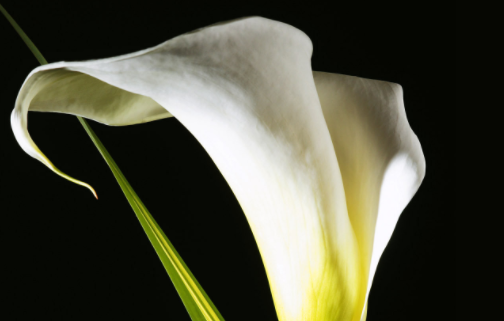
Calla lily has several common names, such as hen taro, wolf's bane flower, wild taro, mountain taro, big-root taro, big worm taro, heavenly taro and tianmeng. As an ornamental plant it is called "drip-guanyin" (Alocasia). The appearance of the calla lily is simple and pure, and the white calla lily is especially fresh and delicate. The flower language of the calla lily is very beautiful: pure, happy, elegant and pure love. The calla lily itself also represents sincerity, simplicity, purity and inner elegance. So, would you like to know what cultivation techniques there are for calla lily? Do you want to grow calla lily well? Today, we will next get to know this plant, the calla lily.
The flower language of calla lily
White calla lilies given to classmates and friends carry the flower language of youthful vitality; yellow calla lilies given to close friends carry the flower language of noble friendship; orange-red calla lilies symbolize love, so give them to the person you admire, because their flower language is "I like you." The appearance of the calla lily is simple and pure, and the white calla lily is especially fresh and delicate. The flower language of the calla lily is very beautiful: pure, happy, elegant and pure love. The calla lily itself also represents sincerity, simplicity, purity and inner elegance.
How to grow calla lily
Soil: Calla lily can be cultivated in a nutrient soil mix of leaf mold, peat soil, river sand and a small amount of thoroughly composted cake fertilizer. Usually repot once every spring, and loosen the soil once a month to keep the potting soil in a well-aerated state.
Fertilizing: Calla lily is relatively fond of fertilizer. From March to October, apply a liquid fertilizer once every half month, and especially increase the amount of nitrogen fertilizer, so that the leaves will grow as large as lotus leaves and become smooth and lovely. Fertilizing should stop when the temperature is below 15 degrees.
Temperature:The growing temperature for calla lily is 20-30 degrees, and it can tolerate a low temperature of 8 degrees at minimum. During high summer temperatures, as long as the soil is kept moist, misted frequently and shaded, it can still grow normally. In winter, the room temperature must not be below 5 degrees.
Light:Calla lily is a shade-tolerant plant that likes a semi-shaded environment. It should be placed in an environment that is both shaded and ventilated, and must not be exposed to the scorching sun, to avoid large areas of scorching on the plant.
Watering:Calla lily is especially fond of moisture. During the growing season, not only must the potting soil be moist, but the air humidity must also be no less than 60%. During high summer temperatures, increase misting to create a relatively cool and moist environment. For potted calla lilies placed in an indoor air-conditioned hall, both the potting soil must be kept moist and the leaves must be misted from time to time. If the winter room temperature cannot reach 15 degrees, watering should be controlled, otherwise it easily leads to root rot. Generally, misting once a week with warm water is enough to keep the leaves a deep green.
The above is what I have learned today about herbaceous plants. I hope fellow flower lovers will find this article helpful after reading it. For more knowledge about herbaceous flowers, please continue to follow our Succulent Flower Garden, and we will provide you with more related content as soon as possible!
Calla lily picture collection: calla lily flower language and meaning
Calla lily, also called drip-guanyin, is a toxic ornamental plant. Although the calla lily is toxic, the plant's form is very beautiful and it is deeply loved by many people. It is a plant that often appears in homes and public places. Calla lilies also come in many colors, and the meanings represented by different colors differ somewhat.
Calla lily flower language and meaning
The flower language of the calla lily is purity and happiness, and it also symbolizes pure and simple love, just like the youthful era each of us has experienced, when love first blossoms and everything is simple and lovely.
The white calla lily is like our student days, flourishing upward and full of youthful vitality, so it is suitable for giving to our classmates and friends. The yellow calla lily is a bit more intimate; give a bouquet of yellow calla lilies to your best girlfriends or best guy friends, and let them feel how much you value the friendship between you! The orange-red calla lily is passionate and uninhibited, and using it to give to the person you admire to express your love is simply the best.
The uses of calla lily
1. The effects of calla lily
Not only is the sap of drip-guanyin toxic, but the water it drips is also toxic, so it has the effect of removing dust. Also because of its toxicity, drip-guanyin can repel insects and mosquitoes.
2. The medicinal value of calla lily
Treats colds and headaches, and can relieve summer heat and refresh the mind. Wrap the calla lily root in damp paper and heat it, then rub it on the forehead, lower back, wrists and ankles to feel comfortable and unblocked.
Treats abdominal pain. Decoct four liang of calla lily corm, then add two liang of sao-guan leaves when it is boiling, remove the residue, and drink it.
Treats rheumatic pain. Place camphor on a thick slice of calla lily, roast the camphor over a fire, and while the fire has not yet gone out, quickly place the calla lily on the rheumatic area.
3. Other effects of calla lily
The stem of the calla lily is usually used as medicine, and can treat diseases such as cholera, hernia, tuberculosis and rheumatic heart disease. When used externally, it can treat edema, remove toxins, and treat snake and insect bites and scalds.
If mixed with kerosene, it can treat neurodermatitis. Veterinarians usually use begonia to treat cattle colds and swine erysipelas.
How to grow calla lily
1. Soil: Calla lily can be cultivated in a nutrient soil mix of leaf mold, peat soil, river sand and a small amount of thoroughly composted cake fertilizer. Usually repot once every spring, and loosen the soil once a month to keep the potting soil in a well-aerated state.
2. Fertilizing: Calla lily is relatively fond of fertilizer. From March to October, apply a liquid fertilizer once every half month, and especially increase the amount of nitrogen fertilizer, so that the leaves will grow as large as lotus leaves and become smooth and lovely. Fertilizing should stop when the temperature is below 15 degrees.
3. Temperature: The growing temperature for calla lily is 20-30 degrees, and it can tolerate a low temperature of 8 degrees at minimum. During high summer temperatures, as long as the soil is kept moist, misted frequently and shaded, it can still grow normally. In winter, the room temperature must not be below 5 degrees.
4. Light: Calla lily is a shade-tolerant plant that likes a semi-shaded environment. It should be placed in an environment that is both shaded and ventilated, and must not be exposed to the scorching sun, to avoid large areas of scorching on the plant.
5. Watering: Calla lily is especially fond of moisture. During the growing season, not only must the potting soil be moist, but the air humidity must also be no less than 60%. During high summer temperatures, increase misting to create a relatively cool and moist environment. For potted calla lilies placed in an indoor air-conditioned hall, both the potting soil must be kept moist and the leaves must be misted from time to time. If the winter room temperature cannot reach 15 degrees, watering should be controlled, otherwise it easily leads to root rot. Generally, misting once a week with warm water is enough to keep the leaves a deep green.
How should calla lily be eaten
The rhizome of calla lily contains a large amount of starch and can be used for industrial purposes, but it must never be eaten raw. It must be stir-fried with rice until scorched yellow, and boiled for a long time (at least 2 hours) before it can be used.
Although the calla lily is toxic, its rhizome contains a large amount of starch and can be used for industrial purposes after processing. In short, calla lily must absolutely not be eaten raw. In addition, the calla lily has some other effects and uses, such as treating cholera and hernia, making it a plant with a very wide range of uses.