How to grow Kochia scoparia? A complete analysis of Kochia scoparia cultivation precautions
Weeds
During the growth of Kochia scoparia, if not dealt with in time, many weeds will surely grow around it. At this time, we need to clear the weeds around the plant. We can weed manually, use machines to weed, use chemical methods to weed, or use methods such as replacement control and ecological control to weed. Regularly weeding the plant is very beneficial to its growth.
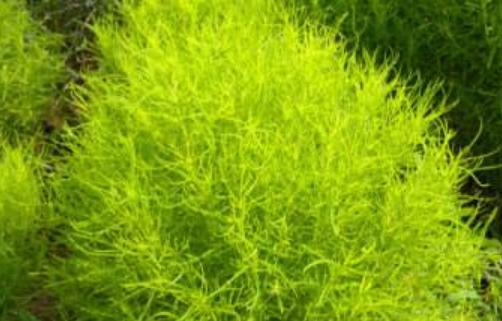
Kochia scoparia cultivation methods and precautions
Kochia scoparia cultivation methods
Soil
Kochia scoparia has low requirements for soil. It likes loose, fertile, humus-containing, well-drained sandy soil, but it can also tolerate poor and thin soil, and can also tolerate alkaline soil.
Light and temperature
Kochia scoparia likes a sunny environment, but it is also a relatively shade-tolerant plant.
In terms of temperature, Kochia scoparia likes warmth and is not cold-tolerant. In addition, the suitable temperature for Kochia scoparia germination is between 10-20°C.
Water and fertilizer management
In terms of water and fertilizer management, the care and management of Kochia scoparia is still very simple and extensive. Basically, when planting, you need to first apply a sufficient amount of base fertilizer to Kochia scoparia and water it thoroughly once.
After planting, Kochia scoparia needs 2-3 additional fertilizer applications each year, though of course no further fertilization is also possible. As for watering, although Kochia scoparia can tolerate drought, it should still be given a certain amount of water to keep the soil moist so that Kochia scoparia will grow well. During the growing period, water once every 7-10 days. Let the soil dry and then water, and avoid waterlogging.
Propagation methods
Kochia scoparia is generally propagated by sowing seeds, usually in spring, by direct sowing. Sow Kochia scoparia seeds in April each year. Apply base fertilizer before sowing and keep the soil moist. Seedlings will emerge in about 10 days, and then they can be planted out at the appropriate time. Propagation of Kochia scoparia by sowing germinates quickly and uniformly, and is simple to care for.
Kochia scoparia cultivation precautions
Weeds
During the growth of Kochia scoparia, it is inevitable that many weeds will appear, and the weeds need to be removed. Methods such as manual control, mechanical control, chemical control, replacement control and ecological control can be used for weeding.
Pests and diseases
Kochia scoparia is relatively susceptible to damage by aphids and parasitism by dodder. Timely control is needed.
How to plant Kochia scoparia: Kochia scoparia planting methods and precautions
Kochia scoparia, I believe many people are fairly familiar with it. Kochia scoparia as a whole is fresh and green, round-spherical in shape, not only cute but also able to give people a quiet and elegant feeling, and is deeply loved and sought after by flower lovers. But many flower lovers say they do not know how to plant Kochia scoparia. Below, the editor will explain in detail the cultivation techniques of Kochia scoparia and the precautions to note!
How to plant Kochia scoparia
1. Thinning and transplanting: For direct sowing of Kochia scoparia in open ground, when the seedlings grow to 15-20 cm tall, the seedlings can be thinned to a spacing of 70-100 cm between plants and rows while combining with harvesting young seedlings. For seedling raising in protected cultivation, when the seedlings grow to 6-10 cm, they can be transplanted and planted out.
2. Water and fertilizer management: In addition to applying sufficient base fertilizer, Kochia scoparia should be given a quick-dissolving biological organic fertilizer at 150 kg/hectare once with irrigation during thinning and seedling recovery. During the growing period, water once every 7-10 days.
3. Pest and disease control: Kochia scoparia is susceptible to aphid damage, which can be controlled with a 1000-1200 times dilution of 40% dimethoate emulsifiable concentrate. It is also easily parasitized by dodder, which should be removed promptly once found.
4. Timely harvesting: When planting Kochia scoparia, the young seedlings can generally be harvested when the plant grows to 15-20 cm tall. From April to July, young stems and leaves can be harvested successively. After the Beginning of Autumn, the whole plant or seeds can be harvested.
Kochia scoparia planting methods
1. Soil
Kochia scoparia has low requirements for soil. It likes loose, fertile, humus-containing, well-drained sandy soil, but it can also tolerate poor and thin soil, and can also tolerate alkaline soil.
2. Light and temperature
Kochia scoparia likes a sunny environment, but it is also a relatively shade-tolerant plant.
In terms of temperature, Kochia scoparia likes warmth and is not cold-tolerant. In addition, the suitable temperature for Kochia scoparia germination is between 10-20°C.
3. Water and fertilizer management
In terms of water and fertilizer management, the care and management of Kochia scoparia is still very simple and extensive. Basically, when planting, you need to first apply a sufficient amount of base fertilizer to Kochia scoparia and water it thoroughly once.
After planting, Kochia scoparia needs 2-3 additional fertilizer applications each year, though of course no further fertilization is also possible. As for watering, although Kochia scoparia can tolerate drought, it should still be given a certain amount of water to keep the soil moist so that Kochia scoparia will grow well. During the growing period, water once every 7-10 days. Let the soil dry and then water, and avoid waterlogging.
4. Propagation methods
Kochia scoparia is generally propagated by sowing seeds, usually in spring, by direct sowing. Sow Kochia scoparia seeds in April each year. Apply base fertilizer before sowing and keep the soil moist. Seedlings will emerge in about 10 days, and then they can be planted out at the appropriate time. Propagation of Kochia scoparia by sowing germinates quickly and uniformly, and is simple to care for.
Kochia scoparia precautions
1. Weeds: During the growth of Kochia scoparia, it is inevitable that many weeds will appear, and the weeds need to be removed. Methods such as manual control, mechanical control, chemical control, replacement control and ecological control can be used for weeding.
2. Pests and diseases: Kochia scoparia is relatively susceptible to damage by aphids and parasitism by dodder. Timely control is needed.
Kochia scoparia insect pests and their control
During the growth of Kochia scoparia, diseases are not very likely to occur, but insect pests still exist. Kochia scoparia is susceptible to aphid damage. When aphids are found, manual pest removal can be used to drive them away, or biological control methods can be used. In addition, a 1000-1200 times dilution of 40% dimethoate emulsifiable concentrate can be sprayed to repel insects, or a 500 times dilution of 10% imidacloprid wettable powder can be sprayed for control.
Besides aphids, there is also damage from green caterpillars, mostly occurring from late June to mid-August. When green caterpillar damage is found, the insects can be removed manually, or pesticides can be used, spraying a 1000-2000 times dilution of 40% dimethoate emulsifiable concentrate or a 4000 times dilution of 20% Dingkang granules for control.
In summary, Kochia scoparia is not only beautiful and elegant and can be used as a potted plant to decorate a room, but also has very high edible value and medicinal value! What are you still waiting for? Hurry and take action to add a touch of greenery to your home!