How to grow Haemanthus albiflos? Detailed guide to care methods and precautions
1. Soil
Haemanthus albiflos has certain requirements for soil; it is best if the soil is loose, breathable and well-draining, and the soil should also be slightly acidic. We can mix this kind of soil ourselves: leaf mold, peat and river sand can be mixed in a certain ratio to obtain the soil we need. If you find this too troublesome, you can buy this kind of soil from a specialty flower shop.
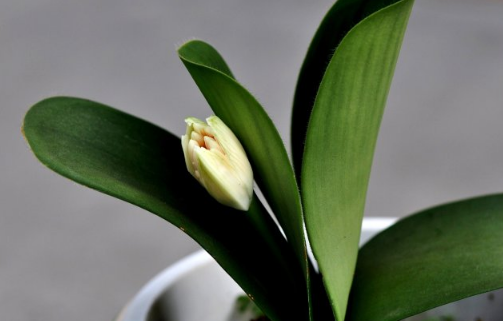
2. Light
Haemanthus albiflos loves sunlight very much. During its peak growing period, the plant should be given sufficient light, which is very beneficial to its growth. But in summer, because the sunlight is too intense, it should be given some shade, which can prevent the leaves from being damaged. But be careful with shading as well; it must not be excessive, otherwise the plant will produce thinner leaves due to lack of light, and in severe cases it will also affect the plant's flowering and ornamental value.
3. Temperature
Haemanthus albiflos likes a warm growing environment. Its most suitable growing temperature differs between day and night: it is best to keep it between 16-21°C during the day and 10-12°C at night. Also, because Haemanthus albiflos is very intolerant of cold, the temperature in winter must not be below 5°C, otherwise the plant may be frostbitten, and in severe cases may even die.
The above is an introduction to the question of how to grow Haemanthus albiflos. Next, let us learn what else needs attention when growing Haemanthus albiflos.
How to grow Haemanthus albiflos: cultivation methods and precautions
Haemanthus albiflos is a common herbaceous plant. Its original place of origin was Africa, and it was later introduced and cultivated in our country, and it is now widely distributed. Because Haemanthus albiflos has high ornamental value, it attracts many people to grow it. However, before growing it, surely everyone is more concerned about understanding its cultivation techniques.
How to grow Haemanthus albiflos
1. For potted soil, use a mixed soil of leaf mold, coarse sand and peat. During the plant's growing period, fertilize once every ten days, and the amount of fertilizer should not be too concentrated or excessive. In summer and autumn, when the potting soil is relatively dry, water promptly and water thoroughly. In winter, Haemanthus albiflos will briefly enter a semi-dormant state, at which time water less and place it indoors in a sunny spot.
2. When sunlight is strong in summer, provide shade. In autumn, strengthen light and water and fertilizer management, thereby promoting good development of the inflorescence and helping the overall plant form be graceful. The suitable temperature during the growing period of Haemanthus albiflos is 18~24°C, and in winter the temperature should be kept at 13~15°C.
Cultivation methods for Haemanthus albiflos
1. Soil requirements: Haemanthus albiflos likes slightly acidic soil. Moreover, the soil should have good breathability, so slightly acidic sandy soil can be chosen, that is, a mixed soil of leaf mold, peat and coarse sand. This is beneficial to the air flow in the soil layer and the permeability of water, and is good for the growth of Haemanthus albiflos.
2. Temperature requirements: The suitable growing temperature for Haemanthus albiflos is 16-21°C during the day and 10-12°C at night. Because Haemanthus albiflos has extremely poor cold tolerance, the winter temperature must not be lower than 5°C, and it should be placed indoors or in a greenhouse to overwinter.
3. Light requirements: Haemanthus albiflos likes a semi-shaded environment. Especially in summer, Haemanthus albiflos should be placed in a semi-shaded environment, and it should not be placed in direct sunlight, but it also should not be in a completely dark corner, as this is not good for the growth of Haemanthus albiflos.
4. Water: During the growing period of Haemanthus albiflos, keep the potting soil moist, but slightly on the dry side. Avoid rain exposure, and the potting soil must not become waterlogged, otherwise it will cause bulb rot. Bulb rot is a disease caused by infection by various fungi and a few bacteria that leads to rot of the bulbs of flowers and crops. This can cause young stems to fail to emerge or hinder leaf growth, turning yellow to red or green, and finally withering or even death.
5. Fertilization: During the growing period, apply a nitrogen-phosphorus-potassium compound fertilizer once every half month. This promotes the growth of Haemanthus albiflos and reduces pests and diseases.
Precautions for Haemanthus albiflos
1. Haemanthus albiflos prefers a sunny, warm and well-ventilated growing environment and is not tolerant of severe cold. When winter is cold, Haemanthus albiflos is most prone to frost damage; its leaves will rot, wither and then fall off due to frost damage, and the plant's stems will also become dry.
2. Therefore, in cold weather, place it in a sunny spot on the balcony and give it plenty of sunlight; in cold overcast weather, you can wrap the plant with plastic film to take frost protection measures. Pay attention to ventilation, but do not let the plant face a draft.
Leaf spot disease of Haemanthus albiflos and its control methods
1. The most common disease in the disease cycle of Haemanthus albiflos is leaf spot disease. Haemanthus albiflos suffering from leaf spot disease will have its leaves seriously affected, causing them to gradually turn yellow and eventually wither. Sometimes it causes deformed leaf development or failure to bloom, reducing the plant's normal growth and ornamental beauty.
2. Causes: When Haemanthus albiflos shows these symptoms, it indicates that the plant's growing environment is unsuitable. It may be caused by unsuitable fertilizer or water.
3. We can fertilize the plant on time and in the right amount, specifically once every three months. Haemanthus albiflos has a great demand for light. Except in summer, light should be strengthened in all other seasons. If there is insufficient sunlight, the leaves may become too thin, and it may even threaten the plant's health.
When cultivating Haemanthus albiflos, you must first choose good soil, then adjust light and temperature. After that, water and fertilizer management need to be strengthened; too much or too little is harmful to its growth. The most common problem when cultivating Haemanthus albiflos is leaf spot disease, so preventing and controlling leaf spot disease is also very important.
How to grow Haemanthus albiflos? Cultivation methods and precautions for Haemanthus albiflos
Haemanthus albiflos is a perennial evergreen herbaceous plant, also known as snake plant, cow tongue orchid, and so on. The leaves of Haemanthus albiflos are emerald green all year round, and the rounded arc-shaped leaf edges look soft and beautiful. When it blooms, yellow anthers are borne at the tips of the white flower clusters, bright and brilliant, making it very suitable for indoor planting as an ornamental potted plant. So, how should Haemanthus albiflos be grown? The cultivation methods and precautions for Haemanthus albiflos are introduced below.
Image: Haemanthus albiflos
I. Growth habits of Haemanthus albiflos
Haemanthus albiflos is native to tropical Africa and has been introduced and cultivated in our country. It likes a sunny, warm, humid and well-ventilated environment. It is relatively drought-tolerant and not cold-tolerant. The suitable growing temperature is 15~25°C, and it requires well-draining slightly acidic loam. The cultivation substrate can be made by mixing peat, leaf mold and river sand evenly. During the growing season, apply decomposed cake fertilizer once a month, and appropriately supplement phosphorus fertilizer. After winter dormancy, it can be repotted and divided. In cold regions, it should be moved into a greenhouse for maintenance, ensuring a minimum temperature of 5°C, otherwise it is prone to frost damage.
Image: Haemanthus albiflos
II. Cultivation methods for Haemanthus albiflos
1. Soil:Haemanthus albiflos is suitable for growing in loose, fertile, well-draining slightly acidic sandy loam. A mixture of peat, leaf mold and river sand can be chosen and mixed evenly. During the growing period, fertilize once every ten days.
2. Watering:For Haemanthus albiflos, water again after the surface soil is dry. Never let it be exposed to rain or become waterlogged, as this will cause bulb rot. In summer and autumn, if the potting soil is too dry, it will affect leaf growth. In winter it has a short semi-dormant state, so watering should be reduced.
3. Light:Haemanthus albiflos needs a relatively good light environment. In summer it should be shaded, and in other seasons light should be strengthened. Too much shade will not only make the leaves thinner, but will also affect flowering and the overall plant form.
4. Temperature:The suitable growing temperature for Haemanthus albiflos is 10~12°C at night and 16~21°C during the day. In summer it should be kept in semi-shade, and during the flowering period it needs cool conditions. At the end of autumn the bulb goes dormant for overwintering, and the temperature must not be lower than 5°C, while keeping the soil dry.
Image: Haemanthus albiflos
III. Precautions for cultivating Haemanthus albiflos
1. During the rainy season, special attention should be paid to Haemanthus albiflos: it must not be exposed to rain, and the potting soil must not become waterlogged. It should be placed in a rain-sheltered spot.
2. Usually apply 15% cake fertilizer water once every half month to Haemanthus albiflos, and before flowering, apply compound fertilizer twice additionally.
3. If Haemanthus albiflos has insufficient light or the potting soil is too wet, it will cause leggy branches and leaves, leading to soft, drooping leaves and reduced ornamental value.
4. Haemanthus albiflos is not very cold-tolerant, so it should be moved indoors in early winter and placed in a sunny spot. As long as the temperature is not lower than 0°C, it can overwinter.
Image: Haemanthus albiflos
[Editor's concluding remarks]Haemanthus albiflos likes a sunny, warm and humid environment. It is drought-tolerant but not cold-tolerant, and special attention is needed during care. The above has introduced the cultivation methods and precautions for Haemanthus albiflos, and we hope it will be helpful to everyone!