How to care for air plants? A full breakdown of care methods for all four seasons
Spring
Spring is the season most suitable for air plants to grow, with suitable temperatures and gentle light; keep the temperature below 28°C, and every variety can enjoy an all-day sunbath. With good ventilation, you can water freely.
Summer
Summer is the season that needs the most attention in terms of care; in June they can get half a day of light. In midsummer, shading is recommended, and direct light should be avoided after 10 a.m.
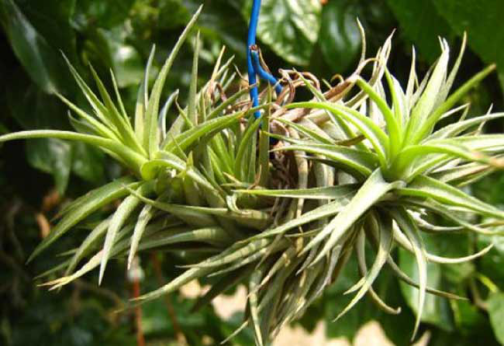
Autumn
From September to November, this is also the growing season for air plants. When temperatures are high, water and light should be given in moderation to avoid suffocating them. Autumn is dry and crisp, so you can water once every two days; for some varieties the leaf center easily collects water, so note that it must not exceed two days; if soaking is needed, it must not exceed six hours.
Winter
From December to February, keep all-day direct light. At this time air plants need warmth the most; place them on an indoor balcony or in a bright spot, and as long as they stay warm, air plants will keep growing, just much more slowly than in other seasons. Water during the daytime; with suitable temperatures, frost damage will not occur.
That is all for today's sharing of care tips! Thank you for reading!
Four-season care for ornamental bromeliads
Ornamental bromeliads are indoor potted flowers that can be enjoyed both for their flowers and their foliage. Because the inflorescences of ornamental bromeliads are very vivid and the flowering period is very long, they have become a very popular variety on the market. However, the care and management methods for ornamental bromeliads differ from season to season. How can you keep your ornamental bromeliad looking its best in every season? Let me introduce it to you.
Ornamental bromeliad
1. Spring management
In early spring, ornamental bromeliads can be placed by a windowsill with ample light, with care the same as in winter. In spring, attention should be paid to shading from the midday light or growing them under half light; in late spring they should be placed under half light or bright indirect light. Spring is the peak growing season for ornamental bromeliads, so attention should be paid to supplying water and fertilizer.
When the minimum spring temperature stays stably above 15°C, repotting and division can be done. Ornamental bromeliads bloom only once in their lifetime; after flowering, the leaves of the plant age, the plant shape becomes loose and scattered, and it loses its ornamental value. You can wait until the new young offsets grow from the base of the stem and get bigger, then cut off the young offsets and plant them, and the old plant can be discarded.
2. Summer management
In summer, ornamental bromeliads should be placed in a bright spot or grown under half light, keeping the potting soil moist, and top-dressing with fertilizer. At the same time, increase the frequency of misting and sprinkling water on the leaves and around the plant to maintain higher air humidity; plants grown indoors should be given attention for indoor ventilation.
3. Autumn management
Early autumn care is the same as summer, and autumn care is the same as spring. Before temperatures drop in late autumn, ornamental bromeliads placed outdoors should be moved indoors or into a closed balcony; after temperatures drop in late autumn, pay attention to keeping the indoor temperature at around 15°C, keep the potting soil moist, and gradually move them to a windowsill with better light for growing; when the midday temperature is higher, mist water on the leaves and around the plant several times to increase air humidity.
If the indoor temperature in late autumn is relatively low (the minimum should be above 8°C, otherwise they will suffer cold damage), ornamental bromeliads will go dormant and will not bloom until spring temperatures rise. During dormancy, care is the same as in winter when the room temperature is around 10°C, but they should be grown in a spot with better light.
4. Winter management
They can be placed in an indoor spot with light or in a bright spot, with the indoor temperature kept at around 10°C. It is not advisable to store water in the leaf cup; keep the potting soil moist but on the dry side, and when the midday temperature is higher, mist water on the leaves and around the plant several times to raise air humidity. After the flowers lose their ornamental value, they should be placed in a spot with light, which is beneficial to the growth of the basal young offsets.
5. Flowering period management
After the plant's inflorescence emerges, it can be placed indoors in a slightly cooler spot with indirect light for enjoyment. It can be placed in an indoor spot with light or in a bright spot; the room temperature should not be high, and the potting soil should be kept on the dry side, which can extend the viewing time of the flower spike.
What are the four-season care methods for ornamental bromeliads, and what should be noted in care
When bromeliads are mentioned, people naturally think of the pineapple they eat. In daily life, there is a flower called the ornamental bromeliad that is widely loved by people. Its flowers are large, with a hundred different flower forms, and it has many different varieties, each with very gorgeous flowers. Today I will take you to learn about ornamental bromeliads.Four-season management
1. Spring management
In early spring, ornamental bromeliads can be placed by a windowsill with ample light, with care the same as in winter. In spring, attention should be paid to shading from the midday light or growing them under half light; in late spring they should be placed under half light or bright indirect light. Spring is the peak growing season for ornamental bromeliads, so attention should be paid to supplying water and fertilizer.
When the minimum spring temperature stays stably above 15°C, repotting and division can be done. Ornamental bromeliads bloom only once in their lifetime; after flowering, the leaves of the plant age, the plant shape becomes loose and scattered, and it loses its ornamental value. You can wait until the new young offsets grow from the base of the stem and get bigger, then cut off the young offsets and plant them, and the old plant can be discarded.
2. Summer management
In summer, ornamental bromeliads should be placed in a bright spot or grown under half light, keeping the potting soil moist, and top-dressing with fertilizer. At the same time, increase the frequency of misting and sprinkling water on the leaves and around the plant to maintain higher air humidity; plants grown indoors should be given attention for indoor ventilation.
3. Autumn management
Early autumn care is the same as summer, and autumn care is the same as spring. Before temperatures drop in late autumn, ornamental bromeliads placed outdoors should be moved indoors or into a closed balcony; after temperatures drop in late autumn, pay attention to keeping the indoor temperature at around 15°C, keep the potting soil moist, and gradually move them to a windowsill with better light for growing; when the midday temperature is higher, mist water on the leaves and around the plant several times to increase air humidity.
If the indoor temperature in late autumn is relatively low (the minimum should be above 8°C, otherwise they will suffer cold damage), ornamental bromeliads will go dormant and will not bloom until spring temperatures rise. During dormancy, care is the same as in winter when the room temperature is around 10°C, but they should be grown in a spot with better light.
4. Winter management
They can be placed in an indoor spot with light or in a bright spot, with the indoor temperature kept at around 10°C. It is not advisable to store water in the leaf cup; keep the potting soil moist but on the dry side, and when the midday temperature is higher, mist water on the leaves and around the plant several times to raise air humidity. After the flowers lose their ornamental value, they should be placed in a spot with light, which is beneficial to the growth of the basal young offsets.
Points to note
1. In daily care, bromeliad plants should be placed in a semi-shaded, ventilated spot and grown with indirect light. Strong light easily scorches the leaves and causes mottled spots; but be careful not to leave them in too shady a place for a long time, as the beautiful color of the leaves often becomes lighter and paler because of this, causing regret in terms of ornamentation.
2. Under dry, stuffy and hot, or low-temperature conditions, the leaf margins and leaf tips of bromeliads very easily become scorched and withered, so the potting soil should be kept moist; you can spray the leaf surface with clean water 1 to 2 times a day, and the cup-shaped part in the center of the leaf rosette can be filled with clean water. During the peak growing season and flowering period, the potting soil should be kept moist, and at the same time water should be misted on the leaves and around the plant several times every day to increase air humidity. If air humidity is insufficient, the leaves easily curl and lose their luster, affecting growth and ornamentation.
3. Because the scales of ornamental bromeliads that absorb water and nutrients are mainly concentrated on the leaf surfaces on the inner wall of the leaf cup, when watering, the leaf cup should be filled with water. Each time you water, you should also replace the water stored in the leaf cup.
4. After the plant's inflorescence emerges, it can be placed indoors in a slightly cooler spot with indirect light for enjoyment. It can be placed in an indoor spot with light or in a bright spot; the room temperature should not be high, and the potting soil should be kept on the dry side, which can extend the viewing time of the flower spike. After the inflorescence loses its ornamental value, it can be moved to a spot with suitable light for growing, which is beneficial to the growth of side shoots.
The above is the care methods and points to note for ornamental bromeliads that I have compiled. I hope it can be of help to the many flower lovers, and please continue to follow Succulent Garden to learn more about flower care.