What to Do When Freesia Leaves Turn Yellow? Cause Analysis and Solutions
The story takes place when this flower was still growing wild and had no name. One day, a young Dutch lady was hunting in South Africa and saw this flower for the first time, so she collected it herself and brought it back. And the blossoms, giving off a delicate fragrance, were blown along the way onto the snow, until even the ice and snow were steeped in the rich scent. From this, people gave it a lovely name: freesia.
A flower that can even scent the snow is so poetic and romantic! But flowers and leaves will always fall ill, so at such times, how should we protect them?
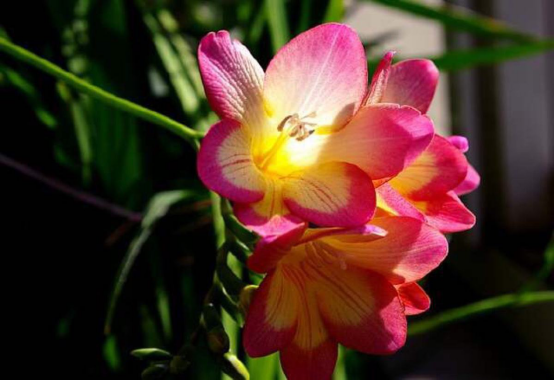
What to Do About Freesia Root Rot and What to Do When Freesia Leaves Turn Yellow
Many people grow freesia at home; it offers both attractive foliage and flowers, and the growing method is simple. However, because many people do not understand the relevant knowledge about freesia, root rot and yellowing leaves often occur. What should be done? Next, today, we will introduce the relevant knowledge.
What to Do About Freesia Root Rot
Causes of Freesia Root Rot
Freesia is also known as freesia, Cape lily, and so on. Freesia likes a warm, humid environment and fears cold and heat. During the growing period it requires plenty of sunlight, with an optimum temperature of 14-25°C. It grows well in fertile, loose, well-drained sandy loam. In short, freesia fears both waterlogging and drought.
Too much watering, lack of ventilation and sunlight, and soil-borne fungal infection easily cause root rot. Excessive soil moisture also very easily causes root rot, while if the soil lacks water, growth will be poor, the leaves will lose their luster, and flowering will also be affected.
Solutions for Freesia Root Rot
Therefore, when caring for freesia, you must tend it carefully: neither heavy fertilizer and heavy water nor letting it dry out and lack water. Apply an organic liquid fertilizer once every two weeks, and a compound chemical fertilizer may also be applied in appropriate amounts. The potting soil should be kept "dry when it should be dry, wet when it should be wet"; do not let water accumulate or the soil become too dry.
At the same time, freesia is very sensitive to smoke and dust. When the plant is exposed to heavy smoke or dust accumulates on the leaves, the leaf tips easily dry up, affecting its normal growth. Therefore, the environment where freesia is placed must have fresh air and little dust.
What to Do When Freesia Leaves Turn Yellow
1. Water-induced yellowing:
Yellow leaves on freesia may be caused by overwatering, with water accumulating in the pot leading to dry, yellow leaf tips. The main signs are dull yellow, lusterless, wilted, drooping young leaves, no obvious change in old leaves, slender yellow-green branches, and short, shrunken, non-growing new shoots.
When overwatering is severe, take the plant out of the pot and place it in a cool, ventilated spot; after the potting soil dries naturally, put it back into the pot.
2. Sunburn-induced yellowing:
Freesia is a short-day plant and relatively shade-loving. Strong sunlight, or suddenly moving it into the sun after a long period in a shady place, easily scorches the leaves, causing dry leaf tips and margins, with yellow patches appearing on the sun-facing parts of the leaves.
If the leaves are scorched and turn yellow, shade the plant promptly, keep it in a semi-shady place for several weeks, then gradually move it into the sunlight.
3. Drought-induced yellowing:
When the plant lacks water, drought in the soil causes the leaf margins to wither and dry out; old leaves turn yellow and drop from the bottom upward, while new leaves grow normally.
Be careful to water thoroughly, check the moisture of the potting soil often, and keep the potting soil moist. When the temperature is high and water evaporates quickly, sprinkle water appropriately to increase air humidity.
4. Fertilizer-induced yellowing:
Too much fertilizer or too high a concentration makes the leaves turn yellow. The signs are dry brown tips on new leaves, thin, lusterless leaves with an uneven, unrelaxed surface, and scorched yellow old leaves that drop off.
Stop fertilizing and water to dilute the fertilizer strength in the soil; in severe cases, take the plant out of the pot and replace the soil directly.
5. Light-deficiency yellowing:
Most houseplants grown at home are placed on windowsills or balconies, but many households place them beside TV cabinets or coffee tables for the sake of appearance. The plant then cannot get enough light, making it hard to form chlorophyll, and the whole plant's leaves gradually turn yellow and drop. Move the plant into the sunlight to supplement light.
6. Nutrient-deficiency yellowing:
Nutrient deficiency in the plant shows as dull, yellow-green young leaves; old leaves grow normally at first, then gradually turn from green to yellow later.
Check the potting soil regularly, replace the soil promptly if it dries and cakes, pay attention to applying thin fertilizer frequently during normal feeding, and water with some alum water at the appropriate time.
The above are the solutions to common problems in freesia cultivation introduced for everyone. We hope they can help you. For more home knowledge, please stay tuned.
What to Do When Freesia Leaves Turn Yellow: 6 Treatment Methods
In the process of growing freesia, what should be done when freesia leaves turn yellow? There are many causes of yellowing freesia leaves. Below are 6 causes of freesia leaf yellowing and the corresponding treatment methods.
What to Do When Freesia Leaves Turn Yellow 1. Yellow leaves caused by too much wateringWhen freesia shows yellow leaves, it is very likely caused by overwatering, because water accumulating in the pot easily causes freesia leaf tips to wither and yellow. The main signs are dull yellow, lusterless, wilted, drooping young leaves, no obvious change in old leaves, slender yellow-green branches, and short, shrunken, non-growing new shoots.
How to handle itIf yellowing leaves are caused by overwatering, it is recommended that growers take the freesia plant out of the pot and place it in a cool, ventilated spot; after the potting soil dries naturally, put it back into the pot.
2. Yellow leaves caused by lack of waterIf the freesia plant lacks water, drought in the soil causes the leaf margins to wither and dry out; old leaves turn yellow and drop from the bottom upward, while new leaves grow normally.
How to handle itIt is recommended to water thoroughly during normal care, and at the same time often check the moisture of the freesia potting soil to keep it moist. When the temperature is high and water evaporates quickly, you can also appropriately increase air humidity by sprinkling water.
3. Yellow leaves caused by strong lightFreesia is a short-day plant and relatively prefers shade. If it is exposed to strong sunlight, or suddenly moved into the sun after a long period in a shady place, the leaves of freesia are easily scorched, causing dry leaf tips and margins; generally, yellow patches appear on the sun-facing parts of freesia leaves.
How to handle itIf freesia leaves wither and yellow due to scorching from strong light, growers need to shade the freesia promptly, or move the freesia to a semi-shady place for several weeks, then return it to normal light.
4. Yellow leaves caused by lack of lightIf freesia is grown at home but placed in a spot with little access to light, the freesia plant cannot get enough light, making it hard to form chlorophyll, and the whole plant's leaves gradually turn yellow and drop.
How to handle itMove the freesia plant into the sunlight to supplement light, while of course avoiding sunburn.
5. Yellow leaves caused by nutrient deficiencyWhen the freesia plant lacks fertilizer, the young leaves are dull in color and yellow-green, while old leaves grow normally at first, then gradually turn from green to yellow later.
How to handle itIt is recommended that growers check the potting soil regularly, replace the soil promptly if it dries and cakes, pay attention to applying thin fertilizer frequently during normal feeding, and water with some alum water at the appropriate time.
6. Yellow leaves caused by too much fertilizerIf freesia is given too much fertilizer, or too high a concentration, then the freesia leaves turn yellow. The signs are dry brown tips on new leaves, thin, lusterless leaves with an uneven, unrelaxed surface, and scorched yellow old leaves that drop off.
How to handle itStop fertilizing immediately, and at the same time water to dilute the fertilizer strength in the soil; if severe, take the plant out of the pot and replace the soil directly.