How to grow Camellia impatiens? Detailed explanation of cultivation precautions
Potting up
In the process of growing Camellia impatiens, especially when potting up, pay attention to choosing loose, fertile soil with good drainage. And when potting up, wait until the seedlings have grown well before doing it!
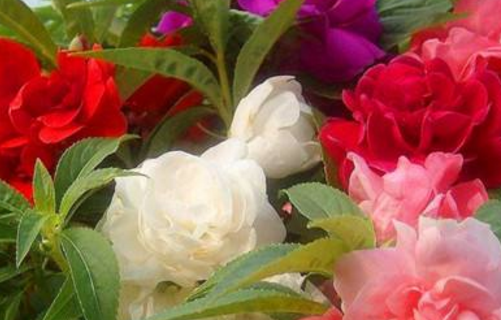
After reading the articles above, do you now have a much better understanding of Camellia impatiens? Are you also able to grow a beautiful pot of Camellia impatiens?
Cultivation methods and precautions for Camellia impatiens
Cultivation methods for Camellia impatiens
Light and temperature
Camellia impatiens is fairly adaptable. Growing Camellia impatiens requires providing suitable light and temperature conditions. The suitable growing temperature for Camellia impatiens is between 15°C and 25°C. It does not tolerate high temperatures; when the temperature is too high, the plant's growth will be affected, and in severe cases it may stop growing. During high summer temperatures, keep the growing environment cool, provide appropriate shade, and avoid direct exposure to strong sunlight, but be careful not to shade too much, because insufficient light may also cause Camellia impatiens plants to grow leggy and the leaf color to become lighter. In winter, pay attention to keeping warm, because Camellia impatiens is relatively intolerant of cold, and maintain sufficient light.
Watering and fertilizing
When growing Camellia impatiens, water and fertilizer are the top priorities. Water must be sufficient to keep the potting soil moist, but absolutely avoid waterlogging, otherwise the roots will rot. During care, watering must be moderate, and a certain level of air humidity should be maintained. In summer, water promptly and spray water on the ground and leaves to maintain air humidity. To give Camellia impatiens sufficient nutrients, apply a dilute fertilizer solution once every 10 [days]; in the early stage of growth, apply more nitrogen fertilizer, and before flowering, control the use of nitrogen fertilizer.
Precautions for growing Camellia impatiens
Propagation methods
Camellia impatiens can be propagated by cuttings, which can be done throughout the year. It generally roots very easily, and in summer it can be propagated in water.
Pests and diseases
During the cultivation of Camellia impatiens, there are many diseases, including damping-off, powdery mildew, southern blight and mosaic disease, all of which adversely affect the growth of Camellia impatiens to varying degrees. When Camellia impatiens is found to be growing poorly due to disease, control measures can be taken promptly.
Potting up
When growing Camellia impatiens, when potting up, choose sandy soil with good drainage, and it needs to be somewhat fertile. Potting up should be done when the Camellia impatiens seedlings have grown to a certain size.
How to plant Camellia impatiens: planting methods and precautions for Camellia impatiens
Camellia impatiens is a variety of impatiens with relatively complex petals. The flowers look very similar to the double, layered petals of camellias, so people call this kind of impatiens Camellia impatiens. Although Camellia impatiens differs somewhat in form from ordinary impatiens, there is not much difference in planting, care, and basic characteristics.
How to plant Camellia impatiens
Camellia impatiens can be sown and propagated in all four seasons, mainly by broadcasting and dibbling. The temperature also needs to be maintained at around 20 degrees, so that roots will appear in one week. The specific steps are: decide the cultivation environment according to the seedling stage; at first place them in nutrient pots and then transplant them into pots for cultivation; the potting soil needs to be nutrient-rich and an appropriate base fertilizer should be applied. In addition, according to the branching habit of different varieties, pinch the tips of Camellia impatiens plants at the seedling stage. Also, Camellia impatiens is afraid of heat, so in summer keep the environment cool, strengthen ventilation, and provide appropriate shading. In winter and spring, ensure sufficient light and no shading is needed. In terms of water, during the growing period of Camellia impatiens, increase the amount of watering, especially in summer, water more to keep the environment moist, otherwise the plants will wilt, but be sure not to let water accumulate, otherwise the plants will have rotten roots. In addition, during the growth period of Camellia impatiens plants, maintain air humidity, spray water around them appropriately, and fertilize promptly; in this way, the plant height and shape can be controlled, but fertilization also needs attention: apply more nitrogen fertilizer in the early stage, and control nitrogen fertilizer application in the later stage.
Planting methods and precautions for Camellia impatiens
1. Light and temperature
Camellia impatiens is fairly adaptable. Growing Camellia impatiens requires providing suitable light and temperature conditions. The suitable growing temperature for Camellia impatiens is between 15°C and 25°C. It does not tolerate high temperatures; when the temperature is too high, the plant's growth will be affected, and in severe cases it may stop growing. During high summer temperatures, keep the growing environment cool, provide appropriate shade, and avoid direct exposure to strong sunlight, but be careful not to shade too much, because insufficient light may also cause Camellia impatiens plants to grow leggy and the leaf color to become lighter. In winter, pay attention to keeping warm, because Camellia impatiens is relatively intolerant of cold, and maintain sufficient light.
2. Watering and fertilizing
When growing Camellia impatiens, water and fertilizer are the top priorities. Water must be sufficient to keep the potting soil moist, but absolutely avoid waterlogging, otherwise the roots will rot. During care, watering must be moderate, and a certain level of air humidity should be maintained. In summer, water promptly and spray water on the ground and leaves to maintain air humidity. To give Camellia impatiens sufficient nutrients, apply a dilute fertilizer solution once every 10 [days]; in the early stage of growth, apply more nitrogen fertilizer, and before flowering, control the use of nitrogen fertilizer.
3. Propagation methods
Camellia impatiens can be propagated by cuttings, which can be done throughout the year. It generally roots very easily, and in summer it can be propagated in water.
4. Pests and diseases
During the cultivation of Camellia impatiens, there are many diseases, including damping-off, powdery mildew, southern blight and mosaic disease, all of which adversely affect the growth of Camellia impatiens to varying degrees. When Camellia impatiens is found to be growing poorly due to disease, control measures can be taken promptly.
5. Potting up and cultivation
When potting up Camellia impatiens, choose sandy soil with good drainage, and it needs to be somewhat fertile. Potting up should be done when the Camellia impatiens seedlings have grown to a certain size.
Growth habits of Camellia impatiens
Camellia impatiens likes a warm growing environment with sufficient sunlight, and likes a humid climate. The suitable growing temperature for Camellia impatiens is between 15°C——25°C. It does not tolerate cold and avoids heat. In summer, it requires a cool climate and then appropriate shading. Camellia impatiens likes loose, fertile sandy soil with good drainage.
When does Camellia impatiens bloom?
The blooming time of Camellia impatiens is not in spring and summer, when most flowers compete in splendor, but in autumn, when many flowers have already faded. This is quite unique. In autumn, everyone can admire Camellia impatiens and add some color to autumn.
So when planting Camellia impatiens, we can basically follow the general cultivation methods for impatiens, but the blooming season of Camellia impatiens differs greatly from ordinary impatiens. Generally speaking, the flowering period of impatiens is in spring and summer, while Camellia impatiens chooses to bloom in autumn.