Cultivation Methods and Precautions for Passionflower
Soil
Passionflower has no strict requirements for soil and is highly adaptable; it can be planted in front of and behind houses, or even along roadsides, but planting passionflower in soil rich in organic matter, loose, with deep soil layers and good drainage will allow it to grow better.
Light
Passionflower is a tropical and subtropical plant, so it likes sunlight, and it is therefore best to plant it in a place with ample sunlight. If you really must grow it as a potted plant at home, remember to place it on a south-facing windowsill that receives sun.
Water
Passionflower has relatively strict requirements for water; it fears both waterlogging and drought. If it lacks water during flowering and fruiting, it will lead to small fruit, reduced quality and fruit drop, so the amount of watering should be increased or decreased according to the situation.
Fertilizing
At the initial planting, remember to apply base fertilizer in combination with digging the planting holes; apply at least 10 kg and no more than 15 kg of decomposed farmyard manure per hole. After harvesting the fruit each year, apply sufficient base fertilizer in combination with pruning and weeding, applying a sufficient amount of decomposed organic fertilizer per plant.
Precautions for Growing Passionflower
Moderate Watering
When passionflower is found to be drought-stressed, water it promptly; during the rainy season, pay attention to timely drainage to avoid root rot caused by accumulated rainwater. In daily care, it is only necessary to ensure the soil does not turn pale. When passionflower is flowering and setting fruit, ensure the soil moisture content is at its maximum, but be careful not to let it become waterlogged.
Timely Topdressing
Topdressing for passionflower is generally carried out after the seedlings have established and survived, once a month, starting with a dilute application and then a stronger one, with thin manure water being preferable. After planting passionflower, irrigate and drain promptly according to the weather and the growth condition of the seedlings, and apply light fertilizer two to three times. Note that passionflower is relatively sensitive to nitrogen fertilizer; applying too much before flowering tends to cause excessive growth without fruiting, so simply apply more phosphorus and potassium fertilizer.
The above is an introduction to the cultivation methods and a reminder of the precautions for passionflower. Is it useful to you if you want to grow a pot of passionflower?
Introduction to Passionflower Planting Techniques and Cultivation Methods
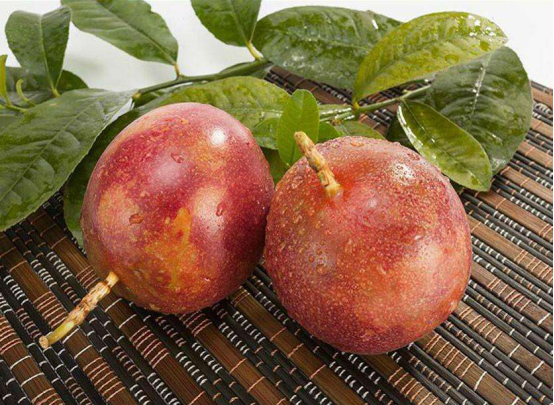
Passionflower is also known as egg fruit, Brazilian fruit, vine peach, passion fruit, vine peach, passion fruit, and heart-turning lotus, among other names. It is a perennial evergreen climbing woody vine, and its fruit is very fragrant and delicious, earning it the reputation of the king of fruit juices. The stem of passionflower is cylindrical and slightly angular, with no hairs at all; the leaves are papery, heart-shaped at the base, and palmately 5-parted, with the middle lobe ovate-oblong. Its flowers are very large and pale green; the berry is ovoid-globose, nearly spherical, orange-yellow or yellow, with many seeds that are obcordate. The flowering period is generally from May to July. Below, let us learn together about the introduction to passionflower planting techniques and cultivation methods.
[Introduction to Passionflower]
The fruit of passionflower contains more than 135 kinds of aromatic substances, making it suitable for processing into juice. It can also be combined with other different kinds of fruit to make mixed juices, thereby improving the taste and aroma of the fruit juice, and it can also be made into various ice creams or used as an additive in other foods, thereby increasing the aroma of the food and improving its quality. Passionflower originated in Brazil, and was later gradually introduced and planted in South Africa, the countries of Southeast Asia, Australia, the South Pacific and other regions.
[Growth Habits of Passionflower]
Passionflower is a fruit of tropical and subtropical regions, and it likes to grow in a sunny, sun-facing and relatively warm climate. Passionflower has a very strong ability to adapt to the environment, and its requirements for soil are not particularly high. It can be planted in front of and behind houses, along roadsides, and in mountainous areas. It likes to grow in loose, fertile, deep soil with good drainage, ample sunlight and rich organic matter. It is averse to waterlogging, and its drought tolerance is not particularly good, so the soil needs to be kept moist for a long time.
[Passionflower Planting Techniques]
There are many propagation methods for passionflower, including seed propagation, layering propagation and cutting propagation, and propagation using fruit seeds has a very high germination rate; seed propagation is also a relatively common propagation method.
1. Seed propagation: The seed propagation method can be carried out in all four seasons, and sowing in spring and autumn is the best time. Generally, a robust, pest- and disease-free, high-yielding mother plant is used, and it is best to use relatively heavy, well-formed, mature seeds; after washing off the residue on them, sow them. Use carbendazim to disinfect the seeds, then scatter the seeds onto the seedbed, cover them with a thin layer of grass for shading, and then pour enough water. During the clear, sweet period, water can be sprayed once in the morning and once in the evening, and after half a month they will emerge from the soil. When the seedlings have grown out, fertilizer can be increased, and thin fertilizer and even-number liquid fertilizer can be used for irrigation. When the seedlings have grown to about 4 true leaves, they can be transplanted.
2. Layering propagation: Layering propagation is an asexual propagation method, and generally the best time is in February to March in spring. Press the branches on the mother bamboo into the soil, then wrap them with soil to form adventitious roots, separate the branches above from the mother plant, and then form independent plants for propagation. Using the ring-barking method makes the plant grow relatively quickly, and the time to become a seedling is also relatively short.
3. Cutting propagation: Cutting propagation is also carried out in February to March, and the autumn cutting propagation method can be used. Select relatively robust and mature one-year-old vines as cutting material, with a length of 10-15 cm. After the cuttings are trimmed, they can be soaked in rooting powder for half an hour, then placed into loess and humus soil for cutting, watered thoroughly, and the soil kept moist according to the weather.
[Introduction to Passionflower Cultivation Methods]
1. Soil: To grow passionflower, you need to choose loose, fertile, sandy soil with a loose texture and good air permeability, or places with tight sand soil, clay soil, and cold sand soil that are easily washed away are not suitable for planting, or can be planted after improvement. Soil with a pH of 7.0, neutral or slightly acidic, is the most suitable.
2. Watering: When growing passionflower, do a good job of watering and drainage measures, and you can add light fertilizer or foliar fertilizer for irrigation. When the seedlings grow to 40-50 cm, support them promptly, then guide the young vine stems onto the trellis. When the young trees grow to 70-80 cm, side vine branches can be retained, and then separately guided onto the trellis.
3. Fertilizing: Passionflower is a relatively large vine fruit tree, and it needs a very large amount of nutrients. When planting, apply enough base fertilizer, and then plant the passionflower seedlings. For the base fertilizer of passionflower, farmyard manure and tung oil cake fertilizer can be applied, and regular topdressing is needed. When topdressing, more than the usual amount of compound fertilizer should be added. After flowering, too much nitrogen fertilizer can be applied.
4. Pruning: If you want the passionflower plant to have a beautiful shape, you need to prune it regularly. The main branches of passionflower grow relatively quickly, and after planting they need to be controlled manually. When its bamboo branches grow to about one meter, pinch off the growing tips to allow side vines to grow. When they reach more than one meter, pinching should still be carried out, causing passionflower to branch a second time, thereby achieving the effect of controlling growth.
5. Preventing pests and diseases: During the growth of passionflower, the diseases often encountered include stem rot, lignification virus, and some other high-incidence diseases, while the pests encountered include red spider mites and fruit flies. Malathion can be used for potted plants, or related drugs can be sprayed, for effective prevention and control.
More related information: How to grow lucky bamboo Dendrobium officinale planting methods Cinnamomum camphora planting Rafflesia pictures Japanese cherry blossom pictures