How to grow Erythrina corallodendron? Detailed guide to cultivation methods and precautions
Soil
Because Erythrina corallodendron is a relatively large flowering plant, it is best to plant it in a large flower pot and choose a fertile, loose sandy loam with good drainage. If the soil is too poor, it will affect the growth of Erythrina corallodendron and cause poor growth.
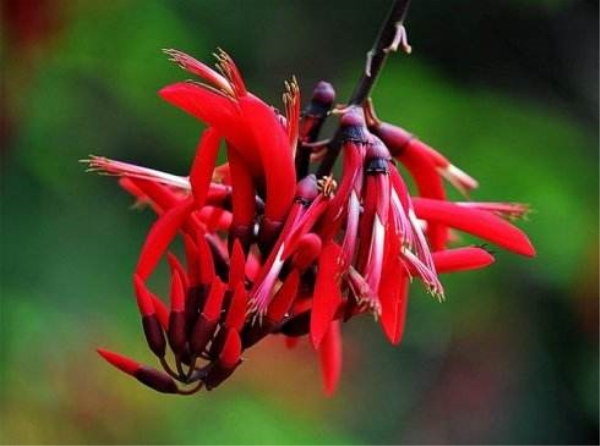
Temperature
Erythrina corallodendron loves to grow in a warm and humid environment and is slightly tolerant of partial shade. Its suitable growth temperature is 20°C-28°C. It has poor cold tolerance and needs to be kept warm in winter, so it needs to be moved indoors to overwinter.
Light
The daily growth of Erythrina corallodendron needs about five hours of light per day, which helps it bloom more vigorously and keeps the growth of its roots and stems vigorous.
Watering
Erythrina corallodendron loves to grow in a humid environment. During high summer temperatures, we should water frequently to keep the soil moist, and we can spray water on the leaves to cool them down. In winter, when the temperature is low, watering should be reduced. However, watering must not be excessive; moderate watering is beneficial to root growth.
Fertilizing
During the growth period, fertilize Erythrina corallodendron once every half month, and during the flowering period, apply phosphorus and potassium fertilizer once or twice. After early autumn, fertilization needs to be stopped.
During the growth process of Erythrina corallodendron, what other precautions need attention?
Care methods for Erythrina corallodendron
Light
Erythrina corallodendron is very fond of light. During care, only sufficient light will make it grow more lush with branches and leaves and increase the number of flowers. Therefore, it is best to maintain no less than 6 hours of light every day. When growing it in a pot, it can be placed on a balcony with good light.
Watering
Erythrina corallodendron likes a humid environment, so it also has relatively high water requirements. It likes a humid growing environment, but it is not tolerant of waterlogging. Therefore, when watering, attention should be paid to watering in time and keeping the potting soil moist but not waterlogged. Especially during high summer temperatures, insufficient water can easily affect its growth. When the air is dry, it is also necessary to spray water mist on the leaves to maintain a humid air environment. In winter, water needs to be controlled.
Temperature
Erythrina corallodendron likes warmth, and a hot and humid environment is more conducive to its growth. Therefore, during care, maintain a suitable growth temperature between 20°C and 28°C.
The above is an introduction to the flowering period of Erythrina corallodendron. For flower lovers who enjoy growing Erythrina corallodendron, you must not miss its flowering period! If you want to learn more, please pay more attention to TheNaturePlanet!
Cultivation methods and precautions for Erythrina corallodendron
Cultivation methods for Erythrina corallodendron
Pot and soil selection
Erythrina corallodendron is a relatively large woody flowering plant. For pot cultivation, a larger flower pot needs to be selected, and the soil should be a fertile, loose sandy loam with good drainage. It does not have high requirements for fertility, but it must not be too poor. In soil that is too poor or too dry, Erythrina corallodendron will grow poorly.
Light and temperature
Erythrina corallodendron likes a growing environment with sufficient light and can tolerate partial shade. It is best to provide about 5 hours of light per day. It likes a warm climate, can tolerate high temperatures, and has poor cold tolerance. The suitable growth temperature for Erythrina corallodendron is between 20°C and 28°C. In winter, it needs to be kept warm. If conditions permit, it can be moved into a greenhouse to overwinter.
Watering and fertilizing
Erythrina corallodendron likes a humid environment, but it should not be waterlogged. Watering should be moderate. During high summer temperatures and drought, watering should be increased to keep the potting soil moist. If necessary, water can be sprayed on the leaves. In winter, when the temperature is low, watering should be reduced, especially after it is placed in a greenhouse. As for fertilizing, apply fertilizer once every half month during the growth period, and apply phosphorus and potassium fertilizer once or twice during the flowering period. After early autumn, fertilization needs to be stopped.
Precautions for growing Erythrina corallodendron
Repotting
Erythrina corallodendron is a large plant and needs to be repotted as it grows, generally once every 2 to 3 years, in spring. Pruning can be done together with repotting.
Pruning
Erythrina corallodendron can be pruned in spring. Cut off dead branches and long branches to form more flowering branches. Pruning can also be done in winter for better overwintering.
Pests and diseases
The common diseases of Erythrina corallodendron are mainly root rot, wilt disease and anthracnose, and the pests are mainly aphids and scale insects. When diseases occur, pesticides such as Bordeaux mixture can be sprayed for treatment. When pests occur, insecticides can be used, or relatively environmentally friendly homemade insecticides can be used to kill the pests.