Care Methods and Precautions for the Ginseng Ficus
To ensure that a well-pruned ginseng ficus can grow healthily, you must pay close attention to its care.
The choice of soil, light intensity and water requirements are all indispensable key factors. If you are a plant grower, then you surely know that pest and disease control in the later stages is also very important for the growth of the ginseng ficus. With good pruning and care, your ginseng ficus will definitely grow into the shape you want.
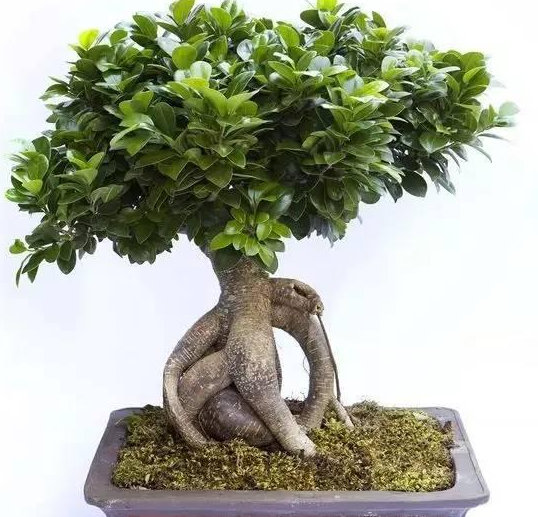
So now do you know how to prune a ginseng ficus? Prune your ginseng ficus according to the methods above, and it will surely grow perfectly. And such a spiritual and magical plant will certainly add more color to your life and bring you more special joy.
Care for the Ginseng Ficus
Because the growth of any plant requires good care, let me introduce the care of the ginseng ficus.
1) If a newly purchased ginseng ficus drops its leaves, do not panic or look for random solutions, because a newly purchased ginseng ficus first has to adapt to a new environment, and it may also have been newly potted by the seller, so dropping leaves at the beginning is normal. Therefore, after bringing it home, first let it acclimatize (the process of adapting to a new environment; keep it in bright indirect light, do not expose it to direct sun). Only after it has acclimatized should you consider management methods such as sun exposure and fertilizing.
2) Do not move its position at will. After choosing a good spot, apart from watering or occasionally giving it a little care, do not fuss over it three times a day.
3) Pay attention to ventilation, because the ginseng ficus tolerates partial shade, so some plant lovers grow it indoors, which leads to poor indoor air circulation and causes the ginseng ficus to lose its vitality.
4) Pay attention to pruning. The reason the ginseng ficus looks good is because of its good tree shape. If it is not pruned for a long time, it will grow out of shape and lose its ornamental value.
Has your confusion about how to water a ginseng ficus been resolved now? I hope you can take good care of your own ginseng ficus. Such a cute and lively plant deserves to be well looked after. The ginseng ficus carries the meaning of longevity, good fortune and prosperity, and it will surely bring you luck.
Care and Management of the Ginseng Ficus
The ginseng ficus is cultivated from seedlings of the Chinese banyan (Ficus microcarpa). Its swollen basal tuber is actually formed by variation and mutation of the radicle and hypocotyl when its seed germinates. Some plants also have a golden fig (F. deltoidea) or an oval-leaf fig (a variety of Ficus microcarpa) grafted onto the base of the trunk, making them appear even more elegant.The ginseng ficus prefers a warm, humid environment with plenty of sunlight. It is not cold-tolerant and tolerates partial shade. The optimum growing temperature is 20°C to 30°C, and in winter the greenhouse temperature should be kept no lower than 5°C. The growing soil should be a loose, fertile, well-drained sandy loam rich in organic matter with an acidic reaction; alkaline soil easily causes its leaves to turn yellow and its growth to suffer. During the growing period, it requires an ample water supply and prefers moisture rather than dryness, so the potting soil should always be kept moist, and in summer the leaves should also be sprayed with water frequently. Fertilize 3 to 4 times a year, and do not apply too much, otherwise it easily causes the branches and leaves to grow excessively and ruins the plant's composition and shape. During the period when it is sending out branches and leaves, watering should be appropriately controlled, or more spraying and less watering can be done, which can promote short internodes and thick leaves; at the same time, give it sufficient light so that the leaves are thick and glossy. Note that during the growing period the potting soil must not be too wet, and even more so there must not be insufficient light, otherwise it will cause a large number of leaves to drop and affect its display and ornamental value. Its leaves are often susceptible to leaf spot disease, which can be sprayed with a 70% thiophanate-methyl wettable powder solution diluted 800 times; a small number of diseased leaves can also be removed and destroyed early to prevent the disease from spreading and causing damage.
For a ginseng ficus bonsai, repot once every 2 years, and the best time is before it is moved outdoors in spring. First loosen the soil around the edges of the pot, then gently take out the plant with its large tuber, shake off part of the old soil, cut away some aged roots with no vitality, and replant it in fresh, fertile, loose, well-drained, nutrient-rich potting soil. As the plant grows larger, you can switch to a slightly larger pot to meet its normal growth needs. While repotting, also moderately prune and adjust the branches and leaves so that it can continue to maintain a good plant shape. Right after repotting, do not water too much; wait until the temperature rises above 20°C, then resume normal water and fertilizer management.