How to Care for and Manage a Hawthorn Tree
1. Potting soil
For potted plants, choosing the pot is very important. First, choose a pot suitable for hawthorn growth; for the soil, use leaf mold or garden soil.
2. Light
Hawthorn quite likes sunlight, and sufficient sunlight lets it grow healthily. Although it likes sunlight, hawthorn is also shade-tolerant and cold-tolerant. So whether in summer or winter, remember to give the hawthorn enough sunlight. Otherwise it will grow poorly.
3. Temperature
It needs to be between 18-32°C. Too high or too low a temperature will also affect the growth of the hawthorn.
4. Water and fertilizer management
Fertilizer is very important for hawthorn. Remember to prepare sufficient fertilizer, and supplement the hawthorn with nutrients such as nitrogen, phosphorus and potassium during the growing period. At the same time, remember to supplement water.
5. Pruning
Pruning mainly involves cutting off damaged and withered branches, and also maintaining good ventilation, as the branches must not be too dense.
6. Pest and disease protection
The impact of pest and disease protection on plant growth is self-evident, so you must pay attention to preventing and controlling pests and diseases. Pests such as red spider mites, fruit borers and scale insects must be removed promptly.
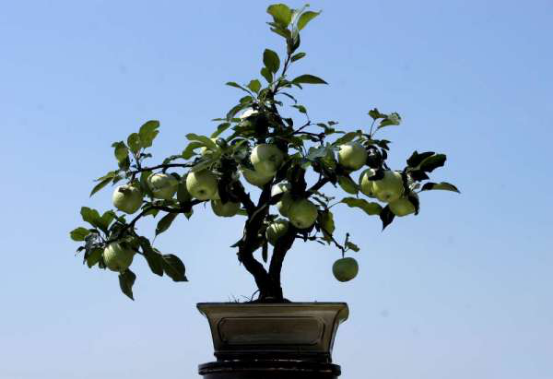
How to Make a Hawthorn Bonsai How to Care for a Potted Hawthorn How to Grow a Potted Hawthorn?
Hawthorn, also known as red fruit or shanlizhong, is a deciduous small tree of the genus Crataegus in the rose family. The flowers are white, in corymbs, with a flowering period of May to June (5-6); the fruit is red with white lenticels and ripens around October. Hawthorn likes light, and is slightly shade-tolerant, cold-tolerant, drought-tolerant and tolerant of poor soil. However, it grows best in moist, well-drained sandy loam. The hawthorn root system is well developed and has strong suckering ability. The method for making and cultivating a hawthorn bonsai is as follows:
I. Seedling sources
Most hawthorn seedlings come from grafted seedlings. Root-sucker seedlings can be used directly as rootstock. You can also directly dig up stumps from the wild that are dwarfed, have a small crown and a beautiful tree shape.
II. Shaping
(1) Potting
Hawthorn can be potted before leafing out in spring or after leaf fall in autumn, with autumn potting being preferable. For the pot, choose a rectangular or oval purple clay pot, or a plain fired pot. The potting soil should have mild fertility and must not be too fertile. The soil pH should be 6-7.5, and must not be too alkaline. The soil can be made by mixing garden soil with a small amount of decomposed manure.
(2) Shaping
First, understand the physiological characteristics of hawthorn. Flower bud differentiation in hawthorn begins around July and peaks in mid-August. During this process, the new shoots of the entire plant stop growing, avoiding competition for nutrients with flower bud differentiation, so
flowering is easy. Generally speaking, if nutritional conditions are sufficient, the long, medium and short shoots, and even the leaf cluster shoots of the hawthorn, can all form flower buds. Hawthorn can set fruit parthenocarpically without fertilization, and the fruit-setting rate is relatively high. The physiological fruit drop period is concentrated in the 2-4 weeks after flowering.
Second, shaping and pruning. Young hawthorn trees have strong apical dominance and fewer side branches. Therefore, when the tree is young, it should be pruned frequently to encourage more branching, and during the flower bud differentiation period from mid-July to early August, the tree can be girdled or ring-cut to promote flower bud differentiation. The plant shape of a hawthorn bonsai can be created and cultivated by combining pruning and wiring. Hawthorn branches are rather brittle, so be careful when working on them. Generally, the metal wire wrapping method is used. When pruning during the summer growing period, pay attention to the ratio of vegetative branches to fruiting branches to ensure fruiting the following year, and be careful to thin out overly dense flowers and fruits.
III. Care and management
(1) Location
Hawthorn is a light-loving tree species. Insufficient sunlight will cause thin, weak branches, thin leaves, pale color and poor fruit set. Therefore, it should be placed in a sunny, well-ventilated location for care and management.
(2) Watering
Hawthorn is relatively drought-tolerant. Trees that have not yet fruited are not strict about water requirements, but fruiting bonsai must be guaranteed a sufficient water supply. Keep the pot moist as the standard, and do not let water accumulate. In autumn, control the amount of watering, and in winter, rather keep it dry than moist.
(3) Fertilizing
Hawthorn is tolerant of poor soil and does not particularly like fertilizer. Apply a base fertilizer once in winter, and it should not be too much, to avoid causing excessive vegetative growth. After flowering, apply a dilute phosphorus-potassium fertilizer once; do not apply nitrogen fertilizer. In autumn, fertilize in moderation.
(4) Preserving flowers and fruits
During full bloom, you can girdle strong branches of vigorous trees and spray 30 PPM gibberellin, which can increase the fruit-setting rate.
(5) Pest and disease control
Pay attention to controlling the common powdery mildew, red spider mites and aphids.
That is all for the introduction to making and caring for a hawthorn bonsai. Welcome to keep following Duorou Huapu to learn more little tips on making and caring for bonsai!
Care and Management of a Hawthorn Bonsai
Location
The hawthorn tree likes light. Insufficient sunlight will cause thin, weak branches, thin leaves and pale color. Therefore, place it in a sunny, well-ventilated location.
Watering
The hawthorn tree is drought-tolerant. Trees that have not yet fruited are not strict about water requirements, but fruiting bonsai must have a sufficient water supply. Keep the pot moist, but do not let water accumulate. In autumn, control the amount of watering, and in winter, do not let it become moist.
Fertilizing
The hawthorn tree does not particularly like fertilizer. Apply fertilizer once in winter, and it should not be too much. After flowering, apply a phosphorus-potassium fertilizer once; do not apply nitrogen fertilizer. In autumn, fertilize in moderation.
Preserving flowers and fruits
During the full bloom period of the hawthorn tree, you can girdle the branches and spray gibberellin.
Pest and disease control
Pay attention to controlling the common powdery mildew, red spider mites and aphids.
That is all for the method of making a hawthorn bonsai. Is it much simpler than you imagined? I hope the editor's introduction is helpful to you!