Silk-reel flower cultivation methods and precautions
The silk-reel flower likes warm, sunny environments, but it is not afraid of cold or shade, so when cultivating the silk-reel flower, you should give it enough light and a suitable temperature.
1. Watering
The silk-reel flower needs sufficient water during cultivation. Note that when there is summer drought, give enough water; during the flowering period, also make sure the water supply is sufficient so it can produce abundant, beautiful flowers; in the dry season, pay attention to drainage and do not let water accumulate, so as to avoid root and stem rot.
2. Fertilizing
To help the silk-reel flower grow healthily, provide it with enough fertilizer. During the growth period of the silk-reel flower, fertilize frequently, at least once a month. When the temperature is high and it is relatively dry, you can apply a little light fertilizer. In winter, reduce the frequency of fertilizing. In addition, after flowering, apply a quick-acting fertilizer once or twice as a supplementary feeding.
3. Propagation methods
The silk-reel flower is usually propagated by sowing, which can be done in spring or autumn, but this method makes it harder to survive, so when cultivating the silk-reel flower, cuttings are mostly used.
4. Pruning
During the growth of the silk-reel flower, pruning is necessary. Whether pruning long branches, overly dense branches, dead branches, diseased branches, or removing spent flowers and excess buds, it is all very necessary. Pruning can make the silk-reel flower's plant shape beautiful and help with ventilation and light penetration, so the plant grows and develops better, reduces some opportunities for pests and diseases to occur, and reduces nutrient consumption, allowing it to bloom better.
5. Pests and diseases
The silk-reel flower has relatively few pests and diseases, but there can still be damage from pests such as scale insects, sawflies, aphids, scarab beetles, and rose sawflies, as well as attacks from diseases such as powdery mildew, black spot, anthracnose, and leaf rust. This requires specific control measures based on the disease situation.
The silk-reel flower itself is also of great value! On the one hand, as a kind of beautiful flower, it has extremely high ornamental value; on the other hand, the silk-reel flower also has extremely high medicinal value. Its fruit is rich in vitamins B, P, and C, and it also has effects such as aiding digestion and strengthening the spleen, and stopping diarrhea.
For a "treasure" plant like the silk-reel flower, have you learned how to cultivate it?
How to grow the silk-reel flower: cultivation methods for the silk-reel flower
The silk-reel flower is native to southwestern China. It likes warm, humid, and sunny environments, has strong adaptability, and is extremely ornamental, so many flower lovers grow it. How do you grow the silk-reel flower? In this article, the editor will share the cultivation methods for the silk-reel flower.
In cultivation, ensure sufficient fertilizer and water, and fertilize once a month from early spring to early summer. Pay attention to properly thinning and removing branches that bend and touch the ground, to help with ventilation and light penetration. During the growth process, the base and main trunk are prone to producing vigorous water shoots, which can sprout short flowering branches the following year and bloom and bear fruit.
Watering: For garden-planted roses, the main thing to note is to water enough during summer drought, especially during the bud stage and flowering stage, where you must ensure a sufficient water supply. At the same time, also be careful not to let water accumulate during the rainy season.
Fertilizing: In winter plowing, you can apply human waste or spread decomposed organic fertilizer, then turn it into the soil. During the growing period, roses should be fertilized frequently. After the flowers fade, apply a quick-acting fertilizer 1-2 times as a supplementary feeding. In high temperature and drought, apply light fertilizer. Apply the last fertilizer before winter begins. Before fertilizing, also pay attention to promptly removing weeds.
Pruning: Summer pruning of roses mainly involves cutting off the sprouting branches and flowers of the grafted rootstock, and after flowering, cutting off spent flowers with leaves and thinning out excess buds, reducing nutrient consumption to create good conditions for the next flowering period. To make the plant shape beautiful, long branches can be cut back by 1/3 or half, and middle branches by 1/3, making a slanted cut 1 cm above a leaf. If pruning is too light, the rose plant will grow taller and taller, the branches will grow longer and thinner, and the flowers will bloom smaller and smaller.
Winter pruning depends on the variety and cultivation purpose. When pruning, preserve branches and pay attention to the overall form of the rose plant. Large-flowered varieties should keep 4-6 branches, 30-45 cm long, choose a strong side bud, and cut off the branch above it. For trailing or climbing varieties, focus on thinning out old branches, cutting off weak branches and diseased branches, and cultivating the main trunk.
How to grow the silk-reel flower, and the cultivation methods for the silk-reel flower, are what the editor is sharing with you here. I believe everyone now has some understanding. Friends who like the silk-reel flower should get started and plant it soon.
Propagation methods for the silk-reel flower: cultivation methods for the silk-reel flower
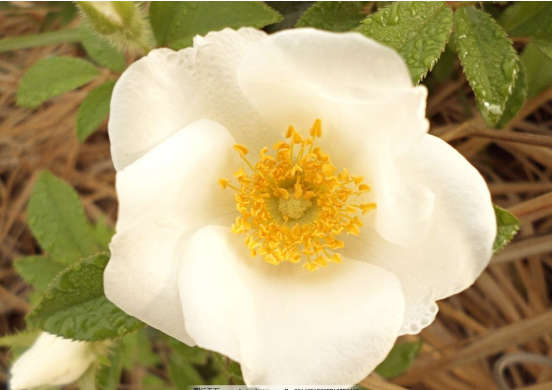
The silk-reel flower, also known as cili, muliizi, ciliizi, etc., is a spreading shrub plant in the genus Rosa of the family Rosaceae. Its flowers are elegant and beautiful, with a ring of golden yellow anthers densely packed among the pink petals, very distinctive. Its yellow thorns are quite wild-looking, and it has relatively high ornamental value. It is suitable for cluster planting for greening on slopes and roadsides, and is also used as hedge material. Let us take a look together at the cultivation methods for the silk-reel flower!
Growth habits of the silk-reel flower
The silk-reel flower is distributed in Shaanxi, Gansu, Jiangxi, Anhui, Zhejiang, Fujian, Hunan, Hubei, Sichuan, Yunnan, Guizhou, Xizang, and other places, and is found wild or cultivated in various regions. It likes warm, humid, and sunny environments, has strong adaptability, is relatively cold-tolerant, slightly shade-tolerant, and is not strict about soil requirements, but fertile sandy loam is best.
Propagation methods for the silk-reel flower
1. Sowing: The silk-reel flower usually has its seeds collected in September, and can be sown in autumn or stored in sand until spring sowing the next year. Generally, it germinates 20-25 days after sowing. The seeds can be used for raising seedlings, but because growing from seed is relatively difficult to survive, it is generally not recommended to use seeds for cultivation. In production, tender branch cuttings from the current year are mostly used for raising seedlings, which are easy to survive. Precious varieties are relatively difficult to propagate by cuttings.
2. Cuttings: Silk-reel flower cuttings can be done in early spring or the plum rain season. Using tender branches from the current year for cuttings makes it easy to survive. After cutting, truly pay attention to keeping the cutting medium moist, but do not make it too wet, otherwise it will cause rot. At the same time, also pay attention to air humidity. You can cover with plastic film to maintain humidity, but be careful to ventilate within a certain period.
Cultivation methods for the silk-reel flower
1. Light: The silk-reel flower likes warm and sunny environments, and can tolerate cold and shade, so when cultivating the silk-reel flower, give it sufficient light and maintain a suitable growth temperature.
2. Watering: During care, the silk-reel flower needs to be ensured sufficient water, but note that during summer drought it should be given sufficient water. During the flowering period, also ensure a sufficient water supply so it can bloom abundantly and brilliantly. In the rainy season, pay attention and do drainage work well. Do not let water accumulate, so as to avoid root and stem rot.
3. Fertilizing: To help the silk-reel flower grow healthily, ensure sufficient fertilizer and water. During the comfortable growing period, fertilize frequently, once a month. When the temperature is high and it is relatively dry, you can apply some light fertilizer. In winter, reduce fertilizing. In addition, after flowering, apply a quick-acting fertilizer once or twice as a supplementary feeding.
4. Pruning: Pruning is indispensable. Whether pruning overly long branches, overly dense branches, dead branches, diseased branches, or spent flowers and excess buds, it is all very necessary. Pruning can make the silk-reel flower's plant shape beautiful and help with ventilation and light penetration, so the plant grows and develops better, reduces some opportunities for pests and diseases to occur, and lowers nutrient consumption, allowing it to bloom better.
Pest and disease control for the silk-reel flower
1. Powdery mildew: Leaves, petioles, young shoots, and flower buds can all be affected. In the early stage of the disease, spray 20% triadimefon emulsifiable concentrate at 1000 times dilution, or 20% triadimefon sulfur suspension concentrate at 1000 times dilution, or 50% carbendazim wettable powder at 800 times dilution. If resistance to the above fungicides develops, switch to spraying 12.5% myclobutanil emulsifiable concentrate or 30% triflumizole wettable powder at 3000 times dilution. Before budding in early spring, spray 2-3 degrees Baume lime sulfur mixture or 45% crystalline lime sulfur mixture at 40-50 times dilution to kill overwintering pathogens.
2. Black spot: Black spot mainly attacks the leaves, petioles, and young shoots of the silk-reel flower. When the leaves first develop the disease, small purplish-brown to brown spots appear on the upper surface, and after expanding they are mostly round or irregular dark brown lesions. When the silk-reel flower develops black spot, you can spray drugs such as carbendazim, thiophanate-methyl, and daconil.
3. Anthracnose: Anthracnose mostly occurs sporadically and can be controlled at the same time when preventing and controlling black spot and leaf spot. In late autumn and early winter, promptly clean the garden and collect diseased fallen leaves to burn in a centralized manner. Strengthen care, prune appropriately, and thin out overly dense branches so ventilation and light penetration are good. When necessary, spray 20% longkejun suspension concentrate at 500 times dilution, or 78% kebo wettable powder at 600 times dilution, or 75% daconil wettable powder at 600 times dilution, or 50% shibaogong or shibaike wettable powder at 1000 times dilution, or 25% tanteling wettable powder at 500 times dilution.
4. Scarab beetles: Scarab beetles mainly damage roots, leaves, flower buds, and other parts, seriously affecting flower yield and quality. Use light traps, poplar and willow traps, shaking to capture and kill, etc. When the damage is severe, spray 2.5% deltamethrin at 2000-3000 times dilution or 50% phoxim at 1000-1500 times dilution. The effects are both relatively good, but absolutely do not spray during the flowering period.
5. Leaf rust: Leaf rust is a common disease of the silk-reel flower, and both leaves and new branches may develop it. Severe cases can cause large areas of leaves to fall off, causing the ornamental flowers to lose their value, or even die. If this disease is found, handle it promptly. You can spray triadimefon at 800 times dilution on the leaf surface once a week for 3-4 consecutive times, and the disease can basically be cured.