How to grow Chinese leek lotus (rain lily) in water? Detailed cultivation methods
1. For a better ornamental effect, choose a transparent flowerpot with an attractive shape, and you can lay some pebbles and the like on the bottom of the bottle. 2. First wash the roots of the rain lily: gently dig the plant out of the soil, shake off the dirt so the roots are exposed, and rinse clean with clear water, leaving no soil behind.
1. For a better ornamental effect, choose a transparent flowerpot with an attractive shape, and you can lay some pebbles and the like on the bottom of the bottle.
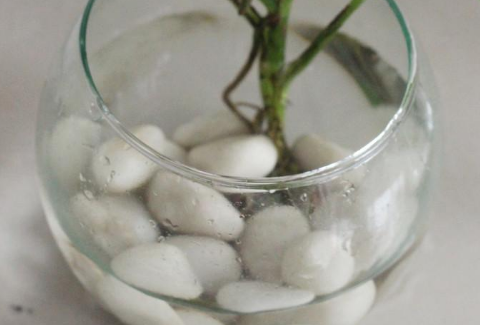
2. First wash the roots of the rain lily: gently dig the plant out of the soil, shake off the dirt so the roots are exposed, and rinse clean with clear water, leaving no soil behind.
3. Prune the rhizomes and leaves so the plant can spread out in the bottle, then soak it in a 0.1% potassium permanganate solution for a dozen or so minutes; after rinsing with clear water, it can be grown in the bottle.
Essential knowledge for home flower growing | Complete guide to home flower growing knowledge
Essential knowledge for home flower growing | Complete guide to home flower growing knowledgeI. Benefits of growing flowers at home
1. Adds interest to life - makes life more full of vitality, benefits physical and mental health, cultivates noble sentiments, and inspires a love of life. Meeting friends through flowers brings great joy.
Flower-viewing seasons - enjoy flowers in spring, fragrance in summer, fruit in autumn, and greenery in winter.
Flower-viewing refinement - viewing over tea is best, viewing while chatting is second, viewing over wine is lowest.
Flower-viewing criteria - color, fragrance, form, charm.
2. Improves the living environment and implements green environmental protection.
(1) Green plants can absorb carbon dioxide and release oxygen. Every square meter of green plants absorbs 90 g of carbon dioxide and releases 60 g of oxygen per day.
(2) Absorbs harmful gases
Absorbs formaldehyde - snake plant, spiderwort, English ivy, spider plant, aloe.
Absorbs benzene - English ivy, chrysanthemum, sago palm.
Absorbs chlorine - Aglaia odorata, chrysanthemum, Chinese rose, false betel nut palm, Chinese fan palm.
(3) Bactericidal effect of volatile oils from fresh flowers
The fragrant scent of jasmine and lilac can kill native bacteria in 5 minutes.
(4) Regulates temperature
Green plants in urban greening areas can absorb up to 6080 calories of sunlight in summer, lowering the ambient temperature by 3.8°C and shortening the duration of high temperatures each day by 3 hours; vertical greening on walls can lower wall surface temperature by 5°C.
II. Home flower-growing methods and commonly used plants
1. Courtyard flower growing
Combine trees and shrubs with flowers and grasses; combine deciduous plants with evergreen plants; combine foliage plants with flowering and fruiting plants; combine ornamental value with practical use; fully develop three-dimensional space, so the seasonal changes in scenery bring a fresh feel.
Plants suitable for planting in small courtyards:
(1) Small trees:
Osmanthus, banana shrub, camellia, citrus, loquat, bamboo, crape myrtle, cherry blossom, crabapple, lilac, maple, pomegranate, jujube, persimmon, etc.
(2) Shrubs:
Gardenia, serissa, pyracantha, nandina, wintersweet, Chinese rose, tree peony, azalea, crabapple, redbud, winter daphne, hydrangea, St. John's wort, etc.
(3) Herbaceous plants:
Banana, inch plant, hairy begonia, dwarf lilyturf
Iris, daylily, Chinese peony, hosta, torch lily, New York aster, phlox, dahlia, lily, narcissus, tuberose, amaryllis, rain lily, autumn zephyr lily, canna, red-flowered wood sorrel, dichondra, Manila grass, hybrid bermuda grass, stringy stonecrop, scallion, kalimeris, chrysanthemum greens.
Lotus, water lily, jade cicada.
Annual and biennial herbaceous flowers, etc.
(4) Vines:
Bank's rose, honeysuckle, Chinese trumpet creeper, English ivy, wisteria, Boston ivy, grape, kiwi, morning glory, cypress vine, etc.
2. Balcony and indoor flower growing
Adapt to the characteristics of pot culture and select suitable varieties for planting. Master soil, fertilizer, and water management to ensure safe overwintering and summering. Take measures according to plant traits respectively, so they grow luxuriantly through the four seasons, with seasonal flowers matching the occasion. Arrange the living room ingeniously, improve floral art skills, and regulate the joy of life.
Plants suitable for balconies and indoor planting:
(1) Foliage plants:
Spider plant, English ivy, inch plant, arrowhead vine, periwinkle.
Rubber tree, small sago palm, broadleaf lady palm, areca palm, pygmy date palm, asparagus fern, croton, red-back eurya, Swiss cheese plant, Philodendron bipinnatifidum, fernleaf bamboo
Bromeliads, marantas, ferns, umbrella plant
Pothos, Philodendron, ti plant, Dracaena fragrans, Aglaonema modestum, lucky bamboo, Pachira aquatica (money tree),
Caladium, begonia, etc.
(2) Flowering plants:
Chinese rose, winter jasmine, plum bonsai, potted crape myrtle, winter daphne, jasmine, Aglaia odorata, camellia, sasanqua, azalea, Chinese hibiscus.
Clivia, amaryllis, lily, hyacinth, narcissus, red-flowered wood sorrel, calla lily, cyclamen, freesia, ranunculus.
Chinese orchids, tropical orchids, chrysanthemum, gerbera, wax begonia, dwarf petunia, nasturtium, pelargonium, fuchsia, glass balsam (Impatiens hawkeri), Guinea impatiens.
Annual and biennial herbaceous flowers, etc.
(3) Fruit-viewing plants:
Nandina, finger citron, bitter orange, kumquat, four-season mandarin.
Pyracantha, goji, small pomegranate.
Winter coral, ornamental pepper, strawberry.
(4) Cacti and succulents
Cactus, golden barrel cactus, Christmas cactus, crab claw cactus, epiphyllum, orchid cactus
Agave, snake plant, ponytail palm (Agavaceae)
Lampranthus, rainbow bush, jade plant, living stones (Aizoaceae)
Aeonium, Echeveria, jade plant (Crassula ovata), mother of thousands, kalanchoe, stringy stonecrop (Crassulaceae)
Aloe, Haworthia, baby rubber plant (Liliaceae)
Crown of thorns (Euphorbiaceae)
Elephant bush (Portulacaceae)
(5) Vine and woody plants
Honeysuckle, grape
Morning glory, cypress vine, bitter melon (spiny gourd).
III. Home flower-growing management
Six essentials of flower growing: soil, fertilizer, water, protection, pruning, propagation
1. Soil
Soil is the foundation for the growth of flowers and trees. It is not only the support that fixes the plant root system for growth and development, but also must provide the necessary nutrients, water, and air for plant growth.
(1) Soil quality requirements
Fertile, harmless, loose, airy, water-retaining, fertilizer-retaining.
(2) Potting soil materials
For home flower growing, in addition to the generally commonly used soil, some mineral materials and biological materials are also used. Therefore, the meaning of potting soil is not limited to soil, so these materials on which plants depend for survival are often collectively called substrate or medium in cultivation. Commonly used substrates include: garden soil, mountain soil, pond mud, sand, earthworm castings, coal cinder, vermiculite, perlite, expanded clay, brick granules, rice hull, rice hull ash, wood shavings, charcoal, grass clippings, bark, cottonseed hulls, peanut shells, pine needles, moss, coconut coir, sugarcane bagasse, etc.
(3) Soil acidity
The pH of soil affects the growth and development of flowers. Most flowers are suitable for slightly acidic soil with a pH value of 6.0-7.0 (soil pH 7 is neutral soil). Camellia, azalea, orchid, bromeliad, and other flowers require a more acidic soil environment. Usually a pH value of about 5-6 is required. Therefore, these flowers must be cultivated with mountain soil rich in humus (orchid soil) to grow well. Dianthus, dahlia, cacti, pepper, pomegranate, grape, and kiwi have a broad adaptability to soil acidity and can grow in an environment of pH 6-8.
For soil that is heavily alkaline, sulfur powder, ferrous sulfate, or aluminum sulfate can be added to adjust it. Usually the application rate of sulfur powder is 0.1-0.2% of the total soil amount. For soil that is too acidic, lime powder can be used to adjust it, with an application rate of 35-70 grams per square meter of land.
(4) Soil improvement
For soil used for courtyard flower planting, all kinds of construction waste within 40 cm of the soil surface must be cleared away. At the positions of tree pits for planting trees, new soil should be replaced within a depth of 60-80 cm. For greening land with heavy clay soil, coarse sand and organic matter rich in fibrous material should be added to facilitate drainage and increase the air permeability and organic matter content of the soil layer.
For the preparation of potting soil, attention should be paid to the air permeability, fertility, and suitable soil acidity of the soil according to the requirements of the plants being grown. Usually, fertile garden soil (heated soil) plus rice hull ash is made into a cultivation substrate in a ratio of 2-3:1. However, for flower growing in cities, limited by conditions, it is not easy to obtain high-quality culture soil, so urban household waste such as fallen leaves, sawdust, peanut shells, bean shells, eggshells, sugarcane bagasse, poultry feathers, fish bones, shrimp shells, etc. can be collected. After being finely cut or crushed, add rice washing water, place in an old jar or plastic bag, and after a long period of fermentation and decomposition, dry in the sun, sift, and mix with some raw soil (soil excavated from roads and infrastructure construction) to prepare potting nutrient soil. The old soil replaced after repotting can also be mixed with household waste, composted, and reused.
Strict potting soil quality requires disinfection. For home flower growing, a simple sunlight disinfection method can be used, that is, in summer, spread the soil flat on a cement slab, cover it with plastic film, and expose it to strong sunlight for 3-4 days, which can kill a large number of pathogenic spores, mycelium, pest eggs, and nematodes in the soil. In addition, if conditions permit, heat disinfection and chemical disinfection can also be used.
2. Fertilization
Fertilizer is the source of nutrients needed for flower growth and directly affects the growth and development of flowers. Only by applying the required nutrient elements timely and appropriately to different plants at different growth stages can flowers grow with luxuriant branches and leaves and bloom abundantly.
The 16 nutrient elements needed for flower growth
Carbon, hydrogen, oxygen (obtained from air and water)
Nitrogen, phosphorus, potassium, sulfur, calcium, magnesium
Iron, boron, zinc, copper, manganese, molybdenum, chlorine
(1) Types of fertilizer
Organic fertilizer - fertilizer formed from animal and plant residues or excrement after processing, fermentation, and decomposition. Organic fertilizer contains all the nutrient elements needed by flowers. After being applied to the soil, the nutrients are gradually decomposed. Although the effect is slow, the fertilizer effect is long-lasting, and it can also improve the soil, benefiting root development and the activity of beneficial soil bacteria. Commonly used organic fertilizers include: livestock and poultry manure, fish meal, bone meal, plant ash, various oilseed cakes, and sesame oil residue, etc.
Inorganic fertilizer (chemical fertilizer) - fertilizer made by chemical methods or processed from natural minerals. It has the advantages of high nutrient content, quick effect, convenient use, and being clean and hygienic, but its nutrient composition is single, and long-term use easily causes soil compaction. Commonly used ones include: urea, ammonium sulfate, ammonium nitrate, monopotassium phosphate, potassium chloride, potassium nitrate, etc., as well as processed compound fertilizers containing the three elements nitrogen, phosphorus, and potassium.
(2) Preparation of organic fertilizer for home flower growing
Courtyard composting - use a shaded corner of the courtyard, dig a pit, and pile up daily leftover vegetable stems and leaves, bean shells, melon and fruit peels, herbal medicine residue, eggshells, shrimp and crab shells, poultry feathers, fish scales, fish innards, weeds, fallen leaves, etc. for composting. To prevent odor from escaping, cover with mud or plastic film.
Home bottle preparation - use small-mouthed waste plastic bottles such as cola bottles and cooking oil bottles as containers, put in fish scales, fish innards, eel, shrimp shells, and other animal scraps, and after fermentation and decomposition, make a high-quality liquid quick-acting fertilizer. Bad yellow soybeans can also be soaked and fermented. When preparing bottle-made organic fertilizer, note: ① The amount of fish scraps added should be about 1/2-2/3 of the bottle capacity. Add water to near the bottle mouth (leave a certain gap).
① To reduce the odor during fertilizer fermentation, a portion of orange peel can be added at the same time. Generally, a 2.5-liter cooking oil bottle can hold 3-4 orange peels. The orange peel can be torn into pieces or cut finely before putting in. Fresh orange peel or air-dried old orange peel can be used.
③ After preparation, the bottle cap must be screwed on tightly and then turned back 2-3 threads to leave an air gap; otherwise, due to fermentation inside the bottle, gas expansion may burst the cap off, causing the unbearable consequence of odor spreading everywhere.
④ Bottle-made organic fertilizer needs 4-5 months to ferment in summer, and generally about one year to decompose. Its solution can be diluted with water and used to water flowers.
Use of broad bean shells - green broad bean pods are rich in nitrogen, phosphorus, and potassium nutrient elements, are easy to collect in cities, and are clean and hygienic. When preparing, the pods can be sun-dried, crushed, and stored for later use. They can be mixed in when making potting culture soil, or used as base fertilizer when repotting potted flowers or planting.
(3) Rational fertilization
① Base fertilizer, top dressing, foliar fertilization
Base fertilizer - mainly organic fertilizer with slow decomposition and long fertilizer effect. It is used for the whole year's growth period of flowers. For courtyard flower growing, in winter or early spring, dig trenches or holes around the main planted flowers and trees and bury deeply, or apply it when the soil is plowed before planting. For potted flowers, it is mixed in when preparing culture soil, or applied to the bottom of the flowerpot before planting. Commonly used base fertilizers include compost made from decomposed animal and plant residues, dried poultry and livestock manure, decomposed oilseed cake fragments, etc. In cities, the oil residue left after pressing small mill sesame oil can be used and has a good fertilizer effect. Fried or boiled soybeans are also sometimes placed in the middle and lower layers of potted flowers as supplementary base fertilizer.
Top dressing - use inorganic fertilizer that takes effect quickly and can be quickly absorbed and utilized by flowers, or the extract liquid after fermentation of organic fertilizer, and add it when needed at each stage of flower growth and development. Commonly used ones include urea, monopotassium phosphate, etc.
Foliar fertilization - also called root-outside top dressing. After chemical fertilizer is dissolved in water, it is sprayed on the plant so that nutrients penetrate into the plant body through the back of the leaves. It has the characteristics of convenient operation and quick effect. When using it, note: the concentration of chemical fertilizer should be kept at 0.1-0.2%; too strong a concentration will cause harm to plants. For flowers grown on balconies and outdoors, the time for spraying fertilizer should be in the evening to prevent intense sunlight after fertilization from increasing the fertilizer concentration and causing fertilizer damage. When spraying, attention should be paid to the back side of the leaves.
② Fertilization principles and methods
Suitable for the flower, suitable for the time, suitable for the condition, suitable amount; apply thin fertilizer frequently
Suitable for the flower - foliage plants need more nitrogen fertilizer, while fruit-viewing and flower-viewing plants need more phosphorus and potassium fertilizer.
Suitable for the time - when sprouting branches and leaves, nitrogen fertilizer is main; before flower bud differentiation, flower bud formation, and flowering, phosphorus and potassium fertilizer are main.
Suitable for the condition - "four more, four less, four not"
Apply more when yellow and thin, apply more before germination, apply more before budding, apply more after flowering. Apply less when fat and strong, apply less when germinating, apply less when flowering, apply less in the rainy season. Do not apply when newly planted, do not apply when leggy, do not apply when diseased or weak, do not apply in midsummer.
Suitable amount - thin fertilizer: organic fertilizer uses 7-8 parts water plus 2-3 parts fertilizer; chemical fertilizer uses a concentration of 0.1-0.3%
Apply frequently: once every 7-10 days during the growth period.
Three taboos of fertilization - avoid concentrated fertilizer; concentrated fertilizer causes cell sap to exude outward and leads to death.
Avoid hot fertilizer; at noon in summer the soil temperature is high, and top dressing harms the roots.
Avoid sitting fertilizer; after applying base fertilizer at the bottom of a flowerpot, first cover it with a thin layer of soil.
Then plant the flower. Avoid the roots sitting directly on the fertilizer.
3. Watering
Watering is the main management task in home flower growing. Water is an important component of plants and an indispensable main substance for physiological activities.
(1) Courtyard watering
In dry seasons, water must be replenished to keep the soil moist. In rainy seasons, attention must be paid to drainage to prevent roots from suffocating and dying due to water accumulation and lack of oxygen.
When watering, usually keep the water temperature and soil temperature from differing by no more than 5°C. In summer, water in the early morning and evening; in winter, water around noon.
(2) Watering potted flowers
① Watering principle: alternate between dry and moist; do not water when not dry, water as soon as it is dry, and water thoroughly when watering.
Alternating dry and moist means keeping the soil sometimes dry and sometimes moist. This not only ensures a water supply for the flowers and plants, but also keeps the potting soil aerated and protects root development.
The standard for "dry" is that the upper layer of potting soil is dry while the bottom soil still has some moisture, and the plant grows normally or its leaves wilt briefly at noon.
When flowering plants lack water, the first sign is wilting petals. If leaves and flowers show signs of water loss, water must be added immediately to restore vitality.
The principle of watering thoroughly means the amount of water should be enough that water seeps out from the bottom of the pot. Half-way water, with the potting soil wet on top and dry below, is a major taboo in potted flower care; it covers up the reality of water shortage with the appearance of moisture on the soil surface, causing root death from lack of water. Plants that have been cut off from water are very difficult to revive even if watered again as a rescue.
(3) How much or how little to water.
Water more for herbaceous plants and less for woody plants; water more for moisture-loving flowers and less for drought-loving flowers;
Water more for plants with large, soft leaves and less for plants with small, waxy leaves;
Water more during the vigorous growth period and less once dormancy begins:
Water more when the plant is large and the pot is small, and less when the plant is small and the pot is large;
Water more on balconies and less in courtyards; water more in summer and less in winter; water more in dry sunny weather and less on cloudy days;
Water more when buds are forming and less when in bloom.
(4) Rescue of drought-dehydrated and waterlogged root-rotted plants
When woody plants suffer dehydration from long-term drought, the stems and leaves wilt, but the stems may still be alive. They should first be moved to a shaded place to reduce water evaporation from the plant body. Also spray water to maintain humidity around the aboveground parts. After watering the roots, it is not advisable to keep replenishing water continuously, to prevent root oxygen deficiency. According to the principle of alternating dry and moist, keep the soil aerated to promote new root growth and restore vitality. For severely dehydrated plants, prune appropriately according to the growth condition of the aboveground parts to encourage new sprouting and leafing.
When prolonged rain causes water to accumulate in the potting soil and the plant suffers waterlogging, with branches and leaves wilting and losing vigor, the plant must be removed from the pot with its soil and placed in a cool, ventilated place to let the root soil moisture dissipate. After 3-5 days, once growth resumes, repot it. During continuous rainy weather, outdoor potted plants can have their pots laid on their sides to avoid water accumulation. If after long rainy weather it suddenly clears up with strong sunlight, exposing the plant to the sun can damage root growth and cause excessive transpiration from branches and leaves, leading to severe dehydration and death. Therefore, strictly control watering, move the plant's position, and provide shade for recovery.
(5) Different watering methods
When watering potted flowers, in most cases overhead splashing should be avoided. After the flowers and leaves of Gloxinia, African violet, and others are splashed with water, the flowers and leaves will rot. For bromeliads, however, overhead watering is required so that water is stored in the leaf cups to meet growth needs. For orchids, marantas, and similar flowers, in addition to appropriate watering, misting is required to increase the air humidity of the growing environment.
For indoor foliage plants, water requirements vary greatly depending on differences in the growth characteristics of their places of origin. Monstera deliciosa, Philodendron bipinnatifidum, calla lily, and other Araceae plants, ferns, and Cyperus alternifolius belong to moisture-loving flowers; watering should follow "prefer wet over dry," but do not let water accumulate. Snake plant, aloe, sedum, and other succulents, along with cacti, are drought-loving flowers; watering should follow "prefer dry over wet" to prevent root rot from excessive water. Other plants such as asparagus fern, sago palm, and begonia, most of which are mesophytic flowers, react badly to soil that is too dry or too wet; watering can follow the principle of "alternating dry and moist."
4. Flower protection
Home flower growing requires protecting flowers for safe summering and wintering, and preventing and controlling pests and diseases.
(1) Summering and wintering
The suitable growing temperature for most flowers is 15-25°C. If the air temperature exceeds 40°C or falls below the minimum temperature that different flowers can tolerate, the flowers will be harmed.
① Safe summering
High summer temperatures and intense sunlight often make some temperate plants unable to adapt to severe heat, and make some shade-loving plants prone to sunburn. Therefore, home flower growing can use methods such as shading, ventilation, misting, and adjusting the placement of potted flowers to improve the environmental impact, lower the temperature, and help flowers summer safely.
② Safe wintering
Frost damage and freezing damage in winter greatly affect flower growth, and some cold-intolerant flowers will die from frost. In autumn, plants are still in the growth period, and some flowers suffer damage to both leaves and buds as soon as the first frost comes. In spring, after dormancy, plants begin to sprout and bud, and if they are hit by a late frost at this time, the damage is also very serious. The first frost period in the Suzhou area generally appears in early to mid-November, and the last frost period is from the end of March to early April. Therefore, during this period, to prevent frost damage and low-temperature freezing damage below 0°C, for flowers that are easily harmed, courtyard cultivation can use methods such as covering with soil or covering with plastic film for protection. Potted flowers on balconies can be protected by building a plastic shed against the south wall; on severe cold evenings, woven bags or gunny sacks and other coverings should also be added on top of and around the shed for warmth. Already
For balconies enclosed with glass, cold-intolerant plants such as Milan, hibiscus, Christmas cactus, Impatiens hawkeri, and croton should be moved indoors and covered with transparent plastic bags to protect them through winter. To increase the cold resistance of flowers and trees in winter, watering should be controlled in management, but water still needs to be supplemented in a timely manner as conditions require. Due to neglect in management, home flower growing in winter often also suffers from death by drying out.
(2) Pest and disease control
For pest and disease control in home flower growing, the principle of "prevention first" should be grasped. Strengthen management, improve the ventilation conditions of the growing environment, do a good job in fertilizer and water management and pruning, make the flowers and trees grow vigorously, and enhance their own resistance to pests and diseases, and promptly remove dead branches and fallen leaves to prevent the spread of pests and diseases.
① Insect pests
Insect pests fall into two types according to feeding method.
Chewing pests:
They damage roots, stems, leaves, flowers, and fruits, and the damaged parts show notches, holes, and even cavities. Such as caterpillars, nettle moths, longhorn beetles, grubs (scarab larvae), etc.
Use stomach poisons and contact insecticides such as deltamethrin, trichlorfon, fenvalerate, phoxim, etc.
Sap-sucking pests:
The pests pierce into the plant body with their mouthparts and suck the sap. Such as aphids, scale insects, and red spiders (mites), etc.
The damaged stems and leaves show spots, wrinkling, discoloration, and other symptoms.
Use contact and systemic pesticides for control, such as dimethoate, propargite, etc.
③ Diseases
There are mainly three types of pathogens in plant diseases.
Fungal diseases:
Caused by fungal infection, mold-like or powdery substances can be seen growing on the host surface.
Symptoms include damping-off, seedling blight, spots, scabs, mold rot, wilting, etc.
Main pesticides used include carbendazim, thiophanate-methyl, chlorothalonil, etc.
Bacterial diseases:
Caused by bacteria, leaves show water-soaked, semi-transparent lesions, and are limited by leaf veins.
Tender organs become necrotic, appearing slimy, with a foul odor. In wilted diseased stems, a cross-section shows browning of the vascular bundles.
Main pesticides used include: Jinggangmycin, agricultural streptomycin, etc.
5. Pruning
Pruning and shaping flowers and trees can regulate growth, flowering, and fruiting. Pruning can also improve ventilation and light conditions, prompting vigorous growth of branches and leaves. Common methods in home flower growing include pinching, branch pruning, bud removal, and leaf removal.
(1) Pinching is often used on herbaceous flower seedlings. After the main stem of a herbaceous flower is removed, it helps promote the sprouting of side buds and increase branching, achieving the goals of dwarfing the plant and having more branches and more flowers. It can also adjust the flowering period. It is often applied to chrysanthemums, salvia, petunias, marigolds, and so on.
(2) Branch pruning There are two pruning methods. One is removing branches from the base, called thinning. Thinning is cutting out overly dense branches and crossing branches, water sprouts, weak branches, diseased and pest-infested branches, and dead branches, which helps ventilation and light penetration in the tree body and enhances plant vigor. The other method is cutting branches shorter, called heading back. Heading back can prompt the sprouting of lateral buds on branches, adjust growth vigor, and benefit flowering and fruiting. In winter, rose branches can be headed back to about 20-30 cm, which can control plant height and make spring flowering lush and uniform. Heading back the water sprouts of wintersweet can promote the sprouting of lateral branches and form flowering branches for the next year. Different flowers and trees have different growth habits; some branches form flower buds from terminal buds, and some form flower buds from lateral buds, so heading back should also adopt correspondingly different methods.
(1) Bud removal During the growth period of flowers and trees, adventitious buds often appear. If allowed to grow, they consume nutrients, disrupt the tree shape, and affect ventilation and light penetration, so they need to be removed in the early stage of bud sprouting. On grafted rose seedlings, the sprouts on the rootstock portion are all wild rose and must all be removed.
(4) Leaf removal For some foliage plants, such as spider plant, evergreen, Aspidistra, calla lily, and so on, some old leaves should be removed in time to promote new leaves. After jasmine is moved outdoors in spring, removing old leaves can promote the growth of many new shoots and new leaves, with vigorous growth and many flower buds.
6. Propagation
In home flower growing, propagating your own new plants and new seedlings adds even more pleasure to growing flowers. Common methods include sowing, cuttings, division, layering, and grafting.
(1) Sowing
Seeds must be collected after they are fully mature.
Dry, low-temperature storage conditions can extend seed lifespan. For home storage, seeds can be packed in plastic bags and then stored in the refrigerator's crisper.
Biennial herbaceous flowers that bloom in spring are sown in mid-to-late August. Annual flowers that bloom in autumn are sown from late March to early April in spring.
After sowing, the soil cover thickness should be 2-3 times the height of the seed.
Seed germination requires temperature, moisture, and air. Generally 20-25°C is most suitable for germination. The sowing bed soil must not become compacted or waterlogged, so as to provide the oxygen needed for germination.
After seedlings emerge, once they have 2-4 leaves, they should be transplanted.
(2) Cuttings
This uses the regenerative capacity of plant organs such as roots, stems, leaves, and buds after being separated from the parent plant to cultivate new plants.
The soil (medium) used for cuttings should be loose, breathable, and harmless. For home propagation, materials such as rice husk ash, yellow sand, perlite, and vermiculite can be used.
For woody plants propagated by stem cuttings, choose fully grown current-year branches, take material 10-15 cm long with 3-4 buds, and insert 5-6 cm into the soil. The cut at the lower end of the cutting should be at a node. Dormant branch cuttings are done 10-15 days before budbreak. Green branch cuttings with leaves can be done throughout the growth period once the new shoots have matured. However, the aboveground leaves should be appropriately trimmed off to reduce transpiration and favor rooting.
For herbaceous plant cuttings, choose plump young stems. Wax begonia, petunia, Impatiens hawkeri, Impatiens walleriana, salvia, and marigold all root easily.
Most succulents can be propagated by leaf cuttings.
For home cuttings, use flower pots as cutting beds, with tile pieces placed at the bottom of the pot to aid drainage, and keep the soil moist at all times. The cutting pot should avoid direct sunlight. If misting can be done frequently to maintain a certain air humidity, it can be placed in the sun. Rose cuttings in summer can root in about 10 days.
(3) Division and bulb separation
Some perennial flowers and shrubs, such as daylily, iris, asparagus fern, broadleaf lady palm, Cyperus alternifolius, wintersweet, peony, and so on, after growing for several years, have enlarged clumps. In early spring or autumn, the clump can be dug up and divided into several individual plants. When dividing, each plant should retain as many roots as possible, and the area of the cut wounds should be reduced.
Bulbous flowers such as tulip, lily, narcissus, gladiolus, and red wood sorrel can be propagated by separating small bulbs.
(4) Layering
For flowers and trees such as osmanthus, camellia, and wintersweet, branches close to the ground can be bent and pressed into the soil without detaching them from the parent plant, prompting the middle stem nodes of the buried branch portion to root. Layering is usually carried out in March-April. The buried portion needs to be notched or ring-barked to facilitate the formation of new roots from callus tissue at the wound site. In autumn, cut below the rooted portion to produce a new plant.
On the upper part of the flower or tree plant, select a branch about 0.5-1.0 cm in diameter and ring-bark it, with a ring width of 0.3-1.5 cm. On the outside, use a bamboo tube or plastic bag to wrap and hold a breathable, moisture-retaining material to promote rooting at the ring-barked part. This is called air layering. The suitable season for air layering is before the plum rain.
(5) Grafting (omitted)
The key to successful grafting lies in: the nutritional status of the grafting materials, compatibility, the temperature and humidity environment after grafting, and grafting technique. Common methods include two types: branch grafting and bud grafting.
IV. Home floral art
1. Flower arranging
Flower arranging uses fresh flowers as the main material and, through certain techniques, forms a living work of art, making the home environment more pleasing to the eye and full of vitality. For the flower configuration in flower arranging, the following main points should generally be grasped.
(1) Staggered heights The positions of the flower branches should be staggered front and back, high and low, and must never be on the same straight line or the same plane.
(2) Appropriate density The spacing between flower branches or leaves should not be equal; there should be both sparse and dense areas.
(3) Combination of solid and void Flowers are solid and leaves are void. With both flowers and leaves, flowers are the main body and leaves are the accompaniment. Small flowers such as baby's breath can also be used as accompaniment to give the whole composition a hazy feel.
(4) Mutual response from above and below The flower branches above, below, left, and right should echo one another around the main flower branch, keeping the branches as a whole and balanced.
(5) Light on top, heavy below When combining flower branches, buds go above and fully open flowers below; light-colored flowers go above and dark-colored flowers below; small flowers with graceful form go above and large, spherical flowers go below. This makes the composition balanced and natural.
(6) Loose above, gathered below In a combination of multiple flower branches, the upper flowers can be spread out and the lower flowers should be gathered together.
European-style flower arranging forms lush geometric patterns, with brilliant, vivid colors, embodying the beauty of artificial art and pattern design. Eastern-style flower arranging often favors elegance and simplicity in its branches, advocating nature, being plain and refined, and rich in deep meaning.
2. Bonsai
Bonsai uses tree stumps, rocks, and so on as materials and, through artistic processing and careful cultivation, recreates the spirit of nature in a pot. It is often called "silent poetry, three-dimensional painting."
(1) Tree stump bonsai
Tree stump shaping should display vigorous antiquity and simplicity; in technique, the following should be grasped:
Below, the claws should be exposed - expose the roots below the tree above the soil.
In the middle, wrinkles should appear - make the trunk curved, avoiding straightness. The bark should have cracks or wrinkles.
Above, clouds should form - the crown and foliage are lush like clouds.
When planting two plants together in a pot, it is best to have one large and one small, like an old one carrying a young one, the old tree affectionate and the young tree graceful and charming, like people standing together and looking at each other. With three or more plants, the greatest taboo is roots and tops all being even, shaped like a tied bundle of firewood; they must yield to each other left and right and interweave naturally.
(2) Landscape bonsai
With rocks as the main body, it expresses the profound artistic conception of natural mountains and waters. The capacity of the bonsai should embody "one peak suggests Mount Tai rising a thousand xun, one spoonful suggests rivers and lakes for ten thousand li." Its value lies in showing the large within the small and drawing the viewer in.
Landscape bonsai should apply the principles of perspective, with near objects large and far objects small, near objects solid and far objects void, to make the scenery magnificent and profound. According to the principle of seeing the far within the near, there are three types of landscape bonsai layout:
① High distance - looking up at the mountain from below the mountain is called high distance.
Rocks should occupy about 6/10 of the pot surface.
The ratio of the main peak height to the pot rim height is 20-25:1.
It often uses a single rock as the main feature, or places a slightly lower complementary scene near the main body to set off the main scenery.
③ Deep distance - peeking at the rocks from in front of the mountain is called deep distance.
Rocks generally occupy about 5/10 of the pot surface.
The ratio of the main peak height to the pot rim height is 15:1.
The mountain group is arranged vertically in a "zigzag" shape, interlocking like teeth, solid in front and void behind, layer upon layer. The mountain peaks seem partly exposed and partly hidden, appearing and disappearing, making the scene deep and far.
④ Level distance - looking into the distance from a nearby mountain is called level distance.
In a level-distance layout, the whole scene is mostly water, with mountains as level ridges and small mounds. The mountain forms are gentle with few ravines, arranged in scattered, winding order.
The mountain base is about 3/10 of the pot surface.
The ratio of the main peak height to the pot height is 6:1.
Landscape bonsai must handle blank space well. Blank space represents the water surface, making water wind around the mountains and the mountains come alive through the water; mountains are solid and water is void: they complement each other. Generally, to express a broad water surface, blank space can occupy more than 2/3. To express a mountain-dominated scene, blank space can occupy 1/3.
Landscape bonsai can be embellished with figures, birds and beasts, towers, pavilions, pagodas, bridges, boats, and sails. But attention must be paid to proportion and to reasonable harmony and unity with the scenery. The scene can be arranged according to the size scale of "zhang for mountains, chi for trees, cun for horses, fen for people."
3. Hydroponic flowers
Hydroponic flowers do not use a growing medium; ornamental plants are grown in nutrient solution. It is currently a very novel way of growing flowers at home. Its greatest advantages are that it is clean and hygienic, has few pests and diseases, is easy to maintain, and also allows you to observe the growth of the plant root system.
The flowers suitable for hydroponics are quite broad, including aquatic plants, moisture-loving plants, mesophytic plants, and a group of plants that are relatively less drought-tolerant. For home hydroponics, species with moderate plant shape and beautiful flowers and leaves should be chosen for display on desks and tables. Commonly used ones include: water hyacinth, spatterdock, Cyperus alternifolius, Syngonium podophyllum, pothos, Philodendron, Tradescantia zebrina, lucky bamboo, broadleaf lady palm, spider plant, ivy, narcissus, hyacinth, amaryllis, tulip, nasturtium, maranta, Excoecaria cochinchinensis, Aucuba japonica, bromeliads, and so on.
Hydroponic containers can use various transparent glass vessels. For simple home cultivation, mineral water bottles can also be used. Placing some colored glass balls in the container can both fix the root system and add color to the cultivation vessel.
A simple general formula for hydroponic nutrient solution is: for every 1000 g of water, add 0.74 g calcium nitrate, 0.48 g potassium nitrate, 0.12 g monopotassium phosphate, and 0.37 g magnesium sulfate. At home, a 0.1-0.2% urea and monopotassium phosphate solution can also be used. Bulbous flowers and short-term water-grown foliage plants can also be grown in clean water when chemical raw materials are not easy to purchase.
The water used in hydroponics needs to be changed frequently, which can reduce water quality deterioration and increase the oxygen in the water. The water level in bottle culture should not be too high; it is best to let part of the root base be exposed to the air to facilitate oxygen uptake.
4. Bottle planting
Use glass bottles, goldfish bowls, and other glass vessels to grow flowers, making a "bottle landscape" or "glass garden."
For bottle-grown plants, the more suitable ones commonly include ferns, spider plants, inch plant, begonias, cordyline, small-leaved ivy, Acorus gramineus, cactus-type plants and succulents, etc. When planting, several compatible plants are often used together to create a bottle landscape; the top of the bottle can be sealed or covered. At the bottom of the bottle, first spread charcoal crumbs, sand and gravel, peat, perlite, sphagnum moss, etc. as a substrate, then plant the flowers. Outside the glass bottle, one can watch a miniature garden grow, full of lingering charm and uniquely styled.
5. Combination potted planting
Combination potted planting uses a variety of ornamental plants, arranged with artistic techniques, planted together in one container to form the collective beauty of flowers. Generally, in one container, 3-5 kinds of plants can be planted in combination. When combining, attention should be paid to the following.
(1) The plants combined should have similar characteristics. For example, shade-tolerant or sun-loving, moisture-tolerant or not moisture-tolerant, they should be grouped separately to make management easier.
(2) Flower shape and flower color should match leaf shape and leaf color. This enables the combined group to create a sense of beauty in aspects such as color, form, posture, and charm.
(3) The container should be harmonious with the plants in the arrangement. The texture, size, color, and shape of the container all affect the style of the potted planting.
(4) In potted combinations, the main plant should first be determined. Generally, the main landscape plant should be placed in the center or at the 2/3 point of a long pot, and then some accompanying plants should be arranged. Gaps may also be left and filled with pebbles or shells as decoration. At the edge of the container, trailing plants can also be planted to hang down and conceal the rim.
(5) According to the condition of the container, different methods of removing the plants from their pots or planting them in their original pots may be adopted for the combined plants.
Five. Common misunderstandings in flower growing
Misunderstanding one: watering too much
In summer, giving flowers more “drink” is not a case of the more the better. You can water once every morning, and in the evening appropriately water again depending on how dry the potting soil is; try not to water during the daytime. When watering, water thoroughly, judging by water flowing out from the bottom of the pot. For some flowers with fleshy roots, such as clivia, the amount of water must be controlled; if the flowers “drink” too much, root rot is very likely. Such flowers also cannot withstand exposure to the sun, so when it is relatively dry at noon, you can appropriately spray some water on the leaves. For some more drought-tolerant flowers, such as cacti and succulents in the Crassulaceae family, less “drinking” is required; too much water easily causes root rot.
Misunderstanding two: placing them indoors
Summer sunlight is intense, so simply moving the flowers indoors. But they will grow poorly due to lack of sunlight. Sun-loving flowers are not afraid of strong sunlight, but at noon they still need appropriate shading. If they are neutral, then appropriate shading is needed. If they are balcony potted flowers, they can be moved indoors every day from 10 a.m. to 3 p.m. If they are shade-loving, then contact with strong light must absolutely be prevented.
Misunderstanding three: fertilizing too much
If too much fertilizer is applied, the flowers cannot absorb it and instead the roots are damaged. Of course, flowers that generally bloom in summer are relatively tolerant of high temperatures, and a moderate amount of extra fertilizer can be applied, such as crape myrtle, jasmine, impatiens, cockscomb, dahlia, etc.; fertilizer can be added during the flowering period to make them lush with branches and leaves. For some ornamental-fruit flowers such as kumquat and five-color pepper, applying phosphorus fertilizer after the flowers fade can make them bear more fruit. For tropical foliage plants such as rubber tree and Monstera deliciosa, nitrogen fertilizer should be applied to make the leaves greener. Apply thin fertilizer frequently; too high a concentration easily causes fertilizer burn.
Six. Common flower poison hazards
Oleander
It blooms in spring, summer, and autumn every year. It is a flower that can be ornamental and medicinal, but can also poison people. Its stems, leaves, and even flowers are toxic. If its scent is smelled for too long, it can make a person drowsy and reduce mental acuity. The milky white sap it secretes can cause poisoning if accidentally ingested.
Poinsettia
The whole plant is toxic, especially the white sap in the stems and leaves, which can irritate the skin, causing redness and swelling and allergic reactions. If the stems or leaves are accidentally eaten, there is a risk of poisoning and death.
Narcissus
Growing it at home is generally no problem, but do not break its bulb, because it contains lycorine toxin, and accidental ingestion can cause vomiting and enteritis; the sap of the leaves and flowers can cause skin redness and swelling, and special care should be taken not to get this sap into the eyes.
Corn poppy
The whole plant is toxic and contains toxic alkaloids, with the fruit being especially toxic. If accidentally ingested, it can cause poisoning of the central nervous system, and in severe cases may even endanger life.
Calla lily
The flower is toxic and contains large amounts of calcium oxalate crystals and alkaloids, etc. Accidental ingestion can cause symptoms of poisoning such as coma.
Lantana
Both flowers and leaves are toxic. Accidental ingestion can cause symptoms such as diarrhea and fever.
Datura
Also known as belladonna flower, it is common in rural areas south of the Yangtze River. Accidental ingestion by children can cause poisoning.
Night-blooming jasmine
At night, after stopping photosynthesis, it releases a large amount of waste gas. This waste gas smells very fragrant, but it is harmful to human health. If it is kept indoors for a long time, it can cause dizziness, coughing, and even asthma and insomnia. Therefore, if night-blooming jasmine is placed indoors during the day, it should be moved outdoors in the evening.
Tulip
The flower contains toxic alkaloids. If humans and animals stay in such flowers for 2 hours to 3 hours, they will feel dizzy and experience symptoms of poisoning; in severe cases, it can also cause hair loss. It is not suitable for growing at home.
Lycoris
It contains lycoris alkaloids and the whole plant is toxic. Accidental ingestion causes vomiting and diarrhea; in severe cases, it can also cause speech impairment and bleeding from the mouth and nose.
Rhododendron
The plants and flowers of yellow rhododendron both contain toxins, and accidental ingestion can cause poisoning; the flowers of white rhododendron contain tetracyclic diterpenoid toxins. After poisoning, people may experience vomiting, difficulty breathing, numbness of the limbs, etc.; in severe cases it can cause shock and seriously endanger human health.
Bauhinia
If people are exposed to the pollen it releases for too long, it can trigger asthma or worsen coughing symptoms.
Larkspur
Also known as radish flower, the whole plant is toxic, and the seeds are even more toxic, mainly containing terpenoid alkaloids. Accidental ingestion can cause nervous system poisoning, and in severe cases spasms and respiratory failure leading to death.
Nandina
It stands elegantly, yet the whole plant is toxic, mainly containing nandine, nandianin, etc. After accidental ingestion, it easily causes symptoms of poisoning such as whole-body twitching, spasms, and coma.
Mimosa
It contains mimosine. Too much contact with this toxin can cause sparse eyebrows, yellowing hair, and even hair loss. Therefore, do not fiddle with it too much with your fingers.
Dieffenbachia
The leaves contain oxalic acid and asparagine. Accidental ingestion can cause pain in the mouth, throat, esophagus, and gastrointestinal tract; in severe cases it damages the vocal cords and makes a person mute.
Wisteria
Its seeds, stems, and bark are all toxic. The seeds contain cytisine. Accidental ingestion can cause vomiting and diarrhea; in severe cases it can also cause bleeding from the mouth and nose, cold hands and feet, and even shock and death.
Chinese rose
The rich fragrance it gives off can make some people suddenly feel chest tightness and discomfort, and difficulty breathing after smelling it.
Lily
If its fragrance is smelled for too long, it can overexcite the human central nervous system and cause insomnia.
Cactus-type plants
The spines contain toxic sap. After a person is pricked, it can cause allergic symptoms such as skin redness, swelling, pain, and itching, making the whole body uncomfortable and unsettled.
Pines and cypresses
The fragrant scent released by such flowers and trees has an irritating effect on the human gastrointestinal tract. If smelled for too long, it not only affects a person's appetite, but also makes pregnant women feel restless, nauseated, and dizzy.
Orchid
If the fragrance it gives off is smelled for too long, it can make a person overly excited and cause insomnia.
Hydrangea
If the fine particles it releases come into contact with people, they can cause itching of the skin in some individuals.
Beautiful flowers and ornamental plants such as crown-of-thorns, impatiens, iris, snow-on-the-mountain (Euphorbia marginata), Excoecaria cochinchinensis, Codiaeum variegatum, Euphorbia antiquorum, and Euphorbia neriifolia. The cancer-promoting effects of these plants have been confirmed in research on nasopharyngeal carcinoma and esophageal cancer.
Some plants have overly strong floral fragrances, such as night-blooming jasmine and lantana. Being surrounded by such smells for a long time is unbearable; even for famous fragrant flowers such as narcissus and roses, they may at first seem pleasantly fragrant, but after a long time, especially during sleep, breathing in these scents will become unbearable……
There are also some plants such as poinsettia, opium poppy, oleander, and Zhuangyuan red, etc., which give off toxic scents, and frequent contact is even more harmful to the human body. Even for some flower plants that have medicinal effects on people, being together day and night and in close contact with healthy people is also unhealthy.
As for lucky bamboo, botanists have determined that it contains some toxic enzymes (commonly known as dumb cane enzymes). Its stem and leaf sap is strongly irritating when it touches the skin. If an infant accidentally bites it, severe irritation of the oral mucosa can cause throat edema and even vocal cord paralysis and loss of voice. Therefore, people commonly call lucky bamboo “dumb cane,” and there is a saying, “the flower is pretty, but the poison is hard to bear.”
Seven. Simple homemade flower pesticides
Below are some pesticides introduced, which both prevent insects and treat diseases, do not pollute the environment, and are easy to obtain and simple to prepare. Everyone might as well give them a try.
One. Pest control In home flower growing, common pests include aphids, scale insects, whiteflies, thrips, leafhoppers, lace bugs, ants, red spiders, etc.
(1) Ginkgo Crush the fruit in a mortar, add an equal amount of water, and filter to obtain the stock solution. When using, take the stock solution and dilute it with water at a volume ratio of 1:2 and spray, which can control aphids. (2) Chinese arborvitae Wash the cypress fruit clean and crush it, add water at a weight ratio of 1:5, soak for 24 hours, and take the filtrate to spray directly, which can control leafhoppers. (3) Peach Take peach leaves, add water at a weight ratio of 1:6, boil for 30 minutes, and take the filtrate to spray directly, which can control aphids and other mollusks. (4) Tung tree Cut old leaves into pieces, add water at a weight ratio of 1:3-5; or use fruit peel, add water at a weight ratio of 1:10, both soaked for 24 hours. The filtrate can control aphids. (5) Chinese pulsatilla Wash the plant clean, cut it into pieces, crush it, add water at a weight ratio of 1:10, soak for 23 hours, or boil for half an hour. The filtrate can control aphids, leafhoppers, and lace bugs. (6) Japanese bindweed Wash the stems clean, cut them into pieces, crush them, add water at a weight ratio of 1:5, soak for 24 hours. The filtrate can control aphids, leafhoppers, and lace bugs. (7) Sun spurge Cut the stems and leaves into pieces, crush them, add water at a weight ratio of 1:4, boil for 1-2 hours, and take the filtrate to spray, which can control aphids and red spiders. (8) Mint Cut mint into pieces, crush it, add water at a weight ratio of 1:5, soak for 24 hours. The filtrate can control leafhoppers and lace bugs. (9) Chili pepper Add water to chili peppers at a weight ratio of 1:10, boil for half an hour, and take the filtrate to spray, which can control aphids and stink bugs. (10) Tobacco Take tobacco leaves, add water at a weight ratio of 1:10, soak for 24 hours, or boil for 1 hour. Take the filtrate and soak through the potting soil to kill ants in the pot; or take the filtrate, dilute it with an equal amount of water, add a little soap, and it can control aphids, red spiders, thrips, and leafhoppers. (11) Sichuan pepper Add water to Sichuan pepper at a weight ratio of 1:10, boil it down to 5 parts stock solution, then dilute with water at a volume ratio of 1:10 and spray, which can control whiteflies and aphids.
Two. Disease control In home flower growing, common diseases include powdery mildew, rust disease, gray mold, rot disease, leaf spot disease, damping-off disease, etc.
(1) Masson pine Take pine needles, add water at a weight ratio of 1:2-3, boil for 2 hours until slightly gelatinous; take the filtrate and dilute with water at a volume ratio of 1:1, which can control root rot. (2) Rose of Sharon Take rose of Sharon flowers, add water at a weight ratio of 1:10, soak for 24 hours. The filtrate can control root rot and damping-off disease. (3) Ginger Crush ginger and squeeze out the juice, then take the juice and dilute with water at a volume ratio of 1:20 and spray, which can control rot disease. (4) Chives Crush chives, add water at a weight ratio of 1.6:10, then stir evenly and take the filtrate to spray, which can control rust disease and also aphids. (5) Scallion Crush scallions, add water at a weight ratio of 2:1.5, filter and spray, which can control white disease and also aphids. (6) Garlic Crush garlic, add water at a weight ratio of 1:1, stir evenly, then take the juice, dilute the juice with water at a volume ratio of 1:3 and spray, which can control powdery mildew, gray mold, and root rot, and also aphids, red spiders, and other mollusks.
Three. Others
(1) Baking soda Baking soda (sodium bicarbonate) has the effect of inhibiting fungal growth. Spraying with a 0.1%-0.2% baking soda solution can control powdery mildew. (2) Plant ash Take plant ash, add water at a weight ratio of 3:10, soak for 49 hours, and after clarifying, spray it on the plants, which can control aphids and gray mold, etc. (3) Mosquito coil Light a mosquito coil containing pyrethrin and place it in the flower pot, then seal the pot with a plastic cover and fumigate for 50 minutes to 60 minutes, which can kill red spiders. (4) Essential balm Spray with essential balm diluted 600 times to 800 times, which can control aphids, scale insects, red spiders, etc. (5) Laundry detergent Add water to laundry detergent at a weight ratio of 1:150, stir evenly, and spray once every 5 days for 2-3 consecutive sprays, which can control aphids, red spiders, scale insects, whiteflies, etc. (6) Potassium permanganate Use a 0.02%-0.03% potassium permanganate aqueous solution and spray once every 2 days to 3 days; for severe cases, spray twice, which can control powdery mildew.