How does pagoda tree flower reproduce? A detailed introduction to common propagation methods
Seed propagation
1. Sowing time:
Usually choose spring, planting in early to mid-April. On average 10~12kg per mu
2. Sowing method:
Seed treatment: choose plump and sufficient seeds for sowing. Before sowing, first soak the seeds in water at about 80 degrees Celsius for a day and a night. A spacing of 70~80cm is more suitable, and germination acceleration treatment is needed. Be careful to turn the seeds to keep the temperature above and below the seeds consistent. Generally after waiting about seven days, the seeds will split open, and this is the most suitable time for sowing. After sowing, press the soil flat so that the seeds and soil are closely combined. If conditions permit, cover with film.
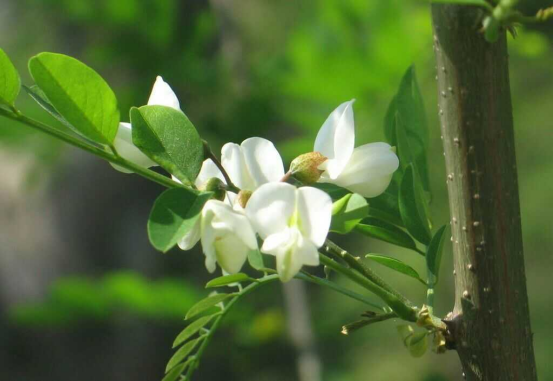
Cutting propagation
1. Cutting time:
The time for cutting propagation is the same as the time for seed propagation, and it can also be a little earlier.
2. Selection of cuttings:
Select healthy and vigorous pagoda tree branches for cuttings. Selecting 15~20cm is most suitable. Cut the upper incision flat, 1~2 cm from the bud, and cut the lower incision into a 45-degree slant, 5 mm from the bud. Separate the upper and lower ends and tie them in bundles of 50. Soak the lower ends in a 50 mg/kg rooting powder solution for 3~4 hours, then take them out for later use.
3. Cutting method:
Cutting at a plant-row spacing of 20 cm x 40 cm is most suitable.
How to grow potted pagoda tree flower and precautions
How to grow pagoda tree flower
Sowing
The pagoda tree flower looks like a tall, large tree, but it can actually be propagated by seeds. Choose mature, plump seeds, soak them in warm water for 24 hours, take them out and mix them evenly with 2~3 times their volume of fine sand, then place them in an environment of about 20 degrees C for germination acceleration. During germination acceleration, turn them frequently to ensure the temperature above and below the seeds is consistent. Once the seeds germinate, they can be planted. It should be noted that the pagoda tree flower has a relatively long root system, so a larger and deeper flower pot needs to be chosen. It is best to sow in open ground, where growth is faster, and then transplant into pots after growing into small plants.
Thinning seedlings
In the year of sowing, when the plants grow to 10~15 cm, they can be planted in pots. Choose a deeper flower pot and ensure sufficient sunlight. Some thin and weak seedlings can be removed directly.
Fertilizing
Sufficient nutrients help the growth of the pagoda tree flower. During the growth period of the pagoda tree flower, scatter a little granular fertilizer around the pot soil, then water, or directly irrigate with fertilizer water. For smaller flower pots, water and loosen the soil promptly after fertilizing. Household fertilizers usually choose bean cake, horse hoof slices, and sheep horn, used after fermentation.
Pruning
The pagoda tree flower grows at a moderate rate. During the seedling growth period, promptly pinch off the tops to promote branching. For some aged and yellowed branches and leaves, prune them promptly.
Precautions for growing pagoda tree flower
Weed promptly
Perhaps because the pagoda tree flower has strong inclusiveness, many weeds will grow around it. The same applies to potted plants. It is recommended not to use herbicides, as they will have a certain impact on the growth of the pagoda tree flower. Loosen the soil and weed by hand, pulling the weeds out by the roots.
Pruning
Prompt pruning helps ensure the perfect tree shape of the pagoda tree flower. There is also a very important point: potted pagoda tree flowers can be dwarfed through pruning to promote branching, so that every branch tip is full of flowers.