What are the care methods for new periwinkle plants?
1. Light
New periwinkle plants need to first receive plenty of indirect light to ensure nutrients and photosynthesis proceed normally. After they are established, they should be placed in a semi-shaded environment to grow. During normal care, the pot should be placed in a semi-shaded spot. If there is plenty of indirect light, they will grow quickly and the flowers will be brightly colored.
2. Temperature
Periwinkle is heat-tolerant and cold-tolerant. It stays evergreen all year round, but in summer when temperatures are high, you still need to pay attention to sun protection for new plants, and in winter you need to take cold-protection measures to keep periwinkle green and attractive.
3. Soil
Periwinkle's soil requirements are good aeration and drainage. The potting soil can be made by mixing garden soil, leaf mold, and furnace slag.
4. Watering
During the growth period, new periwinkle plants should be given sufficient water. When temperatures are high, water more to cool them down. In the rainy season, pay attention to drainage. When flowering, reduce watering.
5. Fertilizing
During the growth period, fertilize new periwinkle plants once every half month, and apply 2-3 additional applications of phosphorus fertilizer and potassium fertilizer.
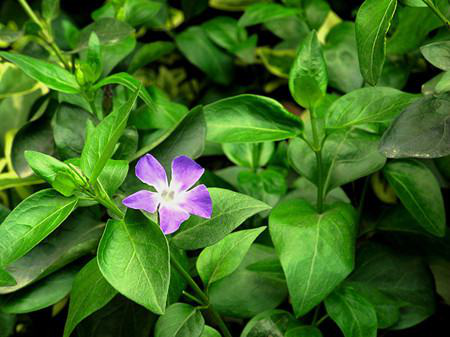
Well, that's all for today's introduction. Do you still have anything you don't understand about periwinkle cutting propagation? You are welcome to leave us comments!
Periwinkle cultivation methods and precautions
Periwinkle cultivation methods
Light
Periwinkle is suitable for growing in a semi-shaded environment and does not have high light requirements. During normal care, the pot should be placed in a semi-shaded spot. If there is plenty of indirect light, it will grow quickly and the flowers will be brightly colored. Periwinkle can tolerate full sun. In summer when sunlight is strong, avoid direct sun exposure, but places that are too dark are actually not good for periwinkle's growth either.
Temperature
Periwinkle is heat-tolerant and cold-tolerant. The normal growth temperature range is between 0~35 degrees. If the temperature is too low, the plant will basically stop growing, and the leaves may even freeze to death, but periwinkle's leaves will still remain emerald green. If the summer temperature is above 35 degrees, you need to cool the periwinkle so it can pass the summer safely.
Soil
Periwinkle's soil requirements are good aeration and drainage. The potting soil can be made by mixing garden soil, leaf mold, and furnace slag. When potting, 3-4 plants can be planted per pot.
Watering
Watering periwinkle should change according to temperature changes. During the growth period, sufficient water should be given. When temperatures are high, water more to cool it down. In the rainy season, pay attention to drainage. When flowering, reduce watering.
Fertilizing
During the growth period, fertilize periwinkle once every half month, and apply 2-3 additional applications of phosphorus fertilizer and potassium fertilizer.
Pruning
When periwinkle vines are too long, pruning can encourage branching, making the plant shape attractive and full and giving it greater ornamental value.
Periwinkle cultivation precautions
Propagation
Periwinkle is mostly propagated by sowing, cuttings, and division.
Yellow leaves
If periwinkle does not get enough light or the soil does not meet periwinkle's growth requirements, the plant will grow poorly, and the leaves will turn yellow or even fall off.
Pests and diseases
Periwinkle often suffers from wilt disease, canker disease, and leaf spot disease. Pay attention to prevention so periwinkle can grow healthily.
Four-season care for periwinkle
Spring care for periwinkle
Spring is the season when all things revive. In early spring, when the temperature is a bit lower, you can place periwinkle on a sunny balcony, windowsill, or similar spot so it receives sufficient light. When the temperature rises, it can be exposed to sunlight for long periods.
Keep the soil moist and control watering. In spring, normal watering is generally enough, with no major restrictions. However, when periwinkle is flowering, you can water less to make the flower colors vivid. As the temperature gradually rises, you can begin fertilizing, once or twice a month.
In spring, periwinkle can be repotted. When repotting, you can prune or pinch it back to encourage branching.
Summer care for periwinkle
Periwinkle is tolerant of high temperatures but not of harsh sunlight. In summer, temperatures are high and sunlight is strong, which can easily scorch periwinkle plants, so in summer you can provide appropriate shade.
Because temperatures are high, you can often spray water around the periwinkle and on its leaves to lower the temperature, and strengthen indoor ventilation. On rainy days, pay attention to making sure there is preferably no standing water in the periwinkle pot, to avoid root rot.
During the dog days of summer, you can skip fertilizing.
Autumn care for periwinkle
In autumn, when temperatures gradually drop, you can increase light exposure and place periwinkle in a sunny area for care.
In autumn, reduce the frequency of watering to keep the potting soil on the dry side, entering a semi-dormant state.
Winter care for periwinkle
Periwinkle is also a cold-tolerant plant. It can safely overwinter when the winter temperature is above 0°C, but note that frost damage must not occur, so in winter you still need to pay attention to cold protection. If conditions allow, it can overwinter in a greenhouse.
In winter, do not water or fertilize too much. Keep the potting soil on the dry side as the standard, and control the frequency of watering. It is best not to fertilize.