What are the propagation methods for plumeria? A detailed explanation of the common methods
The first method - cuttings
Plumeria cuttings have a very high survival rate. Generally, select thick, sturdy branches, cut them into several segments, let the white milky sap flowing from the branches dry, then insert them into the soil. During this period, keep the soil moist, and finally just wait for the plumeria to take root.
The second method - layering
This means cutting a wound into a branch close to the ground and pressing it into the soil, ensuring sufficient nutrients of all kinds, then waiting for it to take root. After it has rooted, separate the branch from the mother plant.
The third method - sowing
Plant the collected plumeria seeds in soil, keep the soil moist, ensure sufficient nutrients of all kinds, then wait for them to take root, sprout and grow into seedlings.
The fourth method - grafting
Select a suitable rootstock and scion. Cut slanted notches in both the rootstock and the branch. The two slanted notches must fit together. Bind the rootstock and branch together with the scion and seal them with plastic film. Then just wait for them to take root.
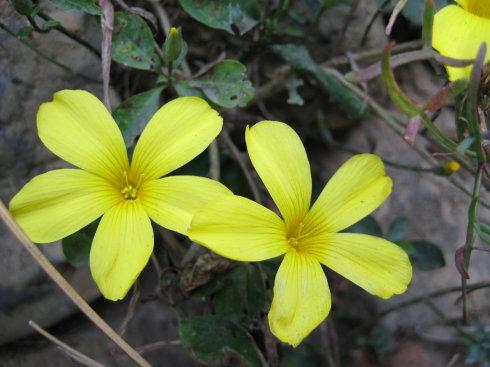
That's all for today's content. I hope the benefits of plumeria tea that the editor has introduced to you can be of help! Thank you for reading!
Propagation methods for plumeria
The first method - cuttings
Plumeria cuttings have a very high survival rate. Generally, select thick, sturdy branches, cut them into several segments, let the white milky sap flowing from the branches dry, then insert them into the soil. During this period, keep the soil moist, and finally just wait for the plumeria to take root.
The second method - layering
This means cutting a wound into a branch close to the ground and pressing it into the soil, ensuring sufficient nutrients of all kinds, then waiting for it to take root. After it has rooted, separate the branch from the mother plant.
The third method - sowing
Plant the collected plumeria seeds in soil, keep the soil moist, ensure sufficient nutrients of all kinds, then wait for them to take root, sprout and grow into seedlings.
The fourth method - grafting
Select a suitable rootstock and scion. Cut slanted notches in both the rootstock and the branch. The two slanted notches must fit together. Bind the rootstock and branch together with the scion and seal them with plastic film. Then just wait for them to take root.
Alright, the above are the flower language and flowering period of plumeria. I hope the propagation methods for plumeria provided by the editor can help you! Thank you!
Plumeria propagation methods: How to propagate plumeria
Plumeria is also called egg-yolk flower. Its center is yellow and its edges are white, looking just like an egg, which is how it got its name. How do you propagate this beautiful plumeria? What are the propagation methods for plumeria? The editor will explain the propagation methods for plumeria.
Plumeria cutting propagation
Plumeria branches root easily from cuttings and are mainly propagated by cuttings. In tropical and subtropical areas suitable for open-field cultivation, cuttings can be taken all year round. Select sturdy 1-2 year old branches and cut 20-30 cm segments from the base of the branches. Let the white milky sap flowing from the cut surface dry naturally in the shade, or wash the sap from the cut with clean water, then place it in a cool, ventilated spot for 2-3 days before inserting it into the growing medium; because freshly cut branches contain milky sap, cuttings are prone to infection and rot. Insert the cuttings into a clean loamy sand bed inside a shade shed, then spray with water, spraying once every other day, to keep the medium moist. They can take root in 30-35 days. As long as there is no waterlogging and the soil is kept moist, they root very easily. Plumeria has no strict soil requirements and is best planted in loose soil containing more humus. Provide appropriate shade in the early stage, then gradually acclimate it to open-field growth.
Plumeria layering propagation
Layering propagation can be carried out during the growing season, but because cutting propagation roots easily, layering propagation is rarely used in production.
Plumeria seed propagation
Plumeria does not bear much fruit, but most varieties in open-field planting sites can still produce a small amount of seed. The seeds of the plumeria follicle fruit crack open naturally after maturing. Remove the seeds from the pod and sow them in a sandy loam growing-medium seedbed inside a rainproof shade shed. The suitable germination temperature for the seeds is 18-24°C, and they are generally sown as soon as they are collected. Sow evenly at a spacing of 5-6 cm, then cover thinly with a layer of sandy soil or coconut coir. Water appropriately to keep the medium moist. In spring they generally germinate and emerge in 8-12 days, and in summer in about 5 days. After that, carry out general routine management, keeping it moist, but the seedbed must not become waterlogged. When the seedlings grow to 10-15 cm, transfer them into bags and cultivate them in 20 cm x 30 cm seedling bags. When the seedlings grow to 40-50 cm, cultivate them in the field.
Plumeria grafting propagation
Because of the strong compatibility between the rootstock and scion, plumeria grafting is relatively easy to perform and has a very high survival rate. Plumeria grafting can be carried out all year round in tropical and subtropical regions such as South China, but it is best in spring and autumn; in winter and spring it is better when the temperature is stable at an average daily temperature above 18%; but long periods of rainy weather in winter and summer should also be avoided when grafting.
For grafted plumeria trees, prevent rainwater from seeping in during the early stage after grafting, and prevent strong winds or other external forces from shaking the grafted branches. Once the shoot and rootstock have healed, branches grafted during the growing season will quickly grow new leaves. Other management work is the same as routine flower and tree care.
The above content is the editor's summary of plumeria propagation methods and an introduction to how to propagate plumeria. Plumeria has beautiful flowers, but during propagation you should note that propagation is generally mainly by plumeria cuttings, which survive easily. For plumeria propagation, you might as well try the cutting method!