What causes the happiness tree to drop its leaves?
The first reason - temperature
We all know that the happiness tree likes a warm and hot environment, and the suitable temperature for growth is about 20°C to 30°C, so the temperature for the happiness tree's growth must be well controlled. Generally speaking, in summer it can receive full sun, but it must not be exposed to scorching sun. In winter, be sure to keep the happiness tree warm, otherwise the happiness tree will begin to drop leaves or its leaves will turn yellow.
The second reason - watering
The happiness tree likes sufficient water, but it must not be overwatered. Once it is watered too much, the roots will rot, and then the happiness tree will begin to drop leaves. If it is watered too little, the happiness tree will die of drought, and then it will also drop leaves. So watering is something that must be done with great care!
The third reason - fertilizing
Caring for the happiness tree requires not only light and water, but also sufficient nutrients, that is, fertilizing! Once the happiness tree lacks nutrients, it will begin to slowly wither, causing the happiness tree to drop leaves, so fertilizing must be done regularly. Of course, it must not be over-fertilized either, otherwise it will also cause the happiness tree to drop leaves.
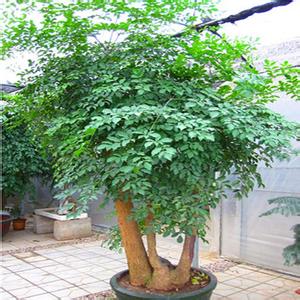
The above are the main reasons why the happiness tree drops its leaves, so the happiness tree must be well cared for to stop it from dropping leaves. Now that the problem of the happiness tree dropping leaves has been solved, let's follow the editor and take a look at how the happiness tree is propagated!
Happiness tree dropping leaves. Causes of the happiness tree dropping leaves, what to do when the happiness tree drops leaves?
The happiness tree is also called the radermachera, a tree of the genus Radermachera. Its requirements for the growing environment are high temperature and much rain, and sufficient sunlight; it fears cold and dislikes stuffiness. For cultivation, loose and fertile loam and sandy loam that drain well and are rich in organic matter should be used. The happiness tree flowers from May to September, and bears fruit from October to December.
Editor's recommendations: What are the characteristics of the peony flower? Is the Cuban oregano toxic? How to grow azaleas
>>Click the image to learn more related content<<
The happiness tree is usually potted indoors, and occasionally leaf curling or yellowing of the leaves occurs. What exactly causes this?What should be done when the happiness tree drops its leaves? For indoor potted plants, this is caused by the indoor light being too dim and the ventilation being poor. If it is not the cold winter, it can be moved onto the balcony to let it get ventilation and light, and it will quickly grow new leaves. In winter, it should be placed on a south-facing balcony with sufficient light or in front of a floor-to-ceiling window. In the north, indoor yellowing of the leaves may also be caused by dry indoor air; appropriately misting the happiness tree's leaves, 2-3 times/day, is enough.
>>Click the image to learn more related content<<
Causes of the happiness tree dropping leaves:
1. Temperature cause: The radermachera likes a warm and hot environment, and the suitable growth temperature is 20°C to 30°C. During the intense heat of midsummer, when the ambient temperature reaches above 30°C, shade should be provided appropriately with a frame, misting of the environment and leaf surfaces should be increased, or it should be moved to a ventilated and cool place with dappled shade to spend the summer. When late autumn arrives, when the ambient temperature drops to around 10°C, it should be moved into a shed or indoors in time.
>>Click the image to learn more related content<<
2. Light cause: The radermachera is a light-loving plant, and can also tolerate slight shade; full sun and semi-shade environments are both acceptable. Its seedlings are relatively shade-tolerant, and in summer a frame should be set up for shading. For potted plants, during indoor display they should be placed in front of a window with sufficient light or indoors. If they are placed in a dim indoor spot for a long time, leaf drop is likely to occur. For home potted plants, during the winter they can be placed in front of a window or in a higher position in front of the balcony, so that they receive as much light as possible.
>>Click the image to learn more related content<<
3. Moisture cause: During cultivation, the soil and the display environment are required to be relatively moist. During the seedling-raising period, the seedbed must be kept moist. In high-temperature seasons, sufficient water must be supplied. In high-temperature seasons, mist the plant 2 to 3 times a day. For plants placed outdoors for care in summer and autumn. For plants placed indoors in winter, the plant enters a dormant state, and it must not be watered too much, to avoid root rot.
4. Soil cause: For potted radermachera, a loose and fertile growing medium that drains well, is airy, and is rich in organic matter should be selected. It is usually mixed as garden soil : leaf mold : decomposed organic fertilizer : river sand = 5:3:1:1. During the growing season, loosen the soil once a month to ensure that the root area is always in a well-aerated state. Under normal circumstances, for small and medium-sized plants kept as home potted plants, repotting can be done once a year in early April when they are brought out, to meet their soil fertility requirements for a full year of growth.
>>Click the image to learn more related content<<
5. Fertilizer cause: For potted radermachera, in addition to adding an appropriate amount of decomposed cake fertilizer and 3% multi-element compound fertilizer to the growing medium, topdressing should also be given continuously. During the growing season, a quick-acting liquid fertilizer can be applied once a month, usually decomposed cake fertilizer water. For a small number of home potted plants, or for large potted plants displayed in public places for a long time, a small amount of multi-element slow-release compound fertilizer granules can be buried and applied regularly, or a mixed solution of 0.2% urea plus 0.1% monopotassium phosphate can be used for watering.
Related recommendations:
What is the propagation method of the kalanchoe?
How to plant peony seeds
Cyclamen, how to make cyclamen bloom more?
What to do when cyclamen leaves turn yellow?
What are the effects and functions of the lily?
What is the cultivation method for the clivia?
Causes of the happiness tree dropping leaves, what to do when the happiness tree drops leaves?
The happiness tree is also called the radermachera, a tree of the genus Radermachera. Its requirements for the growing environment are high temperature and much rain, and sufficient sunlight; it fears cold and dislikes stuffiness. For cultivation, loose and fertile loam and sandy loam that drain well and are rich in organic matter should be used. The happiness tree flowers from May to September, and bears fruit from October to December.
>>Click the image to learn more related content<<
The happiness tree is usually potted indoors, and occasionally leaf curling or yellowing of the leaves occurs. What exactly causes this?What should be done when the happiness tree drops its leaves? For indoor potted plants, this is caused by the indoor light being too dim and the ventilation being poor. If it is not the cold winter, it can be moved onto the balcony to let it get ventilation and light, and it will quickly grow new leaves. In winter, it should be placed on a south-facing balcony with sufficient light or in front of a floor-to-ceiling window. In the north, indoor yellowing of the leaves may also be caused by dry indoor air; appropriately misting the happiness tree's leaves, 2-3 times/day, is enough.
>>Click the image to learn more related content<<
Causes of the happiness tree dropping leaves:
1. Temperature cause: The radermachera likes a warm and hot environment, and the suitable growth temperature is 20°C to 30°C. During the intense heat of midsummer, when the ambient temperature reaches above 30°C, shade should be provided appropriately with a frame, misting of the environment and leaf surfaces should be increased, or it should be moved to a ventilated and cool place with dappled shade to spend the summer. When late autumn arrives, when the ambient temperature drops to around 10°C, it should be moved into a shed or indoors in time.
>>Click the image to learn more related content<<
2. Light cause: The radermachera is a light-loving plant, and can also tolerate slight shade; full sun and semi-shade environments are both acceptable. Its seedlings are relatively shade-tolerant, and in summer a frame should be set up for shading. For potted plants, during indoor display they should be placed in front of a window with sufficient light or indoors. If they are placed in a dim indoor spot for a long time, leaf drop is likely to occur. For home potted plants, during the winter they can be placed in front of a window or in a higher position in front of the balcony, so that they receive as much light as possible.
>>Click the image to learn more related content<<
3. Moisture cause: During cultivation, the soil and the display environment are required to be relatively moist. During the seedling-raising period, the seedbed must be kept moist. In high-temperature seasons, sufficient water must be supplied. In high-temperature seasons, mist the plant 2 to 3 times a day. For plants placed outdoors for care in summer and autumn. For plants placed indoors in winter, the plant enters a dormant state, and it must not be watered too much, to avoid root rot.
4. Soil cause: For potted radermachera, a loose and fertile growing medium that drains well, is airy, and is rich in organic matter should be selected. It is usually mixed as garden soil : leaf mold : decomposed organic fertilizer : river sand = 5:3:1:1. During the growing season, loosen the soil once a month to ensure that the root area is always in a well-aerated state. Under normal circumstances, for small and medium-sized plants kept as home potted plants, repotting can be done once a year in early April when they are brought out, to meet their soil fertility requirements for a full year of growth.
>>Click the image to learn more related content<<
5. Fertilizer cause: For potted radermachera, in addition to adding an appropriate amount of decomposed cake fertilizer and 3% multi-element compound fertilizer to the growing medium, topdressing should also be given continuously. During the growing season, a quick-acting liquid fertilizer can be applied once a month, usually decomposed cake fertilizer water. For a small number of home potted plants, or for large potted plants displayed in public places for a long time, a small amount of multi-element slow-release compound fertilizer granules can be buried and applied regularly, or a mixed solution of 0.2% urea plus 0.1% monopotassium phosphate can be used for watering.