What are the planting precautions for the Brazil iron tree
1. Fertilizing
The Brazil iron tree has no excessive requirements for fertilizer. During the growth period of young plants, a dilute liquid fertilizer is needed once every half month. After it grows slightly larger and takes shape, it can be fertilized once every 2 months. Do not apply too much nitrogen fertilizer; mainly use phosphorus and potassium fertilizer.
2. Leaf color
Under normal temperature and humidity, the leaf surface should be green. If the leaves turn yellow and withered, be sure to pay attention: there is a problem with temperature or fertilizing, and it should be diagnosed and treated promptly.
3. Water and humidity
The Brazil wood needs little water, but has relatively high humidity requirements. It is suitable to be placed for care in a brighter indoor area or a shade shed. The potting soil should be kept moist, and water should often be sprayed on the leaves to increase the humidity of the surrounding environment.
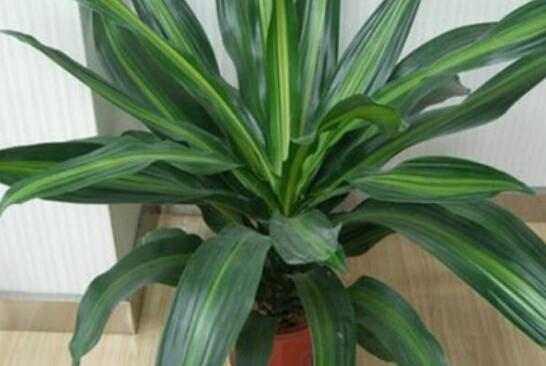
Propagation of the Brazil iron tree. Precautions for growing the Brazil iron tree
The Brazil iron tree, also known as fragrant dracaena, Brazil wood, dragon blood tree, etc., is an evergreen tree of the genus Dracaena in the Liliaceae family. It is generally used as a potted plant. It has branches, leaves clustered at the top of the stem, curved leaves, and bright green, glossy leaf color. The flowers are small but lightly fragrant. The plant shape is graceful and neat, and it is hailed as the world's most famous new-generation indoor foliage plant.
It is now a relatively popular large indoor potted plant, suitable for placement in living rooms, studies, offices, and other places. Its shape is elegant and it also plays a very good role in indoor decoration. The Brazil iron tree has an elegant, upright appearance and is full of tropical style. If the home decor has a tropical mood, placing one or two pots of Brazil iron tree is most suitable. Using it to decorate the living room makes the whole room look dignified and elegant, full of natural charm.
As long as conditions such as temperature are suitable, the Brazil iron tree can grow all year round. During high summer temperatures, appropriate shading is needed. In winter, the room temperature must not be lower than 5°C. But it is best to let it go dormant in winter; the dormancy temperature is 13°C. If the temperature is too low, yellow-brown spots will appear at the leaf tips and leaf margins. When placed indoors, the Brazil iron tree should be in a place with sufficient light. If the light is too weak, the markings on the leaves will turn green, and the basal leaves will yellow, losing ornamental value. During cultivation, keep the water clean, water 1 to 2 times a week, and do not use too much water to prevent the trunk from rotting. During high summer temperatures, misting can be used to increase air humidity, and water can be sprayed on the leaves to keep them moist.
Soil: When the Brazil iron tree is generally grown as a household potted plant, it is not advisable to buy one that is too large. The selected soil should contain humus, have strong permeability, and be fertile, loose sandy culture soil.
Watering: After the Brazil iron tree is planted, water it thoroughly, then place it in a cool place for half a month. After that, place it in a sunny and ventilated place for care. Keep the potting soil moist, but it must not be too wet, and there must be no water accumulation. If it is kept outdoors, drain promptly after rain.
Pests: During growth, the Brazil iron tree is prone to damage by scale insects. Scale insects generally hide on the underside of leaves, and sooty mold is more likely to occur in a non-ventilated environment. Therefore, the Brazil iron tree must be kept in a ventilated place, and medication should be applied promptly for treatment.
Pruning: Only when the Brazil iron tree has grown to maturity can the lower old leaves be cut off, maintaining 2 to 3 rounds of leaves. It does not need frequent pruning. If leaves turn yellow and dry up after being damaged by pests and diseases, cut the leaves off promptly.
Precautions: The Brazil iron tree has an upright, elegant plant and is full of tropical mood. Several stems of different heights are grouped and planted into a large potted plant. Using it to decorate a venue, living room, and lobby shows dignity and elegance and is full of natural charm. Small potted plants or hydroponic plants decorating a windowsill, study, and bedroom in a home appear even more clear and elegant. During storage and transportation, the Brazil iron tree is best at a temperature of 16 to 18°C and a relative humidity of 80% to 90%, and it can tolerate 15 days in a dark environment. However, during storage and transportation, if the temperature is below 8°C, the plant is prone to freezing damage, and if the air humidity is too low, it will cause severe necrosis of the leaf margin tissue.
Brazil iron tree. Growing methods and precautions for the Brazil iron tree
?`?.??.?′′ˉ`?Related recommendations:
? Mucuna birdwoodiana
? Ash tree price
? Scutellaria barbata pictures and effects
? Complete collection of Magnolia zenii pictures for appreciation
? When does osmanthus bloom
?`?.??.?′′ˉ`? Decorate your small home and enjoy every minute of life! This article comes from Aiyouwo!
..........................................................................................
The Brazil iron tree sounds as if it is very distant, but in fact it is often around us; we may just not have known its name at the time or not paid much attention to it. But do not underestimate it, because its uses are very great. Next, let us look at the Brazil iron tree explained by the editor, and the growing methods and precautions for the Brazil iron tree.
Introduction to the Brazil iron tree
The Brazil iron tree, also known as fragrant dracaena, Brazil wood, dragon blood tree, etc., is an evergreen tree of the genus Dracaena in the Liliaceae family. It is generally used as a potted plant. It has branches, leaves clustered at the top of the stem, curved leaves, and bright green, glossy leaf color. The flowers are small but lightly fragrant. The plant shape is graceful and neat, and it is hailed as the world's most famous new-generation indoor foliage plant. It is now a relatively popular large indoor potted plant, suitable for placement in living rooms, studies, offices, and other places. Its shape is elegant and it also plays a very good role in indoor decoration.
Growth habits of the Brazil iron tree
The Brazil iron tree originates from tropical regions, northern Africa. It likes a climate environment with sufficient light, high temperature, and humidity, and it is also shade-tolerant and drought-tolerant, with strong vitality. It needs only sunlight, air, and very little water. Relying on its own potential energy, it can also grow well in the relatively dry environment of a bright northern room. It is grown in areas such as Yunnan and Hainan in China. Common varieties include: Dracaena fragrans 'Massangeana', Dracaena fragrans 'Victoriae', Dracaena fragrans 'Yellow Edge', and other plants.
Growing methods and precautions for the Brazil iron tree
Soil: When the Brazil iron tree is generally grown as a household potted plant, it is not advisable to buy one that is too large. The selected soil should contain humus, have strong permeability, and be fertile, loose sandy culture soil.
Watering: After the Brazil iron tree is planted, water it thoroughly, then place it in a cool place for half a month. After that, place it in a sunny and ventilated place for care. Keep the potting soil moist, but it must not be too wet, and there must be no water accumulation. If it is kept outdoors, drain promptly after rain.
Pests: During growth, the Brazil iron tree is prone to damage by scale insects. Scale insects generally hide on the underside of leaves, and sooty mold is more likely to occur in a non-ventilated environment. Therefore, the Brazil iron tree must be kept in a ventilated place, and medication should be applied promptly for treatment.
Pruning: Only when the Brazil iron tree has grown to maturity can the lower old leaves be cut off, maintaining 2 to 3 rounds of leaves. It does not need frequent pruning. If leaves turn yellow and dry up after being damaged by pests and diseases, cut the leaves off promptly.
Summary: The Brazil iron tree has an elegant, upright appearance and is full of tropical style. If the home decor has a tropical mood, placing one or two pots of Brazil iron tree is most suitable. Using it to decorate the living room makes the whole room look dignified and elegant, full of natural charm. So friends who like it must not miss it.
☆═━┈┈Recommended reading
? Wedding supplies wholesale market ? Happiness for Ten Thousand Years cross-stitch ? What brand of massage pillow is good ? How is the Xiaoruan health pillow ? Illustrated lotus planting methods
? How to grow calla lily ? How to grow kalanchoe ? How to grow bamboo fern ? How to grow clivia ? Is it good to sleep without a pillow
? Dendrobium planting techniques ? Cross-stitch online store franchise ? Can pregnant women use electric blankets ? 1.5 m bed duvet cover size ? Do cacti protect against radiation