A Detailed Guide to Growing Camellias Indoors and Care Tips
1. Light and temperature
Camellias like a sunny, well-ventilated environment and cannot tolerate high heat or cold, so when growing them be sure to pay attention to adequate light and temperature regulation, and do not place them on a balcony to grow.
2. Water management
Camellias like a humid environment and tolerate partial shade, so when watering you can water a little more generously, but not excessively, as this promotes the growth of the camellia. Note that in the high heat of summer, watering must be done once in the morning and once in the evening, while in winter you should reduce the frequency of watering to prevent the roots from freezing.
3. Soil management
Camellias require loose, well-draining sandy soil, ideally mixed with some fertilizer to ensure sufficient nutrients.
4. Pest and disease control
Once pests are found they must be dealt with immediately, for example by spraying insecticide; if disease occurs, simply prune off the diseased branches.
5. Pruning
For camellias, frequent pruning is essential to keep the shape attractive and produce brilliant flowers, so the camellia should be pruned from time to time.
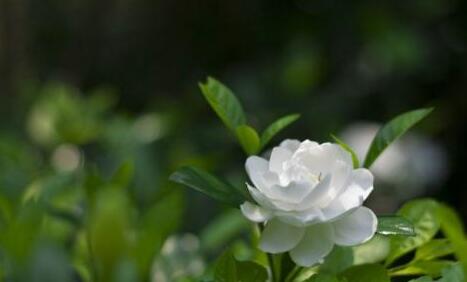
How to Grow Camellias: Camellia Growing Methods and Precautions
The camellia is a plant of the genus Camellia in the family Theaceae, and it likes warm, humid environments. Among the many flowering plants, the camellia has a relatively long blooming period, and it can bloom from October to May of the following year. The camellia's flower colors include red, purple, white, yellow and other different colors. Because the camellia has a graceful plant shape, dark green and glossy leaves, and gorgeous, colorful blooms, it is very popular. Today, let's join the editor Yiai to take a look at what the camellia growing methods and precautions are.
Soil for growing camellias
Camellias like loose, fertile, well-draining sandy soil, and grow in loess and humus soil. Generally, when choosing soil for growing them, you can use peat, rotted sawdust, red soil, humus soil, or a mixed medium of the above for cultivation. The pH value for planting camellias is best between 5-6.5. Slightly acidic soil is best.
Light and temperature for growing camellias
The camellia is a semi-shade plant, so when growing it in summer it needs to be shaded. After the Start of Autumn the temperature drops, and the camellia enters the flower bud differentiation stage, at which point it should promptly be given sufficient light. In winter it should be kept indoors and placed in a spot with plenty of sunlight. The camellia is a long-day plant, so it can only form flower buds in an environment with a day length of 12 hours. Its ideal growing temperature is 18-25°C; if it is higher than 35°C, its leaves will be scorched. When growing it in winter, the temperature should be kept at 3-5°C, and it can also endure short periods of low temperature down to -10°C, but it cannot be kept above 16°C for long periods, otherwise it will be prompted to sprout and cause leaf drop.
Watering and fertilizing for growing camellias
Camellias have relatively high water requirements, and if grown in neutral or alkaline soil their growth will be poor. When watering, adding too much water will cause root rot. The potting soil must not dry out either, as the roots are then prone to shrinking from water loss, so it is best to keep the potting soil and the surrounding environment moist. During the camellia's blooming period, do not spray water. When watering, do not pour water onto the flowers, as that easily causes the flowers to rot and shortens the blooming period. After the camellias finish blooming, promptly remove the spent flowers; in winter, watering is generally done once every three days, keeping the potting soil moist. Camellias like fertilizer, and generally sufficient base fertilizer is applied when repotting. In autumn and winter, apply a diluted decomposed liquid fertilizer once a week, and additionally apply phosphorus-potassium fertilizer 1 to 2 times. When fertilizing, you can water it on with thin alum fertilizer water. After budding in spring, apply a thin fertilizer solution once every half month; in summer apply phosphorus and potassium fertilizer; in early autumn you can stop fertilizing for about 1 month, then apply alum fertilizer water before flowering, and apply quick-acting phosphorus and potassium fertilizer when blooming, so the flowers are large and brightly colored with a long blooming period.
Shaping and pruning for growing camellias
When pruning camellias, mainly cut off dead branches, diseased and weak branches, crossing branches and overly dense branches. If camellia buds affect the shape of the tree's branches, the excess buds can be picked off. For potted camellias, you can shape and prune according to your own preference, but when pruning you must not cut too severely, as that will affect its growth.
Precautions for camellias
1. When watering camellias, be sure to first store tap water in a bucket for one or two days to let the chlorine evaporate. It is best to add one percent ferrous sulfate to the water to help improve water quality.
2. Camellias should not be exposed to overly strong direct light, especially in summer and early autumn, when they must be shaded.
3. When fertilizing camellias, if there is too much nitrogen fertilizer the flower buds are easily scorched and withered; after blooming, fertilize less or not at all.
4. Because camellias cannot tolerate cold, sometimes their blooming period is delayed, and this is fairly normal.
Summary: The camellia is an evergreen plant of all four seasons, with a graceful plant shape, dark green and glossy leaves, and gorgeous, colorful blooms; it is a traditional ornamental flower of China, ranking eighth among the "Ten Famous Flowers," and is also one of the world's precious flowering trees. The above is the editor's introduction to camellia growing methods and precautions; after reading the editor's introduction, I believe everyone has a fairly good understanding.
How to Grow Camellias and Precautions: Camellia Growing Methods and Precautions
The camellia is a plant of the genus Camellia in the family Theaceae, and it likes warm, humid environments. Among the many flowering plants, the camellia has a relatively long blooming period, and it can bloom from October to May of the following year. The camellia's flower colors include red, purple, white, yellow and other different colors. Because the camellia has a graceful plant shape, dark green and glossy leaves, and gorgeous, colorful blooms, it is very popular. Today, let's join the editor Yiai to take a look at what the camellia growing methods and precautions are.
Soil for growing camellias
Camellias like loose, fertile, well-draining sandy soil, and grow in loess and humus soil. Generally, when choosing soil for growing them, you can use peat, rotted sawdust, red soil, humus soil, or a mixed medium of the above for cultivation. The pH value for planting camellias is best between 5-6.5. Slightly acidic soil is best.
Light and temperature for growing camellias
The camellia is a semi-shade plant, so when growing it in summer it needs to be shaded. After the Start of Autumn the temperature drops, and the camellia enters the flower bud differentiation stage, at which point it should promptly be given sufficient light. In winter it should be kept indoors and placed in a spot with plenty of sunlight. The camellia is a long-day plant, so it can only form flower buds in an environment with a day length of 12 hours. Its ideal growing temperature is 18-25°C; if it is higher than 35°C, its leaves will be scorched. When growing it in winter, the temperature should be kept at 3-5°C, and it can also endure short periods of low temperature down to -10°C, but it cannot be kept above 16°C for long periods, otherwise it will be prompted to sprout and cause leaf drop.
Watering and fertilizing for growing camellias
Camellias have relatively high water requirements, and if grown in neutral or alkaline soil their growth will be poor. When watering, adding too much water will cause root rot. The potting soil must not dry out either, as the roots are then prone to shrinking from water loss, so it is best to keep the potting soil and the surrounding environment moist. During the camellia's blooming period, do not spray water. When watering, do not pour water onto the flowers, as that easily causes the flowers to rot and shortens the blooming period. After the camellias finish blooming, promptly remove the spent flowers; in winter, watering is generally done once every three days, keeping the potting soil moist. Camellias like fertilizer, and generally sufficient base fertilizer is applied when repotting. In autumn and winter, apply a diluted decomposed liquid fertilizer once a week, and additionally apply phosphorus-potassium fertilizer 1 to 2 times. When fertilizing, you can water it on with thin alum fertilizer water. After budding in spring, apply a thin fertilizer solution once every half month; in summer apply phosphorus and potassium fertilizer; in early autumn you can stop fertilizing for about 1 month, then apply alum fertilizer water before flowering, and apply quick-acting phosphorus and potassium fertilizer when blooming, so the flowers are large and brightly colored with a long blooming period.
Shaping and pruning for growing camellias
When pruning camellias, mainly cut off dead branches, diseased and weak branches, crossing branches and overly dense branches. If camellia buds affect the shape of the tree's branches, the excess buds can be picked off. For potted camellias, you can shape and prune according to your own preference, but when pruning you must not cut too severely, as that will affect its growth.
Precautions for camellias
1. When watering camellias, be sure to first store tap water in a bucket for one or two days to let the chlorine evaporate. It is best to add one percent ferrous sulfate to the water to help improve water quality.
2. Camellias should not be exposed to overly strong direct light, especially in summer and early autumn, when they must be shaded.
3. When fertilizing camellias, if there is too much nitrogen fertilizer the flower buds are easily scorched and withered; after blooming, fertilize less or not at all.
4. Because camellias cannot tolerate cold, sometimes their blooming period is delayed, and this is fairly normal.
Summary: The camellia is an evergreen plant of all four seasons, with a graceful plant shape, dark green and glossy leaves, and gorgeous, colorful blooms; it is a traditional ornamental flower of China, ranking eighth among the "Ten Famous Flowers," and is also one of the world's precious flowering trees. The above is the editor's introduction to camellia growing methods and precautions; after reading the editor's introduction, I believe everyone has a fairly good understanding.