How to Plant and Care for the Snow Chrysanthemum (Erigeron karvinskianus)
1. Sowing
Fill a transparent plastic cup halfway with potting soil, scatter the seeds evenly over the soil without covering them too deeply, water thoroughly, cover with plastic film, then move to a cool, shaded spot; they sprout in about a week.
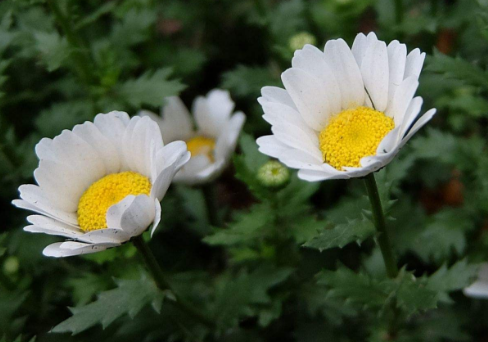
2. Potting Up Seedlings
After the seeds sprout, apply a top dressing of fertilizer or water with a little diluted fertilizer solution to promote seedling growth. Once the seedlings have grown 4-5 true leaves, they can be potted up.
How to Plant the Snow Chrysanthemum (Erigeron karvinskianus)
Tools to Prepare for Sowing Snow Chrysanthemum
Transparent plastic cups (for raising seedlings)
Flower pots (for potting up after the seedlings establish)
Seeds / gardening tools
How to Sow the Snow Chrysanthemum
Sowing: Put a small amount of soil (1/2) into a plastic pot and scatter the seeds into it. Water thoroughly, cover the seeds with plastic film, then place in a cool, shaded spot; they sprout in 5 to 8 days.
Potting up: After sprouting, apply a top dressing of fertilizer once and water with a little diluted fertilizer solution to promote vigorous growth of the young seedlings. When the seedlings have grown 4~5 leaves, they can be potted up.
Care: The snow chrysanthemum is cold-tolerant but not tolerant of high temperatures, so keep the potted plant in a cool, well-ventilated spot. After planting out, water once every 7 to 10 days. Do not fertilize too frequently; once every 2~3 weeks is enough. It can bloom in February~March of the following year.
How to Grow the Snow Chrysanthemum: How to Plant the Snow Chrysanthemum
The snow chrysanthemum is an annual or biennial herbaceous plant. It can be seen blooming before spring even arrives, and its flowering period lasts as long as half a year, with the most abundant bloom from March to May. How do you grow the snow chrysanthemum? Let's take a look at how to plant the snow chrysanthemum below.
How to Grow the Snow Chrysanthemum
1. Soil
The snow chrysanthemum is not demanding about soil, but it grows best in well-aerated, fertile, moist loam or sandy loam. During the growth of the snow chrysanthemum, the soil needs to be kept moist.
2. Light and Temperature
The snow chrysanthemum likes a sunny yet cool environment, and flowering is poor when light is insufficient. It dislikes high temperatures and excessive moisture. In summer, as temperatures rise, the flowers fade faster, and growth is poor above 30°C. Placing it in a cool, well-ventilated environment can extend the flowering period.
3. Water and Fertilizer
Water once every 7 to 10 days. Fertilizing does not need to be too frequent; during the growing season, apply a nitrogen, phosphorus and potassium compound fertilizer once every half month, at a ratio of 2:1:2, or use dilute manure water. After the snow chrysanthemum blooms in February, stop fertilizing.
How to Plant the Snow Chrysanthemum
The snow chrysanthemum is usually propagated by sowing, typically sown in autumn from September to October, with a suitable germination temperature of 15°C to 20°C. Mix the seeds with a small amount of fine sand or potting soil and scatter-sow them in a seedbed or seedling tray. Cover with soil to a depth at which the seeds are no longer visible. After sowing, shade with reed curtains rather than covering with plastic film, and keep moist; they sprout in 5 to 8 days.
After the snow chrysanthemum seedlings establish, apply a light top dressing to encourage robust seedling growth. When 2 or 3 leaves have grown, transplant them for the first time, bare-rooted without the original soil. After 4 to 5 true leaves have grown, move them into a seedbed or nutrient pots to grow on.
At the end of October, water thoroughly once. When the soil in the bed is neither sticky nor crumbly, lift the seedlings as soil blocks and store them in a sunny cold frame to overwinter, covering them with cattail mats at night to protect against the cold. Although the snow chrysanthemum is cold-tolerant, in winter the seedlings are best kept in a plastic greenhouse or a cold room so they can continue growing, with timely watering and fertilizing and prompt removal of flower buds to encourage a larger crown diameter. Moving them outdoors or into a flower bed in early spring the following year can enhance their ornamental effect. It likes warmth, is fairly cold-tolerant, likes light, and also tolerates semi-shade. The optimum growing temperature is 15-25 degrees.