When to sow China aster? A detailed guide to the best sowing time
The sowing time for China aster varies by variety. Dwarf types grown at home are generally sown in spring.
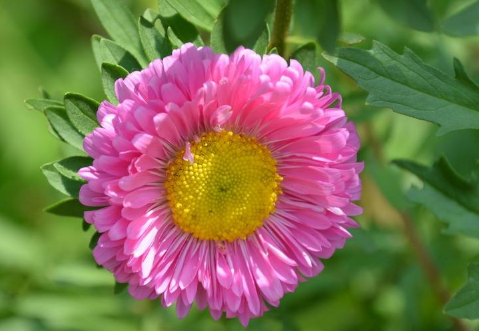
Dwarf China aster is suitable for sowing in a greenhouse in February-March or in a cold frame in March, and can bloom in May-June; sown in the open field in April-May, it blooms in July-August; sown in early July, it can bloom on "National Day" (October 1); if sown in early to mid-August, the seedlings need to overwinter in a cold bed and bloom on "May Day" (May 1) the following year.
Medium China aster is sown in May-June and can bloom in August-September.
Tall China aster can be sown in spring or summer, and either way it will bloom in autumn.
How to sow and grow China aster from seed
China aster is commonly propagated by growing from seed, and it can generally be planted in spring and autumn. Below is a step-by-step guide to growing China aster from seed for flower lovers.
China aster seed growing method 1. Planting timeChina aster can be planted in spring and autumn, when the temperature is favorable for its growth.
2. Material preparationFlower lovers need to prepare in advance the soil, flower pot, watering can and China aster seeds for planting.
3. Planting methodChina aster seeds can be broadcast directly onto the soil; do not sow the seeds too densely, as spreading them out is better. After sowing, keep the soil moist and control the temperature at 18-21°C; they will generally sprout in about 7 days.
4. Fertilizing mattersChina aster seedlings grow very quickly, so flower lovers need to thin them out in time. At the same time, fully decomposed high-quality organic fertilizer should be used as a base fertilizer, and chemical fertilizer can be used as a top dressing to supplement the nutrients for seedling growth.
5. Transplanting and planting outAfter the China aster seedlings emerge, they should be thinned in time. After one transplanting, plant them out when the seedlings are 10 cm tall. In dry summers, they must be irrigated frequently. For China aster grown for cut flowers from an autumn sowing, 1-2 hours of midnight lighting must be used to promote stem elongation and flowering.
How to grow China aster
1. Water
China aster likes a moist environment, but because it is a shallow-rooted plant, it should not be too wet. Keeping the potting soil moist during the peak growth period is good for the plant's growth. Summer is relatively dry, so the amount of watering can be appropriately increased. After budding, watering should be controlled to inhibit the growth of the main stem, otherwise it will grow too long and affect flowering.
2. Sunlight
China aster likes sunlight and is suitable for growing in a ventilated, airy environment with plenty of sunlight. Therefore, China aster has a high demand for light; long daily sunshine can keep the plant short and promote flowering, while short daylight will make the plant grow taller and delay flowering.
3. Temperature
The suitable temperature for China aster growth is 15°C-25°C, and its cold tolerance and heat tolerance are both relatively weak. In winter, the temperature should not be lower than 0°C, otherwise it will be frostbitten; if the summer temperature exceeds 30°C, the plant will bloom less or flowering will be delayed.
4. Fertilizer
China aster is not particular about soil when growing, but fertile sandy soil is best. It likes fertilizer, so there should be sufficient organic fertilizer when planting. After the seedlings are planted out, top dressing can begin; applying dilute liquid fertilizer once a month is enough, and it is even better for plant growth.