What causes leaves to turn yellow and soft?
Sunlight exposure
In the hot summer, with direct sunlight and a lack of moisture in the soil of the money tree, the direct sun burns the thick, tender leaves of the money tree, after which they turn yellow and soft.
Prevention and treatment:
Never let the money tree suddenly be exposed to blazing sun; give it appropriate light. In summer it can be placed indoors or in a cooler, shadier spot for growing!
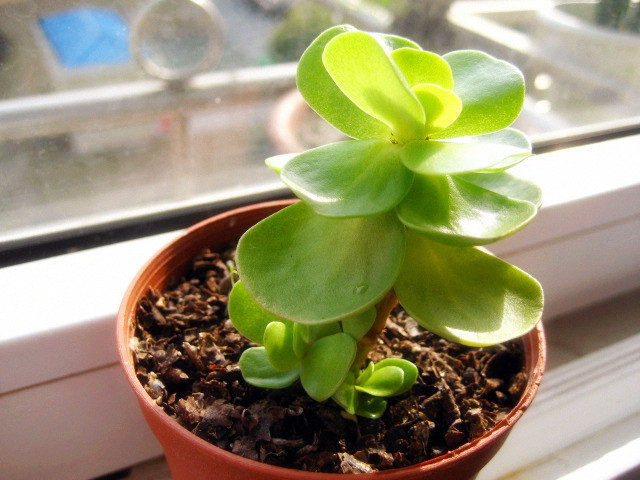
Diseases and pests
When the money tree is in an environment that is too hot or poorly ventilated, it is highly prone to diseases and pests and is easily attacked by scale insects that pierce and suck its sap; its leaves develop round yellowish-brown disease spots, causing the leaves to turn yellow and soft.
Prevention and treatment methods:
When diseased leaves are found, remove them promptly to prevent the disease from spreading between leaves. Pesticide can be sprayed appropriately to eliminate the disease, or transparent tape can be used to stick off the insects, or a damp cloth can be used to wipe away the live insects.
Temperature too low
Generally in winter, when the temperature is below 5°C and the potting soil is damp, the money tree's leaves very easily turn yellow and soft, and it is also very difficult for them to recover their vitality.
Prevention and treatment methods:
During the overwintering period, ensure the cultivation temperature is not lower than 10°C and keep the potting soil dry.
Grow a pot of money tree well, and its leaf color will be fresh, its shape distinctive, and it will have very high ornamental value! So besides ornamental value, what other values does it have?
What causes Phalaenopsis orchid leaves to turn yellow and soft, and how to deal with it
When the Phalaenopsis orchid blooms, its colors are gorgeous and its form elegant, making it very beautiful. Its green leaves are also full of vitality, but Phalaenopsis orchids at home often have leaves that turn yellow and soft, looking wilted. Below is an introduction to the causes of yellowing Phalaenopsis leaves.
Analysis/treatment of the causes of yellowing Phalaenopsis leavesPhalaenopsis leaves turning yellow: temperature
Phalaenopsis has relatively high temperature requirements; its optimal growing temperature is 18-28°C, and it cannot tolerate high heat or severe cold. Above 32°C and below 15°C will both affect the growth of Phalaenopsis. Therefore, extra attention should be paid in summer and winter to ensure it grows in a suitable environment.
Phalaenopsis leaves turning yellow: water and fertilizer
Phalaenopsis is native to tropical regions, so it likes high-humidity environments, but overwatering easily causes root rot. When Phalaenopsis leaves turn yellow and soft, for watering you can choose to place the entire pot of Phalaenopsis into a large container filled with water, with the water level at 2/3 of the Phalaenopsis pot; it is enough to feel with your hand that the soil is moist. In addition, attention should be paid to fertilizing during the growing period. Phalaenopsis generally needs more potassium fertilizer.
Phalaenopsis leaves turning yellow: light
Phalaenopsis likes semi-shaded environments and prefers scattered light. Strong light or long-term placement in a dark environment will both affect the photosynthesis of Phalaenopsis, causing the leaf surface to turn yellow and soft. Therefore, while ensuring sufficient light, take care to avoid exposure to strong light. From May to October, do not expose it to direct sunlight; in winter it can be placed on a warm balcony.
Phalaenopsis leaves turning yellow: pests and diseases
Pests such as red spider mites and scale insects can also cause Phalaenopsis leaves to turn yellow and soft. Normally, ensure air circulation, promptly clean up dead branches and rotting leaves, observe the plant's surrounding environment more often, and keep the growing area clean. When pests first appear and are still few, you can use a soft brush to gently wipe the insects off the leaf surface, or spray pesticide to eliminate the pests.
Phalaenopsis leaves turning yellow and soft
Phalaenopsis leaves turning yellow and soft - temperature
Phalaenopsis has relatively high temperature requirements; its optimal growing temperature is 18-28°C, and it cannot tolerate high heat or severe cold. Above 32°C and below 15°C will both affect the growth of Phalaenopsis. Therefore, extra attention should be paid in summer and winter to ensure it grows in a suitable environment.
Phalaenopsis leaves turning yellow and soft - water and fertilizer
Phalaenopsis is native to tropical regions, so it likes high-humidity environments, but overwatering easily causes root rot.
When Phalaenopsis leaves turn yellow and soft, for watering you can choose to place the entire pot of Phalaenopsis into a large container filled with water, with the water level at 2/3 of the Phalaenopsis pot; it is enough to feel with your hand that the soil is moist.
In addition, attention should be paid to fertilizing during the growing period. Phalaenopsis generally needs more potassium fertilizer.
Phalaenopsis leaves turning yellow and soft - light
Phalaenopsis likes semi-shaded environments and prefers scattered light. Strong light or long-term placement in a dark environment will both affect the photosynthesis of Phalaenopsis, causing the leaf surface to turn yellow and soft.
Therefore, while ensuring sufficient light, take care to avoid exposure to strong light. From May to October, do not expose it to direct sunlight; in winter it can be placed on a warm balcony.
Phalaenopsis leaves turning yellow and soft - pests and diseases
Pests such as red spider mites and scale insects can also cause Phalaenopsis leaves to turn yellow and soft. Normally, ensure air circulation, promptly clean up dead branches and rotting leaves, observe the plant's surrounding environment more often, and keep the growing area clean. When pests first appear and are still few, you can use a soft brush to gently wipe the insects off the leaf surface, or spray pesticide to eliminate the pests.