Effective management techniques for promoting growth in orchards in Sichuan in autumn
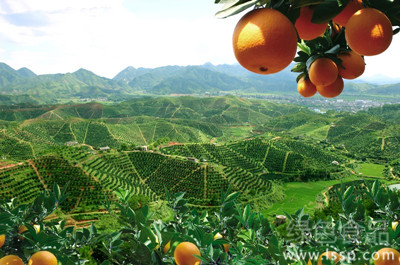
After fruit harvest, it does not mean the end of fruit tree management. If reasonable fertilization, pest and disease control, and pruning are not carried out, the result will be soil compaction, insufficient fertility, and weakened tree vigor, which leads to insufficient vegetative growth of the tree, inadequate stored nutrients, and no sufficient nutrients to supply the needs of flower bud differentiation and development. The fruit set rate the following year will be very low, or the fruit will not set at all, forming a poor-quality orchard. Therefore, strengthening management in autumn plays an important role in reducing the occurrence of pests and diseases, promoting tree growth, restoring tree vigor, and increasing the number and quality of flower buds. It is an important part of ensuring a high and stable yield the following year. In this regard, Chen Dong, an expert from the Provincial Academy of Agricultural Sciences, reminds fruit growers to strengthen orchard management.
Post-harvest pruning
After fruit trees are harvested, the branches should be straightened out to improve the light conditions inside the tree. This is because it is difficult to form plump flower buds in parts of the canopy with poor light conditions. Therefore, diseased and pest-infested branches, crossing branches, overlapping branches, thin and weak branches, and water sprouts within the canopy should be pruned off to reduce tree consumption and increase photosynthesis, accelerating flower bud formation and development.
Cleaning the orchard
The focus is to remove fallen leaves, dead branches, diseased and damaged fruit, and weeds in the orchard, and carry them out of the orchard or bury them deeply or burn them in a centralized manner.
Fertilizer and water management
After harvest, fertilizer should be applied as early as possible, especially for trees with weaker vigor and those that bore more fruit that year, fertilizer should be applied promptly to make up for the shortage of nutrients in the tree. Organic fertilizer and a small amount of phosphorus and potassium fertilizer can be applied in trenches. Organic fertilizer is mainly farmyard manure. Generally, for 5-6-year-old trees beginning to bear fruit, apply 30-50 kg of farmyard manure and 0.3-0.5 kg of superphosphate per tree; for trees in full fruit period, apply 70-100 kg of farmyard manure and 0.5-1.0 kg of superphosphate per tree, and water immediately after application; in addition, combined with pesticide spraying, foliar spray 0.3%-0.5% urea and 0.3% potassium dihydrogen phosphate 2-3 times, which can improve the level of stored nutrients in the tree, keep the tree vigorous after harvest, promote flower bud differentiation, and ensure the yield the following year.
Disease prevention and leaf protection
The focus is on controlling early defoliation disease, leaf-eating pests, trunk-boring pests and diseases, red and yellow spiders, and other pests and diseases. After fruit harvest in autumn, spray fungicides and insecticides 1-2 times, and at the same time combine with foliar spraying of 0.3%-0.5% urea to delay defoliation and promote leaf photosynthesis.
Drainage and waterlogging prevention
Fruit trees are afraid of waterlogging. Long-term water accumulation or prolonged flooding in the orchard will seriously affect the growth and development of fruit trees, or even kill them. For example, peach trees will die after 24 consecutive hours of flooding, and it will also cause the occurrence of various diseases. This year, Sichuan experienced a drought not seen in decades. Around September, continuous rainy weather may occur, so orchard waterlogging prevention work should be strengthened, drainage ditches should be cleared in time, and the drainage system should be repaired.
Top grafting for variety replacement
In most places in Sichuan, the winter climate is mild, so top grafting for variety replacement of fruit trees can be carried out around National Day. Grafting during this period is conducive to checking the survival rate in spring and timely supplementary grafting. Multiple grafting is mostly used for grafting during this period.