Winter is here: master these agricultural plant protection techniques that cost nothing
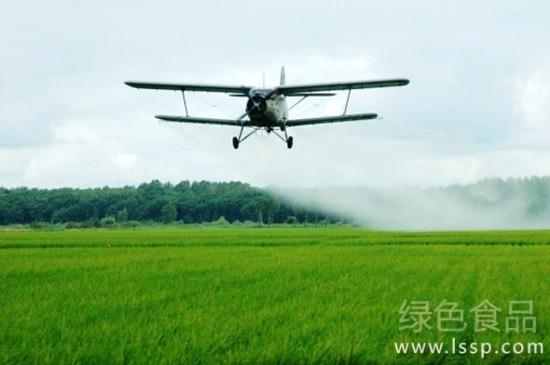
Modern plant protection techniques
Plant protection techniques are agricultural techniques used to prevent, eliminate or control diseases, insects, weeds and other harmful organisms that damage agriculture and forestry, as well as to purposefully regulate plant and insect growth, product preservation and related matters. By adopting comprehensive control measures such as ecological management, agricultural control, biological control and physical trapping, crop diseases and pests are controlled, ensuring sustainable agricultural development.
1. Winter plowing
Cotton bollworm generally pupates 2.5 to 6 cm below the ground surface to overwinter (as deep as 9 cm). Winter plowing can destroy the pupal chamber, change the natural state of the pupa and reduce the emergence rate the following spring; it can turn some pupae to the surface so they dry out, freeze to death or are pecked by natural enemies; and it can turn some pupae deep into the soil so they cannot emerge normally and suffocate, thereby reducing the overwintering insect source. The earlier the winter plowing, the better; generally it should be carried out promptly after the previous crop is harvested, and completed before the ground freezes (when the frozen soil layer exceeds 5 cm), to extend the weathering time, improve the insect-killing effect and help absorb more rain and snow. The plowing depth should be more than 10 cm; the deeper the winter plowing, the better the insect-killing effect. It should be noted that because adult cotton bollworms are strong fliers, winter plowing to kill insects must be carried out over a large area to be effective; in addition to reserved bare cotton stubble land, wheat field intercropping rows and empty orchard land should also be winter plowed.
2. Winter irrigation
Winter irrigation immediately after winter plowing, or spring irrigation, can not only settle and weather the soil but also increase the mortality rate of overwintering pupae. According to research by the Chinese Academy of Agricultural Sciences, when the relative soil moisture content is 40%, the mortality rate of cotton bollworm pupae is 35.7% and the adult emergence rate is 40%; when the soil moisture content is 70%, the mortality rate of cotton bollworm pupae is 46.7% and the adult emergence rate is 33.3%; when the soil moisture content reaches saturation, the pupal mortality rate is 100%. Other data show that in plots with winter plowing and winter irrigation, the overwintering mortality rate of cotton bollworm pupae is about 80%; in plots that are only plowed but not irrigated, the overwintering mortality rate is 60 to 70%; and in plots that are neither plowed nor irrigated, it is only 30 to 40%.
3. Winter sunning
In the cold winter, subjecting cotton seed to freezing and sunning treatment can, first, reduce the seed's moisture content and increase its storage tolerance; second, help increase the seed germination rate and enhance the cold resistance of the seedlings after sowing and emergence; and third, the low winter temperatures can directly kill cotton pests overwintering in the cottonseed (according to surveys, cotton pink bollworm larvae overwintering in cottonseed usually account for about 15% of the overwintering insect population), while ultraviolet rays in sunlight can kill certain pathogenic bacteria attached to the seed surface. Freezing and sunning method: choose a sunny day and spread the selected cottonseed on a wind-protected, sun-facing open area at a thickness of 3 to 4 cm, and freeze-sun continuously for 7 to 10 days; if the seed is then sunned again for 3 to 5 days before spring sowing, the effect is even better. Cottonseed with a moisture content above 12% should not be freeze-sunned, to avoid damaging the seed from freezing and losing germination ability.
4. Winter weeding
That is, removing weeds. After crops are harvested, some pests often move to weeds in and around the fields to overwinter, and by early spring these weeds often become the "shelter" and wild hosts for overwintering pests to reproduce and cause damage; relevant experts once surveyed weeds around cotton fields and found as many as 8 to 15 overwintering cutworms per square meter, and on early-spring weed hosts, cotton red spider mites reached as high as 1,194 insects (eggs) per 100 plants. Therefore, combining winter and spring manure accumulation and fertilizer production with removing weeds inside and outside the fields, or spraying weeds in early spring, is an effective measure for controlling overwintering pests.
5. Winter burning
Some pests (such as corn borers) often hide in the stalks or ear axes of host crops to overwinter after the crops are harvested; in winter or early spring, burning these host crop stalks or ear axes as fuel (or using them as feed, fertilizer, etc.) can greatly reduce the overwintering base of pests.
6. Winter whitewashing
Whitewashing tree trunks in winter can not only prevent sunscald and freeze damage in fruit trees but also eliminate large numbers of pathogens and pests overwintering on the trunks. The general mixing ratio of whitewash is: 10 parts quicklime, 2 parts lime-sulfur mixture, 1 to 2 parts salt, 2 parts clay and 35 to 40 parts water. It is best to apply the whitewash twice: the first time after fruit trees drop their leaves and before the soil freezes, and the second time in early spring.
7. Winter banding
By taking advantage of pests' selectivity for overwintering sites, after autumn, straw bundles or pieces of worn burlap are tied to the large branches of fruit trees to attract pests to pupate and overwinter, and then they are killed in a concentrated way. According to surveys, this method can achieve a trapping effect of 47 to 78% for the lesser apple fruit borer and the pear fruit borer, and it also has a good trapping effect on hawthorn red spider mite, jujube leaf roller, fruit moth, apple leaf roller and brown leaf roller, especially when the overwintering population density is relatively high that year, the trapping effect is even more obvious.
8. Winter bark scraping
As the saying goes: "To eat pears, scrape the bark." Large numbers of overwintering pathogens and pests often lurk in the rough bark, scaly bark and trunk cracks of fruit trees, and winter bark scraping has a good control effect on many diseases and pests. Based on surveys in various places, in orchards that have had bark scraping, overwintering larvae of the jujube leaf roller and pear star caterpillar are reduced by 80 to 90%, the lesser apple fruit borer and pear fruit borer are reduced by 60 to 80%, and hawthorn red spider mite is reduced by 70 to 80%.