How to prevent premature aging in fruit vegetables? Six tricks every vegetable grower must learn
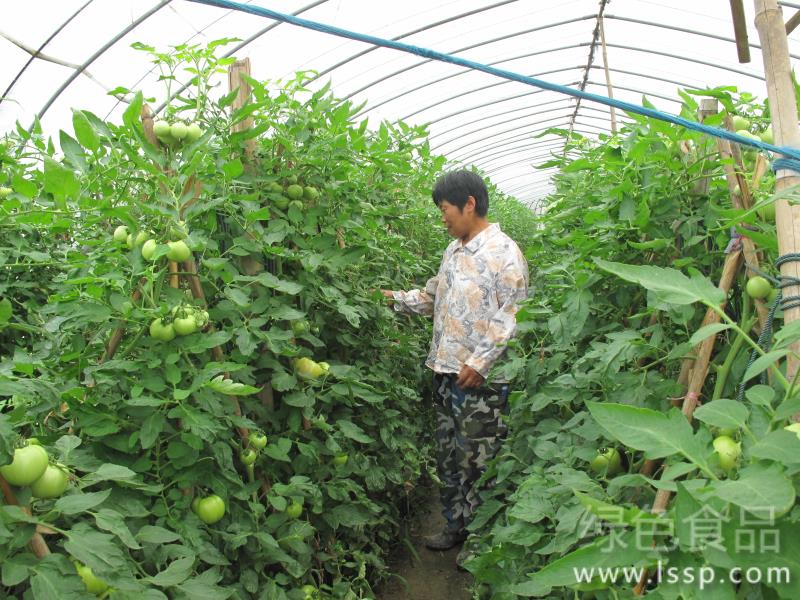
Vegetable growing
In the cultivation of fruit vegetables, premature aging has always been a headache for vegetable growers, leading to low yields and declining product quality. How can premature aging in vegetables be prevented? Crops such as peppers, cucumbers and tomatoes show shrunken plants, yellowing leaves, late fruit ripening and low yields, and in severe cases the plants may die prematurely.
The main cause of premature aging in vegetables is high temperature and abundant rain. The prevention methods are as follows:
1. Prune at the right time. The main purpose of pruning is to prevent excessive vegetative growth, reduce excessive nutrient consumption and encourage the plants to bear more fruit.
2. Remove old leaves. For all kinds of fruit vegetables, promptly remove the old, withered and diseased leaves from the lower part of the plants to prevent the field from becoming too dense. This not only reduces the plants' nutrient consumption, but also effectively controls the spread and expansion of disease, and also helps ventilation and light penetration in the field, promoting vigorous plant growth.
3. Harvest early. For fruit vegetables, early harvesting of the fruit is recommended, as this both reduces nutrient consumption and prevents the plants from aging prematurely.
4. Fertilize reasonably. Reasonable topdressing provides sufficient nutrients for the plants' growth and development, and this is the key to preventing plant aging. The best time for topdressing is after the fruit is harvested.
5. Irrigate to lower the temperature. In the hot summer, water appropriately according to the weather and soil moisture conditions. When irrigating, use a small amount of water to avoid washing away the base of the ridges and damaging the plant roots. At the same time, after heavy rain, drainage and waterlogging prevention must also be done well to ensure the normal growth and development of the seedlings.
6. Prevent disease and control pests. For fruit vegetables, pay attention to early and timely control of aphids; generally, a 20% fenvalerate emulsion at 800-1000 times dilution can be sprayed on the leaves.
For cucumber powdery mildew, spray a 50% thiophanate-methyl solution at 800-1000 times dilution or a 25% triadimefon wettable powder at 1200 times dilution for control. For cucumber downy mildew, spray a 40% phosethyl-Al solution at 300-400 times dilution or a 25% metalaxyl solution at 1000 times dilution for control.
To control tomato gray mold, spray a 75% chlorothalonil or carbendazim wettable powder at 600-800 times dilution.
To control eggplant Phytophthora fruit rot, in the early stage of the disease spray a 75% chlorothalonil solution at 700 times dilution or a 50% captan solution at 500 times dilution, spraying once every 7-10 days for a total of 3-4 sprays. When spraying, apply evenly to the leaves and fruit, which can effectively control the development of the disease.