Mushroom water management should be reasonable, pay attention to the nine observations and nine avoidances
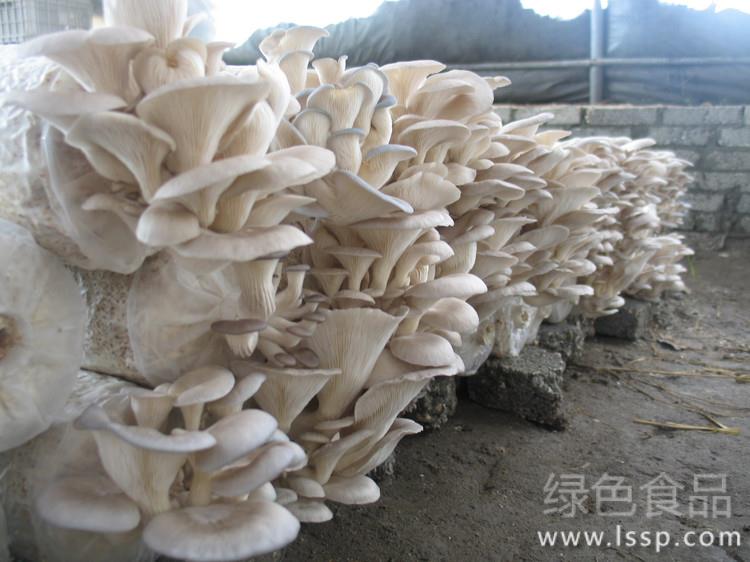
Mushroom
Whether water management is reasonable or not directly affects the quality of mycelial growth in the mushroom bed, the timing of fruiting, the level of yield, and the quality of the mushrooms, and is also closely related to the occurrence of pests and diseases in the mushroom house. Spraying too little water cannot meet the needs of fruiting body growth, while spraying too much water will damage the mycelium, kill the mycelium, and cause low yield or even failure. Water spraying is a highly practical mushroom house management technique, and guiding water spraying techniques with theoretical knowledge alone is often insufficient. Water spraying techniques depend on practical experience, and practical experience can only be mastered through long-term practice in mushroom house management. Mastering the "nine observations and nine avoidances" in mushroom water spraying is a water spraying technique summarized by mushroom farmers through long-term cultivation practice in seasonal cultivation based on the biological characteristics of mushrooms, and is of great significance for guiding water management in mushroom houses.
Nine observations:
1. Observe the strain: Appressed-type strains have strong moisture resistance, dense fruiting, and high water demand. Under the same conditions, the amount of water sprayed is greater than for aerial-type strains.
2. Observe the weather: Spray more on clear and dry days, and less on rainy and humid days.
3. Observe the temperature: Spray more when the temperature is suitable, and spray less, not at all, or at selected times when it is too high or too low.
4. Observe the moisture retention performance of the mushroom house: If the mushroom house has good moisture retention performance, spray less water and ventilate more.
5. Observe the water-holding capacity of the casing soil layer: If the casing soil material is on the dry side, has low viscosity, is high in sand content, and has poor water-holding capacity, the number of sprayings and the amount of water sprayed should be increased; otherwise, spray lightly and frequently.
6. Observe the thickness of the soil layer: If the casing soil layer is relatively thick, intermittent heavy spraying can be used; if the casing soil layer is relatively thin, light watering should be applied in several sessions.
7. Observe the strength of the mycelium: If the mycelium in the casing soil layer and compost grows vigorously, spray more water, among which the pinning water, fruiting water, and flush-transition water should be heavy; if the mycelium is thin and weak, spray less, spray lightly, or spray maintenance water.
8. Observe the size and number of mushrooms: During the peak fruiting period, when there are many large mushrooms on the bed surface, water absorption is high, evaporation is high, and consumption is high, so the amounts of fruiting water and flush-transition water should be correspondingly increased. If there are few and small mushrooms on the bed surface, or if it has entered the late fruiting stage, the amount of water sprayed should be correspondingly reduced, and if necessary, spray water only when mushrooms are present.
9. Observe the position of the mushroom bed: Spray more in places near doors and windows where water disperses quickly.
Nine avoidances:
1. Avoid spraying with the door closed: During and after spraying, do not immediately close the doors and windows of the mushroom house, to avoid mycelial recession from oxygen deprivation and suffocation, and to prevent free water from remaining too long on the surface of the mushrooms, which can produce spots.
2. Avoid uneven spraying: Prevent the formation of a coating on the mycelium in the soil layer, and avoid uneven fruiting on the mushroom bed, or the production of thin-skinned mushrooms and small mushrooms.
3. Avoid spraying at high temperatures: Avoid high temperature and high humidity, which can cause mycelial shrinkage, increased dead mushrooms, and induced diseases.
4. Avoid spraying before the mushroom picking period: It can turn red or produce color spots.
5. Avoid spraying when a cold wave arrives;
6. Avoid spraying overly concentrated fertilizer water or pesticide water or lime water: It can cause fertilizer damage or pesticide damage.
7. Avoid spraying heavy water in rainy weather;
8. Avoid spraying water when the strain is weakened: Mycelial decline
9. Avoid one-time full-surface heavy pouring on the mushroom bed: Compaction, bed leakage, and mycelial decline