Safe overwintering technique for transplanted onion seedlings to ensure high yields in spring
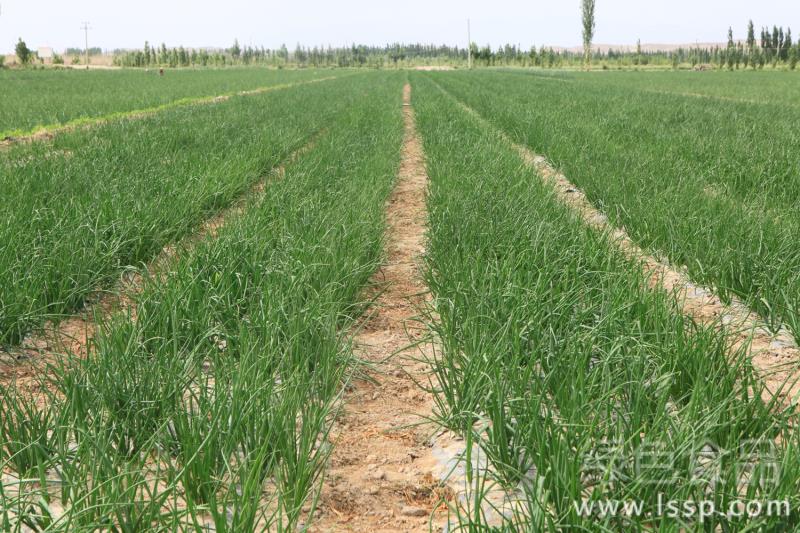
Growing onions
In North China, winters are cold, and onion seedlings grown in the open field cannot overwinter normally in place. Therefore, a cultivation method is often used in which seeds are sown in autumn, seedlings are transplanted for overwintering in winter, planted out in the field the following spring, and harvested for bulbs in summer. How to get onion seedlings through the winter normally is the key to achieving high yields the following year. The overwintering technique for transplanted onions is described below:
I. Timing
The transplanting of onion seedlings should be carried out in mid-November each year (after the Start of Winter festival in the lunar calendar), before the ground is about to freeze. The seedling bed must not be watered within 10 days before transplanting.
II. Lifting the seedlings
Before transplanting, first lift the seedlings out of the field (damaging the roots as little as possible), shake them gently to knock off loose soil, and remove seedlings that have no roots, no growing point, are too short, or are spindly, as well as overgrown seedlings with excessively long leaves, tillered seedlings, seedlings damaged by pests or diseases, and scallion seedlings (the leaf sheath of a scallion grows upright, and the cross-section of the leaf base is round; the leaf sheath of an onion seedling grows upright and is slightly bent, and the cross-section of the leaf base is concave).
III. Transplanting
Using the following method for transplanting allows onion seedlings to overwinter safely until they are planted out in the field in early March of the following year.
1. Sorting the seedlings. To make management easier, onion seedlings should be graded before transplanting. Grading standards: Grade I seedlings: small bulbs 0.6-0.7 cm, 3-4 leaves. Grade II seedlings: small bulbs 0.4-0.6 cm, 3 leaves. While sorting, tie the seedlings into small bundles of 80-100 plants, and transplant them in grades once tied.
2. Transplanting. Grade I seedlings are transplanted in a sunny cold frame: the cold frame should be chosen behind a windbreak or in a sheltered, shaded spot. First spread a layer of dry sandy soil about 5 cm thick in the frame, then build a small ridge 5-7 cm high on the dry sandy soil along one side of the frame, and place bundles of Grade I seedlings side by side in a row behind the ridge. After one row is placed, mound soil 5-7 cm around the roots of the seedlings, then place 2-3 cm of straw on the mounded soil to separate the front and back rows of seedlings. After all transplanting is finished, seal the sides of the frame tightly with soil and firm it down to prevent wind and water from getting in.
Grade II seedlings are transplanted in cold-protection trenches: to prevent root rot, the cold-protection trenches should be chosen on higher ground. The specific method is: dig several east-west trenches at intervals of 5-10 cm, each 3-5 m long, 25-30 cm wide and 15-20 cm deep; place the bundled onion seedlings in the trenches tilted 45 degrees toward the south side, and mound soil up to the top of the leaf sheaths. After all transplanting is finished, set up windbreaks around them so the seedlings are sheltered from wind and in shade. Seedlings transplanted by this method will still grow slowly from the central leaf. When the outside temperature drops, soil should be added in batches again or crop straw should be spread for cold protection, depending on the weather conditions.
IV. Management
Pay attention to weather forecasts at ordinary times. Before snow, cover the seedlings with plastic film; after snow, remove the film promptly and sweep away the surrounding snow, so as to prevent snowmelt from entering the frames and trenches and causing seedling rot.