Spring plowing is coming with the New Year, how can you buy high-quality seeds?
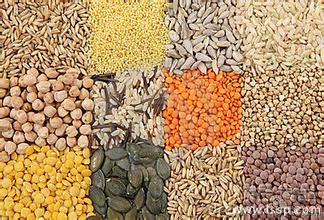
Grain seeds
The year 2014 is about to end. While farmers enjoy the abundant harvest, they must also prepare for next year's spring plowing. The annual seed purchase has already begun. I hope farmers will be sure to distinguish genuine seeds from fake ones when buying, because incidents of fake seeds harming farmers occur from time to time, causing some farmers huge losses. Here, farmers are reminded to carefully check the labels on seed packaging when buying seeds, and at the same time pay attention to the following points:
1. Buy seeds from legally operating seed businesses. Legally operating businesses have a seed business license, a letter of entrusted agency, and an industrial and commercial business license, which should be checked when purchasing; after buying seeds, ask the business for a formal invoice and properly keep the packaging, so as to ensure there is evidence for complaints if a seed quality dispute arises later.
2. Pay attention to checking whether the seed packaging is standard and whether the label contents are complete. Qualified seeds generally have fairly formal and standard outer packaging. Seed label contents include seed category, variety name, place of origin, quality index inspection certificate number, and seed production and business license number or approval document number. The label contents should match the seeds being sold.
3. Before buying, check the seeds item by item for gloss, plumpness, purity, and moldiness. If there are doubts, inquire promptly. For those advertised with exaggerated effects, it is best not to buy them.
4. Pay attention to the production date of the seeds and avoid buying expired seeds. Although old seeds can still be used, their germination rate is far below production requirements, so it is best not to buy them.
5. Ask the seller to explain the production characteristics and cultivation techniques of the seeds being purchased. Seed operators should provide seed users with a brief description of the seeds, main cultivation measures, explanations of usage conditions, and consulting services, and be responsible for seed quality.
6. After buying seeds, it is best to keep a small amount of seeds. If you buy and use fake or inferior seeds, when you complain to the local seed management department, the seeds you kept will be the best physical evidence in your complaint and claim for compensation.