What causes wheat to turn yellow before winter? A full analysis of prevention and management measures
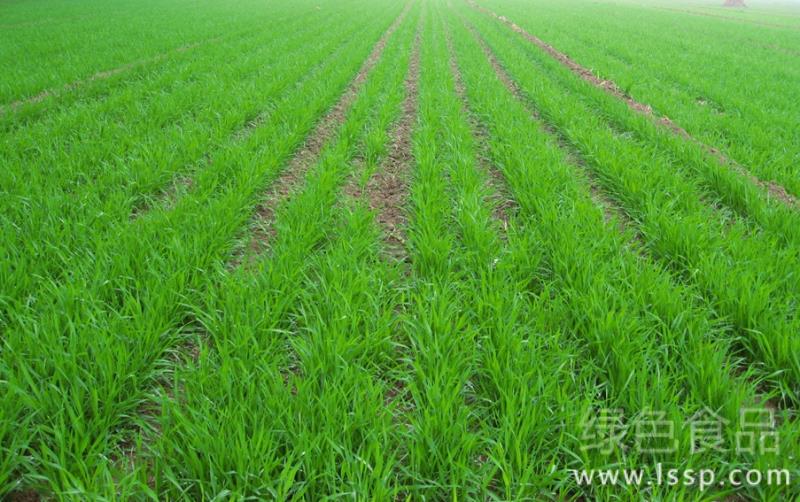
Wheat overwintering
In recent years, yellowing of wheat before winter has become fairly common, mostly caused by poor land preparation and sowing quality, improper field management, and other reasons. If management measures do not keep up, it will have a great impact on wheat yield. Therefore, the causes of yellow seedlings in wheat before winter should be carefully analyzed, and corresponding management measures taken, so as to promote the seedlings to become strong and reduce the damage to a minimum.
1. Yellow, weak seedlings caused by poor land preparation and sowing quality. Causes: First, poor quality of corn straw return, with a large amount of straw and no deep plowing, causing straw to form a scaffold in the plow layer, so that seeds are not firmly set in the soil or are sown directly on the straw; during the straw decomposition process it competes with wheat seedlings for water and nutrients, leaving the seedlings yellow and weak. Second, during land preparation, the soil is rotary tilled but not harrowed, or harrowed but not firmed, so the soil is loose and hollow, causing sowing that is too deep, loss of moisture through ventilation, and yellow, thin, weak wheat seedlings. Management measures: such wheat fields should be pressed in time (for fields sown too deep, first remove soil and clear the seedlings) to firm the soil and promote healthy growth of the wheat seedlings.
2. Yellow seedlings caused by soil contamination. Causes: First, excessive dosage of herbicide in the previous crop, or too late application, with residues in the soil exceeding the standard, causing wheat seedlings to turn yellow and become dwarfed. Such wheat seedlings mostly have yellowing and browning roots, with few and short roots, and the growth of the wheat seedlings is inhibited, resulting in yellowing and weakness. Second, yellow seedlings caused by fertilizer damage. On the one hand, the amount of fertilizer applied is too large. At present, wheat base fertilizer is mostly high-nitrogen (above 20%) compound fertilizer, and the plow layer is generally shallow (in our city generally 12-17 cm); the distance between seeds and fertilizer is relatively close, and when the amount of fertilizer applied is too large, especially in fields where seed and fertilizer are sown together, the excessively high fertilizer concentration causes salt damage, resulting in burned roots and rotten roots. On the other hand, some urea, due to improper processing during production, has excessive biuret, causing burned roots and burned seedlings, resulting in fertilizer damage. Management measures: for such yellowed wheat fields, spraying Jiehai Ling or plant growth regulators + foliar fertilizer can be used to alleviate the problem.
3. Yellow and dead seedlings caused by diseases and insect pests.
1. Dead seedlings caused by underground pests: In recent years, with the continuous expansion of the area of straw return, underground pests have shown a rebounding trend, causing relatively severe damage in the field. Especially in plots with poor soil treatment and poor quality of seed dressing with chemicals, about one month after wheat sowing, yellow seedlings and dead seedlings caused by underground pests begin to appear in the field, along with missing plants and broken rows; in severely affected fields, the damage rate of wheat seedlings is above 5%. Management measures: for lightly affected plots, organophosphorus pesticides (phoxim or chlorpyrifos) can be diluted with water and sprayed on the base of the affected wheat seedlings, extending 1-2 m to each side for spot treatment; for severely affected fields, soil treatment agents or the above organophosphorus pesticides can be made into poisoned soil and broadcast along the rows, with better results when combined with intertillage.
2. Yellow seedlings caused by wheat aphids and wheat mites: both suck leaf sap and cause leaves to turn yellow. At present, red mites are the main pest in wheat fields, and pyrethroid insecticides can be used for spray control.
3. Yellow seedlings and stunted seedlings caused by wheat cyst nematode disease: it mainly damages the roots, turning the crop root system into spherical nodules and inhibiting crop growth; the lower leaves begin to turn yellow from the leaf tips, and then the entire leaf becomes lighter in color, turns brown, and dries up. Diseased plants grow weakly, have few tillers, small spikes, and few grains, resembling a nutrient deficiency. In the past two years, the occurrence area and degree of damage of this disease in our area have gradually increased, and some fields now show obvious symptoms of damage. For this disease, thiazophos or abamectin granules can be applied in furrows.
4. Wheat root and basal diseases: wheat take-all, root rot, and sheath blight damage the root system and stem base, hindering the transport of nutrients and water and causing wheat leaves to turn yellow. Per mu, triazole fungicides such as triadimefon and tebuconazole can be used for stem-base spray control.
4. Excessive density: uneven sowing or excessive seeding rate makes the wheat field population density too large, which can also cause wheat to turn yellow. Such wheat fields should be thinned promptly and topdressed in time.
5. Stunted, yellow seedlings caused by waterlogging damage: it mainly occurs in waterlogged plots with heavy clay soil and low-lying terrain. Such wheat fields should promptly drain the accumulated water, and promptly carry out intertillage and loosening of the soil to dissipate moisture and reduce field humidity.
6. Yellow seedlings caused by improper chemical weed control before winter: First, the dosage is too large. Before winter, weeds in wheat fields are relatively small, and the low dose recommended by manufacturers can achieve good control; however, when the public carries out chemical weed control, they still use the high dose used for chemical weed control in wheat fields after the year, or even blindly increase the dosage, causing wheat seedlings to turn yellow or even die. Second, the amount of water used is too small; generally 1 mu of land uses 1 bucket of water (12-15 kg), so the pesticide solution concentration is high, and when spraying, overlapping back-and-forth spraying is common, and repeated spraying in places with many weeds is widespread, leading to severe herbicide damage. For such wheat seedlings, for mild cases, brassinolide or high-quality amino acid foliar fertilizer can be sprayed; for severe cases, Jiehai Ling or 920 can be sprayed in time to relieve the pesticide damage and promote the seedlings to become strong.