Simple methods, big results: three key points for winter pest control
Winter pest control
Winter pest control requires less labor and less investment, the methods are simple, and the results are big. To control pests in winter, do the following:
1. Understand the hibernation patterns of pests. The sweet potato hornworm overwinters as a pupa in the soil; the cabbage white butterfly overwinters as a pupa in sheltered places near the vegetable garden such as leftover vegetable leaves, weeds, and tree bark; the potato ladybird overwinters as adults clustered in wind-sheltered, sun-facing cracks, under stones, and on weeds; the mole cricket overwinters as adults in the soil, under fallen leaves, and among weeds; the sugar beet weevil overwinters as adults and larvae in the soil; spider mites mostly overwinter as adults or eggs in wind-sheltered, sun-facing tree branch cracks and axillary bud crevices.
2. Deep plowing for control. Methods such as destroying roots and stubble, deep plowing to freeze the soil, returning straw to the field, and clearing dead branches, fallen leaves, and weeds from the field should be used to turn over crop residues and pest "living quarters" completely, exposing pests to the soil surface so they can be pecked by birds or killed by severe cold. Farmers with the means can use spraying and burning to control pests.
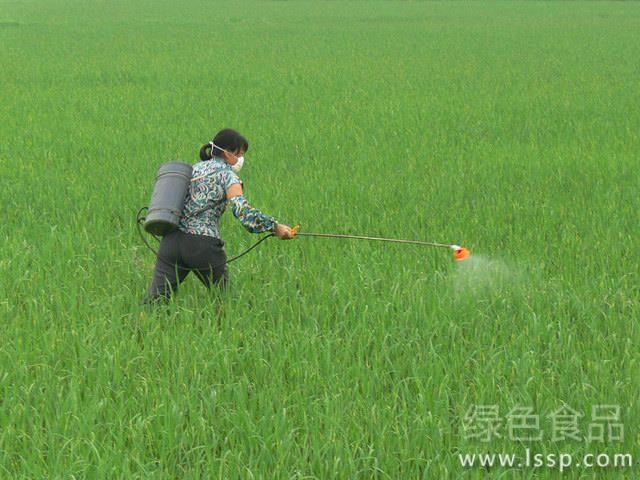
3. Chemical control. Along with winter and spring land preparation, granular pesticides such as phoxim can be applied to treat the soil, which can eliminate large numbers of underground pests such as white grubs, mole crickets, wireworms, and cutworms. Along with accumulating farmyard manure in winter and spring, clearing weeds, and collecting crop residues, branches, and leaves, the farmyard manure should be treated with pesticides and fully composted to eliminate insect eggs and reduce the base population of pest outbreaks. Especially in plots with severe infestations of various stem borers, crop residues must be picked clean before spring sowing and burned in a centralized manner.