Cold air invasion causes great harm; how to protect crops from frost
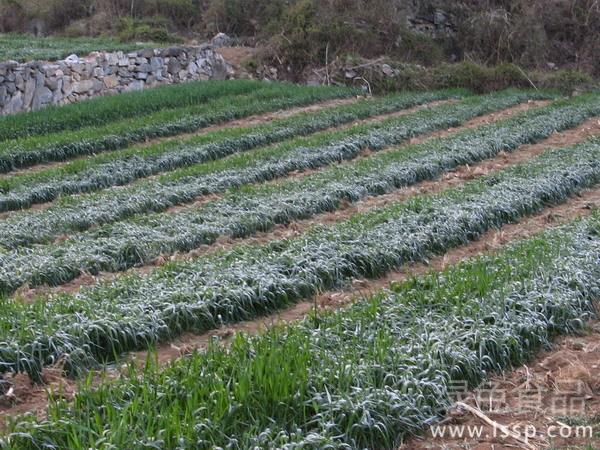
Crops damaged by frost
After the beginning of winter, frosty weather becomes fairly frequent and has a great impact on crops. Because different crops have different abilities to endure low temperatures at different developmental stages, their frost indicators also differ. Frost generally occurs due to the invasion of cold air, and is also affected by terrain, topography and soil properties. The longer the frost intensity lasts, the greater the harm to crops. So how do you protect against frost? Frost protection methods can be divided into two categories: agronomic measures and physical-chemical methods.
1. Agronomic measures:Using agronomic measures to resist frost is very important and practical, and is also the fundamental measure for frost protection. Agronomic measures are many-sided, and corresponding protective measures should be adopted according to local conditions, timing and crops. According to the patterns of frost occurrence in each area and the growth characteristics of crops, rationally allocate the proportions of various crops, choose suitable sowing periods and field transplanting periods for crops, cultivate varieties tolerant to low temperatures and resistant to frost, adopt reasonable sowing methods and soil covering depths, fertilize rationally, and increase potassium fertilizer to promote robust crop growth and improve the crops' own cold resistance.
2. Physical and chemical measures:Use frost prevention equipment and materials to prevent crops from freezing. ① Smoking method and artificial smoke method: The smoking method is a long-standing frost prevention method, which uses straw, weeds, poles, dead branches and fallen leaves, sawdust and other materials burned to produce smoke to protect against frost. ② Irrigation method: In areas with convenient water sources, after irrigation the leaf surface temperature of crops at night can be 1-2°C higher than without irrigation, and its frost prevention effect is better on the day of irrigation and the next day. In recent years, sprinkling water has been used to prevent frost, that is, using artificial precipitation to evenly spray water droplets onto crops or the leaf surfaces of fruit trees; sprinkling must be done multiple times until the temperature rises after sunrise. ③ Covering method: Use straw curtains, mats, plant ash, soil, straw, barnyard manure, plastic film, etc. to cover crops or wrap crops, which can prevent cold air invasion and weaken radiative cooling of the soil and plant surfaces, and is a very effective frost prevention method.