Seven measures to prevent and control salt accumulation in facility-grown fruit trees
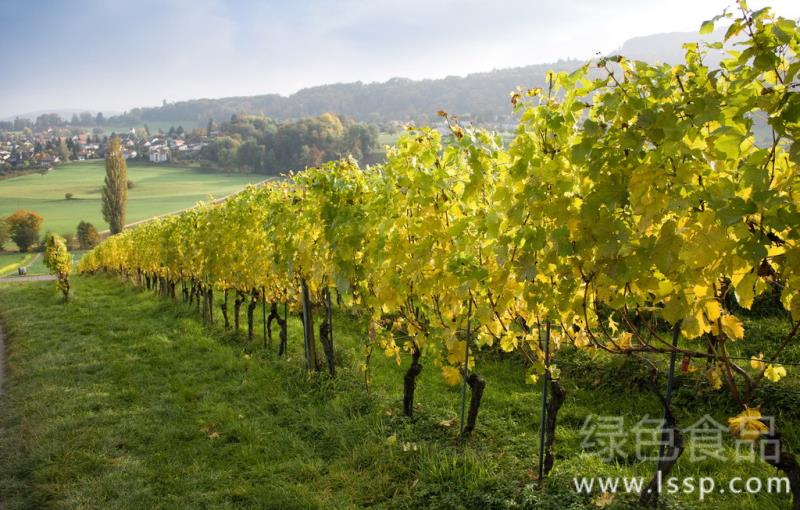
Orchard
The increase in soil solution concentration caused by salt accumulation is a prominent problem commonly found under facility (greenhouse or solar greenhouse) cultivation of fruit trees (such as peach, nectarine, grape, strawberry, etc.). It causes the absorption of nutrients and water by fruit trees to lose balance, thereby producing a series of physiological disorders and seriously affecting the improvement of fruit tree yield and fruit quality. The prevention and control measures are as follows:
1. Scientific fertilization. In facility plots, attention should be paid to applying more fully decomposed organic fertilizer to enrich the soil, improve soil physical and chemical properties, increase the soil base exchange capacity, and enhance the soil's buffering capacity. When applying chemical fertilizers, attention should be paid to the type, amount, quality and application method of the fertilizer, and more fertilizers such as superphosphate, calcium phosphate and potassium phosphate, which are not easily soluble in water and are easily adsorbed by the soil, should be applied.
2. Leaching irrigation. During the rainy season, uncover the greenhouse film to allow rainwater to naturally leach the soil, or irrigate to wash it. For plots that are low-lying, have heavy clay soil and poor drainage, dig drainage ditches nearby, increase drainage volume, and use water to carry salts to distant places. During the growth period of fruit trees, on the premise of not increasing the humidity in the facility plot, appropriately increase the number of irrigations and the irrigation volume, and use water to remove excess salts.
3. Deep plowing to remove salts. For fruit trees planted once and grown for many years, deep plow between the rows after fruit harvest; for grapes, strawberries, etc. planted once a year, deep plow the whole orchard before replanting, so that the surface soil is fully mixed and the salt content in the topsoil is reduced.
⟧ 4. Mulching between rows. Cover the ground with plastic film between the rows of fruit trees to increase soil temperature, improve soil physical properties, facilitate soil microbial activity, accelerate the decomposition and transformation of soil nutrients, improve the absorption capacity of fruit tree roots, and reduce part of the accumulated salts.
5. Biological salt removal. In the rainy summer season, plant Sudan grass, etc., which grows quickly and has strong fertilizer absorption capacity, between the rows of fruit trees, so that a large amount of nitrogen can be absorbed from the soil and part of the salts can be removed.
6. Intertillage and loosening the soil. Through intertillage and loosening the soil, the soil capillaries are cut off, which can inhibit excessive salts in the soil from moving upward with water and accumulating on the surface.
7. Soil replacement for improvement. Improve the soil through soil replacement.