Winter Management Techniques for Winter Peach to Fill the Gap in Fresh Fruit During Winter
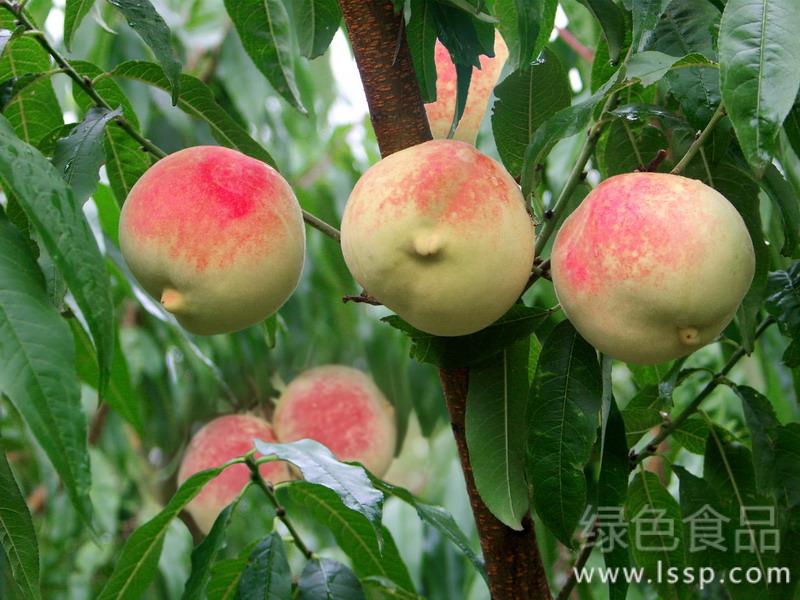
Winter Peach
The winter peach is a perennial deciduous tree with strong adaptability, resistance to severe cold, and tolerance to drought. It is a tree species that prefers warmth and light, with a pH requirement between 7.5—8. Peach fruit is rich in vitamins, amino acids, proteins, and other nutrients. It ripens in October-November. By the time it matures, other fruits have already been harvested, which precisely fills the gap of no fresh fruit in winter.
When winter arrives, the management of winter peach should be strengthened. The specific practices are as follows:
(1) Training and pruning. 1. Trunk heading: after planting, the nursery stock should be headed back, generally at a height of 20—50 cm. 2. Developing tree form: according to the growth and fruiting characteristics of the fruit tree, and also suitable for different planting forms and densities, the winter peach can generally adopt the open-center shape. 3. Winter pruning: around 10 days before or after the Beginning of Spring, pruning methods such as heading back, thinning out branches, and renewal pruning can be used to prune and treat the extension shoots of scaffold branches, fruiting branches, and fruiting branch groups.
(2) Applying base fertilizer. Base fertilizer application begins in October. Farmyard manure, pen manure, superphosphate, etc. can be applied. The application rate is determined by the size of the tree and its growth and fruiting conditions. As for the application method, for young trees, ring trench application is suitable; for large trees, radial trench application can be used, with the trunk as the center, digging 4—8 radial trenches at a distance of 50 cm or more from the trunk.
(3) Deep plowing to improve the soil and earthing up. Combine base fertilizer application with deep plowing to improve the soil. At the same time, earth up to prevent soil erosion and avoid waterlogging. Carry this out once in autumn and winter. The height of the earth should not exceed the root crown.
(4) Cleaning the orchard and preventing cold damage. Clear away dead branches, diseased and pest-infested branches, and sweep up fallen leaves. Carefully scrape off the old bark of the winter peach, remove overwintering eggs, and burn them in a centralized manner. Whitewash the trunks and branches of young trees to reduce sunscald and freeze damage.