What to do when cucumbers turn bitter? Four measures to reduce the bitterness
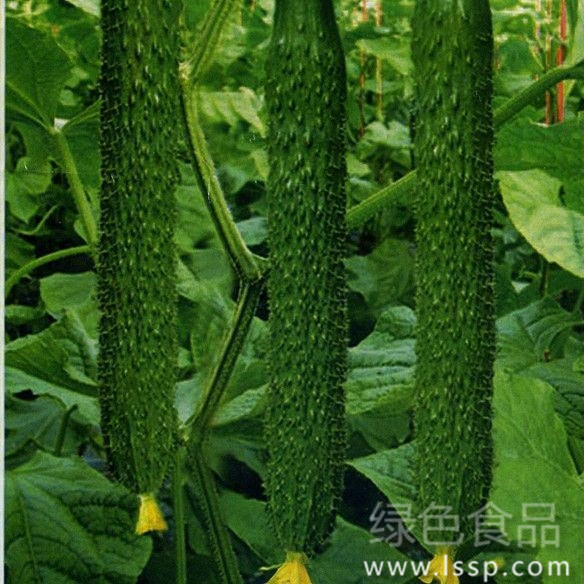
Cucumber
Many vegetable growers are troubled by the question of why their own cucumbers have a bitter taste. In fact, this is caused by a substance called cucurbitacin. Eating cucumbers that contain cucurbitacin can cause poisoning symptoms such as vomiting, diarrhea and spasms. So how can the bitterness of cucumbers be reduced during the cucumber growing process?
1. Choose good cucumber seeds, and never use bitter cucumber seeds for raising seedlings. This is because bitter cucumbers can pass on the trait. Therefore, taste the outer layer of a cucumber that is about to mature, and select seeds from cucumbers that have no bitter taste.
2. Fertilization must be reasonable. During the seedling stage of cucumbers, nitrogen fertilizer should be controlled, and as the cucumbers grow, the amount of nitrogen fertilizer should be gradually increased. By the peak flowering and fruiting stage, the ratio of potassium, nitrogen and phosphorus absorbed by cucumbers is basically 6:5:2. When there is too much nitrogen fertilizer or too little potassium and phosphorus fertilizer, cucumbers are most likely to develop a bitter taste.
3. Avoid high or low temperatures. When the surface soil temperature is below 13°C, the low temperature affects the cucumber's absorption of nutrients and water, so the bitterness will be greater; in high-temperature weather with a surface soil temperature above 30°C, if it lasts too long, the number of bitter cucumbers will also increase.
4. Avoid drought. When the temperature is relatively high and the soil moisture is relatively low, the cucumber plants are prone to physiological drought and tend to produce bitter cucumbers.