How to prevent and control peanut pod rot? It is more likely to occur when there is a lot of rain
Peanut pod rot, also known as "rotten pod disease," becomes more severe when peanuts in fields that have been continuously cropped with peanuts for many years encounter abundant rain during the pod-setting stage. Peanut pod rot has become one of the major diseases of peanuts, greatly affecting peanut yield and quality.
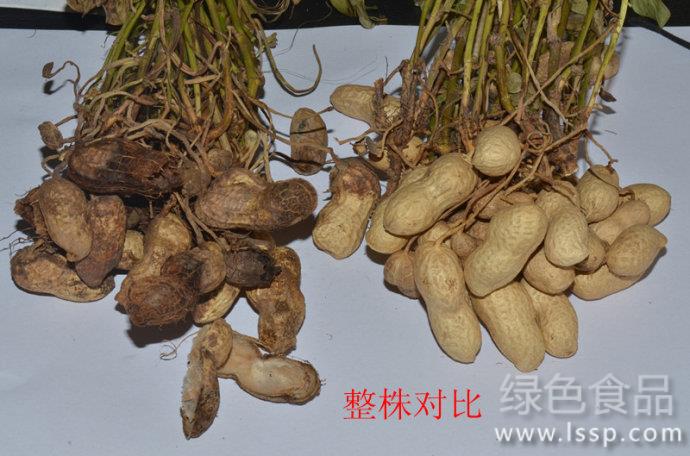
Pod rot
1. Crop rotation.Continuous peanut cropping year after year makes pod rot more likely, so crops should be rotated scientifically, with an interval of 2-3 years before planting peanuts again.
2. Seed exchange from a different location.Some farmers do not pay attention to the purification and rejuvenation of peanut varieties, causing serious degeneration of the peanut variety, poorer quality, lower yield, and increased susceptibility to disease, especially the soil-borne disease pod rot. For this reason, exchanging seed from a different location can both reduce the incidence of peanut diseases and increase yield.
3. Balanced fertilization.Peanuts have a high fertilizer demand, especially for phosphorus and potassium fertilizers. In addition, applying medium and trace element fertilizers such as calcium, sulfur, zinc, manganese, molybdenum and boron can also improve peanut yield and quality and reduce the incidence of disease.
4. Seed dressing with chemicals.Before sowing, special chemicals can be used to dress peanut seed before sowing, which can effectively reduce the incidence of peanut diseases and insect pests and effectively prevent pod rot, root rot, stem rot and so on.
5. Prevent disease and control insects early.When peanuts are infected by diseases such as root rot and stem rot, pod rot will follow as a secondary infection. Underground pests such as white grubs, wireworms and cutworms gnaw on peanut pods, leaving wounds on the pods, and the wounds become infected, especially by Fusarium, which is abundant in the soil, causing pod rot. For this reason, scientific prevention should be carried out, with diseases and insect pests controlled early, to prevent trouble before it happens.