Methods and Precautions for Reasonable Crop Rotation to Increase Vegetable Yields
Rotating a variety of different types of vegetables on the same plot of land over a set number of years helps make reasonable use of soil fertility, reduce pests and diseases, improve quality, and raise productivity. When implementing vegetable rotation, several points should be noted:
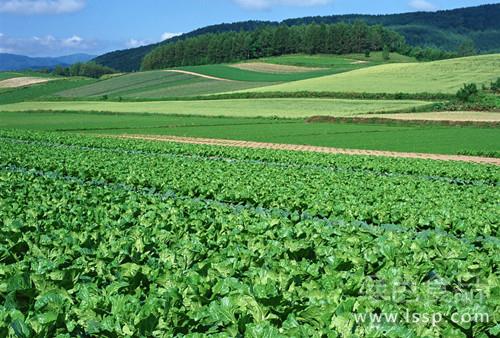
Vegetables
1. Different vegetables have different nutrient requirements. Make full use of soil nutrients. Different vegetables absorb nutrients differently. For example, leafy vegetables such as bok choy and spinach require more nitrogen fertilizer; fruiting vegetables such as melons, tomatoes, and peppers require more phosphorus fertilizer; and root and tuber vegetables such as potatoes and Chinese yam require more potassium fertilizer. By rotating vegetables with high nitrogen needs, high phosphorus needs, and high potassium needs, or by rotating deep-rooted vegetables with shallow-rooted vegetables, nutrients in all soil layers can be fully utilized. Generally, after leafy vegetables with high nitrogen needs, it is best to plant solanaceous fruiting vegetables with high phosphorus needs. After fast-feeding crops such as cucumber, celery, and spinach, it is best to plant tomatoes, eggplants, peppers, and similar crops the following year that respond well to organic fertilizer.
2. Different vegetables have roots at different depths. By arranging rotation between deep-rooted root vegetables, solanaceous fruiting vegetables, legumes, and melons (except cucumber) and shallow-rooted leafy vegetables and allium crops, fertilizers in each soil layer can be utilized.
3. Different vegetables have different effects on soil fertility. Leguminous vegetables can increase soil organic matter content and improve soil fertility, while long-term planting of leafy vegetables with high nitrogen needs can cause an imbalance of nutrient elements in the soil and a decline in soil fertility, leading to nutrient deficiency in some vegetables. Therefore, reasonably combine and plant those with long growing periods and short ones, and those with high fertilizer needs and low ones.
4. Different vegetables also have different requirements for soil pH. Potatoes, cabbage, and similar crops increase soil acidity, while corn, pumpkin, and similar crops reduce soil acidity. Therefore, planting acid-sensitive allium crops after corn and pumpkin can achieve high yields, while planting acid-sensitive allium crops after potatoes and cabbage leads to reduced yields.
5. Different vegetables suffer from pests and diseases to different degrees. Vegetables in the same family share the same pests and diseases. Rotating vegetables from different families can cause pathogens to lose their hosts or have their living environment changed, thereby reducing or eliminating pests and diseases. For example, cucumber Fusarium wilt and aphids can also infect other cucurbit vegetables; if non-cucurbit vegetables are planted, pests and diseases will be reduced or eliminated. For example, after harvesting allium crops such as scallions and garlic, planting Chinese cabbage can reduce soft rot in Chinese cabbage. Implementing grain-vegetable rotation and paddy-upland rotation can effectively control soil-borne infectious diseases.
6. Different vegetables have different weed-suppressing effects. Some vegetables that grow quickly or are planted densely, have long growing periods, and have leaves that cover much of the ground, such as melons, cabbage, legumes, and potatoes, have a clear suppressive effect on weeds; while vegetables such as carrots, celery, and onions that emerge slowly and have small leaves are prone to weed growth. Rotating these vegetables can significantly reduce weed damage.