Pointed-end zucchini fruits hurt their market appeal; master these prevention and control measures
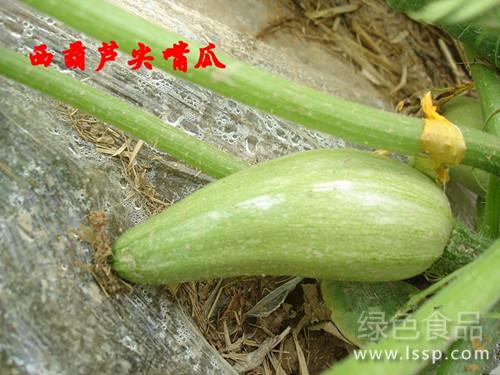
Pointed-end zucchini
Causes:
1. Poor pollination: after zucchini flowers bloom, if there is no pollination or treatment with fruit-setting hormone, parthenocarpy easily occurs. Even if parthenocarpic zucchini fruits have already formed, they will develop pointed ends due to poor nutrition at the fruit tip.
2. Too high a concentration of fruit-setting hormone: during zucchini development, if the concentration of the fruit-setting hormone is too high or it is applied too early, it easily leads to abnormal fruit development, producing pointed-end or deformed fruits.
3. Improper management: during zucchini production, if nutrient supply is insufficient, temperatures in the early development stage are high, or the root system is damaged, or fertilizer and water are insufficient, nutrient and water uptake is hindered. Heavy application of chemical fertilizers and excessively high soil salinity lead to too high a soil solution concentration, inhibiting nutrient uptake by zucchini roots. Too much watering and excessively high soil moisture inhibit root respiration, so the roots cannot produce enough energy, reducing the ability to absorb water and nutrients, and pointed-end fruits easily occur.
4. Too many fruits retained, so nutrients cannot be absorbed evenly: during production, if too many fruits are retained, nutrient distribution in the zucchini plant becomes uneven; retaining one fruit per leaf leads to too many fruits, causing fierce competition for nutrients, so many fruits develop pointed ends due to insufficient nutrition.
5. Improper temperature management: zucchini is a warm-temperature crop, and its suitable temperature is 10-25°C, but many growers raise the temperature to about 30°C during the day to make zucchini grow well, causing unsuitable growth and excessive nutrient consumption, making deformed fruits likely to appear.
Prevention and control methods:
1. Pollinate or apply fruit-setting hormone in time, and never arbitrarily increase the concentration of the fruit-setting hormone.
2. Fertilize reasonably and strengthen fertilizer and water management. Avoid one-time excessive use of chemical fertilizers or over-application of high-nitrogen fertilizer. Apply more organic fertilizer to stimulate root growth and avoid soil that is too dry or too wet; regularly spray the foliage with a 500-fold dilution of Gexi No. 1 to balance nutrient transport and reduce deformed fruits.
3. Retain fruits reasonably. For robust zucchini plants, thin out one and retain one; never keep one fruit per leaf. For weak plants, thin out two and retain one, and after they recover growth, retain fruits according to their growth condition.
4. Ventilate reasonably and control the greenhouse temperature at 8—25°C, avoiding temperatures that are too high during the day and too low at night.